
Building your own furniture brings a special kind of satisfaction. You get a piece that fits your space perfectly, matches your style, and often saves you money. One of the most rewarding projects for both beginners and intermediate woodworkers is a nightstand with 2 drawers. It’s not just functional; it’s a chance to learn about woodworking basics, hardware installation, and finishing. Whether you want a custom touch for your bedroom or a practical way to improve your DIY skills, building a 2-drawer nightstand is a project that delivers.
In this guide, you’ll get everything you need to take your nightstand from an idea to a polished, sturdy piece of furniture. Even if you’ve never built a drawer before, you’ll find detailed steps, tips for choosing the right materials, and advice on avoiding common mistakes.
By the end, you’ll have not only a beautiful nightstand but also new confidence in your woodworking abilities.
Planning Your Nightstand Project
Before you pick up any tools, planning is key. A clear plan makes the building process smoother and helps you avoid mistakes.
Measuring Your Space
First, decide where the nightstand will go. Measure the available space next to your bed. Standard nightstands are about 24 inches wide, 16 inches deep, and 24 to 28 inches high. But you can adjust these sizes to fit your needs.
Make sure there’s enough room to open the drawers fully.
Deciding On The Style
Nightstands come in many styles: modern, classic, rustic, or minimalist. Do you want straight, clean lines or decorative details? Simple designs are easier for beginners, but you can add your own touches. Sketch your idea on paper or use free online design tools.
Creating Or Choosing A Plan
You don’t have to design from scratch. Many free and paid plans are available online. Look for a plan with clear measurements, material lists, and step-by-step instructions. Double-check that the plan includes two drawers and matches your skill level.
Making A Materials And Tools List
Take time to list everything you’ll need. This helps avoid extra trips to the store and keeps your project organized.
Example Materials List
- Plywood (¾ inch, for sides, top, and bottom)
- Solid wood (drawer fronts, legs, trim)
- Drawer slides (2 sets)
- Wood glue
- Wood screws (1¼ inch and 2 inch)
- Finish (paint, stain, or clear coat)
- Drawer pulls or knobs
Example Tools List
- Circular saw or table saw
- Drill and drill bits
- Sander or sandpaper (120 and 220 grit)
- Measuring tape
- Carpenter’s square
- Clamps
- Screwdriver
- Paintbrush or roller
Budgeting Your Project
Building your own nightstand can cost less than buying one, but prices vary. Here is a rough breakdown:
| Item | Estimated Cost (USD) |
|---|---|
| Plywood and Wood | $40 – $80 |
| Drawer Slides | $10 – $20 |
| Hardware (screws, pulls) | $8 – $20 |
| Finish (stain, paint) | $10 – $20 |
| Sandpaper, Glue | $8 – $12 |
Most people spend between $80 and $150, depending on the materials and tools they already have.
Timeline
Building a nightstand with two drawers usually takes 2–3 days for beginners, including drying times for glue and finish. If you work slowly or want a perfect finish, give yourself a little more time.
Choosing Materials For Durability And Style
Your material choices impact both the look and strength of your nightstand.
Plywood Vs. Solid Wood
For most nightstands, 3/4-inch plywood is used for the top, sides, and shelves. It’s stable and won’t warp easily. For visible parts like the drawer fronts or legs, many people choose solid wood such as oak, maple, or pine for a beautiful finish. If you want a painted look, less expensive wood can be used.
Drawer Slides
Quality drawer slides make a big difference. Metal ball-bearing slides are smooth and last longer than simple wooden slides. Choose full-extension slides if you want to pull the drawers out completely.
Hardware
Drawer pulls or knobs come in many styles. Choose ones that match your room’s look. Screws should be the right length—too long and they poke through, too short and they won’t hold.
Finish
Decide if you want to stain the wood for a natural look, or paint it. A clear polyurethane finish protects the surface. For a rustic look, consider a matte or satin finish. For a modern look, a glossy finish or bold paint works well.
Sustainability
If you care about the environment, look for FSC-certified wood. This means the wood comes from responsibly managed forests. Some local hardware stores or lumber yards can give you details.
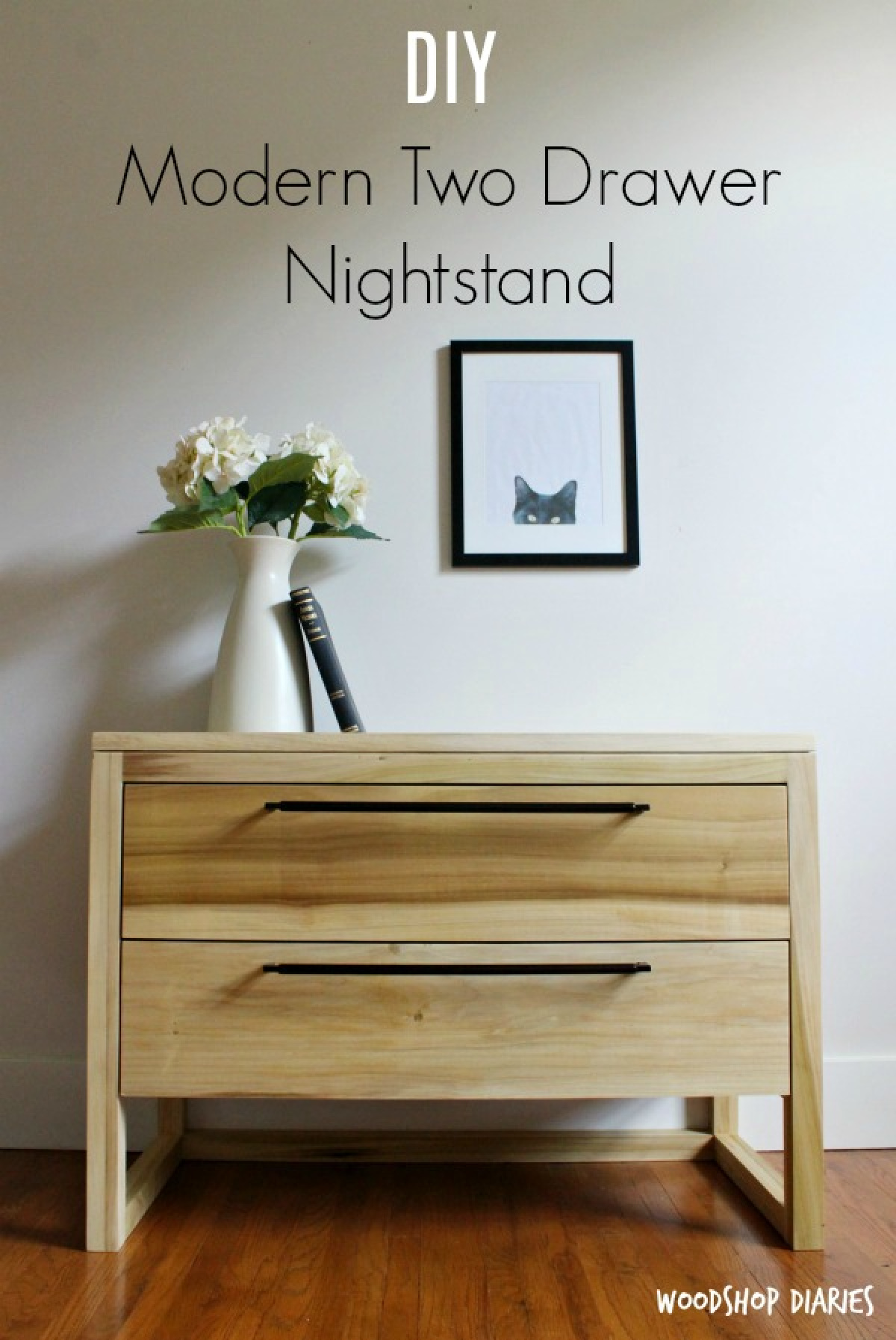
Credit: www.woodshopdiaries.com
Cutting And Preparing The Parts
Now the real work begins.
Measuring And Marking
Use a measuring tape and a sharp pencil. Measure twice, cut once—this saves costly mistakes.
- Top: 24″ x 16″
- Sides: 24″ x 16″
- Bottom shelf: 22.5″ x 16″ (for inside the sides)
- Back: 24″ x 24″ (if your design has a full back)
- Drawer boxes: Sizes depend on your plan but usually slightly smaller than the opening
Cutting The Wood
A circular saw with a guide rail or a table saw gives straight, clean cuts. Always cut on a flat, stable surface. Wear safety glasses and follow tool safety rules.
For beginners, cut out the largest pieces first. Then, use the offcuts for smaller parts. This reduces waste.
Sanding
After cutting, sand all edges and faces with 120-grit sandpaper. This removes splinters and helps finishes stick better. For a smoother finish, go over the surfaces again with 220-grit.
Drilling Pocket Holes (if Needed)
Some designs use pocket holes to join pieces, especially if you want hidden screws. A pocket hole jig makes this easy. Drill holes where the screws won’t show.
Assembling The Nightstand Frame
This is where it starts to look like furniture.
Joining The Sides And Top
Lay the sides flat and attach the top using wood glue and screws or pocket hole joinery. Make sure everything is square using a carpenter’s square. If it’s crooked now, it will only get worse.
Adding The Bottom Shelf
Attach the bottom shelf (or stretcher) between the sides. This adds strength and gives you storage space. Glue and screw or use pocket holes from underneath.
Attaching The Back
If your design has a back panel, attach it now. Use thin plywood (¼ inch) nailed or stapled into place. The back keeps the nightstand square and sturdy.
Installing Legs (if Separate)
If you’re using separate legs, attach them before the nightstand stands upright. Screws, dowels, or metal brackets can be used. Make sure all legs are the same length so the nightstand doesn’t wobble.
Checking For Squareness
Measure across the diagonals (corner to corner). If the measurements are the same, your nightstand is square. If not, adjust before the glue dries.
Clamping And Waiting
Use clamps to hold everything together while the glue dries (usually 30–60 minutes). Don’t rush this step.

Credit: www.ana-white.com
Building And Fitting The Drawers
Drawers are the trickiest part, but with care, anyone can make them work smoothly.
Sizing The Drawer Boxes
Your drawer boxes need to fit inside the nightstand with a small gap on each side for the slides. Usually, you subtract about 1 inch from the width of the opening (½ inch on each side).
Example: If the opening is 20 inches wide, make the drawer box 19 inches wide.
Cutting Drawer Parts
Each drawer needs:
- 2 sides
- 1 front (this will be hidden)
- 1 back
- 1 bottom (thin plywood, ¼ inch)
Cut all the parts, and sand the edges smooth.
Assembling The Drawers
- Stand the sides upright, glue and screw (or nail) the back and front pieces between them.
- Slide the bottom panel into a groove or attach it underneath with glue and nails.
- Check for square corners.
Installing Drawer Slides
- Attach one part of the slide to the inside of the nightstand.
- Attach the other part to the drawer box.
- Follow the slide instructions for spacing—usually, they sit flush with the bottom of the drawer sides.
Test the fit: the drawer should slide smoothly but not wobble.
Attaching Drawer Fronts
Once the boxes fit, attach the decorative drawer fronts. Center them on the boxes with equal gaps on all sides. Use double-sided tape to hold them in place, then screw from inside the drawer.
Adding Pulls Or Knobs
Drill holes for the hardware. Use a template or measure carefully so both drawers match. Tighten the knobs or pulls by hand.
Common Drawer Mistakes
- Making the drawer box too wide (won’t fit with slides)
- Not checking for square corners (drawers will stick)
- Installing slides too high or low (drawers won’t align)
Finishing The Nightstand
A good finish protects your nightstand and makes it beautiful.
Filling Holes And Sanding
Fill screw holes with wood filler. Sand again with fine sandpaper (220 grit). Wipe away dust with a damp cloth.
Staining Or Painting
- For stain: Apply with a brush or cloth, following the wood grain. Wipe off excess. Let dry.
- For paint: Use a primer first for best results. Apply two thin coats of paint, letting each dry.
- For clear finish: Brush on polyurethane in thin, even coats. Sand lightly between coats.
Let the finish cure for at least 24 hours before using the nightstand.
Attaching The Nightstand To The Wall (optional)
If you have children or pets, consider anchoring the nightstand to the wall. Simple metal brackets can prevent tipping.

Credit: build-basic.com
Comparing Drawer Slide Options
Here’s a quick comparison of popular drawer slide types:
| Type | Pros | Cons |
|---|---|---|
| Wooden Runners | Easy to make, low cost | Less smooth, can wear out |
| Metal Roller Slides | Affordable, simple to install | Not full extension |
| Ball-Bearing Slides | Very smooth, full extension | More expensive |
| Undermount Slides | Hidden, quiet, modern look | Most expensive, harder to install |
For most DIYers, ball-bearing slides are the best balance of price and performance.
Customizing Your Nightstand
One of the biggest advantages of building your own nightstand is customization.
Adding Extra Features
- USB charging ports: Drill a hole in the back, add a USB outlet for charging devices.
- Soft-close slides: Upgrade to soft-close for quiet drawers.
- Decorative trim: Add molding or routed edges for a classic look.
- Open shelf: Add an open space below the drawers for books or baskets.
Changing The Height Or Width
Adjust the measurements to suit your bed or space. Just remember to adjust all related parts, especially drawer sizes.
Creative Finishes
- Distress the paint for a vintage look.
- Use two-tone stains for contrast.
- Add wallpaper or fabric to drawer fronts for personality.
Choosing Different Hardware
Switching out knobs or pulls is an easy way to change the style. Brass, chrome, glass, or wood all give different effects.
Safety Tips For Diy Furniture Projects
Safety always comes first in woodworking.
- Wear safety glasses when cutting, drilling, or sanding.
- Use hearing protection with loud tools.
- Work in a well-ventilated area, especially when finishing.
- Keep your workspace clean to avoid tripping.
- Unplug tools when changing blades or bits.
- Don’t rush—most accidents happen when people hurry.
Troubleshooting Common Problems
Even careful builders run into problems. Here’s how to solve the most common issues:
Drawers Don’t Slide Smoothly
- Check if the slides are parallel.
- Make sure the box is square.
- Sand any rough edges.
- Lubricate metal slides with a little wax or spray.
Nightstand Is Wobbly
- Check that all legs are the same length.
- Tighten all screws.
- Add corner braces inside if needed.
Finish Looks Uneven
- Sand more between coats.
- Apply thinner coats of stain or paint.
- Make sure the wood is clean before finishing.
Screw Holes Split The Wood
- Drill pilot holes before driving screws, especially in hardwood.
- Use the right length and thickness of screws.
Maintenance And Care
A homemade nightstand can last for decades with a little care.
- Clean with a soft, damp cloth.
- Avoid harsh cleaners that damage the finish.
- Tighten hardware once a year.
- Touch up scratches with matching stain or paint.
- Keep out of direct sunlight to prevent fading.
Realistic Timeline For Beginners
Building a nightstand isn’t a race. Here’s how your time might break down:
| Step | Time Needed (Hours) |
|---|---|
| Planning & Shopping | 2 – 3 |
| Cutting & Sanding | 2 – 3 |
| Assembling Frame | 2 |
| Building Drawers | 2 – 3 |
| Finishing | 2 – 4 (including drying time) |
Most beginners can finish in a long weekend if they work steadily.
Two Advanced Tips Most Beginners Miss
Even simple projects have secrets that make them easier and better:
1. Test Fit Everything Without Glue
Before gluing or screwing parts together, do a “dry fit. ” This means assembling all the parts without glue. It helps you spot mistakes before they become permanent.
2. Label Every Part
Mark each piece as you cut it (“left side,” “bottom,” “drawer 1 front”). This makes assembly much less confusing, especially if your pieces look similar.
Resources For Learning More
If you want to go deeper, many free and paid resources can help. Websites like Family Handyman offer project plans, videos, and woodworking tips for all skill levels.
Frequently Asked Questions
How Hard Is It To Build A Nightstand With 2 Drawers?
If you can measure, cut, and use a drill, you can build a nightstand with two drawers. The most challenging part is making the drawers fit well. Take your time with measurements, and use good plans. Even beginners can get excellent results.
What Type Of Wood Is Best For A Nightstand?
For the main structure, plywood is strong and resists warping. For visible parts, solid hardwood like oak or maple gives a beautiful finish. If you’re painting, pine is affordable and easy to work with.
How Do I Make Sure My Drawers Slide Smoothly?
Use quality drawer slides and install them carefully. Make sure the slides are straight and parallel. Sand all drawer edges, and check that the drawer boxes are square. Lubricate metal slides if needed.
Can I Build This Project With Only Hand Tools?
Yes, but it will take more time and effort. You can use a hand saw, chisel, hammer, and screwdriver. The finish may not be as smooth, but it will still work. Power tools make the job faster and easier.
How Do I Customize The Nightstand For My Space?
Adjust the height, width, or depth to fit your needs. Change the style by using different hardware, paint colors, or wood types. Add features like charging outlets or extra shelves as you like.
Building your own nightstand with two drawers is a rewarding project that combines function and creativity. With careful planning, patience, and the tips above, you’ll create a piece that’s both useful and personal—something store-bought furniture can rarely match.