
A table runner can completely change the look and feel of your dining table. This simple piece of fabric can add color, texture, and personality to your space. But using a table runner well is not always obvious. Should you place it down the center?
Can you layer it with placemats? What about for everyday meals versus special events? If you want your table to look inviting and stylish, you need more than just the runner—you need to know how to style it.
This guide gives you everything you need to know to style a table runner beautifully. Whether you’re preparing for a holiday, hosting friends, or just want to brighten up your kitchen table, you’ll find practical tips and creative ideas here.
By the end, you’ll see that a table runner is more than decoration—it’s a tool to set the mood for any occasion.
Understanding Table Runners
A table runner is a long, narrow piece of fabric that runs along the center of a table. It’s different from a tablecloth because it doesn’t cover the whole surface. Table runners highlight the middle of the table, drawing attention to centerpieces or food displays.
They’re used in homes, restaurants, and events because they’re flexible and easy to change.
Popular Materials
Table runners come in many materials. Each one creates a different effect:
- Cotton: Soft, easy to wash, and works for everyday use.
- Linen: Natural texture, slightly more formal, and durable.
- Silk: Shiny and elegant, best for special occasions.
- Polyester: Budget-friendly, wrinkle-resistant, and available in many prints.
- Jute or Burlap: Adds a rustic touch, great for farmhouse or country styles.
- Lace: Delicate and vintage, perfect for weddings or romantic dinners.
Common Sizes
Table runners vary in size. Standard widths are between 14 to 20 inches. The length should be long enough to hang over the edges by 6–12 inches on both sides. For example, a 72-inch table often uses a 90-inch runner. If you want a modern look, try a runner that’s exactly the length of the table, with no overhang.
Choosing The Right Table Runner
Selecting the right runner is the first step to a beautiful table. Consider these factors:
Table Shape And Size
Round, rectangular, and square tables each look best with certain runners. Here’s a quick comparison:
| Table Shape | Recommended Runner Style | Tips |
|---|---|---|
| Rectangular | Long, straight runner | Allow 6–12 in. overhang at each end |
| Round | Diagonal or criss-cross runners | Try layering two runners for interest |
| Square | Runner placed straight or diagonally | Match runner width to table width |
Always measure your table before buying. A runner that’s too short or too long looks awkward.
Color And Pattern
The runner’s color affects the whole room. Here’s how to choose:
- Neutral colors (white, gray, beige) are timeless and match any decor.
- Bold colors (red, blue, green) can energize a space and highlight a theme.
- Patterns like stripes, florals, or geometric shapes add personality. Use patterned runners with simple tableware to avoid visual clutter.
For seasonal themes, pick colors that match holidays (like red and green for Christmas, or orange for fall).
Material And Texture
Think about the occasion. For everyday meals, choose washable fabrics like cotton or polyester. For formal events, linen or silk feels special. Mixing textures—like a jute runner with glass tableware—adds depth and style.
Matching With Tableware
Match or contrast your runner with dishes, placemats, and napkins. A white runner with colorful plates looks fresh. A patterned runner with plain white dishes keeps the table from looking too busy.
Budget
Table runners range from $10 for basic models to over $100 for designer fabrics. Remember, you don’t need to spend a lot to get a great look. Sometimes, a simple runner with thoughtful styling can look better than an expensive one.
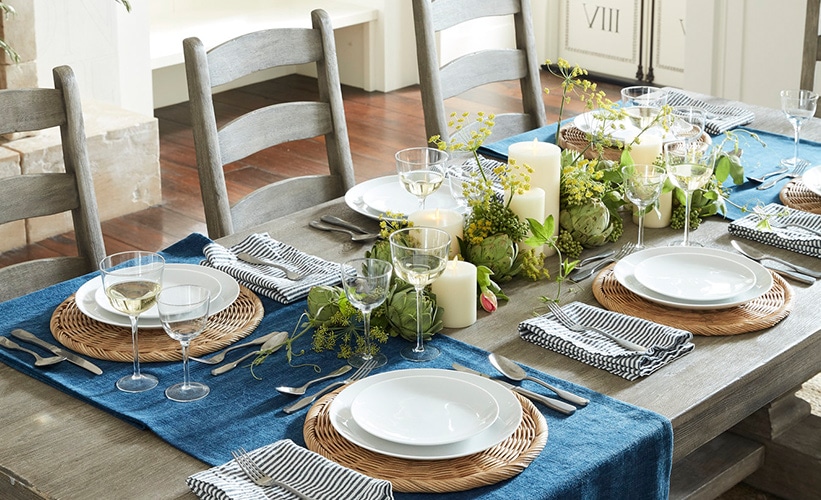
Credit: www.potterybarn.com
Table Runner Placement Basics
How you place a runner changes the whole table’s appearance. Here are the main ways to use a table runner:
Centered Down The Table
This is the most common style. Place the runner in the middle, with equal overhang on both sides. It creates a clear path for centerpieces or serving dishes.
Crosswise For Each Seat
For a unique look, use multiple short runners instead of one long one. Place them across the table, one at each seat. This style acts like individual placemats and works well for square or round tables.
Diagonal Placement
On square or round tables, try placing the runner diagonally. This draws the eye and feels less formal.
Layered With Tablecloth
Layer a runner over a tablecloth for added depth. Use a contrasting color or texture so the runner stands out. For example, a white cloth with a red runner looks bold and festive.
Under Centerpieces
Runners are perfect for highlighting centerpieces. Place the runner first, then add vases, candles, or food trays on top. The runner protects the table and frames your decorations.
Styling For Everyday Use
A table runner isn’t just for parties. It can make everyday meals feel special without extra effort.
Simple And Functional
For daily use, keep it simple. A cotton or polyester runner in a neutral color works well. Use it alone or with matching placemats. Add a small vase or a bowl of fruit as a centerpiece.
Easy Maintenance
Choose runners that are machine washable. Avoid fabrics that stain easily, especially if you have kids or pets.
Practical Tips
- Don’t use tall centerpieces for daily meals—they block conversation.
- Keep the runner clean and wrinkle-free for the best look.
- If your table is small, pick a narrow runner so you have space for plates.
:max_bytes(150000):strip_icc()/Thanksgiving_098-c4380fab677c403284e37b312a7066a2.jpg)
Credit: www.thespruce.com
Styling For Special Occasions
When you host a dinner party or celebrate a holiday, a table runner can set the tone.
Elegant Dinner Parties
Use a linen or silk runner in a rich color like navy, burgundy, or gold. Pair it with cloth napkins and silverware. Add candles or fresh flowers as a centerpiece.
Holidays
Match the runner to the season:
- Thanksgiving: Use earthy tones or a patterned runner with leaves.
- Christmas: Try red, green, or plaid with pinecones or ornaments.
- Easter: Pastel colors and floral prints work well.
Add small decorations—like pumpkins for fall or Easter eggs for spring—along the runner.
Weddings And Anniversaries
A lace or sheer runner adds romance. Place it over a solid tablecloth for contrast. Scatter rose petals or use delicate candle holders for a soft glow.
Outdoor Events
For picnics or garden parties, try a burlap runner. It’s sturdy, rustic, and matches outdoor settings. Use simple wildflowers in jars as your centerpiece.
Creative Table Runner Ideas
Want your table to stand out? Try these creative ideas:
Layering Runners
Use two runners—one wide, one narrow. Place the narrow runner on top. Use different colors or textures for a dramatic effect.
Mixing Patterns
Don’t be afraid to mix patterns. For example, a striped runner with polka dot napkins can look playful if the colors match.
Diy Table Runners
Make your own runner using fabric, lace, or even paper. This is a great way to get a custom size or pattern. Fabric stores sell material by the yard, so you can create a runner for less than $10.
Seasonal Swaps
Change runners throughout the year. Use a bright, floral print in spring, a nautical theme in summer, and a cozy plaid in winter. This keeps your table feeling fresh.
Using Scarves Or Shawls
If you don’t have a table runner, a long scarf or shawl can work in a pinch. Just make sure it’s clean and fits the table.
Adding Lights
Wrap a string of battery-powered fairy lights along the runner for a magical evening look.
Table Runner And Centerpiece Combinations
A runner frames your centerpiece, making it more noticeable. Here’s how to pair them well:
Centerpiece Size
Make sure your centerpiece isn’t too big or small for the runner. It should fit comfortably, leaving space on either side.
Height And Balance
Mix tall and short items. For example, use a tall vase in the center and small candles along the sides. This creates balance and interest.
Odd Numbers
Decorate with odd numbers—three vases instead of two. Odd numbers look more natural to the eye.
Table Runner And Centerpiece Pairing Table
Here’s a quick guide for matching runners with centerpieces:
| Runner Material | Best Centerpiece Types | Occasion |
|---|---|---|
| Linen | Fresh flowers, glass vases | Formal dinner, wedding |
| Burlap | Mason jars, wildflowers | Outdoor, rustic party |
| Silk | Candles, crystals | Anniversary, romantic dinner |
| Cotton | Fruit bowl, casual decor | Everyday, family meals |
Layering With Placemats And Tablecloths
Layering adds depth and style to your table. Here’s how to do it right:
Runner With Placemats
Place the runner down the center. Then put placemats at each seat. Make sure colors and patterns don’t clash. For example, use a solid runner with patterned placemats, or vice versa.
Runner With Tablecloth
Lay a tablecloth first, then add the runner on top. The runner should be a different color or texture to stand out.
All Three Together
You can use a tablecloth, runner, and placemats together. The key is balance—don’t use busy patterns for all three. Keep at least one element simple.
Layering Table Example
Here’s how to combine these items for different looks:
| Tablecloth | Runner | Placemats | Overall Look |
|---|---|---|---|
| White | Red velvet | Gold woven | Festive, formal |
| Burlap | Cream lace | None | Rustic, romantic |
| Blue | Navy cotton | Striped | Casual, nautical |
Table Runner Styling Mistakes To Avoid
Even small errors can make your table look less polished. Here are common mistakes and how to fix them:
- Wrong Length: A runner that’s too short or too long looks awkward. Always measure your table.
- Busy Patterns: Too many patterns can clash. If your dishes or placemats are patterned, choose a plain runner.
- Unstable Centerpieces: Heavy or tall centerpieces can tip over, especially on slippery runners.
- Ignoring Table Shape: Not every runner fits every table. Use diagonal placement for square or round tables.
- Neglecting the Rest of the Room: The runner should match your dining room’s style, not just the table.
Caring For Your Table Runner
A well-kept runner lasts longer and looks better. Here’s how to care for it:
Washing
- Cotton and polyester runners are usually machine washable. Use mild detergent and cold water.
- Linen can shrink; wash gently or dry clean.
- Silk needs hand washing or dry cleaning.
- Burlap should be spot cleaned only.
Check the care label before washing. If you’re unsure, test a small area first.
Ironing
Iron runners to remove wrinkles. Use the right setting for the fabric—high for cotton, low for silk.
Storage
Fold runners neatly and store them in a dry place. Avoid sunlight, which fades colors. For delicate fabrics, roll them instead of folding to avoid creases.
Stain Removal
Act quickly with stains. Blot (don’t rub) with a damp cloth. For tough stains, use a gentle stain remover suited to the fabric.

Credit: vintagehomedesigns.com
Table Runner Trends For 2024
Styles change every year. Here’s what’s popular now:
Sustainable Fabrics
Eco-friendly materials like organic cotton and recycled polyester are in demand. These are better for the environment and often just as stylish.
Bold Colors
Deep blues, emerald greens, and terracotta are trending. These colors make a statement and work well for both modern and classic tables.
Mixed Textures
Layering smooth runners with textured placemats (like woven or braided) is popular. This adds interest without being too busy.
Minimalist Designs
Simple, solid runners with clean lines fit modern homes. Pair with white dishes and a single flower vase for a chic look.
Personalization
Custom runners with family names or monograms are a big trend. They make special occasions more meaningful.
Real-life Examples And Inspiration
Here are some ideas from real homes and events:
- Casual family dinner: A blue cotton runner with white plates, a bowl of lemons, and glass water pitchers.
- Spring brunch: A floral linen runner, pastel napkins, and fresh tulips in small vases.
- Holiday feast: A red velvet runner on a white tablecloth, gold candlesticks, and pine branches.
- Outdoor picnic: A burlap runner, wildflowers in mason jars, and enamel dishes.
If you want even more inspiration, check out photos from events on Martha Stewart.
Frequently Asked Questions
What Length Should A Table Runner Be?
The ideal length is the table’s length plus 12–24 inches. This allows for a 6–12 inch overhang on each end. For example, if your table is 60 inches long, look for a runner between 72 and 84 inches.
Can I Use A Table Runner With Placemats?
Yes! Place the runner down the center and put placemats at each seat. Make sure the colors and patterns complement each other. This adds depth and keeps the table organized.
How Do I Keep A Table Runner From Slipping?
Choose runners with a non-slip backing or place double-sided tape underneath. Heavy centerpieces can also help hold the runner in place.
Are Table Runners Only For Formal Occasions?
No. Table runners work for everyday meals, casual gatherings, and special events. The key is to choose the right material and style for each situation.
How Do I Clean A Table Runner?
Check the care label. Most cotton and polyester runners can be machine washed. Linen and silk need gentle handling. For stains, blot with a damp cloth and use a mild detergent.
A table runner is a simple way to refresh your dining space, impress guests, and make meals more enjoyable. With the right choices and a little creativity, you can style your table for any occasion. Experiment, have fun, and let your table runner show your personal style.