
Every dog owner wants a clean, fresh-smelling home. But if your dog keeps peeing on the tile floor, that goal can feel impossible. This problem is common, but it’s also frustrating. The smell can be strong, and the mess is hard to clean up.
Even worse, if the dog keeps returning to the same spot, it can become a stubborn habit.
You might wonder, “Why does my dog pee on the tile and not elsewhere? ” or “Will this ever stop? ” The good news is that with the right approach, you can teach your dog to break this habit for good.
Understanding the reasons behind the behavior, knowing the right steps, and staying patient are the keys to success.
This article will guide you through everything you need to know about how to stop your dog from peeing on tile floors. Whether your pet is a puppy or an adult, these strategies work. You’ll also learn how to prevent future accidents, clean up properly, and handle setbacks confidently.
Why Dogs Pee On Tile Floors
Tile floors are often cool, easy to access, and simple for owners to clean. But for dogs, there are a few other reasons these spots become targets.
1. Scent Attraction
Dogs have a strong sense of smell. Even if you clean up, trace odors can remain in grout or small cracks. If your dog smells urine there—even from long ago—they may return to that spot.
2. Previous Accidents
Once a dog pees in a spot, they’re likely to do it again. It’s not just about smell; it becomes a habit, especially if they’re not corrected quickly.
3. Medical Issues
Sometimes, a sudden change in bathroom habits signals a health problem. Urinary tract infections, diabetes, or kidney issues can make dogs urinate more or lose control.
4. Age And Training Gaps
Puppies need frequent bathroom breaks and consistent training. Senior dogs might lose bladder control due to aging or illness.
5. Stress And Anxiety
Changes in the home, new pets, or loud noises can stress dogs. Anxious dogs may have accidents even if they’re trained.
6. Marking Territory
Unneutered males and some females may mark their territory, especially when new animals are around.
Understanding these reasons helps you address the root cause. For example, if your dog is sick, training alone won’t fix the problem. If it’s stress, you’ll need to reduce anxiety first.
Immediate Steps To Take After An Accident
When you find urine on the tile, what you do next matters. Fast action can prevent repeat accidents.
1. Stay Calm
Don’t yell at your dog. This teaches them to fear you, not to stop the behavior.
2. Clean Thoroughly
Remove all traces of urine. Regular cleaners don’t break down the enzymes in dog urine. Use an enzyme-based cleaner to eliminate the smell completely.
3. Block Access
If possible, keep your dog away from the spot until the habit is broken. Use baby gates or close doors.
4. Note The Pattern
Keep track of when and where your dog pees. This helps you spot patterns and predict accidents.
5. Take Your Dog Outside
Right after cleaning, take your dog to their proper bathroom spot—even if they don’t need to go. This reinforces where they should pee.

Credit: petzpark.com.au
Essential Training Strategies
Stopping a dog from peeing on tile requires more than just cleaning. Consistent training is the foundation for lasting success.
1. Reestablish A Bathroom Routine
Dogs thrive on routine. Take your dog out at the same times every day—especially after meals, play, and naps. Reward them every time they pee outside.
2. Supervise Closely
Watch your dog when they’re inside, especially near tile. If you can’t supervise, use a crate or playpen. Most dogs won’t soil where they sleep.
3. Reward Good Behavior
Always praise and give a small treat when your dog pees in the right place. Immediate rewards help them connect the action to the reward.
4. Interrupt And Redirect
If you catch your dog starting to pee inside, say “No!” or clap your hands—just enough to interrupt. Then quickly take them outside. Reward if they finish peeing outdoors.
5. Use Leashes Indoors
Leash your dog to you with a long leash. This lets you catch accidents quickly and helps you watch for signs they need to go.
6. Increase Outdoor Time
Some dogs need more chances to pee outside, especially puppies or small breeds. Add extra bathroom trips during training.
7. Use A Potty Bell
Hang a bell by the door and teach your dog to ring it when they need to go out. This gives them a clear way to ask.
8. Control Food And Water
Feed on a schedule and pick up the water bowl two hours before bedtime. Never limit water for puppies during the day, but control nighttime access.
9. Be Consistent
Everyone in the home must follow the same rules. If one person lets the dog get away with peeing inside, training takes much longer.
Cleaning Up: Products And Methods That Work
Dogs return to places that smell like urine. Cleaning thoroughly is a must, but not all products are equal.
| Cleaner Type | Effectiveness on Tile | Notes |
|---|---|---|
| Enzyme Cleaner | Excellent | Breaks down urine molecules, removes smell completely |
| Bleach | Moderate | Kills germs, but may not remove all odor; harsh on grout |
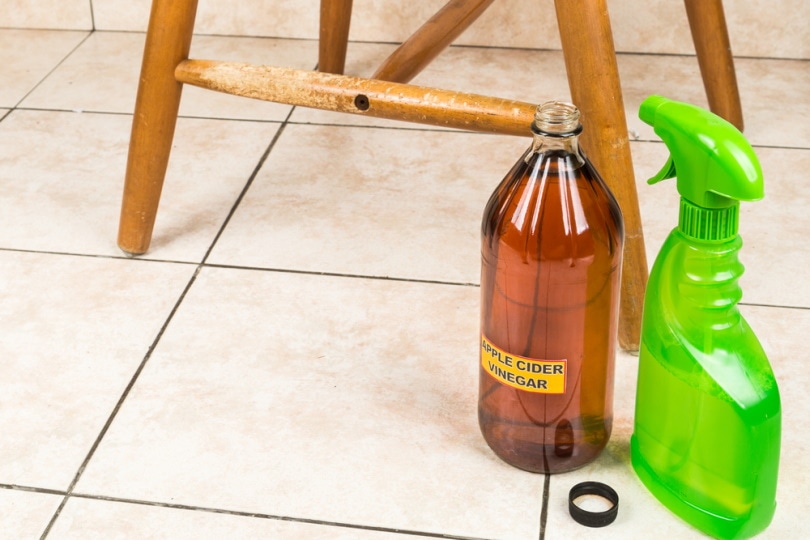
| Vinegar & Baking Soda | Good | Helps neutralize odors, but may not reach deep stains |
| Regular Floor Cleaner | Poor | Often leaves behind scent dogs can detect |
How to Clean Dog Urine on Tile:
- Blot up as much urine as possible with paper towels.
- Rinse the area with water.
- Apply an enzyme cleaner. Let it sit for 10–15 minutes.
- Wipe up and rinse again.
- Repeat if needed. Some odors need more than one treatment.
Pro Tip: Clean the grout lines carefully. Urine often soaks into grout, holding odor even when the tile looks clean.
Medical Causes To Rule Out
Before you focus just on training, make sure your dog is healthy. Medical problems are a common, often missed, reason for indoor accidents.
Common Health Issues That Cause Indoor Urination
- Urinary tract infections (UTIs)
- Bladder stones
- Kidney disease
- Diabetes
- Incontinence (common in older dogs)
If your dog suddenly starts peeing inside, drinks more water than usual, or has accidents despite good training, see your vet. They may need a urine test or other checks.
Non-obvious insight: Some medications, like steroids or diuretics, can increase urination. Always tell your vet about any new drugs your pet is taking.
Stress, Anxiety, And Behavioral Causes
Sometimes the problem isn’t physical but emotional. Dogs may pee inside when they feel stressed, scared, or overwhelmed.
Signs Of Stress Or Anxiety
- Hiding or shaking
- Excessive barking
- Pacing or restlessness
- Accidents during storms or when left alone
Examples:
A new baby, moving to a new house, or loud noises can all trigger stress peeing.
What to Do:
- Stick to routines as much as possible.
- Give extra attention and calm praise.
- Provide safe spaces like a crate or quiet room.
- Try calming aids like pheromone diffusers or anxiety wraps.
Important: Never punish anxiety-related accidents. This makes the problem worse.
Credit: www.dogster.com
The Right Tools And Supplies
Having the right items makes training easier and accidents less stressful.
Useful Supplies
- Enzyme cleaner for deep cleaning
- Crate or playpen for safe confinement
- Potty pads (optional, for puppies or small breeds)
- Leash and harness for controlled trips outside
- Treats for rewards
- Baby gates to block off tile areas
Pro Tip: Choose unscented cleaners and pads. Strong smells may confuse your dog or mask the scent in the wrong way.
When And How To Use Crates And Confinement
Crates, when used correctly, can help stop indoor accidents. But they’re not a punishment.
Benefits Of Crate Training
- Dogs rarely soil where they sleep.
- Crates keep your dog safe when you can’t watch them.
- Helps build a bathroom routine.
How to Use a Crate:
- Make it comfortable with a bed and water.
- Start with short periods and build up.
- Take your dog outside right after crate time.
Common Mistake: Leaving a dog in the crate too long can cause accidents and stress. Puppies need breaks every 2–3 hours.
Comparing Training Methods
Different training methods work for different dogs. Here’s a look at three popular approaches:
| Method | Best For | Drawbacks |
|---|---|---|
| Crate Training | Puppies, dogs with good bladder control | Needs time and patience; not for long workdays |
| Paper/Potty Pad Training | Small breeds, apartments, extreme weather | May cause confusion about inside vs. outside potty |
| Direct Supervision | Owners home most of the day | Very hands-on; not for busy schedules |
Non-obvious insight: For tile-floor accidents, direct supervision combined with crate training is often the fastest fix. Potty pads can slow progress if your real goal is outdoor-only training.
How To Prevent Repeat Accidents
Breaking the habit is only part of the solution. Preventing new accidents is just as important.
Steps To Prevent Future Problems
- Keep the floor clean with enzyme cleaners after every accident.
- Block off tile areas until your dog is fully retrained.
- Give more bathroom breaks than you think your dog needs.
- Watch for warning signs like circling, sniffing, or whining.
- Stick to a feeding schedule to predict potty times.
What If Accidents Continue?
If your dog keeps peeing on tile despite training and cleaning:
- Revisit the vet to rule out missed medical issues.
- Add a few more outdoor bathroom trips.
- Go back to basics with crate and supervision.
- Get help from a certified dog trainer or behaviorist.
Special Cases: Puppies, Seniors, And Rescues
Every dog is different. Some need extra patience or a special approach.
Puppies
Puppies have small bladders. They need to pee every 1–2 hours during the day. Nighttime accidents are common until about 4–6 months old.
Tips:
- Set a timer for bathroom breaks.
- Use crates only for short periods.
- Expect slow progress at first.
Senior Dogs
Older dogs may lose bladder control or have medical issues. They need more frequent breaks and softer cleaning methods.
Tips:
- Add rugs or mats for traction—slipping can cause accidents.
- Keep the bathroom area easy to access.
Rescue Dogs
Dogs from shelters may have little or no training. They might be anxious or unsure.
Tips:
- Be patient and gentle.
- Use lots of praise.
- Stick to simple routines.
Non-obvious insight: Some rescue dogs have never been inside before and may not understand that tile isn’t an outdoor surface. Start with basic house training, even for adults.
Environmental Changes That Help
Sometimes small tweaks to your home can help break the habit.
Change The Bathroom Area
If your dog likes peeing on a certain tile, try moving their food and water bowls there. Dogs rarely pee where they eat.
Use Rugs Or Mats
Covering the tile with washable rugs can deter some dogs. Make sure rugs do not have a rubber backing—urine can get trapped and worsen the smell.
Adjust Lighting
Some dogs are nervous about going outside in the dark. Add a light near the door or in the yard to make nighttime trips easier.
Use Scent Deterrents
Dogs dislike citrus and vinegar scents. After cleaning, try a light spray of diluted lemon or orange oil (never use essential oils directly on the floor; they can harm pets).
Addressing Marking Behavior
Marking is different from regular urination. It’s more common in male dogs and often triggered by new smells, visitors, or pets.
How To Tell The Difference
- Marking is usually small amounts of urine.
- Happens on vertical surfaces (walls, chair legs, tile baseboards).
- Often follows a new person or pet in the house.
How To Stop Marking
- Spay or neuter your dog. This reduces marking in most cases.
- Clean marked spots thoroughly with enzyme cleaner.
- Supervise and interrupt marking immediately.
- Block access to problem areas.
Dealing With Setbacks And Patience
Progress is not always a straight line. Accidents can happen after a change in routine, illness, or stress.
What To Do If Your Dog Relapses
- Don’t punish. Go back to basics.
- Increase bathroom trips.
- Supervise closely.
- Clean thoroughly again.
How Long Does Training Take?
Most dogs can break the habit in 2–6 weeks with daily practice. Puppies and rescues may need longer.
Non-obvious insight: Consistency is more important than speed. Even a few missed days can set back your progress.
Expert Help: When To Call A Professional
If you’ve tried everything and the problem continues, it may be time to call a certified dog trainer or veterinary behaviorist.
Signs you need help:
- Aggression or fear around bathroom time
- No improvement after several weeks
- Accidents paired with other odd behaviors
A professional can spot things you might miss and create a plan just for your dog.
For more detailed information about dog behavior and training, you can visit the ASPCA House Soiling resource.
Frequently Asked Questions
Why Does My Dog Only Pee On The Tile Floor And Not On Carpet Or Outside?
Dogs often choose tile because it’s easy to clean and cool. Tile may hold less odor for humans but more for dogs, especially if not cleaned with enzyme cleaners. Some dogs prefer the texture or location. If they’ve peed there before, they’ll return to that spot due to scent memory.
Can Certain Breeds Be Harder To Train Not To Pee Indoors?
Yes, small breeds and toy dogs are often harder to house train. They have smaller bladders and may need to pee more often. However, any breed can learn with enough consistency and patience.
How Do I Know If My Dog’s Indoor Peeing Is A Health Problem?
Look for changes in drinking, increased accidents, straining to pee, or signs of discomfort. If your dog is house trained and suddenly starts peeing inside, see your vet right away to rule out medical issues.
Is Using Potty Pads A Good Solution For Tile Peeing?
Potty pads can be a temporary aid, especially for puppies, small breeds, or in bad weather. But they can confuse dogs about where it’s OK to go. If your goal is outdoor-only bathroom use, transition away from pads as soon as possible.
What Is The Best Way To Remove The Dog Urine Smell From Tile?
The most effective way is to use an enzyme-based cleaner. Regular cleaners mask the smell but do not break down the urine molecules. Clean the area thoroughly, including grout, and repeat if needed. Avoid strong-smelling cleaners that may irritate your dog’s nose.
Credit: www.reddit.com
Final Thoughts
Stopping your dog from peeing on the tile floor isn’t easy—but it’s absolutely possible with the right steps, patience, and persistence. Address the cause, whether it’s medical, behavioral, or training-related. Clean thoroughly, reward good behavior, and stay consistent. Remember, every dog can learn with enough practice and understanding.
Soon, your home will be fresh, clean, and peaceful again—just as you want it.