
Waking up to find water droplets on your bedroom walls can be frustrating and worrying. Condensation is not just about foggy windows—it can lead to damp patches, peeling paint, mold growth, and even health issues over time. Many people think this problem is only for old homes or cold climates, but condensation on walls can happen almost anywhere if the conditions are right. The good news? You can stop condensation if you understand what causes it and follow the right steps. This guide will show you how to tackle the root causes and create a dryer, healthier bedroom.
What Causes Condensation On Bedroom Walls?
Condensation happens when warm, moist air touches a cold surface, like a wall or window. The water vapor in the air turns into liquid droplets. In bedrooms, this is common because:
- People breathe out moisture while sleeping.
- Bedrooms are often kept cooler than other rooms.
- Windows and walls may be poorly insulated.
- Daily activities (like drying clothes indoors) add moisture.
Unlike leaks or rising damp, condensation is mainly about humidity and air movement. Understanding this difference helps you find the right solution.
Why Is Bedroom Condensation A Problem?
You might think, “It’s just a bit of water—it will dry.” But repeated condensation can cause:
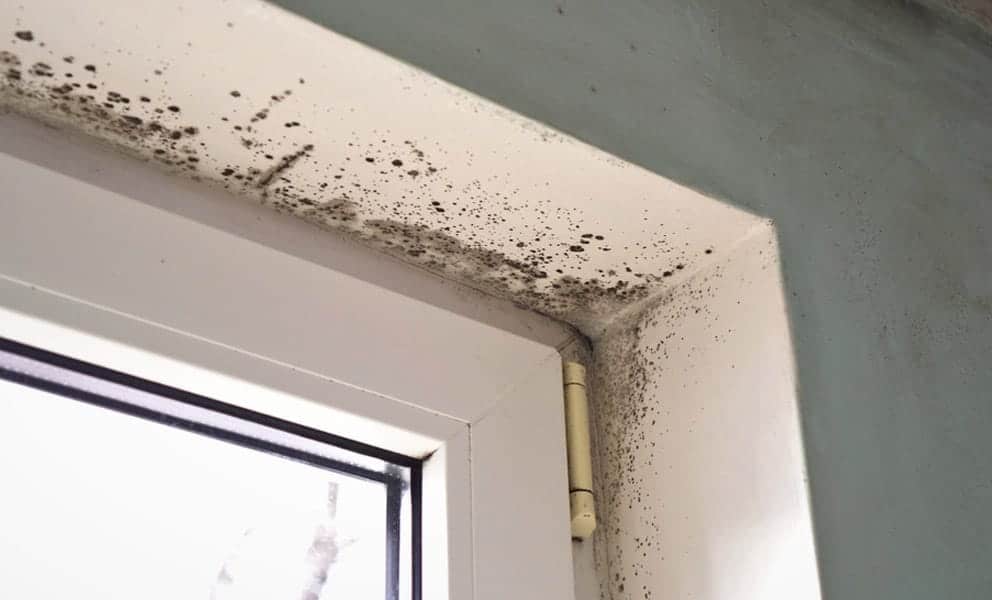
- Mold growth: Black patches, musty smells, and health risks.
- Damage to paint and plaster: Peeling, bubbling, or stains.
- Allergic reactions or asthma: Mold spores can make breathing harder, especially for children and older adults.
- Structural problems: Over time, moisture weakens walls and can lead to bigger repairs.
Ignoring condensation is never a good idea. The sooner you act, the easier it is to fix.
How To Identify Condensation (not Another Problem)
Before you try to solve the issue, make sure the moisture is really from condensation—not a leak or rising damp. Here’s how to tell:
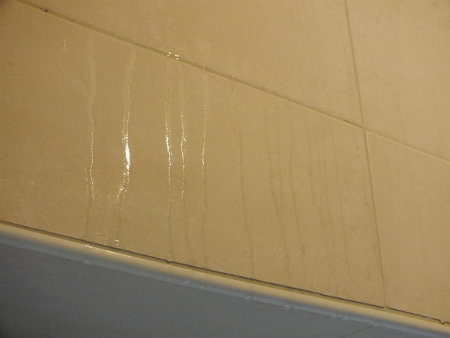
- Condensation: Water beads on cold walls/windows, especially in the morning. Often near windows or on outside-facing walls. Usually appears in winter.
- Penetrating damp: Moisture patches after rain, usually on one wall, may feel cold and wet.
- Rising damp: Moisture at the bottom of ground-floor walls, often with a tide mark.
If you’re not sure, try sticking some clear tape to the wet patch overnight. If water forms under the tape, it’s probably condensation. If above, it may be a leak.
Essential Steps To Stop Condensation On Bedroom Walls
Let’s break down the proven steps that really work—whether your condensation is mild or severe.
1. Reduce Moisture In The Air
The less water vapor in your bedroom, the less likely it will turn to droplets on your walls.
Control Everyday Sources
- Dry clothes outside if possible. Clothes dry indoors add a lot of water to the air.
- Keep lids on pans when cooking and use kitchen fans.
- Avoid long, hot showers with the door open. Steam travels.
- Don’t use unvented gas heaters in bedrooms—they add moisture.
Use A Dehumidifier
A dehumidifier pulls water out of the air and collects it in a tank. For bedrooms, choose one that’s quiet and suitable for the room size (usually 10–20 pints per day for a standard room).
Pro tip: Place the dehumidifier away from walls and furniture for best air flow.
2. Increase Bedroom Ventilation
Moving moist air outside is key to preventing condensation.
Open Windows Regularly
Even just 10–15 minutes of fresh air can lower humidity a lot. Try airing the bedroom each morning, especially after sleeping.
Use Trickle Vents
Modern windows often have small vents at the top. These let air flow in and out, even when the window is closed. If you have them, leave them open.
Consider Mechanical Ventilation
If you can’t open windows (for safety or cold weather), a ventilation system like a Positive Input Ventilation (PIV) unit or extractor fan can help. PIV units push fresh air in, while fans pull moist air out.
Non-obvious insight: Never block bedroom air bricks or wall vents—they are there for a reason, even if they seem drafty.
3. Keep Bedroom Walls Warm
The warmer your walls, the less likely condensation forms.
Improve Insulation
Adding internal wall insulation or insulated wallpaper can help. Even a thin layer makes a big difference. If you’re redecorating, look for special insulating plasterboard.
Move Furniture Away From Walls
If your bed or wardrobe is flush against a cold wall, air can’t move and moisture collects. Leave at least 2–3 inches between furniture and walls.
Use Radiators Or Heaters
Try to keep your bedroom temperature steady—ideally 60–64°F (16–18°C). Sudden changes from warm to cold boost condensation.
Thermal Paints
Some paints contain tiny beads that reflect heat back into the room, keeping wall surfaces warmer.
4. Address Existing Mold And Damp
If you already have black spots or musty smells, don’t just paint over them. Treat the problem first.
Safe Mold Removal
- Wear gloves and a mask.
- Use a fungicidal spray or a mix of water and white vinegar (not bleach—it doesn’t kill mold roots).
- Wipe with a damp cloth and rinse. Don’t brush dry mold, as it spreads spores.
Remove Damaged Paint Or Wallpaper
If paint is peeling, scrape it off gently. Let the wall dry fully before redecorating.
Dry Out The Room
After cleaning, use a fan or dehumidifier to speed up drying.
Non-obvious insight: Always wash cleaning cloths or throw them away after mold removal, or you may spread spores to other rooms.
5. Check For Hidden Problems
Sometimes, condensation is worse because of hidden issues.
Faulty Gutters Or Downpipes
If water leaks down the outside wall, it can make inside walls colder, leading to more condensation. Check for blocked or broken gutters.
Poor Window Seals
Gaps let cold air in, cooling the wall and window. Replace old seals or add draft excluders.
Cracked Render Or Brickwork
Small cracks outside can let dampness in. Repair any visible cracks with appropriate filler.
6. Use Smart Bedroom Habits
Changing small daily habits can reduce condensation.
- Keep doors shut when you shower or cook.
- Hang damp towels in the bathroom, not the bedroom.
- Don’t overcrowd wardrobes—air needs to circulate to avoid mold on clothes.
- Open closet doors for a few minutes each day, especially if they’re on outside walls.
- Use moisture absorbers (like silica gel or special crystals) in problem spots, such as behind furniture.
7. Track Humidity And Temperature
A hygrometer is a small tool that measures humidity. Ideal bedroom humidity is 40–60%. If it’s often above 65%, you have a moisture problem.
Place the hygrometer away from windows and doors for best readings. Some advanced models record daily patterns, helping you spot when and why condensation happens.
Bedroom Materials That Make A Difference
The materials in your bedroom affect condensation. Here’s how some common items compare:
| Material | Effect on Condensation | Notes |
|---|---|---|
| Plasterboard | High risk | Absorbs moisture, can grow mold |
| Brick | Medium risk | Stays cold, but less absorbent |
| Insulated plasterboard | Low risk | Keeps wall surface warmer |
| Paint with anti-condensation additive | Lower risk | Reflects heat, dries faster |
| Vinyl wallpaper | Medium risk | Hides moisture but doesn’t fix it |
Tip: If you plan to redecorate, choose paints or wallpapers designed to resist condensation and mold.
Comparing Solutions: What Works Best?
With so many options, it helps to compare the most common ways to reduce condensation in bedrooms:
| Solution | Cost | Effectiveness | Maintenance |
|---|---|---|---|
| Opening windows daily | Free | High if done regularly | Low |
| Dehumidifier | $$ (medium) | Very high | Empty tank weekly |
| Wall insulation | $$$ (high) | Very high | None after install |
| Extractor fan | $$ (medium) | High | Clean filter yearly |
| Anti-mold paint | $ (low) | Medium | Repaint every 3–5 years |
No single solution fits every home. Combining several methods is usually the most effective.
Credit: corksoluk.com
When To Call A Professional
If you’ve tried all the steps above and still see condensation, it may be time for expert help. Call a professional if:
- Mold keeps coming back, even after treatment.
- You suspect a hidden leak or rising damp.
- Condensation is so bad that water runs down the walls daily.
- The air feels stuffy or you notice a strong musty smell.
A qualified surveyor can check for hidden problems and suggest long-term fixes.
Real-world Example: Solving Bedroom Condensation
Maria noticed black spots behind her wardrobe in winter. She tried cleaning the mold, but it returned. Here’s what finally worked for her:
- She moved her wardrobe 4 inches away from the wall.
- She bought a small, quiet dehumidifier and ran it every night.
- She opened the window for 10 minutes each morning.
- She repainted the wall with anti-mold paint after cleaning.
- She started using a hygrometer to check humidity.
Within two weeks, the wall stayed dry and the musty smell disappeared. Maria realized she had made a common mistake: cleaning mold but not reducing moisture or improving ventilation.
How Humidity And Temperature Interact
Many people don’t realize how quickly air temperature affects condensation. Warm air holds more moisture—when it cools, excess moisture turns to water.
For example:
- Air at 70°F (21°C) and 60% humidity holds about twice as much water as air at 50°F (10°C) and 60% humidity.
- If you heat a cold room quickly, you may see condensation on cold walls or windows.
Practical advice: Try to keep your bedroom temperature steady rather than turning the heat on and off.
Common Mistakes To Avoid
Sometimes, what seems like a solution actually makes things worse. Watch out for these mistakes:
- Blocking air vents or trickle vents to “keep heat in”—this actually traps moisture.
- Drying lots of laundry in the bedroom without ventilation.
- Using bleach on mold—it can damage walls and doesn’t always kill mold roots.
- Putting furniture flush against outside walls.
- Ignoring regular cleaning—dust and dirt feed mold.
- Painting over mold without treating it first—mold will just come back.
Practical Tips For Every Season
Winter
- Keep windows slightly open or use trickle vents.
- Use a dehumidifier if the air feels damp.
- Don’t overfill the room with furniture or textiles.
Summer
- Open windows wide when possible.
- Use a fan to circulate air.
- Check for condensation after rainy days—sometimes, even summer nights can cause damp walls.
Rainy Or Humid Weather
- Close windows during heavy rain.
- Use extractor fans in bathrooms and kitchens.
- Check outside walls for leaks or cracks.
Diy Vs. Professional Solutions: A Quick Guide
| Method | Can Do Yourself? | When to Call a Pro |
|---|---|---|
| Opening windows, using dehumidifiers | Yes | Only if ineffective after 2–3 weeks |
| Installing wall insulation | No (unless skilled DIYer) | If unsure or for large areas |
| Cleaning mold | Yes (mild cases) | For big or black patches |
| Repairing gutters or leaks | Sometimes | For high or hard-to-reach places |
| Installing mechanical ventilation | No | Always hire a professional |
Moisture And Health: What You Should Know
Condensation isn’t just about building damage. Mold and damp can cause:
- Asthma attacks
- Coughing, sneezing, sore throat
- Skin rashes
- Worsened allergies
Children, older adults, and people with weak immune systems are most at risk. If you see mold, act quickly to protect your family’s health.
According to the World Health Organization, about 10–50% of homes in Europe and North America have indoor dampness or mold problems. Don’t think your home is the only one—this is a common issue, but it can be solved.
When It’s Not Condensation
Sometimes, a wall feels damp but it’s not from condensation. Other possible causes:
- Leaking pipes inside walls
- Rising damp (water moving up from the ground)
- Penetrating damp (rain coming through walls)
If the damp patch stays wet all year or gets worse after rain, it’s worth getting it checked by a professional.
Credit: www.eco-home-essentials.co.uk
How To Prevent Condensation Long-term
Stopping condensation is not a one-time fix—it’s about ongoing habits and sometimes home improvements. Here’s how to keep walls dry for good:
- Check rooms each season for signs of damp or mold.
- Clean and maintain extractor fans and vents.
- Keep an eye on humidity with a hygrometer.
- Don’t skip small repairs—fix cracks, leaks, or broken seals quickly.
- Upgrade insulation when you renovate.
- Educate everyone in your home about good habits (ventilation, not drying clothes inside, etc. ).
For more details on moisture control, visit the EPA’s Mold Basics page.
Frequently Asked Questions
Why Does Condensation Happen More In Winter?
In winter, outside temperatures drop and walls become colder. Warm air inside holds more moisture, but when it touches cold surfaces, water vapor turns into droplets. Less ventilation (because windows are kept closed) also increases the risk.
Is Condensation Harmful To My Health?
Yes, if it leads to mold growth. Mold spores can cause breathing problems, allergic reactions, and worsen asthma, especially in children and older adults.
Will A Dehumidifier Solve All My Condensation Problems?
A dehumidifier helps a lot, but it works best when combined with good ventilation and insulation. It won’t fix hidden leaks or structural issues.
How Can I Tell If My Damp Wall Is From Condensation Or A Leak?
Condensation usually appears as water beads or mist on cold surfaces, especially in the morning or after sleeping. A leak often causes a specific wet patch that feels cold and stays wet. If unsure, call a professional.
Can I Paint Over Mold To Hide It?
No. Painting over mold only hides the problem for a short time. The mold will come back and may damage paint or wallpaper. Always clean and treat the wall first, then use anti-mold paint.
Taking action now will save you time, money, and stress later. By understanding what causes condensation and following these practical steps, you can enjoy a dry, comfortable, and healthy bedroom every day.

Credit: www.reddit.com