
Condensation on your front door can be a frustrating and even damaging problem. Every winter, millions of homeowners notice droplets forming on their entry doors. This moisture can lead to mold, wood rot, peeling paint, or just make your home less comfortable.
But why does this happen—and what can you do to stop it for good? Let’s look at the causes, the risks, and—most importantly—practical steps you can take to solve condensation on your front door.
Why Does Condensation Form On Front Doors?
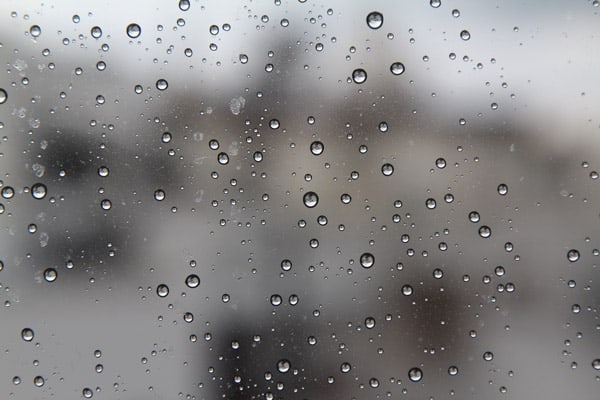
Condensation appears when warm, moist indoor air meets a cold surface—in this case, your front door. The water vapor in the air turns into liquid droplets. It’s the same effect you see on a cold soda can in summer, but in your home, it can be a sign of other issues.
Several factors make condensation worse:
- High indoor humidity
- Poor ventilation
- Cold temperatures outside
- Inefficient doors or glass
Sometimes, condensation is simply a sign that your home is well-sealed and holding in moisture. But it can also point to a ventilation or insulation problem.
Risks Of Ignoring Condensation
You might think, “It’s just water. Is it really that bad?” Unfortunately, ignoring condensation can lead to bigger problems:
- Mold and mildew growth on and around your door, which can trigger allergies or asthma.
- Wood rot if your door, frame, or threshold is made of wood.
- Peeling paint or damage to your door’s finish.
- Reduced energy efficiency as wet insulation loses its effectiveness.
- Ice buildup in colder climates, which can make your door stick or warp.
Many homeowners spend hundreds or thousands of dollars fixing damage that started with a little condensation. That’s why stopping it early is so important.
Understanding Humidity And Air Movement
The main reason for condensation is high humidity inside your home. The Environmental Protection Agency (EPA) recommends keeping indoor humidity between 30% and 50% for comfort and safety. When humidity rises above 60%, condensation is much more likely.
Air movement is also crucial. Stagnant air near your front door lets moisture collect. Good air circulation helps keep surfaces dry.
Here’s a simple way to check your humidity:
- Buy a digital hygrometer (humidity gauge) from a hardware store.
- Place it near your front door.
- If you see readings over 50-55%, you may need to reduce humidity.
Main Causes Of Front Door Condensation
Several things can make condensation on your front door worse:
- Weather extremes: When outdoor temperatures drop below freezing, your door can become a cold “magnet” for indoor moisture.
- Single-pane glass: If your door has a glass insert, single-pane glass is much colder than double- or triple-pane.
- Uninsulated doors: Metal or wood doors without insulation lose heat quickly.
- Closed blinds or curtains: Coverings trap cold air against the glass or door surface.
- Nearby humidifiers or plants: These can push up humidity in your entryway.
Credit: www.4feldco.com
How To Stop Condensation On Front Door
Now, let’s go step by step through proven methods to stop condensation—short-term fixes, long-term solutions, and expert tips.
1. Reduce Indoor Humidity
Lowering humidity is the best way to stop condensation.
- Use exhaust fans: Run bathroom and kitchen fans during showers or cooking.
- Vent your dryer: Make sure your clothes dryer vents outside, not indoors.
- Shorter showers: Less steam means less humidity.
- Cover pots while cooking: This keeps water vapor out of the air.
- Open windows: Even a few minutes per day can help, especially after showers.
- Move houseplants: Large numbers of plants add moisture. Move them away from the door.
A dehumidifier can be especially helpful in winter. Place it near the entryway for extra moisture control.
2. Improve Air Circulation Around The Door
Moving air helps dry wet surfaces and prevents moisture from building up.
- Leave interior doors open: This lets air flow freely.
- Use a fan: Point a small fan at the door during humid days.
- Don’t block floor vents: Make sure heating vents near the door aren’t covered by rugs or shoes.
- Open blinds or curtains: Letting warm indoor air reach the door keeps it dry.
Some people overlook this, but simply moving furniture away from the entryway can make a big difference.
3. Upgrade Your Front Door
If your door is old, single-pane, or uninsulated, it will always be colder—and attract more condensation.
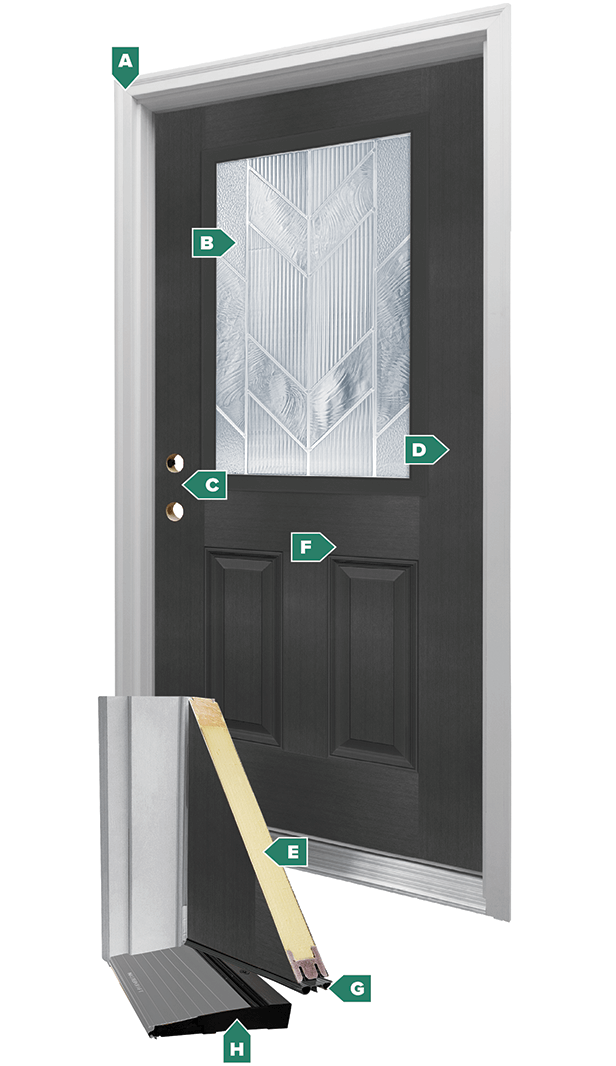
- Install an insulated door: Modern doors often have a foam core for better insulation.
- Choose double- or triple-pane glass: If your door has a window, better glass stays warmer.
- Add a storm door: This creates a thermal barrier and blocks cold air.
Here’s a comparison of common front door types:
| Door Type | Insulation Level | Condensation Risk | Average Cost (USD) |
|---|---|---|---|
| Solid Wood | Low (unless insulated) | High | $500 – $2,000 |
| Steel with Foam Core | High | Low | $300 – $1,000 |
| Fiberglass | High | Low | $600 – $2,000 |
| Single-pane Glass Insert | Very Low | Very High | $200 – $400 |
| Double-pane Glass Insert | Medium/High | Low | $400 – $800 |
Tip: If you can’t afford a new door, consider adding insulation around the edges or installing a removable window film for extra warmth.
4. Seal Air Leaks And Weatherproof
Small cracks or gaps let cold air in and warm air out, making condensation worse.
- Add weatherstripping: Self-adhesive foam strips seal gaps around the door.
- Install a door sweep: This attaches to the bottom of the door and blocks drafts.
- Caulk gaps: Use outdoor caulk around the door frame.
- Check the threshold: Replace cracked or worn thresholds.
Not only does sealing leaks reduce condensation, but it can also lower your energy bills by up to 10-15%.
5. Use Storm Doors Or Secondary Glazing
A storm door adds another layer between the cold outside and your warm entryway. This buffer zone keeps the inner door surface warmer.
- Choose vented storm doors: Models with adjustable vents let moisture escape.
- Consider secondary glazing: For doors with glass, a second layer of acrylic or glass can reduce heat loss.
A storm door can cut heat loss by about 50%, especially if your main door is older.
6. Apply Anti-condensation Coatings
There are special anti-condensation sprays and coatings for glass and metal. These products create a thin, invisible film that helps water spread out or evaporate faster.
- Clean the door/glass first.
- Apply the coating as directed.
- Reapply every few weeks for best results.
While not a permanent fix, these coatings can reduce visible water and make cleaning easier.
7. Increase Door Surface Temperature
The warmer your door surface, the less likely condensation will form.
- Use a space heater: Point it toward the entry (safely, and never overnight).
- Adjust HVAC vents: Make sure warm air blows toward the door if possible.
- Install heated mats: These can warm the threshold area.
Even a small temperature increase can make a big difference.
8. Rethink Entryway Design
Sometimes, the way your entryway is built or decorated can make condensation worse.
- Remove heavy drapes or curtains: These trap cold air.
- Choose open shelving: Closed cabinets or benches can restrict airflow.
- Avoid thick carpets: They hold moisture near the floor.
If you’re planning a remodel, consider designs that keep the area open and well-ventilated.
9. Monitor And Control Moisture Sources
Many homes have hidden moisture sources that raise indoor humidity.
- Check for plumbing leaks: Even small leaks add moisture.
- Use lids on aquariums: Open tanks increase humidity.
- Dry wet shoes and coats outside: Wet items add water to the air.
A surprising number of homes have chronic condensation because of a small, unnoticed leak or habit.
10. Regular Maintenance And Cleaning
Moisture can build up in dirt and debris.
- Clean door tracks and sills: These can collect water and mold.
- Wipe down door surfaces: Use a dry cloth to remove condensation each morning.
- Inspect paint or finish: Damaged finishes absorb water.
Regular cleaning doesn’t stop condensation, but it prevents mold and wood damage.
11. Use Moisture Absorbers
There are simple products that can help absorb extra moisture.
- Silica gel packs: Place them near the door or in shoe racks.
- Calcium chloride tubs: These pull moisture from the air.
- Charcoal bags: Natural and reusable, they help keep air dry.
Here’s a comparison of common moisture absorber types:
| Absorber Type | Effectiveness | Cost (USD) | Reusable? |
|---|---|---|---|
| Silica Gel Packs | Low/Medium | $5 – $20 | Yes |
| Calcium Chloride Tubs | High | $10 – $30 | No |
| Charcoal Bags | Medium | $10 – $25 | Yes |
| Electric Dehumidifier | Very High | $50 – $200 | Yes |
Moisture absorbers are best for small entryways or short-term use. For large homes, a real dehumidifier works better.
12. Consider Smart Home Tools
Modern technology can help you monitor and control humidity and temperature.
- Smart thermostats: Some models show humidity and alert you to problems.
- Wi-Fi humidity sensors: Place one near the door and get alerts on your phone.
- Automated fans: These turn on when humidity gets too high.
With smart tools, you don’t have to guess—you’ll know exactly when and why condensation is happening.
13. Check For Hidden Insulation Problems
Sometimes, condensation is a sign of a bigger issue.
- Poor wall insulation: Cold air leaks behind the door frame.
- Uninsulated floors or ceilings: Entryways with tile floors or open ceilings lose heat quickly.
- Gaps around side lights or transoms: Glass panels next to the door can be a weak point.
If you’ve tried everything else, consider having a professional energy audit. They can use thermal cameras to find cold spots you can’t see.
14. Educate Your Household
Even with the best technology, human habits matter.
- Teach family members to use fans and open doors when needed.
- Set a humidity “goal” for your home and track it together.
- Make it a habit to wipe away condensation each morning.
Often, condensation is worse in homes where people don’t realize their actions add moisture to the air.
15. When To Call A Professional
Not every condensation problem can be solved with DIY fixes.
- If you see mold or wood rot: Get help before damage spreads.
- If you have ongoing water leaks: A plumber can check for hidden problems.
- If your door is warped or damaged: A contractor can recommend repair or replacement.
Home inspectors and energy auditors can also help find the root cause.
Common Mistakes When Trying To Stop Condensation
It’s easy to make mistakes when fighting condensation. Here are two that many people miss:
- Turning up the heat only: Warmer air holds more moisture. Without ventilation, this can make condensation worse. Always combine heat with airflow.
- Sealing everything too tightly: If you block all airflow, moisture gets trapped inside. Always balance insulation with ventilation.
Many homeowners replace their doors or windows only to find the problem returns. Addressing humidity and airflow is the key.
Credit: www.mastercraftdoors.com
Prevention Is Better Than Cure
The best way to stop condensation is to prevent high humidity and keep your door warm and dry. Here’s a summary action plan:
- Measure and control indoor humidity (aim for 30-50%).
- Improve air circulation around your front door.
- Upgrade or insulate your door if possible.
- Use weatherstripping and caulk to seal leaks.
- Add storm doors or extra glazing for glass inserts.
- Wipe away any condensation daily to prevent mold.
- Educate everyone in your home about habits that add moisture.
Real-world Example
Consider a family in Minnesota: Every winter, they saw water pooling at their front door. They installed a new insulated steel door and added a storm door, but the problem did not go away. Only after moving their humidifier to another room and running the bathroom fan after showers did the condensation finally stop.
This shows that sometimes, the simplest changes—like moving plants, adjusting habits, or using a fan—can be more effective than expensive upgrades.
Is Condensation Ever A Good Sign?
A small amount of condensation can mean your home is well-sealed and energy-efficient. However, too much means your home isn’t “breathing” enough. The goal is balance: Comfortable humidity, good air movement, and a dry, healthy entryway.
Practical Tips For Winter Months
- Don’t dry clothes indoors if you can avoid it.
- Set your humidifier lower in winter.
- Open your entry door for a few minutes each day to let out moist air.

Credit: www.reddit.com
When Condensation Is An Emergency
If you see water running down your door, puddles forming, or notice a musty smell, act quickly. Mold can start growing in 24-48 hours. Wipe surfaces dry and use fans or dehumidifiers until the problem is solved.
Frequently Asked Questions
What Is The Ideal Indoor Humidity To Prevent Condensation On My Front Door?
Aim for 30-50% humidity inside your home. Levels above 55% increase the risk of condensation on cold surfaces. Use a digital hygrometer to monitor and adjust humidity as needed.
Will A New Front Door Stop Condensation Completely?
Not always. While an insulated door can help, you must also control indoor humidity and improve airflow. If you only replace the door, but keep high humidity, condensation may return.
Can I Use Plastic Film Or Window Kits On My Door?
Yes, removable window insulation kits can help if your door has glass inserts. They add a layer of air that slows down heat loss and keeps the surface warmer, reducing condensation.
Is Condensation On The Outside Of My Front Door A Problem?
No, exterior condensation usually means your door or glass is very energy-efficient. It happens when outdoor humidity is high and the surface is cooler than the air. Only interior condensation is a concern for damage.
Where Can I Learn More About Indoor Air Quality And Moisture Control?
The Environmental Protection Agency (EPA) has detailed guides on humidity, ventilation, and condensation. Visit EPA Indoor Air Quality for more tips.
Stopping condensation on your front door is possible with the right mix of moisture control, insulation, and ventilation. With these steps, you can keep your entryway dry, healthy, and welcoming all year round.