
Keeping a barn door from swinging can feel like an endless fight, especially when wind, animals, or even gravity keep working against you. Many people love the look and function of barn doors—they save space, look stylish, and are easy to use. But a swinging barn door can cause damage, make noise, and even become dangerous if not handled right. If you want to stop your barn door from swinging, you need the right mix of hardware, smart installation, and a little know-how. This guide will walk you through every step, from understanding why your barn door swings to installing solutions that really work.
Why Do Barn Doors Swing?
Before you jump to solutions, it helps to know why your barn door swings in the first place. Most barn doors are hung with a track system above the door, allowing the door to slide smoothly left and right. However, these doors often have nothing keeping the bottom stable. Here are the main reasons barn doors swing:
- Wind: Strong breezes can easily push a lightweight door.
- Uneven Floors: If the floor is not level, gravity may pull the door.
- Lack of Floor Guide: No bottom guide means the door can move freely.
- Improper Installation: Loose hardware or poor mounting can cause movement.
- Animal Contact: Livestock brushing against the door causes it to swing.
Understanding these root causes will help you pick the best fix for your situation.
Types Of Barn Doors And Swinging Risks
Not all barn doors are the same. Each type has its own risks for swinging and may need a different approach.
Sliding Barn Doors
The most common type, sliding barn doors, move on a horizontal track. They are especially prone to swinging because the track only holds the top.
Hinged Barn Doors
Hinged barn doors swing open like a regular house door. However, if the hinges are loose or the door is light, wind or animals may move the door too much.
Double Barn Doors
With double doors, each door moves separately. This makes them more likely to swing if there is no coordination between the two leaves.
Exterior Vs. Interior Barn Doors
Exterior barn doors face wind, rain, and animals. Interior barn doors are usually safer but can still swing if not installed properly.
| Type of Barn Door | Common Swinging Cause | Best Solution |
|---|---|---|
| Sliding | Lack of floor guide, wind | Floor guide, anti-sway hardware |
| Hinged | Loose hinges, wind | Adjust hinges, use door stops |
| Double | Poor alignment, wind | Center latch, floor guide |
| Exterior | Wind, animals | Wind locks, bottom guide |
| Interior | Loose hardware, pets | Floor guide, soft closers |
Credit: thebarndoorhardwarestore.com
The Role Of Hardware In Preventing Swing
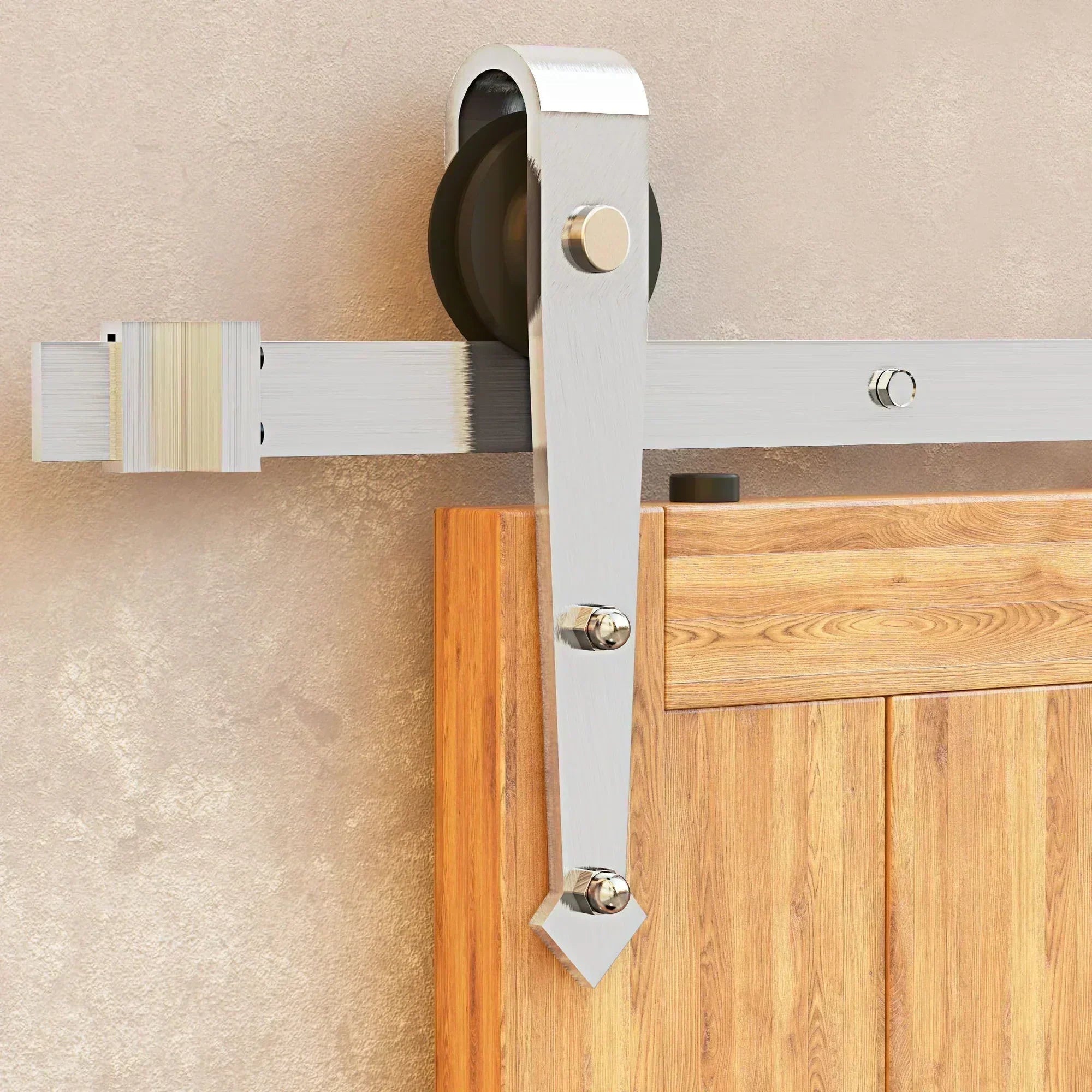
Choosing the right hardware is the first step in stopping barn door swing. Many people overlook this and try quick fixes, but quality hardware is key.
Floor Guides
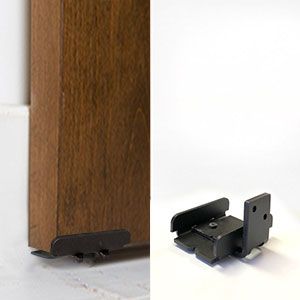
A barn door floor guide is a small device fixed to the floor at the bottom of the door. It holds the door in place and prevents side-to-side movement. There are several types:
- U-Channel Guides: A channel holds the bottom edge of the door.
- Roller Guides: Small wheels roll along the door’s edge.
- Wall-Mounted Guides: Attached to the wall, not the floor.
A floor guide should match the thickness of your door. Measure the bottom width before buying.
Anti-sway Brackets
Anti-sway brackets mount to the wall or floor and press lightly against the door. They add friction, which reduces swinging but still allows smooth sliding.
Soft Close Mechanisms
Soft close systems use dampers to gently slow the door as it reaches the end of its track. They reduce sudden movement, which can help limit swinging, especially indoors.
Door Stops
For hinged barn doors, a good door stop prevents the door from swinging too far or slamming into walls.
Wind Locks And Latches
For exterior doors, wind locks and latches hold the door closed when not in use. They’re essential in windy locations or barns with animals.
| Hardware | Prevents Swing? | Best For |
|---|---|---|
| Floor Guide | Yes | Sliding doors |
| Anti-Sway Bracket | Partially | Sliding doors |
| Soft Close | Minimally | Interior doors |
| Door Stop | Yes | Hinged doors |
| Wind Lock/Latch | Yes | Exterior doors |
How To Install A Floor Guide
One of the most reliable ways to keep a barn door from swinging is to use a floor guide. Here’s how you can do it, even if you are not a professional.
Tools And Materials
- Floor guide kit
- Screwdriver or drill
- Measuring tape
- Pencil
- Screws (usually included)
Steps
- Close the Door: Slide the door to the closed position.
- Mark the Position: Place the floor guide at the bottom edge of the door. Make sure it is centered and lines up with the door’s movement.
- Check Clearance: The guide should be snug but not tight. The door must slide smoothly.
- Mark Screw Holes: Use a pencil to mark where the screws will go.
- Pre-Drill Holes: If installing into concrete, use a masonry bit and anchors.
- Screw in the Guide: Attach the guide to the floor.
- Test the Door: Slide the door several times to make sure it does not rub or stick.
Tips
- For uneven floors, use shims to level the guide.
- Some guides are adjustable—choose one if your floor is not perfectly flat.
Other Ways To Prevent Swinging
A floor guide is not the only way to fix a swinging barn door. Depending on your needs, you may want to combine several methods for the best result.
Adjust The Track System
If the track is loose or not level, the door will move more than it should. Check that all screws are tight and the track is straight.
- Use a level to check alignment.
- Tighten any loose mounting brackets.
- Add extra screws if needed for support.
Install Anti-sway Brackets
These brackets are easy to add and do not require drilling into the floor. They gently hug the door, adding just enough friction to keep it stable.
- Mount the bracket so it touches the top corner or side of the door.
- Adjust the bracket until it holds the door without making it hard to slide.
Add A Bottom Rail
Some barn doors have a bottom rail—a small groove cut into the bottom of the door that slides over a fixed guide. This is common on heavy-duty barn doors.
- Cut a groove using a router (if you are comfortable with tools).
- Install a metal or plastic floor guide into the groove.
Use A Door Catch Or Magnetic Stop
A door catch or a magnetic stop can hold the door in place when fully open or closed. This is helpful for double doors or exterior doors.
- Mount the catch or magnet to the wall or floor where the door stops.
- Attach the metal plate to the door.
Secure With A Wind Lock Or Latch
If your barn is in a windy area, you may need a wind lock or a simple latch to keep the door shut when not in use. This prevents strong gusts from swinging the door open.
- Choose a latch made from rust-proof material if outdoors.
- Mount at the bottom or side of the door for best strength.
Adjust Hinges (for Hinged Barn Doors)
Loose or worn hinges can make a barn door swing more than it should. Regularly check and tighten hinges.
- Replace any hinges that are bent or rusty.
- Use longer screws for added support.
Use Door Stops
A basic door stop can prevent a hinged barn door from swinging too far and damaging the wall.
- Choose a heavy-duty rubber or metal stop.
- Mount to the floor or wall where the door would hit.
Common Mistakes To Avoid
Trying to stop your barn door from swinging can sometimes make things worse if done incorrectly. Here are some mistakes people often make:
- Using the Wrong Size Floor Guide: Too large and the door rattles, too small and it gets stuck.
- Skipping the Floor Guide: Thinking the track alone is enough.
- Using Cheap Hardware: Low-quality guides and brackets wear out quickly.
- Mounting Guides Off Center: This causes uneven wear and more swing.
- Not Checking for Level: Both the track and the floor must be level.
- Ignoring Wind and Weather: For exterior doors, always use a latch or lock.
- Over-Tightening Brackets: This can damage the door or make it hard to slide.
Avoiding these mistakes will save you both time and money.
Credit: barndoorhardware.com
Practical Examples
Let’s look at two real-world cases to see how these solutions work.
Example 1: Sliding Barn Door In A Windy Barn
A farmer in Kansas had a heavy wooden barn door that swung wildly every time the wind picked up. He installed a U-channel floor guide and a wind lock latch. The floor guide kept the door sliding straight, and the latch held it tight when closed. After this, the door only moved when he wanted it to.
Example 2: Interior Barn Door In A Modern Home
A homeowner installed a sliding barn door between the kitchen and laundry. The floor was uneven, so a wall-mounted roller guide was used instead of a floor-mounted one. This kept the door from swinging and was less noticeable. A soft-close damper was also added for quiet use.
How To Choose The Right Solution
Not every barn door or location is the same. Here’s how to pick the best method for your situation.
- Measure Your Door: Know the thickness and weight.
- Check the Floor: Is it level? Carpeted? Concrete?
- Indoor or Outdoor? Exterior doors need weatherproof hardware.
- Who Will Use the Door? Kids, animals, or strong winds may require extra security.
- Aesthetics: Some guides are more visible. Choose what fits your style.
If you are unsure, start with a floor guide—it is the most effective and least noticeable fix for most sliding barn doors.
Comparing Different Floor Guide Types
It helps to compare the most common floor guides side by side.
| Guide Type | Best For | Pros | Cons |
|---|---|---|---|
| U-Channel | Heavy doors | Strong, reliable | Visible, may collect dirt |
| Roller | All doors | Quiet, smooth | May wear out over time |
| Wall-Mounted | Uneven floors | No floor drilling | Less support for very heavy doors |
Maintenance Tips
Even the best hardware will only last if you take care of it. Here are some tips for long-lasting, swing-free barn doors:
- Clean the track and guides: Dirt and dust can block movement.
- Check and tighten screws: Do this at least twice a year.
- Lubricate moving parts: Use a dry lubricant for rollers and guides.
- Inspect for damage: Look for cracks or bends in the track and guides.
- Replace worn parts: Guides and rollers can wear out after years of use.
Many people forget these simple steps. Regular maintenance prevents most problems.

Credit: www.amazon.sg
Non-obvious Insights Most Beginners Miss
Here are two things most people don’t realize until they run into problems:
- Humidity Changes Can Affect Swing: Wood doors expand and contract with moisture. This may change the gap at the bottom, causing the door to rub or swing more. If you live in a very humid or dry area, check your door seasonally.
- Animals Can Damage Guides: In working barns, animals sometimes kick or chew on floor guides. Metal guides are best for outdoor barns, while plastic or nylon may be safer indoors.
When To Call A Professional
Most barn door swing problems can be fixed with basic tools. But if you notice:
- The door is very heavy or hard to control.
- The track is bent or coming out of the wall.
- You’re not comfortable with power tools.
It’s smart to call a professional installer. They can make sure the door is safe and secure, and may suggest upgrades you didn’t consider.
Where To Buy Reliable Hardware
Look for barn door hardware at building supply stores, farm supply centers, or online. Choose brands with good reviews. For in-depth hardware guides, you can check resources like Wikipedia to learn more about barn doors and their history.
Frequently Asked Questions
What Is The Best Way To Keep A Sliding Barn Door From Swinging?
The best way is to install a floor guide that matches your door’s thickness. This will keep the door sliding straight and prevent side-to-side swing.
Can I Stop A Barn Door From Swinging Without Drilling Into The Floor?
Yes. Use a wall-mounted floor guide or an anti-sway bracket. These attach to the wall and do not require drilling into the floor, making them ideal for renters or uneven surfaces.
How Much Does It Cost To Fix A Swinging Barn Door?
A simple floor guide kit can cost $10–$30. More advanced systems (soft close, heavy-duty latches) may cost up to $100. Professional installation may add $100–$200 depending on complexity.
Will Weather Affect My Barn Door’s Swing?
Yes. Wind, humidity, and temperature changes can all affect how much your barn door swings. Use weatherproof hardware for exterior doors and check for swelling or shrinking in wood doors.
Are There Any Diy Solutions For Keeping A Barn Door From Swinging?
You can make a basic floor guide from scrap wood or metal, but commercial guides are safer and longer-lasting. For very light doors, even a simple rubber door stop may help, but for best results, use hardware made for barn doors.
A barn door should make life easier, not harder. With the right hardware, a little planning, and regular checks, you can keep your barn door steady, safe, and swinging only when you want it to.