
If you have a glass front door, you probably love the natural light it brings into your home. But sometimes, that same glass can make you feel exposed. Privacy is important, especially at your main entrance. Strangers shouldn’t see directly into your living room, hallway, or family space every time they walk by. The good news is, there are many ways to cover a glass front door for privacy—without giving up style or all that beautiful light.
This guide gives you practical solutions, from quick DIY options to more permanent ideas. You’ll learn about window films, curtains, blinds, and other creative approaches. Each method has its own pros and cons, and you’ll see honest advice on what really works.
Whether you rent or own, have a modern or traditional home, you’ll find an option that fits your needs and your budget.
Let’s explore the best ways to cover your glass front door for privacy, so you can feel comfortable and secure—without blocking out the light you love.
Why Privacy Matters For A Glass Front Door
Your front door is where your home meets the outside world. For many houses and apartments, a glass front door is a design choice that welcomes light and gives a modern, open feeling. But this openness comes with a price: visibility. Anyone outside can see in, which may feel uncomfortable or even unsafe.
Privacy means more than just blocking the view. It’s about controlling what people see. You might want total privacy at night, but still enjoy sunlight during the day. Or maybe you want to add a little style along with privacy.
Thinking about these needs will help you choose the right solution.
Many people also worry about security. Burglars often look through glass doors to spot valuables or check if someone is home. Covering your glass front door makes it harder for them to “case” your house, which can be a real deterrent.
Key Factors To Consider Before Choosing A Privacy Solution
Before you buy anything, ask yourself these important questions:
1. How Much Privacy Do You Need?
Do you want complete coverage, or just enough to blur the view?
2. How Much Light Do You Want?
Some solutions let in more light than others.
3. Is This A Temporary Or Permanent Change?
Renters often need options that are easy to remove.
4. What Is Your Budget?
There are options for every price range, from a few dollars to several hundred.
5. Do You Want To Add Style Or Just Privacy?
Some coverings become design features, while others disappear into the background.
6. How Much Maintenance Is Okay?
Some materials attract dust or fingerprints, while others are easy to clean.
7. Is Energy Efficiency Important?
Some solutions block heat or cold as well as prying eyes.
Understanding your needs will help you pick the best way to cover your glass front door for privacy.
Top Ways To Cover A Glass Front Door For Privacy
There is no single “best” way—only the best way for your home. Here are the most effective and popular solutions, explained in detail.
1. Frosted Window Film
Frosted window film is one of the most popular choices for privacy. It’s a thin, adhesive sheet that you stick directly onto the glass.
How It Works
The film blurs everything behind the glass, so people can’t see in clearly. Light still comes through, but shapes and faces disappear.
Installation
Most films are “static cling” and don’t use glue, so they’re easy to apply and remove. You’ll need a spray bottle, a squeegee, and a sharp blade to cut the film to size. It usually takes 30-60 minutes.
Pros
- Inexpensive (usually $10–$40 for a standard door)
- Lets in lots of light
- Easy to change or remove
- Many styles and patterns available
Cons
- May peel at the edges if not applied well
- Can show fingerprints or smudges
- Doesn’t add much insulation
Non-obvious Insight
Frosted film can be cut into custom shapes or stripes for a unique look. Try leaving a small clear border for a “framed glass” effect.
2. Privacy Glass
Some doors come with privacy glass built in. This is glass that has been specially treated or textured during manufacturing.
Types
- Frosted glass (permanently blurry)
- Seeded glass (small bubbles inside)
- Rain glass (vertical streaks look like rain)
- Reeded or ribbed glass (vertical or horizontal lines)
Pros
- Permanent and maintenance-free
- Adds value to your home
- Many textures and patterns available
Cons
- Expensive to replace or upgrade
- Not a DIY option if you want to change
Non-obvious Insight
If you want privacy glass but can’t replace your door, some glass shops can swap out just the glass panel.
3. Sheer Or Semi-opaque Curtains
Curtains aren’t just for windows. A sheer or semi-opaque curtain adds softness and privacy to your glass front door.
Choosing The Right Fabric
- Sheer curtains allow light, but blur shapes
- Linen or cotton blends offer more privacy but still let in sunlight
Mounting Options
- Tension rods (no drilling needed)
- Magnetic rods (work on metal doors)
- Standard rods (need screws)
Pros
- Easy to open and close
- Washable and changeable
- Adds color and style
Cons
- Can look messy if not hung well
- May block some light
Non-obvious Insight
Layer two curtains: sheer for daytime, heavier for night. Use a double rod so you can adjust privacy as needed.
4. Blinds (venetian, Vertical, Or Cellular)
Blinds give you maximum control. You can tilt, raise, or lower them for just the right amount of privacy.
Types
- Venetian blinds (horizontal slats)
- Vertical blinds (better for tall doors)
- Cellular shades (honeycomb design for insulation)
Installation
Most blinds mount above the door or inside the frame. Some brands offer custom-fit blinds for doors with odd sizes.
Pros
- Adjustable privacy and light
- Many styles and colors
- Some improve insulation
Cons
- Can look “office-like” if not chosen carefully
- Moving parts may wear out
Non-obvious Insight
Choose cordless blinds for safety and a cleaner look, especially if you have kids or pets.
5. Decorative Window Film
Decorative window film comes in a huge range of patterns—stained glass, geometric, floral, even custom prints.
How It Works
Like frosted film, these stick to the glass. Some are static cling, others use mild adhesive.
Pros
- Adds a unique design element
- Easy to change for holidays or seasons
- Still lets in light
Cons
- Some patterns can be busy or fade over time
- May not block as much view as solid films
Non-obvious Insight
Use decorative film on just the lower or middle part of the door for privacy where you need it, and leave the rest clear.
6. Shades (roller, Roman, Or Bamboo)
Shades are a classic window treatment that also work well on doors.
Types
- Roller shades: Simple fabric that rolls up and down
- Roman shades: Fold up into soft pleats
- Bamboo shades: Offer a natural look and partial privacy
Installation
Mount above the door or inside the frame. Some shades can be cut to fit.
Pros
- Many colors and textures
- Easy to raise or lower
- Can match other room decor
Cons
- Must be raised to use the door handle (for full coverage)
- May not fit all door shapes
Non-obvious Insight
Choose “top-down, bottom-up” shades for flexible privacy—cover just the middle or lower part of the glass.
7. Shutters
Interior shutters add a classic, upscale look and excellent privacy. They’re often called “plantation shutters.”
Types
- Full-height: Cover the whole door
- Cafe-style: Cover just the lower half
Pros
- Durable and easy to clean
- Adjust slats for light control
- Adds home value
Cons
- Expensive (can cost $300+ per door)
- Requires professional installation
Non-obvious Insight
For a budget option, look for faux wood shutters—they’re lighter and more affordable than real wood.
8. Privacy Screen Or Room Divider
A folding privacy screen can be placed in front of the door inside your entryway. This is a quick, non-permanent solution.
Pros
- No installation required
- Can be moved or folded away
- Adds an extra layer of style
Cons
- Takes up floor space
- May block heat/AC vents
Non-obvious Insight
Choose a screen with small open sections to let light through while blocking views.
9. Diy Solutions (paper, Fabric, Or Rice Paper)
If you need something fast and cheap, get creative with materials you have on hand.
Examples
- Cut parchment paper to size and tape it up
- Hang a pretty scarf or fabric panel
- Use rice paper for a Japanese-style look
Pros
- Extremely affordable
- Easy to change
Cons
- May look temporary or unfinished
- Not as durable
Non-obvious Insight
Try double-sided tape and neat edges for a cleaner look. Layering paper can create interesting light effects.
10. Exterior Window Shades Or Awnings
If you want privacy and to block sun or heat, outdoor shades or awnings can help.
Types
- Roll-down vinyl shades
- Retractable fabric awnings
Pros
- Blocks sunlight before it hits the glass
- Great for energy savings
Cons
- Needs outdoor space
- Visible from the street
Non-obvious Insight
Use a light color for the exterior shade so it blocks heat but still lets in plenty of light.
11. Stained Glass
Stained glass is an artistic, permanent privacy solution. You can replace the glass in your door or add a stained glass panel over the existing glass.
Pros
- Beautiful and unique
- Adds value and wow factor
- Total privacy
Cons
- Expensive (often $500+)
- Not DIY-friendly
Non-obvious Insight
Many artists offer custom stained glass inserts to fit your door’s exact size and style.
12. Smart Glass (switchable Privacy Glass)
Smart glass is a high-tech solution. With the flip of a switch, the glass goes from clear to frosted.
How It Works
A special film inside the glass reacts to electricity. When turned on, the glass becomes opaque.
Pros
- Instant privacy control
- Very modern look
- No need for curtains or blinds
Cons
- Extremely expensive ($1000+)
- Needs installation by a professional
Non-obvious Insight
Some smart films can be added to existing glass, but they still need wiring and expert help.
13. Etching Cream (diy Glass Etching)
Glass etching cream lets you create a frosted look with a chemical process. Apply, wait, and rinse off for permanent privacy.
Pros
- Permanent and doesn’t peel
- Custom designs possible
Cons
- Mistakes are permanent
- Not reversible
- Requires gloves and care
Non-obvious Insight
Use stencils to make patterns or borders, not just solid frosting.
14. Window Clings
Window clings are like stickers for glass. They stick without adhesive and are easy to reposition.
Pros
- Inexpensive and reusable
- Many colors and designs
- Great for renters
Cons
- May peel in high humidity
- Not as durable as film
Non-obvious Insight
Layer different clings for more privacy or combine with clear clings for a stained glass effect.
15. Macrame Or Hanging Art
A macrame panel or hanging textile can cover the glass and double as decoration.
Pros
- Adds texture and style
- Easy to hang and remove
Cons
- Not as much privacy as solid coverings
- May collect dust
Non-obvious Insight
Choose a denser weave for more privacy, or hang two panels for extra coverage.
Comparing Common Privacy Solutions
To help you quickly compare the most popular options, here’s a look at how they stack up for cost, privacy level, and light control.
| Solution | Approximate Cost | Privacy Level | Light Control | DIY Friendly? |
|---|---|---|---|---|
| Frosted Film | $10–$40 | High | Lots of light | Yes |
| Sheer Curtains | $20–$100 | Medium | Adjustable | Yes |
| Blinds | $40–$150 | High | Adjustable | Yes/Some |
| Shutters | $200–$500 | High | Adjustable | No |
| Stained Glass | $500+ | High | Lots of light | No |
Credit: windowfilm.com
What Matters Most: Making The Right Choice
Every home and homeowner is different. Before you decide, remember these key points:
- Light vs. privacy: Some people want as much sunlight as possible, while others value privacy above all. Think about which is more important in your space.
- Ease of installation: If you’re handy, you might enjoy a DIY project. If not, choose something simple or hire a professional.
- Style: Your front door makes a first impression. Choose a covering that fits your home’s look, whether it’s modern, classic, or creative.
- Maintenance: Some materials need cleaning more often. Sheer curtains can be washed, but blinds or film can be wiped down.
- Budget: There are good options at every price point. Don’t feel you need to spend a lot for privacy.
Mistakes To Avoid When Covering A Glass Front Door
- Choosing the wrong size: Always measure your door carefully. A covering that’s too small leaves gaps, and one that’s too big can look sloppy.
- Blocking the door’s function: Some blinds or shades can interfere with door handles or locks. Make sure the covering doesn’t stop the door from opening smoothly.
- Ignoring safety: If you cover a door used for emergency exits, don’t block the handle or lock.
- Going too dark: Coverings that block all light can make your entryway gloomy and unwelcoming.
- Skipping cleaning: Dust and fingerprints build up on glass, film, and fabric. Clean regularly to keep everything looking good.
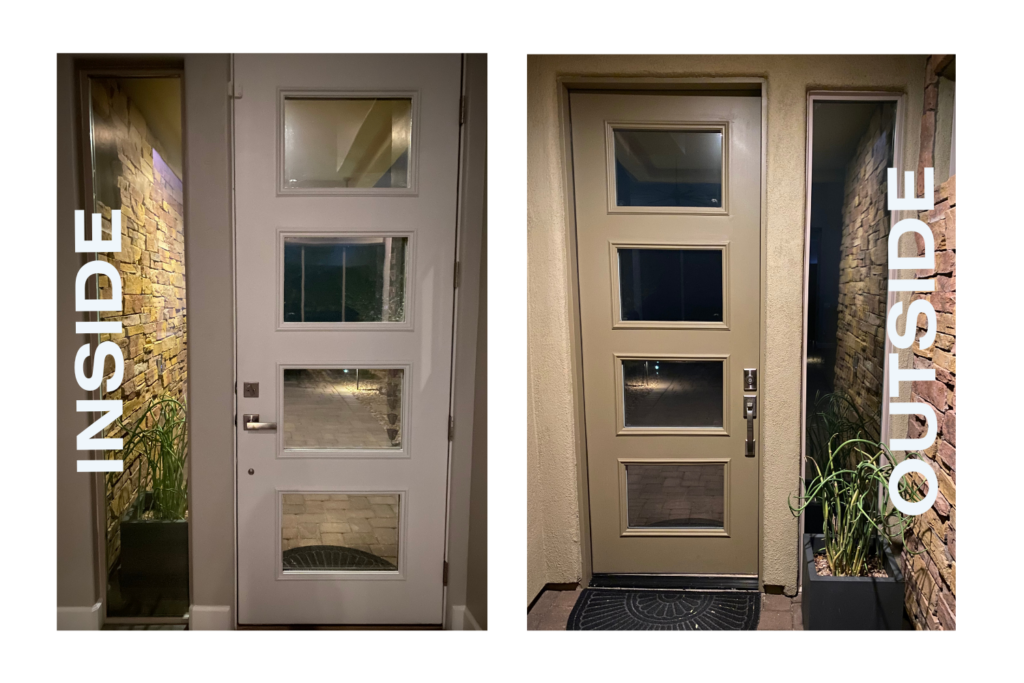
- Not considering the exterior view: Some options look great inside but may look odd or messy from outside. Check both sides before finalizing.
Step-by-step Guide: Installing Frosted Window Film
For homeowners and renters, frosted film is a top choice. Here’s how to install it for best results:
1. Clean The Glass Thoroughly.
Use glass cleaner and a lint-free cloth to remove dirt, oil, and streaks.
2. Measure And Cut The Film.
Cut the film slightly larger than the glass area. You’ll trim the edges later.
- Spray the glass with water and a drop of dish soap.
This lets you slide the film into place and avoid bubbles.
4. Peel Off The Backing And Apply The Film.
Start at the top and smooth down with a squeegee or credit card.
5. Trim The Edges With A Sharp Blade.
Be careful not to scratch the glass.
6. Remove Bubbles.
Work from the center outward with the squeegee.
7. Let It Dry.
Most films “set” in a few hours and can be cleaned after 24 hours.
Non-obvious tip: Don’t rush the application. Patience means fewer bubbles and a longer-lasting finish.
Creative Ideas For Style And Privacy
If you want something special, try these ideas:
- Mix and match films. Use frosted and clear stripes for a modern look.
- Add a border. Use gold or black tape to frame the glass or create a “windowpane” effect.
- Seasonal window clings. Change them for holidays or seasons—instant decor and privacy.
- Hang art or plants. Small glass suction hooks can hold art panels or hanging planters for both privacy and beauty.
Energy Efficiency And Glass Door Privacy
Some privacy solutions help with energy savings too. For example, cellular shades can block heat in summer and keep warmth in during winter. Frosted film may block some UV rays, which protects your floors and furniture from fading.
Here’s a look at how different coverings perform for energy efficiency:
| Covering Type | Blocks Heat? | Blocks Cold? | Blocks UV Rays? |
|---|---|---|---|
| Cellular Shades | Yes | Yes | Some |
| Frosted Film | Some | No | Some |
| Shutters | Yes | Yes | No |
| Sheer Curtains | No | No | Very little |
How To Maintain Your Privacy Covering
- Clean regularly: Use a damp cloth for film and blinds, and machine wash curtains as needed.
- Check for peeling: Window film can peel at the edges; press it down or replace if needed.
- Dust shutters and blinds: These attract dust quickly, especially near a door.
- Inspect for damage: Pets or kids may scratch or pull at coverings—repair or replace to keep things looking neat.
Credit: windowfilm.com
Security Tips For Glass Front Doors
Privacy is just one part of home security. Here are extra steps to consider:
- Use double-cylinder deadbolts: These require a key on both sides, so burglars can’t reach through broken glass.
- Reinforce glass: Add a security film that makes it harder to break.
- Install motion lights: Bright lights near your entryway can deter unwanted visitors.
- Use cameras or smart doorbells: These add an extra layer of security and allow you to see who’s at the door.
For more on home security, see this Consumer Reports guide.
Frequently Asked Questions
How Do I Cover A Glass Front Door Without Blocking All The Light?
Use frosted window film or sheer curtains. Both blur the view but let in plenty of sunlight. You can also try cellular shades or decorative films that allow light while offering privacy.
Are There Any Privacy Options That Are Easy To Remove For Renters?
Yes, static cling window films and window clings are easy to remove without damage. Tension rods with curtains are also renter-friendly and require no drilling.
What’s The Cheapest Way To Add Privacy To A Glass Front Door?
DIY solutions like parchment paper, fabric panels, or basic window film from a hardware store are very affordable. Even a simple curtain or scarf can work in a pinch.
Does Covering My Glass Front Door Help With Energy Bills?
Some coverings, like cellular shades and exterior shades, can help insulate your door and reduce heating or cooling costs. Frosted film blocks some UV rays but isn’t as efficient for temperature control.
Can I Combine Privacy And Security For My Glass Front Door?
Absolutely. Use privacy film for everyday comfort, and add a security film or reinforced glass for extra protection. Motion lights and smart doorbells add another level of safety.
—
Covering your glass front door for privacy is about finding the right balance of light, style, and security. With so many options—from simple films to custom art glass—you can make your entryway both welcoming and private. Remember to consider your needs, your budget, and how much light you want.
With a little planning, you’ll feel secure and stylish every time you walk through your door.

Credit: www.youtube.com