
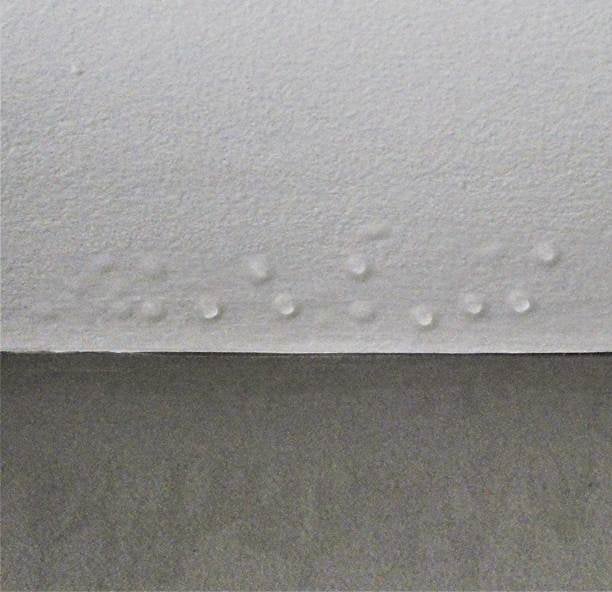
Every winter, or even during a cool rainy season, many people notice small water droplets forming on their ceilings. Sometimes, these droplets turn into dark spots or even mold. This is condensation on the ceiling, and it’s a common problem in homes, offices, and even new buildings. Condensation doesn’t just look bad—it can damage paint, weaken plaster, and even destroy insulation. For many homeowners, it’s confusing and frustrating because it seems to appear out of nowhere. But the truth is, there’s always a clear reason behind it.
Learning how to stop condensation on ceiling is not just about wiping away water. It means understanding why it happens, what risks it brings, and how your daily activities affect it. Most guides give quick fixes like “open a window” or “buy a dehumidifier.” But stopping condensation for good requires a full approach—from daily habits to building upgrades. This article will take you through everything you need to know: real causes, warning signs, step-by-step solutions, and expert tips that most beginners miss. By the end, you’ll know how to keep your ceilings dry, healthy, and damage-free all year round.
What Causes Condensation On Ceilings?
To solve any problem, you must start with the cause. Condensation happens when warm, moist air hits a cold surface. The water vapor in the air turns into liquid water. On ceilings, this usually means:
- Warm, moist air rises and touches a cold ceiling.
- The ceiling’s surface temperature is lower than the air’s “dew point.”
- Water droplets form, just like on a cold soda can.
Some main causes include:
- Poor ventilation: When moist air cannot escape, it builds up and finds the coldest place to settle—often your ceiling.
- High indoor humidity: Everyday activities like cooking, showering, or drying clothes indoors add moisture to the air.
- Insufficient insulation: Thin ceilings or missing insulation make surfaces colder, encouraging condensation.
- Thermal bridging: This is when cold from outside travels through materials (like beams or concrete), creating cold patches on the ceiling.
- Leaking roofs: Sometimes, what looks like condensation could actually be water from a leak.
Not-so-obvious insight: Many people overlook that even new, energy-efficient homes can have condensation problems. Air-tight homes trap moisture inside if they lack proper ventilation.
The Risks And Damage From Ceiling Condensation
Ignoring ceiling condensation can lead to serious problems. Some people just wipe away the water, but repeated condensation can cause:
- Paint peeling and staining
- Mold and mildew growth (which can trigger allergies and asthma)
- Structural damage (rotting wood, damaged plaster, weakened insulation)
- Musty odors that linger in the room
Important note: Mold can start forming in as little as 24–48 hours if moisture is not addressed. Some toxic molds are invisible at first, growing inside ceiling materials.

Credit: www.reddit.com
How To Identify If You Have Ceiling Condensation
Before you fix condensation, confirm that’s really the problem. Sometimes, ceiling dampness is caused by a roof leak, plumbing issue, or even a spill.
Signs of condensation:
- Water droplets or fogging on the ceiling, especially after showers or cooking
- Damp patches that appear in cold weather and vanish in warm weather
- Small black or gray spots (mold) forming in clusters
- Peeling paint in patches, not long streaks
Red flag: If the damp spot grows after rain, it may be a leak, not condensation.
Key Strategies To Stop Condensation On Ceilings
Let’s break down the practical steps that actually work. Some can be done immediately, while others need a bit more planning.
1. Improve Ventilation
The number one cause of condensation is trapped moist air. Improving ventilation helps move this air outside before it settles on your ceiling.
What you can do:
- Open windows for 10–15 minutes each day, even in winter.
- Use trickle vents on windows if you have them.
- Install or use exhaust fans in bathrooms and kitchens. Make sure they vent outside, not just into the attic.
- Avoid blocking air vents with furniture or curtains.
Pro tip: Keep internal doors closed when cooking or showering, then open windows afterwards to clear moist air.
2. Control Indoor Humidity
High humidity means more water vapor to condense. Keeping humidity in check is crucial.
How to manage:
- Use a dehumidifier in rooms that feel damp. Modern models are quiet and energy-efficient.
- Dry clothes outside when possible. If drying indoors, use a vented tumble dryer or open a window.
- Cover pots when cooking.
- Take shorter showers and use the extractor fan.
Data snapshot:
| Activity | Moisture Added (liters/hour) |
|---|---|
| Cooking (without lid) | 2.5 |
| Showering | 1.7 |
| Drying clothes indoors | 5.0 |
| Breathing (per person) | 0.2 |
Not-so-obvious insight: Many people forget that houseplants add humidity. If you have many, group them near windows and avoid placing them in small rooms.
3. Upgrade Insulation
Ceilings stay cold when insulation is missing or thin. Upgrading insulation raises the ceiling temperature, making condensation less likely.
Steps:
- Check your attic or roof insulation. For most homes, 10–14 inches of fiberglass or cellulose is ideal.
- Insulate gaps and corners where cold spots form.
- If your ceiling is below a flat roof, consider adding rigid foam insulation boards.
Quick comparison:
| Insulation Type | Thermal Resistance (R-value/inch) | Best Use |
|---|---|---|
| Fiberglass batts | 3.1–3.4 | Attic floors, easy DIY |
| Cellulose loose-fill | 3.2–3.8 | Attic, filling gaps |
| Rigid foam board | 5.0–6.5 | Flat roofs, thin ceilings |
Expert tip: Insulation only works if installed correctly. Gaps, compression, or missing vapor barriers can cause hidden condensation.
4. Reduce Thermal Bridging
Thermal bridges are cold “paths” in the structure—usually beams, joists, or uninsulated concrete—that attract condensation.
Solutions:
- Add insulation to exposed beams or concrete.
- Use “thermal break” materials (like foam tape) between cold and warm surfaces.
- Check for cold spots using an infrared thermometer—these are likely condensation areas.
Example: In apartments with concrete ceilings, condensation often forms along the edge where concrete meets drywall. Adding a narrow strip of foam board can stop this.
5. Maintain Adequate Heating
A cold ceiling is more likely to attract condensation. Keeping rooms at a steady, moderate temperature helps.
Advice:
- Set your thermostat to at least 64°F (18°C) in living areas.
- Avoid sudden temperature drops at night.
- Heat all rooms slightly—even unused ones—to prevent cold spots.
Common mistake: Turning off heat in a room “to save energy” often backfires, as cold rooms attract more condensation.
6. Repair Roof And Plumbing Leaks
Sometimes, what looks like condensation is actually a leak. Always check for leaks before treating condensation.
How to check:
- Inspect your roof for missing tiles, cracks, or gaps.
- Check pipes above the ceiling for drips or sweating.
- Use a moisture meter to test if the ceiling is wet only after rain or all the time.
If you find a leak, fix it first. Otherwise, you’ll fight a losing battle against moisture.
7. Apply Vapor Barriers
A vapor barrier is a special sheet or paint that stops moisture from passing through walls and ceilings.
Where to use:
- Under attic insulation
- On ceilings in kitchens, bathrooms, or laundry rooms
- In rooms with high humidity
Important: Vapor barriers must be installed on the “warm” side (inside) of insulation. If placed incorrectly, they can trap moisture and make things worse.
8. Use Anti-condensation Paints
Special paints contain microbeads or ceramic particles that create a warmer, less damp-friendly surface.
How they help:
- Reduce the chance of droplets forming
- Make it harder for mold to grow
Limit: These paints help with mild condensation, but won’t solve major humidity or insulation problems.
9. Adopt Better Daily Habits
Many small actions add up to big changes in moisture levels.
Helpful habits:
- Wipe shower walls and ceilings after use.
- Always use lids on pots.
- Hang wet towels outside to dry.
- Avoid storing firewood indoors (it releases moisture as it dries).
10. Install Ceiling Ventilation Fans
If your ceiling is always damp, consider installing a ceiling-mounted extraction fan. This is common in bathrooms and laundry rooms.
Benefits:
- Removes moist air directly from ceiling level
- Reduces mold risk
Tip: Choose a fan with a humidity sensor, so it turns on automatically when needed.
11. Monitor Humidity Levels
Guessing humidity often leads to mistakes. Use a digital hygrometer to check actual levels.
Ideal humidity: 40–60%. Above this, condensation risk increases.
How to use:
- Place hygrometers in rooms with condensation problems.
- Check readings throughout the day, especially after showers or cooking.
12. Clean And Maintain Windows
Surprisingly, condensation on ceilings can be linked to window problems.
Why: If windows are drafty or single-glazed, they let in cold air. This makes the ceiling above colder, encouraging condensation.
Actions:
- Upgrade to double or triple-glazed windows if possible.
- Reseal window edges with weatherstripping.
- Keep window glass clean so sunlight can warm the room.
13. Insulate Loft Hatches And Attic Doors
Heat can escape through uninsulated attic hatches, cooling the ceiling nearby.
How to fix:
- Add foam insulation to the attic hatch.
- Install a weather seal around the hatch frame.
Result: The ceiling below stays warmer, reducing condensation risk.
14. Treat And Remove Mold Properly
If mold has already formed, you need to remove it safely.
Steps:
- Wear gloves and a mask.
- Mix 1 cup bleach with 1 gallon of water.
- Scrub the moldy area, then rinse and dry.
- Repaint with anti-mold paint.
Warning: If mold covers a large area or keeps returning, call a professional. Some molds are dangerous to health.
15. Seek Professional Assessment For Persistent Problems
If you’ve tried the steps above and still see condensation, it may be time for expert help.
A professional can:
- Use thermal imaging to find hidden cold spots.
- Test humidity and air flow with specialized tools.
- Recommend building upgrades (like mechanical ventilation systems).
How Do Different Types Of Ceilings Affect Condensation?
Not all ceilings are created equal. The material, structure, and room use all play a role.
Plasterboard Ceilings
Most common in homes. They absorb moisture quickly and show stains easily. If insulation is missing above, condensation appears quickly.
Concrete Ceilings
Common in apartments and commercial buildings. Very cold, so condensation often forms along edges or where concrete meets other materials. Harder to insulate.
Suspended Ceilings
Found in offices or basements. The cavity above can trap moist air. Mold can grow out of sight.
Wooden Ceilings
Wood absorbs water but also dries out if air moves. Still, repeated condensation can cause rot or warping.
Key insight: The colder and less insulated the ceiling, the higher the risk of condensation.
Common Mistakes To Avoid When Dealing With Ceiling Condensation
Many people waste time and money on solutions that don’t work. Here’s what to watch out for:
- Painting over damp spots without fixing the cause—paint will bubble and peel again.
- Ignoring attic insulation gaps—even small gaps can let in enough cold to cause condensation.
- Using unvented tumble dryers—they blow moist air indoors, raising humidity fast.
- Shutting all windows “to save energy”—trapped moist air means more condensation, not less.
- Delaying action on mold—mold spreads quickly and damages health.
Real-world Examples And Case Studies
Case 1: Busy Family Home
A family of five noticed water drops and black spots on their bathroom ceiling every winter. They used a powerful extractor fan but still had problems.
Solution: A professional found missing insulation above the bathroom ceiling. After adding insulation and sealing air gaps, the condensation stopped.
Case 2: Apartment with Concrete Ceilings
Tenants kept reporting musty smells and mold along the ceiling edge. The building used central heating, and windows stayed closed.
Solution: Installing trickle vents on windows and adding a narrow strip of foam insulation at the ceiling edge eliminated the problem.
Case 3: Home Office Over Garage
A home office above an unheated garage developed moldy patches every spring. The ceiling felt cold to the touch.
Solution: Insulating the garage ceiling (below the office) and using a small dehumidifier in the office kept the ceiling dry.
When To Consider Advanced Solutions
For severe or stubborn cases, basic steps may not be enough. Consider:
Mechanical Ventilation With Heat Recovery (mvhr)
This system replaces stale, moist air with fresh air while keeping most of the heat inside. It’s highly effective but costs more to install.
Spray Foam Insulation
Spray foam creates an airtight, insulated layer on the inside of the roof. It’s especially good for irregular or hard-to-reach ceilings.
Smart Home Humidity Controls
Some smart thermostats and sensors can adjust ventilation and heating automatically based on humidity readings.
Expert’s note: These solutions are best for new builds, renovations, or when other options fail.

Credit: dampsurveyorsltd.com
Quick Reference: Choosing The Right Solution
Here’s a summary to match the solution to your problem:
| Problem | Best Solution | Speed of Effect |
|---|---|---|
| Occasional droplets after showering | Open window, use extractor fan | Immediate |
| Moldy patches in winter | Upgrade insulation, use dehumidifier | 1–2 weeks |
| Condensation after drying clothes indoors | Vent clothes dryer, use dehumidifier | Same day |
| Persistent damp even after fixes | Professional assessment, MVHR system | Varies |
Frequently Asked Questions
Why Does My Ceiling Get Condensation Even When I Don’t See Much Humidity?
Answer: Humidity can be higher than you realize, especially after cooking, showering, or with many people in the house. Warm air holds more moisture, and when it cools against the ceiling, condensation appears—even if the air doesn’t “feel” damp.
Will A Dehumidifier Alone Solve My Ceiling Condensation Problem?
Answer: A dehumidifier helps reduce moisture, but it’s only part of the solution. You also need good ventilation, adequate heating, and insulation. Otherwise, the problem may return when the dehumidifier is off.
Is Condensation On The Ceiling Dangerous To My Health?
Answer: Yes, if left untreated. Condensation can lead to mold and mildew, which release spores into the air. These can trigger allergies, asthma, and other respiratory problems—especially in children and the elderly.
Can I Use Regular Paint To Stop Condensation And Mold?
Answer: Regular paint won’t stop condensation or mold. In fact, mold can grow underneath and push through. Use anti-mold or anti-condensation paint, but always fix the underlying moisture problem first.
How Do I Know If I Need A Professional To Help?
Answer: If you’ve tried ventilation, insulation, and humidity control but still have condensation, or if mold keeps returning, call a professional. They can check for hidden problems and recommend advanced solutions.
For more detailed building science information, you can visit the US EPA Mold Course.
Keeping your ceiling dry and free from condensation is possible with the right knowledge and actions. Tackle the problem early, and you’ll protect your home, your health, and your peace of mind for years to come.
Credit: remodelmm.com