
If you’ve ever opened your storage unit and felt overwhelmed by the mess, you’re not alone. It’s easy to toss boxes, furniture, and random items into a unit and forget about them. But when you need to find something, chaos can cost you time, energy, and even money.
Organizing your storage unit isn’t just about making it look neat—it makes your belongings safer and easier to access. Whether you use your unit for business, moving, or personal overflow, good organization saves stress and protects what matters most.
A well-organized storage unit can help you avoid damage, reduce rental costs, and make your life easier. In this guide, you’ll find clear, step-by-step advice on how to organize a storage unit, including planning, packing, labeling, layout, and maintenance. You’ll also see common mistakes to avoid and practical tips people often miss.
Let’s turn your storage chaos into a space that truly works for you.
Understanding Your Storage Needs
Before you start, it’s important to know why you need storage and what you’re storing. People use storage units for different reasons: moving to a new home, downsizing, business inventory, or simply decluttering. Each situation affects how you should organize your unit.
First, make a list of everything you plan to store. This can be as simple as writing items on paper or using a phone app. This step helps you estimate the space you need and group similar items together.
Second, consider access frequency. Will you visit the unit often to get things out, or do you just need long-term storage? If you’ll need regular access, your organization system should allow for easy entry and movement.
Finally, think about item types: are you storing documents, furniture, electronics, seasonal items, or collectibles? Some things need extra protection from dust, moisture, or temperature changes. Identifying these needs early prevents problems later.
Choosing The Right Storage Unit Size
Picking the right unit size is one of the most important steps. Too small, and you’ll be forced to stack items dangerously or leave things out. Too large, and you’ll pay for space you don’t use.
| Unit Size | What Fits | Ideal For |
|---|---|---|
| 5×5 ft | Boxes, small appliances, seasonal décor | Students, small apartment owners |
| 5×10 ft | Small furniture, mattress, 10-15 boxes | Studio or 1-bedroom moves |
| 10×10 ft | Furniture for 1-2 rooms, appliances | 2-bedroom apartment or business inventory |
| 10×20 ft | Full house or car, large furniture | Family moves, vehicle storage |
Be realistic about your needs. It’s better to have a little extra space for aisles than to pack everything too tightly. Remember, most people underestimate the space their belongings take up, especially when stacked or boxed.
Preparing Your Items For Storage
How you prepare your items is just as important as how you arrange them. Poor preparation can lead to damage or make it impossible to find things later.
Clean Everything First
Dirt, dust, and moisture are the biggest enemies of long-term storage. Always clean and dry your items before packing them. For example, wipe down appliances, vacuum furniture, and wash clothes. This prevents mold and odors.
Disassemble Large Items
Furniture like beds, tables, or shelving often take up less space when broken down. Remove legs, unscrew parts, and keep screws and bolts in labeled bags taped to the item. This small step can save a lot of space and frustration later.
Use Proper Packing Materials
Invest in strong boxes, bubble wrap, packing paper, and furniture covers. Avoid using old grocery boxes, as they may collapse or attract pests. For fragile items, use extra padding and mark the box clearly.
Common Mistakes
Many beginners pack in a hurry and skip labeling or sorting. They also use bags for heavy items, which can rip and cause injury. Another mistake is storing wet or damp items, which can lead to mold and ruin other belongings.
Creating A Smart Packing System
Packing with a plan is key to a well-organized storage unit. Here’s how to do it right:
- Group Similar Items: Keep kitchenware, books, clothes, or holiday decorations together. This makes it easier to find what you need later.
- Pack by Room or Function: Label boxes by room (“Bedroom,” “Office”) or by use (“Winter Clothes,” “Camping Gear”).
- Use Box Sizes Wisely: Place heavy items in small boxes and light items in large boxes. This makes boxes easier to lift and stack.
- Fill Boxes Completely: Don’t leave empty space in boxes, as this makes them unstable. Fill gaps with towels or packing paper.
- Seal Boxes Tightly: Use strong packing tape on all seams. This keeps out dust and adds strength.
Packing carefully prevents damage and makes stacking inside your storage unit much safer.
Labeling: Your Best Friend
Clear labeling is the secret to finding things in storage without frustration. Don’t just write “Misc” or “Stuff” on boxes. Be specific.
- Use large, clear labels on multiple sides of each box.
- Write the contents, the room it came from, and any special instructions (“Fragile,” “This Side Up”).
- For important items, add a number and keep a separate inventory list with box numbers and contents. Apps like Google Sheets or Evernote make this simple.
Some people use color-coded labels (different tape or marker colors for each room or category). This makes scanning for items even faster.
Planning Your Storage Unit Layout
A good layout is the difference between a functional unit and a nightmare. Don’t just shove boxes wherever there’s space.
Start With A Floor Plan
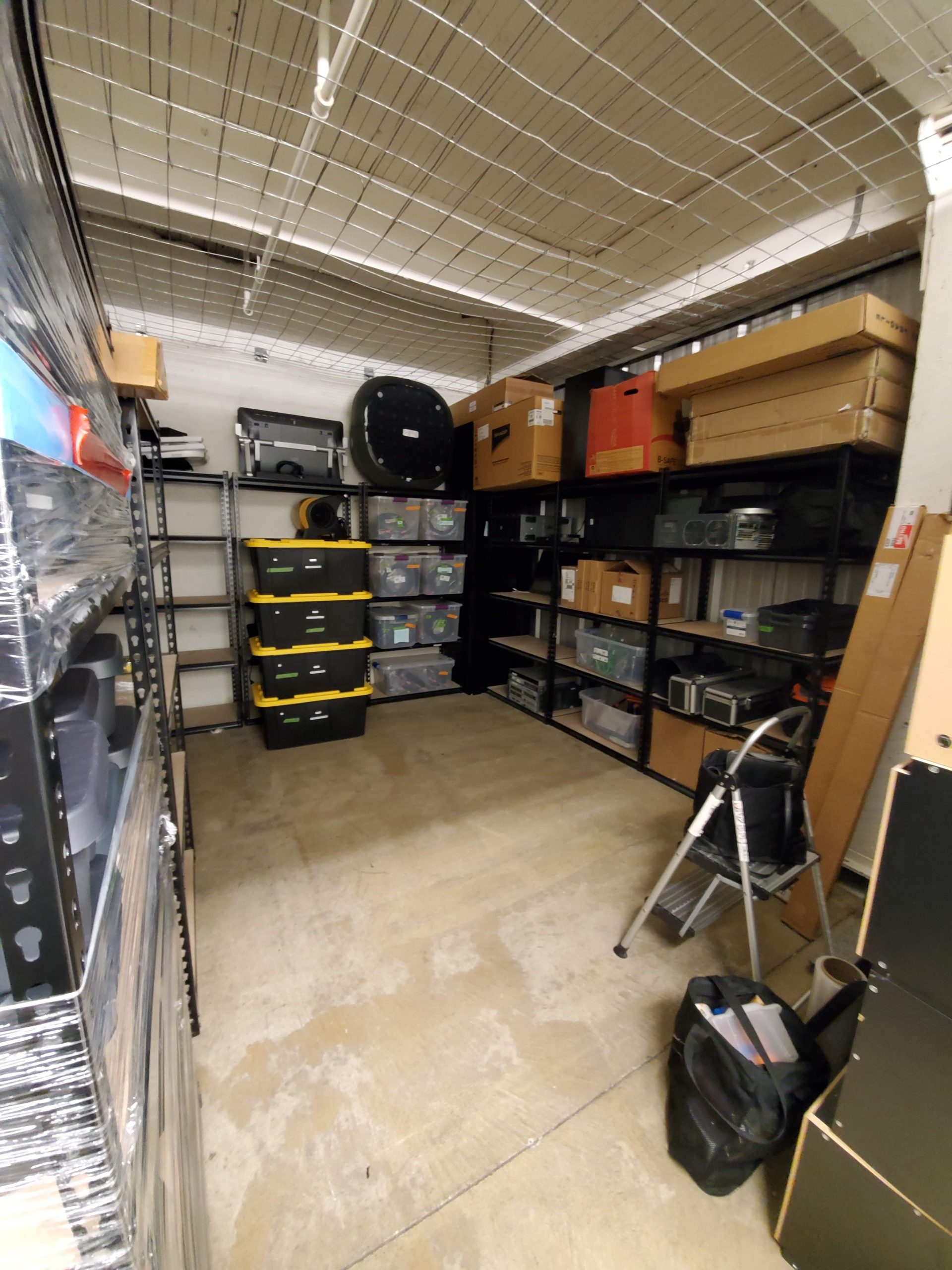
Draw a simple sketch of your unit before you move anything in. Mark where you want to put large items, shelves, and aisles. Leave room to walk between stacks so you can reach items without moving everything.
Heaviest Items On The Bottom
Always stack heavier boxes and furniture at the bottom. This adds stability and prevents crushing lighter, fragile items.
Store Items By Frequency Of Use
Place things you’ll need often near the front of the unit: seasonal clothes, sports gear, or business supplies. Put items you rarely need—like old tax records or holiday décor—toward the back.
Create Aisles
Leave at least one narrow aisle from the front to the back of your unit. This lets you reach everything without climbing or shifting heavy boxes.
Use Vertical Space
Most units have high ceilings. Stack boxes as high as is safe, and use shelving to add extra levels. This gives you more floor space and keeps things organized.
Credit: bellaorganizing.com
Using Shelving And Storage Tools
One of the smartest investments you can make is in sturdy shelving. Metal racks or heavy-duty plastic shelves are perfect for storage units.
| Shelving Type | Weight Capacity | Best For |
|---|---|---|
| Wire Shelving | 200-400 lbs per shelf | Boxes, bins, light tools |
| Steel Shelving | Up to 800 lbs per shelf | Heavy items, large bins |
| Plastic Shelving | 150-250 lbs per shelf | Clothes, toys, seasonal décor |
Shelving keeps boxes off the ground, which helps prevent water damage and makes each box easier to access. For smaller items, use plastic bins with lids instead of cardboard boxes. They stack neatly and protect better against pests and moisture.
Hooks, pegboards, and hanging organizers can also help, especially for tools, cords, or sports equipment.
Packing Tips For Different Item Types
Each category of item has its own best practices for safe, efficient storage. Here’s how to handle the most common belongings:
Furniture
- Disassemble as much as possible.
- Wrap with moving blankets or plastic to prevent scratches.
- Store mattresses and sofas upright to save floor space.
- Avoid stacking anything heavy on upholstered pieces.
Electronics
- Use original boxes if you have them.
- Wrap in bubble wrap and pack tightly to prevent movement.
- Remove batteries to prevent leaks.
- Store electronics off the ground, away from moisture.
Documents And Photos
- Place in waterproof, airtight bins.
- Use folders or envelopes to sort documents.
- Store vertically to prevent bending or warping.
- Avoid placing paper items near vents or walls that could get damp.
Clothing
- Clean and dry clothes before storing.
- Use wardrobe boxes for hanging items.
- For long-term storage, use vacuum-sealed bags to save space and protect from pests.
Appliances
- Clean and dry completely to prevent mold.
- Leave refrigerator or freezer doors slightly open.
- Use tape to keep cords and doors secure.
Fragile Items
- Wrap each item separately with bubble wrap or packing paper.
- Use sturdy boxes, and fill all gaps with padding.
- Mark boxes as “Fragile” and stack only on top.
These methods keep your most valuable or delicate belongings safe during long periods in storage.
Protecting Against Damage And Theft
Storage units can have risks: moisture, pests, extreme temperatures, and theft. Take steps to protect your belongings.
- Lay a plastic tarp or pallet on the floor before stacking boxes. This keeps items off concrete, which can attract moisture.
- Use desiccant packs or moisture absorbers in boxes with sensitive items.
- Don’t store food or scented items, as these attract rodents or insects.
- For high-value items, consider a unit with video surveillance or on-site security. Use a strong, high-quality padlock on your door.
- Never write “valuables” or “electronics” on the outside of boxes, as this makes them a target for thieves.
Inventory Management For Your Storage Unit
A good inventory system saves time and prevents losses. Don’t rely on memory—most people forget what’s in their unit within months.
- Create a list of all boxes and items as you pack.
- Number each box and record the contents.
- Update your inventory whenever you add or remove items.
- Consider using a simple spreadsheet or inventory app.
Here’s a sample way to track inventory:
| Box Number | Contents | Location in Unit | Date Stored |
|---|---|---|---|
| Box 1 | Kitchen dishes, glasses | Shelf 1, front | 03/10/2024 |
| Box 2 | Winter clothes | Stack 2, middle | 03/10/2024 |
| Box 3 | Business documents | Shelf 2, back | 03/10/2024 |
This method helps you find any item quickly, even if you haven’t visited your unit in months.
Climate Control And Environmental Factors
Not all storage units are the same. Some offer climate control, which keeps temperature and humidity at safe levels. Others are basic, with no insulation.
- Use climate-controlled units for electronics, photos, instruments, antiques, or anything sensitive to heat or cold.
- In regular units, use moisture barriers, plastic bins, and silica gel packs for extra protection.
- Check your items at least twice a year for signs of mold, rust, or pests.
If you store in an area with flooding risk, place valuables on shelves or pallets, never directly on the floor.
Maximizing Space In Your Storage Unit
Even small units can hold a lot if you use space wisely. Here’s how to fit more without causing chaos:
- Stack boxes and bins all the way to the ceiling, but only as high as they are stable.
- Store sofas, mattresses, or tables vertically.
- Fill drawers and appliances with smaller items (keep a list so you remember what’s inside).
- Use vacuum-sealed bags for clothes or bedding.
- Hang bikes, ladders, or tools from wall hooks or ceiling hooks if allowed.
- Avoid leaving empty spaces—fill every gap, but don’t block access aisles.
A little planning means you can store more, reduce costs, and still find what you need.
Maintaining Your Organized Unit
Organization isn’t a one-time job. Visit your unit regularly—at least every few months—to check for problems and keep things tidy.
- Sweep or vacuum the floor to keep dust and pests away.
- Check for leaks, mold, or signs of rodents.
- Rotate items if you need regular access (move frequently used things to the front).
- Update your inventory list when you add or remove anything.
A quick 10-minute check every few months can prevent big problems later.
Common Mistakes To Avoid
Many people make the same errors when organizing a storage unit. Here’s what to watch out for:
- Overpacking boxes until they’re too heavy to lift safely.
- Not labeling boxes or using vague labels.
- Storing prohibited items like flammable liquids, food, or hazardous chemicals.
- Stacking unstable piles that can fall and cause injury.
- Ignoring insurance—if your items are valuable, insure them against loss or damage.
- Blocking access by filling the unit with no aisles or plan.
- Forgetting to visit—out of sight, out of mind can lead to ruined items.
Avoiding these mistakes saves you money, time, and stress.
Advanced Tips For Long-term Storage
If you plan to store items for a year or more, extra care is needed:
- Use only plastic bins with tight lids for anything sensitive.
- Add a layer of dryer sheets or cedar chips to clothing bins to prevent pests.
- Wrap furniture and electronics in breathable covers (not just plastic) to avoid trapping moisture.
- Photograph the contents of each box and keep these photos with your inventory list.
- Use a silica gel pack in every box to absorb moisture.
- For valuable items, check insurance coverage with your provider or the storage facility.
These small steps can make a big difference over time.
When To Re-organize Your Storage Unit
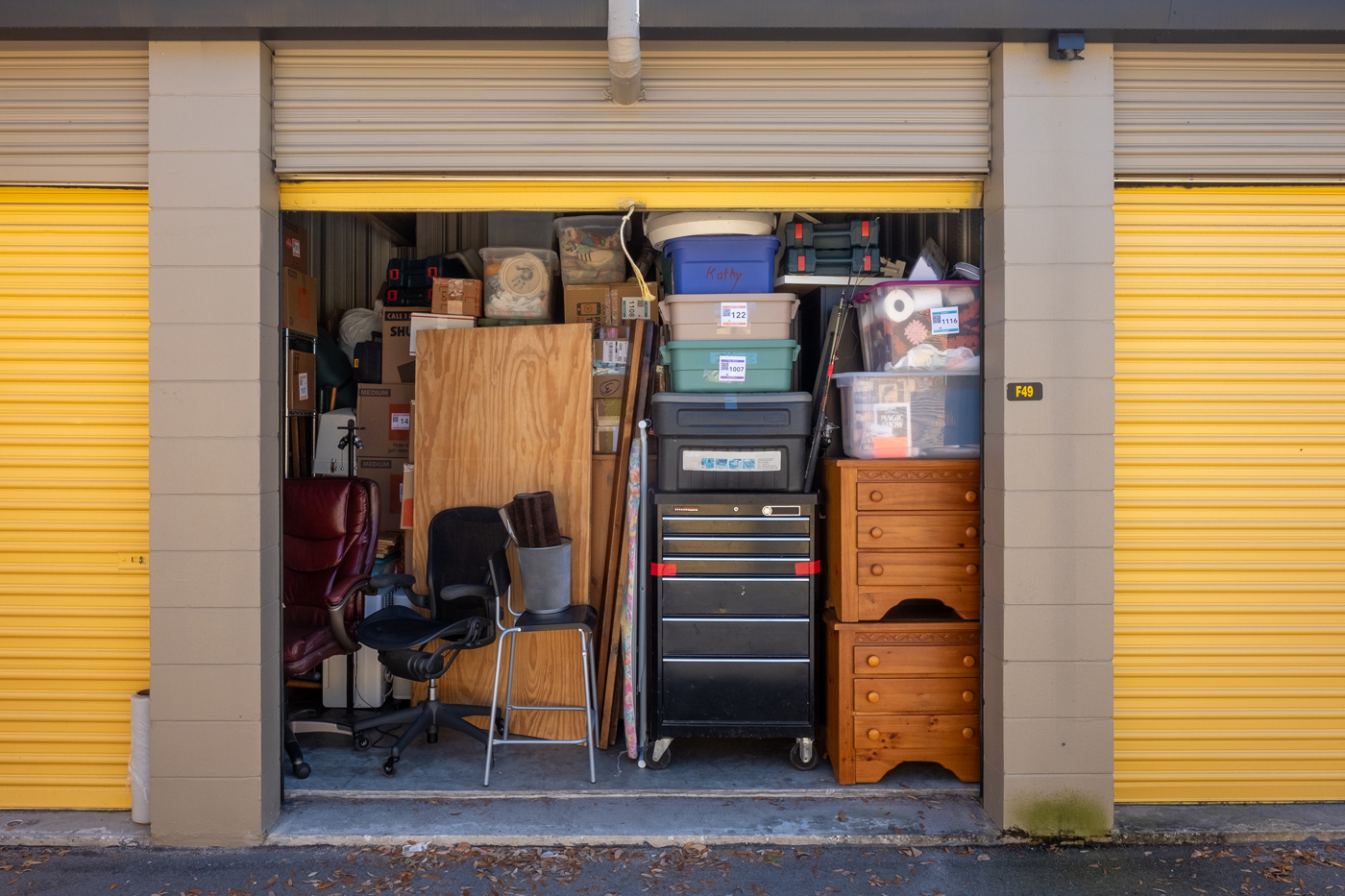
Life changes—so should your storage unit. If you add a lot of new items, start a business, or your needs shift, it’s smart to reorganize.
Signs you need to reorganize:
- You can’t find things quickly.
- Boxes are damaged, crushed, or leaning.
- You can’t walk into your unit safely.
- Your inventory list no longer matches what’s in the unit.
Don’t wait until it’s a disaster—set a reminder every six months to review your layout and system.

Credit: www.bomarcselfstorage.com
Digital Tools To Help You Stay Organized
Modern storage isn’t just about boxes and shelves. Apps and digital tools can make inventory and planning much easier.
- Use Google Sheets or Excel for inventory lists you can access anywhere.
- Try storage-specific apps like Sortly or StuffKeeper for photos and box tracking.
- Set calendar reminders for visits, payments, or inventory updates.
Digital tools also help if you share the unit with family, roommates, or business partners.
Real-life Examples Of Great Storage Organization
Consider these examples for inspiration:
- A small business owner uses labeled plastic bins with barcodes and a digital inventory. Shelves are arranged by product type, with quick-access items at the front.
- A family moving overseas stores each room’s items in separate, numbered boxes. A master list in Google Sheets shows what’s in each box and its location.
- A college student packs only seasonal clothes and books into a 5×5 unit, using a shelf and color-coded bins for each semester.
Notice how successful storage is always about planning, labeling, and regular maintenance.
When To Call In The Professionals
If organizing your unit feels overwhelming, there are professional organizers who specialize in storage units. They can:
- Help you sort and declutter before packing.
- Build custom shelves or layouts.
- Create digital inventories.
- Advise on climate control, insurance, and security.
While this costs more, it can save you from costly mistakes, especially for valuable collections or business inventory.
For more information on professional storage solutions, see this Self Storage Association resource.
Frequently Asked Questions
How Do I Keep My Storage Unit From Getting Musty Or Moldy?
Moisture is the enemy of stored items. Always store things dry, use plastic bins, and place desiccant packs in boxes. Laying a plastic tarp on the floor and visiting your unit regularly to air it out also helps prevent mustiness.
Can I Store Food Or Drinks In My Storage Unit?
No, you should never store food, drinks, or anything perishable. These attract pests and can cause mold, odors, or even violate your rental agreement.
What’s The Best Way To Stack Boxes In A Storage Unit?
Stack heavier boxes on the bottom and lighter or fragile ones on top. Keep stacks stable and avoid making them too high to prevent falls. Use shelving for extra safety and access.
How Do I Know If I Need A Climate-controlled Storage Unit?
If you’re storing electronics, artwork, antiques, musical instruments, or anything sensitive to heat and humidity, choose climate control. For regular household items or short-term storage, a basic unit may be fine.
How Often Should I Check On My Storage Unit?
It’s best to visit every two to three months to check for leaks, pests, or other problems. If you store valuables or live in a humid area, visit more often to keep things in good condition.
Taking the time to organize your storage unit is worth every minute. With a smart plan and good habits, you’ll protect your belongings, save money, and make your life much less stressful. Use these tips to turn your storage unit from a messy box into a reliable extension of your home or business.
Credit: www.spacecentrestorage.com