
Cleaning unsealed wood floors can feel like a challenge, especially if you’re used to mopping sealed surfaces. Unsealed wood is beautiful and classic, but it’s also sensitive. Water, soap, and harsh chemicals can damage it quickly. So how do you keep these floors looking good without causing harm?
Whether you have an old farmhouse floor or just prefer the natural look, knowing the right cleaning methods makes all the difference. This guide will walk you through every step, from everyday dusting to deep cleaning and stain removal, with clear advice and practical tips that anyone can follow.
Understanding Unsealed Wood Floors
Unsealed wood floors do not have a protective top layer. This means there’s no polyurethane, varnish, or wax to keep moisture or dirt out. Instead, the wood’s pores are open and exposed. This gives the floor a natural look and feel, but also makes it vulnerable to scratches, stains, and water damage.
Unsealed wood can be found in older homes, cabins, or spaces where people want a rustic style. Sometimes, people leave wood unsealed to avoid chemicals or to keep the surface breathable. It’s important to know if your floor is really unsealed.
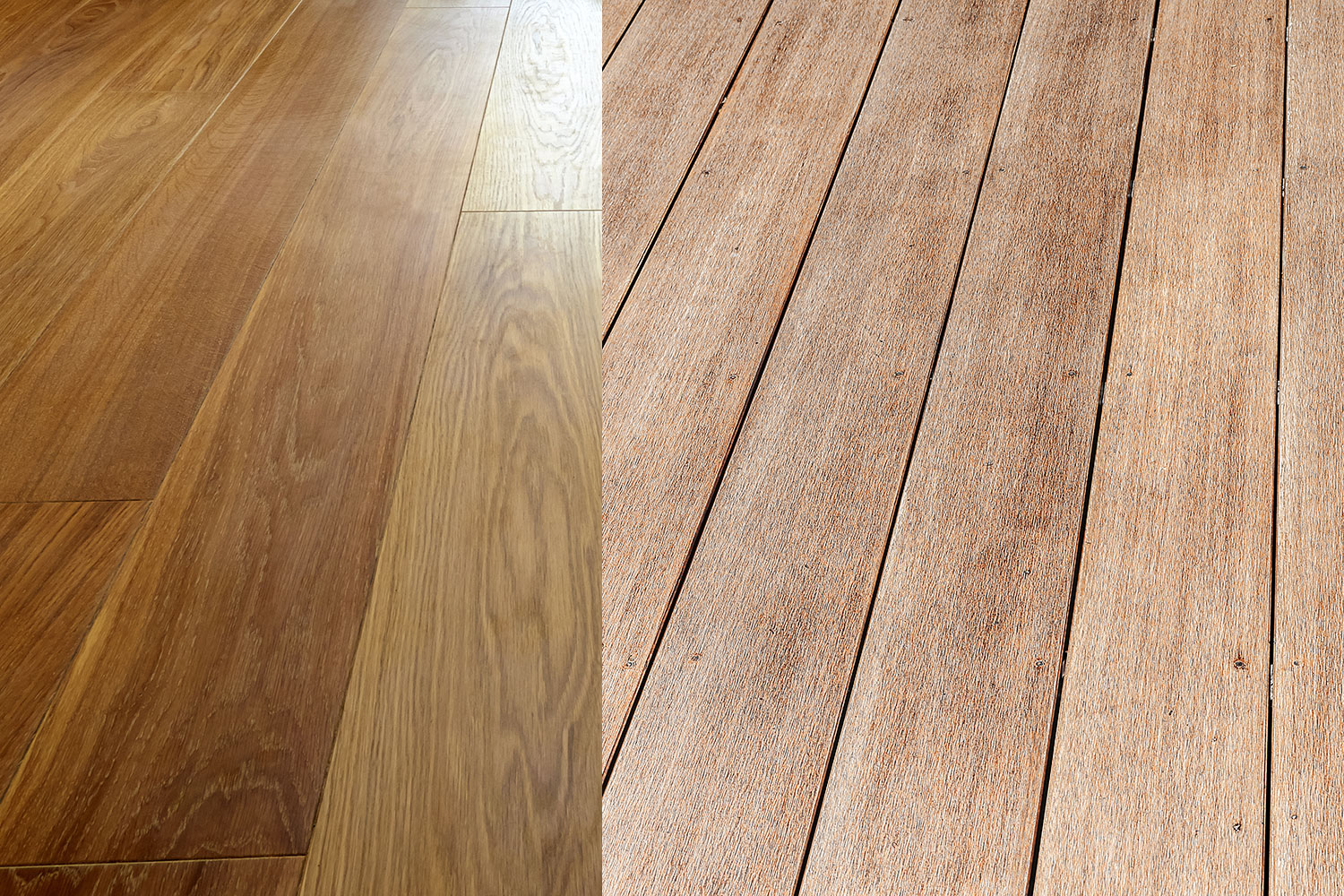
Sealed wood will look glossy or feel smooth. Unsealed wood often looks matte and feels rougher.
Why Cleaning Unsealed Wood Is Different
Cleaning unsealed wood is not like cleaning tile or even sealed wood. The main challenges include:
- Water damage: Unsealed wood absorbs water, leading to warping or mold.
- Staining: Dirt, spills, and oils soak in fast.
- Scratching: Grit and sand scratch the surface easily.
- No chemical resistance: Strong cleaners can discolor or damage the wood.
If you treat unsealed floors like sealed ones, you risk permanent damage. But with the right methods, you can keep your floors safe, clean, and attractive for years.
Essential Tools And Products
To clean unsealed wood floors, you don’t need fancy gadgets or expensive supplies. But you do need to pick tools and products carefully to avoid harm.
Must-have Cleaning Tools
- Soft-bristle broom: Gently lifts dust and grit without scratching.
- Microfiber dust mop: Traps small particles and hair.
- Vacuum with hardwood setting: Use only if the vacuum has a setting for hard floors and no beater bar.
- Spray bottle: For light misting of cleaning solutions.
- Soft, lint-free cloths: Old t-shirts or microfiber cloths work well.
- Bucket: For mixing solutions, not for soaking the floor.
Safe Cleaning Products
- Distilled white vinegar: Diluted, it helps clean and disinfect.
- Mild castile soap: Gentle and non-toxic.
- Olive oil: For conditioning and spot-cleaning.
- Baking soda: For gentle stain removal.
- Water: Use sparingly and always in a well-wrung cloth.
Avoid: Steam mops, wax-based cleaners, strong chemicals, or anything with ammonia.
Why These Work
Soft tools and mild products are less likely to scratch or discolor the wood. Baking soda is a gentle abrasive, vinegar cuts through grime, and olive oil can help lift sticky stains. Never pour liquid directly on the floor or let it sit, as unsealed wood will soak it up and get damaged.
Daily And Weekly Cleaning Routine
Regular care is the best way to keep unsealed wood floors in good shape. Small bits of grit and dust can scratch the surface over time, so it’s important to stay ahead of buildup.
Daily Cleaning
- Sweep with a soft-bristle broom to pick up crumbs, sand, and debris.
- Use a dry microfiber dust mop to catch fine dust, pet hair, and allergens.
- Spot clean spills immediately. Dab with a dry cloth, then gently wipe with a barely damp cloth if needed.
Weekly Cleaning
Once a week (or more if needed):
- Vacuum with a hard floor attachment. Make sure the beater bar is off to avoid scratching.
- Light damp mop: Mix a solution of a few drops of castile soap in a quart of warm water. Dampen a microfiber mop, wring it out well, and gently wipe the floor.
- Buff dry with a soft cloth to remove any moisture.
Tip: Always check in an out-of-sight area before using any new product or method.
Deep Cleaning Unsealed Wood Floors
Even with regular care, unsealed wood floors need a deeper clean from time to time. Dirt can get ground in, and stains may develop. Here’s how to deep clean safely.
Preparing For Deep Cleaning
- Remove all furniture and rugs.
- Sweep and vacuum the floor thoroughly.
- Gather your supplies: Soft cloths, spray bottle, vinegar, mild soap, baking soda, olive oil.
Step-by-step Deep Cleaning
- Test in a hidden spot: Always check your cleaning solution in a closet or corner.
- Make your cleaning solution: Mix 1/4 cup of white vinegar and a few drops of castile soap in 1 quart of warm water.
- Dampen a cloth: Never use a wet mop. Dip a microfiber cloth in the solution, wring it out until nearly dry.
- Wipe the floor: Work in small sections, gently rubbing the wood.
- Buff dry: Immediately dry each section with a soft, clean cloth.
- Tackle tough spots: For sticky areas, rub with a mix of olive oil and baking soda, then wipe clean.
- Ventilate the room: Open windows to help the floor dry faster.
Important: Never let water pool or sit. Even a few minutes can cause swelling or stains.

Credit: www.reddit.com
Handling Stains And Spills
Stains and spills are a fact of life, but on unsealed wood, they need quick attention. The key is to act fast and use gentle methods.
Common Stain Types And Solutions
| Stain Type | How to Clean | Special Tips |
|---|---|---|
| Water spots | Dab dry, then buff with olive oil | Don’t rub hard; can make it worse |
| Food spills | Wipe with a barely damp cloth | Clean immediately to avoid stains |
| Grease marks | Sprinkle baking soda, let sit 10 min, wipe away | Repeat if needed, then wipe with dry cloth |
| Pet accidents | Dab with dry cloth, wipe with vinegar solution | Rinse with damp cloth, dry well |
| Wine/juice | Blot up, wipe with vinegar solution | Buff dry, repeat if necessary |
Removing Old Or Tough Stains
- For stubborn stains, mix baking soda with a few drops of water to make a paste. Rub gently with a soft cloth, then wipe clean and dry.
- If stains remain, try rubbing gently with fine steel wool. Only use this as a last resort, as it can scratch.
Tip: Never use bleach, strong chemicals, or sandpaper. These will damage the wood.
Real Example
A homeowner with 100-year-old pine floors noticed dark rings after a party. They immediately blotted up what they could, then used a mix of vinegar and water. After letting it sit for 5 minutes, they buffed the area with olive oil.
Most of the stain faded, and the rest blended in with the wood’s natural color.
Protecting Unsealed Wood Floors From Damage
Prevention is easier than repair. Since unsealed wood is vulnerable, it pays to protect it every day.
Practical Tips
- Use area rugs or runners in high-traffic areas, like hallways or entryways.
- Put felt pads under chair and table legs.
- Remove shoes before walking on the floor, especially high heels or shoes with grit.
- Keep pets’ nails trimmed to avoid scratches.
- Wipe up spills immediately to prevent stains and water damage.
- Avoid rolling furniture; always lift instead.
- Keep humidity stable, ideally between 40–60%, to avoid warping and shrinking.
Conditioning Unsealed Wood
Conditioning helps keep unsealed wood looking its best. Every few months, apply a thin layer of natural wood oil (like tung oil or linseed oil) with a soft cloth. Let it soak in, then buff off any extra. This won’t seal the wood, but it helps protect against drying and minor spills.
Caution: Don’t use too much oil or let it pool. Excess oil can attract dust and get sticky.
Common Mistakes And How To Avoid Them
Many people accidentally damage their unsealed wood floors by using the wrong methods. Here are mistakes to avoid:
Overwetting The Floor
The number one mistake is using too much water. Unsealed wood absorbs water like a sponge. Even a little standing water can cause warping, swelling, or mold. Always use a barely damp cloth, never a wet mop.
Using Harsh Chemicals
Cleaners meant for tile, vinyl, or sealed wood can destroy unsealed floors. Products with ammonia, bleach, or strong acids can discolor or weaken the wood. Stick to mild, natural products.
Ignoring Spills
Leaving spills, even water, to sit is risky. Liquids soak in fast. Always blot up spills right away, then clean and dry the spot.
Skipping Regular Cleaning
Letting dust and grit build up may seem harmless, but these tiny particles act like sandpaper, scratching the wood each time you walk.
Not Testing Products
Even natural products can stain or discolor some woods. Always test in a hidden area first.
Unsealed Vs. Sealed Wood Floors: Key Differences
Understanding the differences can help you clean and care for your floors correctly.
| Feature | Unsealed Wood | Sealed Wood |
|---|---|---|
| Protection | No top layer | Protective coating (polyurethane, varnish, etc.) |
| Cleaning method | Dry or barely damp only | Can use wet mops |
| Stain resistance | Low | High |
| Appearance | Matte, natural, rustic | Glossy or satin, smooth |
| Repair | Spot repairs possible | May need full refinishing |

Credit: torerageorge.com
When To Call A Professional
Some problems are too big for DIY methods. Consider calling a flooring expert if:
- You see large black stains or mold.
- Boards are warping or cupping.
- There’s a musty smell that won’t go away.
- The floor feels soft or spongy in places.
Professionals can sanitize, sand, or refinish the floor if needed. They’ll also know how to treat special woods or historic surfaces.
Eco-friendly Cleaning For Unsealed Wood
If you’re concerned about health or the environment, unsealed wood can be cleaned naturally and safely.
Best Natural Cleaners
- Vinegar solution (diluted): Kills bacteria and cuts grease.
- Baking soda: Mild abrasive for stains.
- Castile soap: Plant-based, gentle on wood and air quality.
Reducing Impact
- Use reusable cloths instead of paper towels.
- Avoid disposable wipes and chemical sprays.
- Choose locally made oils for conditioning.
Non-obvious insight: Small changes, like using a high-quality microfiber mop, can reduce the need for any cleaning solution at all. Microfiber traps dust and allergens more effectively than cotton, meaning you’ll need less moisture and fewer products.
Restoring Old Or Damaged Unsealed Wood Floors
Sometimes, old unsealed wood floors look tired or damaged even after cleaning. Restoring them can bring back their natural beauty.
Light Restoration Steps
- Clean thoroughly as described above.
- Sand lightly with fine sandpaper to remove surface stains or roughness.
- Vacuum up all dust.
- Apply wood oil to condition and protect.
When Not To Sand
If your floor is very thin, antique, or has historic value, sanding can do more harm than good. In these cases, consult a professional.
Extra Protection
If you want more stain resistance but don’t want to seal the floor, try a penetrating oil finish. These are not the same as surface sealers. They soak into the wood, making it more resistant to spills but keeping the matte, natural look.
Important: Some oils darken the wood slightly. Always test first.
Real-world Examples And Case Studies
Example 1: Family Home With Unsealed Oak
A family with a busy kitchen chose unsealed oak for its warmth and character. They sweep daily and use a vinegar/water solution weekly. After a wine spill, they blotted quickly, then used baking soda to lift the stain. The floor has lasted over ten years with only minor wear, thanks to regular oil conditioning.
Example 2: Cabin Retreat
A weekend cabin had unsealed pine floors that looked dull after years of use. The owners swept often but rarely mopped. They tried a deep clean with castile soap and water, followed by a light sanding and tung oil application.
The transformation was dramatic—the wood looked rich and felt smoother, and the cabin kept its rustic charm.
Insight: In both cases, patience and gentle cleaning preserved the beauty and value of the floors far better than harsh chemicals or aggressive scrubbing would have.
Credit: www.bissell.com
Advanced Tips For Maintaining Unsealed Wood Floors
- Rotate rugs every few months to avoid uneven fading.
- Check humidity with a simple gauge, especially in winter or summer.
- Refinish only when needed; too-frequent sanding shortens floor life.
- Use door mats at every entrance to catch grit before it reaches the floor.
- Educate everyone in your household about the special care these floors need.
Non-obvious insight: Unsealed wood floors can show changes in color over time due to sunlight and use. This is not always bad—it adds to the character. However, if you want an even look, move furniture and rugs regularly to allow even exposure.
Frequently Asked Questions
How Do I Know If My Wood Floor Is Unsealed?
Check the appearance and feel. Unsealed wood looks matte, feels slightly rough, and absorbs a drop of water quickly (the spot will darken). Sealed floors are shiny and water beads up.
Can I Mop Unsealed Wood Floors?
No, you should never use a wet mop. Only use a lightly damp (almost dry) cloth or mop. Excess water can cause swelling, warping, or stains.
What Is The Best Cleaning Solution For Unsealed Wood Floors?
A mix of distilled white vinegar and water, with a few drops of mild castile soap, is safe and effective. Always use a well-wrung cloth and dry the floor quickly.
Can I Use Commercial Wood Cleaners?
Most commercial cleaners are designed for sealed wood and may damage unsealed floors. Always check the label. When in doubt, stick to vinegar, mild soap, and baking soda.
Should I Seal My Unsealed Wood Floors?
Sealing adds protection but changes the look and feel. If you want to keep the natural appearance, use conditioning oils instead. If you need stain and water resistance, consult a pro about the best sealant for your wood type.
For more on wood floor care and types of finishes, visit This Old House.
Keeping unsealed wood floors clean takes a gentle touch and a little extra care, but the reward is a beautiful, natural surface that lasts for generations. With the right habits and products, you can enjoy the unique character of your floors while protecting them from harm. Remember: less is more—gentle cleaning, quick spill response, and regular conditioning are your best tools for lasting beauty.