
Securing a door with a window is a challenge many homeowners face. Glass panels in doors look beautiful and let in natural light, but they also present a weak spot for intruders. A burglar can break the glass, unlock the door, and be inside within seconds.
Yet, the solution isn’t to remove the window or cover it with ugly bars. The goal is to keep your home safe without losing style or comfort.
This guide explores every aspect of how to secure a door with a window. You’ll learn which locks actually work, which materials stop a break-in, how to reinforce glass, and how to balance security with appearance. Whether you live in a high-crime area or just want peace of mind, you’ll find clear, practical steps.
Some solutions are quick DIY projects; others need a bit more planning. By the end, you’ll know exactly what to do for real protection.
Understanding The Risks
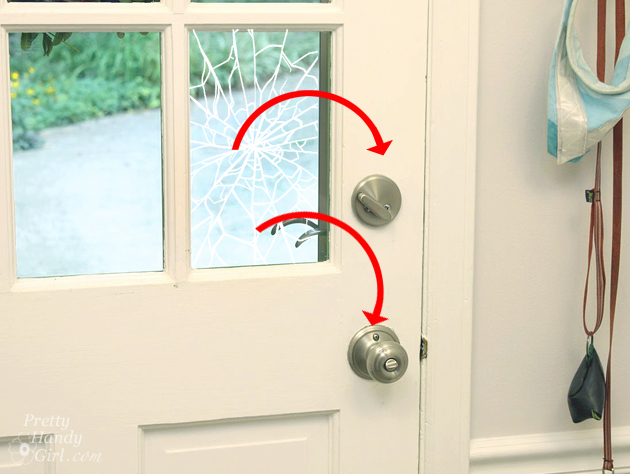
A door with a window, often called a door lite or glass insert, is common for front, side, and back doors. The biggest risk is simple: forced entry. A thief breaks the glass and reaches inside to unlock the door. Even small windows give enough access to reach most locks, especially if the door uses a standard thumb-turn deadbolt.
Data from the U.S. Department of Justice shows that 34% of burglars enter through the front door. Doors with glass are especially targeted, as they make access easier and faster. Homes with visible glass in doors are statistically more likely to have break-ins than those with solid doors.
But not all doors with windows are the same. Security depends on factors like:
- The type of glass used
- The position and size of the window
- The quality of the lock hardware
- The strength of the door frame
Understanding these variables is the first step toward real security.
Choosing The Right Door Lock
A strong lock is your first line of defense. But with a window in the door, the lock must do more than just resist picking—it must resist being unlocked from the inside by a hand or tool.
Single Vs Double Cylinder Deadbolts
There are two main types of deadbolts:
- Single cylinder deadbolt: Operated with a key from outside, thumb-turn from inside. Common, but vulnerable if the window is near the lock.
- Double cylinder deadbolt: Requires a key on both sides. Even if someone reaches in, they cannot unlock the door without a key.
Here’s a quick comparison:
| Lock Type | Security Level | Ease of Use | Best For |
|---|---|---|---|
| Single Cylinder | Medium | Easy (no key needed inside) | Doors with no glass or far glass |
| Double Cylinder | High | Moderate (key needed both sides) | Doors with reachable glass |
Important: Double cylinder deadbolts can be a fire hazard. In an emergency, you must have the key close by (but hidden from the window), so everyone can exit quickly.
Smart Locks And Keyless Options
Modern smart locks offer features like fingerprint scanning or keypad entry. Some models let you lock or unlock the door from your phone. But, if the lock has a thumb-turn on the inside and the window is reachable, the risk remains.
A safer keyless solution is a keypad deadbolt with a motorized locking mechanism and no internal thumb-turn. This way, even if someone breaks the glass, there is no lever to turn.
Reinforcing The Strike Plate And Screws
No lock is secure if the strike plate (the metal piece in the door frame) is weak. Most doors use short screws that can be kicked in. Upgrade to a heavy-duty strike plate with 3-inch screws that reach the wall stud. This makes it much harder to force the door open, even if the glass is broken.
Reinforcing The Glass
The window itself is the biggest vulnerability. But not all glass is easy to break or easy to get through.
Types Of Glass
- Annealed Glass (Standard): Breaks easily into sharp pieces. Most common, least secure.
- Tempered Glass: Four times stronger than regular glass. Breaks into small, less dangerous pieces.
- Laminated Glass: Two layers of glass with a plastic layer in between. Even if broken, the plastic holds the glass together, making entry much harder.
Here’s how they compare:
| Glass Type | Break Resistance | Entry Difficulty | Cost |
|---|---|---|---|
| Annealed | Low | Easy | Low |
| Tempered | Medium | Moderate | Medium |
| Laminated | High | Hard | High |
Insight: Even if you don’t replace the glass, there are steps you can take to make it harder to break.
Security Window Films
Security film is a clear or tinted plastic sheet applied to the inside of the glass. It holds the glass together if broken, delaying entry by several minutes. Many burglars give up if the glass doesn’t shatter quickly. Security films come in different thicknesses; 8-mil or thicker is best for doors.
Tip: Installation must be bubble-free and cover the full glass area, with edges sealed for best results.
Decorative Security Grilles
Some homeowners add metal security grilles or decorative bars over the window. Modern designs look attractive and don’t make your door look like a jail. Choose grilles that screw into the door frame (not just the door) for real strength.
Polycarbonate Panels
A less common but highly effective method is to install a polycarbonate panel over the glass. Polycarbonate is 200 times stronger than glass, clear, and almost impossible to shatter with hand tools. It can be mounted inside or outside, and trimmed to fit decorative window shapes.
Example: A burglar will struggle to break through a polycarbonate panel even with repeated hammer strikes, while regular glass would shatter instantly.
Strengthening The Door Structure
A door is only as strong as its weakest part. With a window, you need to reinforce the whole structure—not just the glass.
Upgrading The Door
If you have a hollow-core door, consider replacing it with a solid wood, fiberglass, or metal door with a factory-installed glass insert. These doors are much harder to kick in. Look for doors labeled as “security” or “impact-resistant”.
Adding A Security Bar Or Door Brace
A security bar or door brace can be placed behind the door at night or when you’re home. These devices stop the door from opening, even if the lock is defeated. Some models are adjustable, fitting under the handle or against the floor.
Non-obvious insight: Many people install a strong lock, but don’t reinforce the door’s hinge side. Replace 1-inch hinge screws with 3-inch screws to anchor the hinges deep into the wall stud.
Improving The Door Frame
Most door frames are made of soft wood and split easily. Consider installing a reinforcement kit (sometimes called a door jamb armor kit). These kits add metal sleeves over the lock area and hinge side, greatly improving resistance to forced entry.

Credit: www.reddit.com
Additional Security Measures
Beyond locks and glass, several steps make your door much harder to attack.
Installing A Peephole Or Door Viewer
If the window is decorative or too high to see through, add a wide-angle peephole. This lets you see who’s outside without opening the door or relying on the window. Digital viewers with a camera and screen are available for easier viewing.
Using Security Cameras And Motion Sensors
Visible security cameras near the door are a strong deterrent. Many burglars avoid homes with cameras. Combine a camera with a motion-activated light to make it even less attractive for a break-in attempt.
Alarmed Glass Sensors
Glass break sensors are small devices that detect the sound of breaking glass. If the window is smashed, an alarm sounds—often before the burglar can enter. These are easy to add as part of a home security system.
Landscaping And Lighting
Keep bushes and trees trimmed around the door. Overgrown plants give burglars cover. Install bright lighting near the door, ideally with motion sensors.
Practical tip: Use dusk-to-dawn LED lights for continuous visibility, and motion lights for extra attention.
Balancing Security With Style
People sometimes avoid security upgrades because they fear making their home look ugly or unwelcoming. But modern products let you stay stylish and safe.
- Choose decorative window films that add privacy and look like frosted or stained glass.
- Pick grilles with elegant scrollwork or patterns that match your home’s style.
- Use door colors and hardware finishes that blend with your exterior.
Non-obvious insight: Some films and glass types also block UV rays, protecting your furniture from fading.
Professional Vs Diy Installation
Some upgrades are simple enough for a handy homeowner. Installing longer screws, security film, or a door brace can be done in under an hour. Replacing glass or the entire door, or adding a double cylinder deadbolt, might require a professional.
When to call a pro:
- If you need to cut or replace tempered or laminated glass
- For correct installation of polycarbonate panels
- For full door or frame replacement
Check local building codes before installing a double cylinder deadbolt—some areas have regulations due to fire safety.
Real-world Scenarios: Common Mistakes To Avoid
Many people make these errors when securing a door with a window:
- Relying on a single cylinder deadbolt with reachable glass. This is the most common mistake, as it can be unlocked by hand.
- Ignoring the door frame. Even the strongest lock won’t help if the frame gives way.
- Using basic window film (meant for privacy, not security) instead of true security film.
- Leaving the key in the lock of a double cylinder deadbolt, visible through the window.
- Not testing the installation. After upgrades, try to open the door and tap the glass to check strength.
Step-by-step Example: Securing A Typical Door With A Window
Let’s put it all together in a practical scenario.
Step 1: Assess The Door
Suppose you have a wood door with a half-glass window panel. The lock is a standard single cylinder deadbolt. The glass is clear and thin.
Step 2: Upgrade The Lock
Replace the lock with a double cylinder deadbolt. Hide the key nearby, out of sight but accessible for emergencies.
Step 3: Reinforce The Glass
Apply a high-quality, 8-mil security film to the inside of the window. Trim and seal the edges carefully.
Step 4: Secure The Door And Frame
Replace the strike plate with a heavy-duty model and use 3-inch screws. Do the same for all hinges.
Step 5: Add A Door Brace
Install a floor-mounted security bar for use at night or when home alone.
Step 6: Improve Lighting And Visibility
Mount a motion-activated light above the door. Add a peephole at eye level.
Step 7: Test The Security
Try to open the door from outside, check that the lock is secure, and push on the glass to make sure the film is bonded.
Cost Comparison Of Security Upgrades
Here’s an estimate of costs for various solutions:
| Upgrade | DIY Cost | Pro Installation | Security Impact |
|---|---|---|---|
| Double Cylinder Deadbolt | $30 – $60 | $80 – $150 | High |
| Security Film | $40 – $100 | $150 – $300 | High |
| Strike Plate & Screws | $10 – $25 | $50 – $90 | Medium |
| Security Grille | $60 – $200 | $200 – $400 | High |
| Polycarbonate Panel | $80 – $200 | $200 – $400 | Very High |
| Door Brace | $25 – $50 | N/A | Medium |
| Security Camera | $60 – $200 | $120 – $400 | Medium |
Note: Costs vary by location and brand. Some upgrades, like security film and strike plates, offer the best balance of price and protection.
Credit: prettyhandygirl.com
Maintenance And Long-term Considerations
Securing your door is not a one-time task. Over time, hardware loosens, and films or panels may need replacement.
- Check locks and strike plates every six months.
- Inspect security film for peeling or bubbles.
- Test alarm systems and cameras regularly.
- Repaint or seal wood doors to prevent weather damage, which can weaken the frame.
Insight: Set reminders to check all entry points at least twice a year. Many break-ins happen when small maintenance tasks are forgotten.
When To Replace The Door Entirely
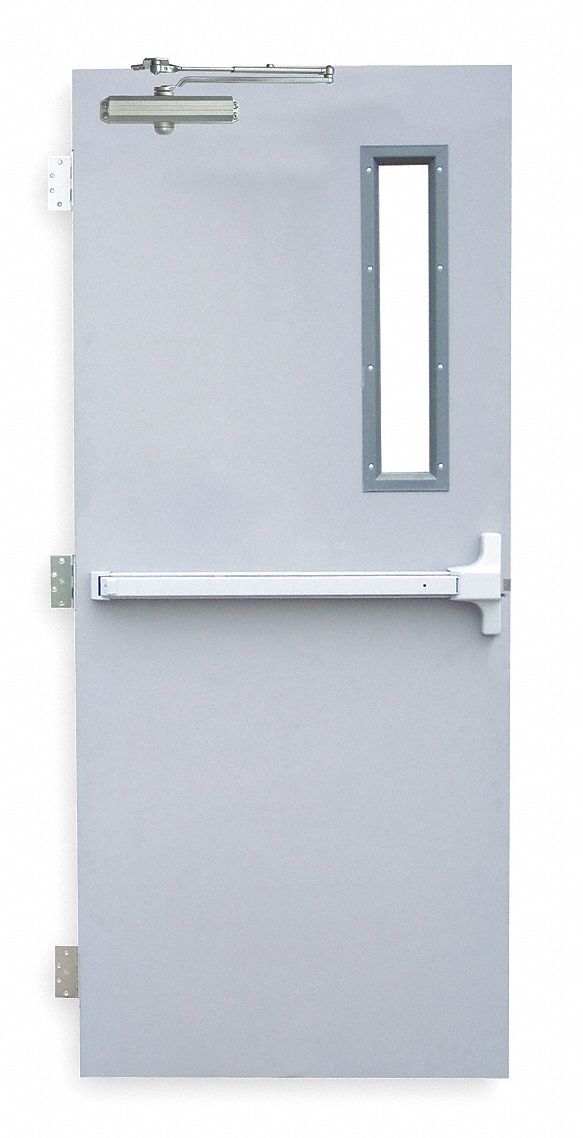
Sometimes, the best option is to replace the door with a modern security door. Choose models with:
- Factory-installed laminated or tempered glass
- Reinforced steel or fiberglass construction
- Multiple locking points
This is a bigger investment, but it’s the gold standard for long-term safety. Look for doors with a certified burglary-resistance rating for maximum protection.
Final Thoughts
Securing a door with a window requires a mix of smart products and careful planning. No single solution is perfect, but combining a strong lock, reinforced glass, and a sturdy frame makes your door much harder to break through. Add lighting and visible security, and you’ll deter most criminals before they even try.
Home security is about layers. Each upgrade adds time and effort for an intruder—often enough to make them move on. The best solution fits your needs, budget, and style. Take action now, and enjoy peace of mind knowing your door is truly protected.
For more guidance on home security options, check out this resource from the Consumer Reports.
Frequently Asked Questions
What Is The Best Lock For A Door With A Window?
The double cylinder deadbolt is often the best choice. It requires a key to open from both sides, so even if someone breaks the glass, they cannot unlock the door by hand. Always keep the key nearby but out of sight for safety.
Can I Use Regular Window Film For Security?
No. Regular window film is for privacy or decoration, not security. Use a true security film that is at least 8-mil thick. It holds the glass together and resists break-ins much better.
Are Security Grilles Or Bars Ugly?
Modern security grilles come in many decorative styles. You can find designs that match your home’s look, so they add protection without making the door look unattractive.
Is Laminated Glass Worth The Cost?
Laminated glass is one of the most effective upgrades for security. It’s expensive but makes it very hard for burglars to break through. If you want the highest security and don’t want bars or grilles, laminated glass is a top choice.
What Should I Do If My Landlord Won’t Let Me Change The Lock?
If you rent, ask for permission before changing locks. If not allowed, use security film on the glass, a portable door brace, and add visible security like cameras or lighting. These upgrades don’t change the door permanently but add real protection.
Credit: www.grainger.com