
Pressure washing your garage floor is a smart way to remove tough dirt, oil stains, and years of grime. But if you’ve tried it before, you know one big problem: keeping the walls dry. Water from the pressure washer can splash everywhere, making a bigger mess and possibly damaging your drywall, paint, or items stored along the sides. Many homeowners start with good intentions but end up spending extra hours cleaning the walls—or worse, dealing with water damage.
The good news? You can get your garage floor spotless while leaving the walls and everything else dry. It just takes the right tools, some smart preparation, and a few techniques that most beginners overlook. This guide will show you exactly how to pressure wash your garage floor without getting the walls wet, step by step.
You’ll learn what to cover, what to move, and how to use your pressure washer for the best results. If you want a clean floor without the extra cleanup, keep reading.
Why Pressure Wash Your Garage Floor?
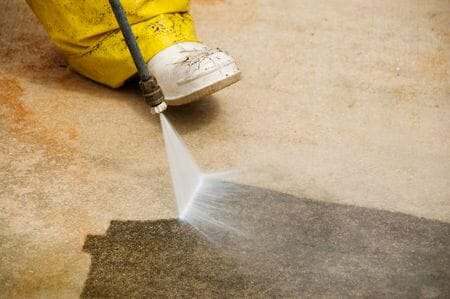
A garage floor collects more dirt and stains than almost any other surface in your home. Oil leaks from cars, dirt from shoes, spilled paint, and even mold can build up over time. Mopping or scrubbing by hand can help, but pressure washing gives a much deeper clean. High-pressure water blasts away grime that’s stuck in cracks and pores of the concrete.
But why not just use a hose or a mop? Standard cleaning only removes surface dirt. Pressure washing can:
- Remove tough oil stains
- Kill mold and mildew
- Prepare the surface for sealing or painting
- Extend the life of your concrete
The result is a brighter, safer, and better-smelling garage. Plus, a clean floor makes the whole garage look more organized.
The Main Challenge: Keeping Walls Dry
When you use a pressure washer indoors, water can bounce off the floor at high speed. These droplets often hit the lower part of your walls, shelves, or anything else nearby. The risk is higher if you’re using a powerful washer or a narrow spray tip.
Why is this a problem?
- Drywall and paint can absorb water, leading to swelling, stains, or peeling
- Stored items might get damaged
- Electrical outlets or wiring near the floor can become unsafe
- Mold can grow behind wet walls
That’s why it’s important to set up your garage before you start. The right prep makes all the difference.

Credit: www.radonseal.com
What You Need Before You Start
Gathering the right tools saves time and avoids mistakes. Here’s what you should have ready before pressure washing your garage floor.
- Pressure washer (electric or gas-powered; 1500–3000 PSI is enough)
- Pressure washer detergent (suitable for concrete)
- Wide-angle spray tip (25-degree or 40-degree, to control splash)
- Surface cleaner attachment (optional but very helpful)
- Plastic sheeting or painter’s drop cloths
- Painter’s tape (blue or green, easily removable)
- Old towels or rags
- Broom or shop vacuum
- Protective gear (goggles, gloves, boots)
- Push broom or squeegee (for drying)
- Buckets and a mop (for spot cleaning)
- Fans or dehumidifier (for drying, if needed)
If your garage has shelves, boxes, or other items near the ground, you’ll also need somewhere to move them during cleaning.
How To Prepare Your Garage
Good preparation is the secret to keeping your walls dry. Here’s how to get your garage ready for pressure washing.
Clear The Area
Move everything off the floor: cars, bikes, tools, storage bins, mats, and anything else that could block cleaning. If you can’t move heavy shelves, cover the lower parts with plastic.
Sweep And Vacuum
Use a broom or a shop vacuum to remove loose dirt, dust, leaves, and debris. This keeps the pressure washer from making mud and helps the detergent work better.
Cover And Protect Walls
This is the step most people skip—and regret later. Take your time here.
- Use plastic sheeting or heavy-duty drop cloths to cover the bottom 2–3 feet of your walls. This is where most splash-back happens.
- Secure the plastic with painter’s tape. Press the tape firmly so water can’t sneak underneath.
- Overlap the plastic by a few inches if you need to use multiple sheets.
- For extra protection, lay old towels along the wall-floor edge to catch stray water.
If you have electrical outlets near the ground, cover them with plastic and tape.
Remove Or Cover Floor Drains
If your garage has drains, check that they’re clear of debris. Cover them with a mesh screen to block large dirt but still let water flow out.
Open Doors And Windows
Ventilation helps moisture escape. Open the garage door and any windows to reduce humidity during and after washing.
Credit: allgaragefloors.com
Choosing The Right Pressure Washer And Attachments
Not all pressure washers are equal. Picking the right one can reduce splash and still clean thoroughly.
Pressure Washer Power
For a garage floor, a washer with 1500–3000 PSI works best. Too much power increases splash risk and can damage concrete.
- Electric models are quieter and make less mess, but may be less powerful.
- Gas models clean faster but create more water spray.
Spray Tips
Spray tips control the angle and strength of the water. Use a 25-degree or 40-degree tip for garage floors. These create a wider spray, spreading water out and reducing bounce.
Avoid 0-degree or 15-degree tips—they’re too focused and cause more splashing.
Surface Cleaner Attachments
A surface cleaner is a round disk with spinning nozzles. It covers more area and keeps water close to the ground, reducing splash. Many home improvement stores rent or sell these. It’s worth the investment if you pressure wash often.
Detergents
Use a concrete-safe detergent. Most pressure washer brands sell their own. Never use bleach or harsh chemicals, as these can damage concrete and create harmful fumes.
Step-by-step: Pressure Washing Without Getting Walls Wet
Now you’re ready to clean. Follow this process to keep the water where it belongs.
1. Pre-treat Stains
Spray oil or heavy stains with a concrete degreaser. Let it sit for 10–15 minutes. Scrub with a stiff brush if needed. This helps lift stains so the pressure washer can remove them easily.
2. Wet The Floor
Before applying detergent, lightly spray the floor with plain water. This helps the cleaning solution spread evenly and prevents it from soaking in too fast.
3. Apply Detergent
Use the detergent nozzle or low-pressure setting. Move in sections, spraying detergent across the floor. Let it soak for 5–10 minutes, but don’t let it dry.
4. Pressure Wash With Care
Switch to your wide-angle spray tip or surface cleaner. Stand a few feet back from the wall and point the nozzle at a low angle—almost parallel to the floor.
- Start in the area farthest from the garage door, so dirty water can flow out.
- Wash in straight lines, moving away from the walls toward the center.
- Keep the nozzle moving to avoid damaging the concrete.
- For edges near the wall, reduce pressure or use a mop for the last inch.
If using a surface cleaner, overlap each pass to prevent missed spots.
5. Rinse And Remove Dirty Water
Once you’ve covered the whole floor, rinse with plain water. Push dirty water toward the garage door with a squeegee or push broom.
If puddles form, use towels or a wet/dry vacuum to soak them up. Don’t let water sit—this can cause new stains or seep under walls.
6. Dry The Area
Open doors and windows. Use fans or a dehumidifier to speed up drying, especially in humid climates.
7. Remove Wall Protection
Once the floor is dry, carefully remove the plastic sheeting and towels. Wipe down the lower part of the walls to make sure they’re dry.
Two Key Techniques Most People Overlook
Even if you follow the basic steps, these two tricks make a huge difference:
1. Spray Away From Walls: Always point the pressure washer away from the wall, never toward it. Even at low angles, water can bounce back. Washing from the wall toward the center keeps splash to a minimum.
2. Clean in Sections: Don’t try to wash the whole floor at once. Break the space into 4–6 sections. This helps you control water and makes it easier to push dirty water out before it pools at the edges.
Common Mistakes To Avoid
Experience shows that most wall splashing comes from a few simple mistakes. Avoid these and you’ll save hours of cleanup:
- Using a Narrow Spray Tip: This creates focused, high-pressure water that bounces off concrete.
- Washing Too Close to Walls: The closer you get, the higher the splash.
- Skipping Wall Protection: Even a quick wash can make a mess—always use plastic sheeting.
- Letting Water Pool: Standing water finds its way under walls or into cracks.
- Ignoring Ventilation: Humid garages take longer to dry, increasing the risk of mold.
Comparing Pressure Washer Attachments
Choosing the right attachment helps control splash and get better results. Here’s a quick look at how they compare:
| Attachment | Best For | Splash Level | Cleaning Speed |
|---|---|---|---|
| Spray Wand (25° tip) | Edges and corners | Medium | Moderate |
| Surface Cleaner | Open floor areas | Low | Fast |
| Turbo Nozzle | Heavy stains | High | Slow |
How To Deal With Tough Stains
Some stains need extra attention, even with a pressure washer.
Oil And Grease
- Use a concrete degreaser and scrub with a stiff brush before pressure washing.
- For older stains, sprinkle cat litter or baking soda to absorb oil overnight, then sweep and wash.
Rust
- Apply a rust remover made for concrete.
- Let it sit as directed, then scrub and pressure wash.
Paint
- Use a paint stripper safe for concrete if needed.
- Avoid harsh chemicals that can damage the floor.
Protecting Your Walls: Materials And Tips
Not sure which wall covering to use? Here’s a comparison to help you decide:
| Covering Material | Cost | Reusable? | Waterproof | Ease of Use |
|---|---|---|---|---|
| Plastic Sheeting | Low | Yes | Excellent | Easy |
| Painters’ Drop Cloth | Medium | Yes | Good | Moderate |
| Old Towels/Blankets | Free | Yes | Fair | Easy |
| Cardboard | Free | No | Poor | Easy |
Plastic sheeting is the best choice for most people. It’s waterproof, affordable, and easy to tape in place.
Drying And Aftercare
A clean garage floor isn’t finished until it’s dry and ready to use. Here’s how to speed up the process and prevent problems.
- Use fans to move air across the floor. Two box fans can dry a two-car garage in a few hours.
- A dehumidifier helps in humid climates or rainy weather.
- Keep the garage door open, but watch for leaves or debris blowing in.
- Check corners and edges for hidden puddles. Wipe with towels or use a wet/dry vacuum if needed.
Once dry, you can:
- Apply a concrete sealer to protect against future stains
- Paint the floor for a finished look
- Move items back in, but avoid placing cardboard or fabric until the floor is fully dry

Credit: www.youtube.com
Advanced Tips For Pro Results
If you want a finish like a pro, try these advanced ideas:
- Use a Foam Cannon Attachment: This creates thick foam that sticks to the floor, loosening dirt without bouncing water.
- Add a Gutter Guard: Place a flexible rubber strip along the wall edge to block water from sneaking under the plastic.
- Test on a Small Area: Before washing the whole floor, test your setup in one corner to check for splashing or leaks.
- Double Tape Corners: Corners are where water sneaks in. Use extra tape for a tight seal.
- Work with a Partner: One person washes while the other moves towels or checks for leaks.
Safety Reminders
Pressure washing is safe if you follow a few basic rules:
- Always wear goggles and boots. Water at high pressure can hurt your eyes or skin.
- Never point the washer at people or pets.
- Keep cords and hoses out of water to prevent shocks.
- Use only detergents made for pressure washers.
- Don’t use a gas washer in a closed garage—carbon monoxide is dangerous.
When To Avoid Pressure Washing
Pressure washing isn’t always the answer. Avoid it if:
- Your garage floor is cracked or crumbling—high-pressure water can make it worse.
- The walls are unsealed drywall or have water damage—wait until repaired.
- There are electrical hazards near the floor—cover or disconnect before washing.
Eco-friendly Cleaning Tips
You can clean your garage floor and protect the environment:
- Use biodegradable detergents.
- Collect dirty water if it contains oil or chemicals—don’t let it flow into storm drains.
- Sweep debris before washing to reduce runoff.
- Reuse plastic sheeting and towels.
Real-world Example
Let’s look at how these steps work in practice.
Anna, a homeowner in Ohio, needed to clean her two-car garage. She used a 2000 PSI electric pressure washer and covered her drywall with heavy plastic. Anna started in the far corner, using a surface cleaner. She sprayed away from the walls and cleaned in four sections, pushing water toward the garage door after each. Only a few drops landed on the wall edge, easily caught by towels. Her floor dried in three hours with fans running. Anna’s main lesson: “Taking time to cover the walls saved me hours of extra work.”
What If You Get The Walls Wet?
Even with careful setup, accidents can happen. Here’s what to do if water splashes on your walls:
- Wipe up water immediately with towels.
- Use fans to dry the area quickly.
- Check behind plastic for damp spots.
- If drywall gets soaked, watch for bubbling or stains—repair as needed.
- Consider repainting with water-resistant paint if this happens often.
When To Call A Professional
If your garage has:
- Extensive oil or chemical stains
- Crumbling concrete
- Mold along the walls
…it may be worth hiring a professional cleaning service. They have specialized tools and can ensure the whole garage is cleaned and dried safely. For most homeowners, though, the steps above are enough for great results.
Quick Reference: Steps For Success
- Move items off the floor.
- Sweep and vacuum.
- Cover walls with plastic and tape.
- Pre-treat stains.
- Wet the floor.
- Apply detergent.
- Pressure wash using a wide-angle tip, away from walls.
- Rinse and push dirty water out.
- Dry with fans.
- Remove wall coverings and check for leaks.
Stick to this routine, and you’ll avoid wet walls every time.
Frequently Asked Questions
How Much Pressure Should I Use For Cleaning My Garage Floor?
For most garage floors, 1500–3000 PSI is ideal. This is strong enough to clean, but not so strong that it causes excessive splash or damages the concrete. Avoid using the highest setting unless you have very stubborn stains.
Can I Use Cardboard Or Old Blankets Instead Of Plastic To Cover My Walls?
Plastic sheeting is much better because it’s waterproof. Cardboard absorbs water and falls apart quickly. Blankets or towels can work in a pinch but may let moisture through. For best results, use plastic with painter’s tape.
What Kind Of Detergent Should I Use In My Pressure Washer?
Always use a detergent made for pressure washers and safe for concrete. These products are designed to clean without damaging surfaces or causing harmful runoff. Avoid using bleach or household cleaners, which can be too harsh.
Is It Safe To Pressure Wash Inside A Closed Garage?
Never use a gas-powered pressure washer in a closed garage—it creates dangerous carbon monoxide fumes. Electric models are safer, but always keep the area well-ventilated by opening doors and windows.
How Often Should I Pressure Wash My Garage Floor?
Most homeowners find that once or twice a year is enough to keep the floor clean and prevent buildup. If you park leaky vehicles or use your garage as a workshop, you might need to clean more often.
For more tips on concrete cleaning and garage maintenance, you can check this Family Handyman guide.
A little preparation goes a long way. With the right setup and techniques, you’ll get a sparkling clean garage floor—without the headache of wet, messy walls.