
Polished concrete floors have become a popular choice for homes, offices, and public spaces. Their glossy look, durability, and low maintenance needs make them attractive. But, like any surface, they are not immune to stains. Accidental spills, foot traffic, and even cleaning products can leave marks. Removing stains from polished concrete floors is possible, but it requires the right approach. Using the wrong method or product might make the stain worse or damage the shine. In this guide, you will learn effective ways to handle every common type of stain, practical tips to prevent future issues, and insights to keep your floors looking their best.
Understanding Polished Concrete Floors
Polished concrete is not just regular concrete with a shine. The surface is mechanically ground, honed, and polished using special machines and diamond pads. This process creates a smooth, reflective finish. Sometimes, a densifier is added to make the floor harder and less porous. Some floors also have a sealer for extra protection.
It’s important to know that, even polished, concrete is slightly porous. This means spills can soak in if left too long. The good news is that most stains can be removed if you act quickly and use the right method.
Why Stains Happen On Polished Concrete
Stains appear when substances—like coffee, oil, or rust—get into the pores of the concrete. Even if the floor is sealed, some aggressive liquids can still cause problems. The most common stain types are:
- Organic stains (food, drink, plant material)
- Oil-based stains (cooking oil, motor oil)
- Rust stains (from metal objects)
- Chemical stains (cleaners, acids)
- Water stains (hard water, minerals)
- Dye or ink stains
Knowing the stain type helps you pick the right removal method. For example, oil needs a degreaser, while rust needs a different chemical. Using the wrong cleaner can set the stain or dull the polish.

Credit: www.youtube.com
Preparing To Remove Stains
Before you start, gather the right tools and products. Here’s a simple checklist:
- Soft microfiber mop or cloth
- Plastic scraper
- PH-neutral cleaner
- Degreaser (for oil)
- Poultice powder or paste
- Mild acid cleaner (for rust)
- Spray bottle with water
- Soft-bristle brush
- Personal protective equipment (gloves, goggles)
Never use harsh chemicals, wire brushes, or abrasive pads. These can scratch or etch the surface. Test any cleaner on a small, hidden area first to check for damage or discoloration.
General Steps For Stain Removal
- Act quickly: The sooner you clean, the easier it is to remove the stain.
- Blot, don’t rub: Use a dry cloth to blot up spills. Rubbing can spread the stain.
- Rinse with water: Remove as much of the substance as possible with water before using chemicals.
- Choose the right cleaner: Match the product to the stain type.
- Scrub gently: Use a soft brush and circular motion.
- Rinse well: Remove all cleaner residue to avoid new marks.
- Dry completely: Use a clean towel or let air dry.
Let’s look at how to remove specific stains in detail.

Credit: totalfloorsandingandpolishing.com.au
Removing Common Stains From Polished Concrete
1. Oil And Grease Stains
Oil is a frequent problem, especially in kitchens and garages. Polished concrete can resist oil for a short time, but if left, it will seep into the pores.
Steps:
- Blot up as much oil as possible with a paper towel.
- Sprinkle baking soda or cat litter on the spot to absorb oil. Let it sit for 15–30 minutes.
- Sweep up the powder.
- Apply a concrete degreaser (follow label instructions).
- Scrub gently with a soft brush.
- Rinse with clean water.
- Repeat if necessary.
Pro tip: Avoid hot water, which can spread the oil. For old stains, use a poultice paste (see below).
2. Food And Drink Stains
Coffee, wine, sauces, and other foods can leave colored stains.
Steps:
- Wipe up spills immediately.
- Use a pH-neutral cleaner and water.
- Scrub gently.
- For stubborn stains, apply a baking soda paste (mix baking soda with water) and let sit for 10 minutes.
- Rinse thoroughly.
Insight: Some natural dyes (like beetroot or turmeric) can be very stubborn. These may need repeated cleaning or a specialty stain remover.
3. Rust Stains
Rust forms from metal objects (tools, cans, chairs) that sit on wet concrete.
Steps:
- Move the metal object.
- Mix lemon juice or white vinegar with water (1: 1 ratio).
- Apply to the stain, let sit for 5–10 minutes.
- Scrub with a soft brush.
- Rinse well with water.
Important: Do not use strong acids (like muriatic acid) as they can damage polished concrete.
4. Ink And Dye Stains
Markers, pens, or hair dye can leave colored marks.
Steps:
- Blot up any liquid.
- Use rubbing alcohol on a cloth to dab the stain.
- Rinse with water.
- If stain remains, try a poultice (see below).
5. Mold And Mildew
Damp areas can develop black or greenish stains.
Steps:
- Mix a solution of water and a small amount of hydrogen peroxide.
- Apply to the stain and let sit for 10 minutes.
- Scrub gently.
- Rinse and dry.
Safety tip: Ensure good ventilation when using peroxide.
6. Paint And Adhesive Stains
Paint drips or glue can stick to polished concrete.
Steps:
- Scrape off excess with a plastic scraper.
- Use a small amount of solvent (like acetone for paint) on a cloth.
- Rub gently.
- Clean the area with water.
Warning: Test solvents first. Some can dull the polish.
7. Water Spots And Mineral Deposits
White stains often come from hard water or cleaning with dirty mops.
Steps:
- Use a mix of water and vinegar (1: 1).
- Apply to the spot for 5 minutes.
- Scrub gently.
- Rinse thoroughly with water.
8. Tire Marks
Rubber tires can leave black marks, especially in garages.
Steps:
- Clean with a pH-neutral cleaner.
- For stubborn marks, use a small amount of acetone on a cloth.
- Rinse well.
9. Urine And Pet Stains
Accidents from pets can cause yellowish stains and odor.
Steps:
- Blot up liquid immediately.
- Clean with water and pH-neutral cleaner.
- Apply an enzyme-based cleaner to remove odor.
10. Chemical Burns Or Etching
Acids or harsh cleaners can leave dull spots.
Steps:
- Unfortunately, etching is permanent without repolishing.
- Use a polishing compound and a soft pad to gently buff the area.
- If needed, call a professional.
How To Use A Poultice For Deep Stains
A poultice is a paste that draws out deep stains. You can buy ready-made poultice or make one at home.
DIY Poultice recipe:
- Mix baking soda (or diatomaceous earth) with water or a stain-specific chemical (like hydrogen peroxide for organic stains).
- Spread the paste over the stain (about 1/4 inch thick).
- Cover with plastic wrap and tape down edges.
- Let sit 12–24 hours.
- Remove the wrap and scrape off the paste.
- Rinse well.
Poultice works best for: oil, ink, wine, and some food stains.
Non-obvious tip: For colored stains, use hydrogen peroxide as the liquid. For oil, use acetone.
Comparing Stain Removal Methods
To help you choose the right method, here is a comparison of common techniques:
| Stain Type | Best Removal Method | Time Needed | Risk of Damage |
|---|---|---|---|
| Oil/Grease | Degreaser & Poultice | 30–60 min | Low |
| Rust | Lemon/Vinegar Solution | 15–30 min | Medium (if too acidic) |
| Ink/Dye | Alcohol & Poultice | 20–24 hrs | Low |
| Mold/Mildew | Hydrogen Peroxide | 30 min | Low |
| Paint/Adhesive | Solvent & Scraping | 15–60 min | Medium (test first) |
Home Vs. Commercial Stain Removers
Should you use household products or buy special cleaners? Here’s a quick look:
| Product Type | Pros | Cons | Best For |
|---|---|---|---|
| Household (vinegar, baking soda) | Cheap, available, safe | May need repeat applications, not for all stains | Food, water, minor stains |
| Commercial (degreaser, poultice) | Stronger, faster | Can be harsh, higher cost | Oil, ink, old stains |
Insider tip: Many people try bleach for tough stains. This is not recommended as it can discolor and weaken the polished layer.
Preventing Stains On Polished Concrete
Prevention is the best cure. Here’s how to keep your floors spotless:
- Seal the surface: A good concrete sealer makes stains less likely to stick. Reseal every 2–3 years.
- Clean spills immediately: Don’t let liquids sit.
- Use mats and rugs: Place them near doors, kitchens, and under vehicles.
- Regular cleaning: Dust mop daily, wet mop weekly with a pH-neutral cleaner.
- Avoid harsh chemicals: Steer clear of bleach, ammonia, or acidic cleaners.
- Furniture pads: Use under metal objects to prevent rust.
- Educate users: Make sure everyone knows not to drag heavy items or leave spills.
Non-obvious advice: Some cleaners leave behind a sticky residue that attracts dirt. Always rinse floors well after cleaning.
What Not To Do: Common Mistakes
Many people make errors that make stains worse or damage the polish. Watch out for these:
- Using strong acids (like hydrochloric or muriatic acid)
- Using wire brushes or steel wool
- Letting stains sit too long
- Over-scrubbing with abrasive pads
- Using wax-based cleaners (these leave a film)
- Ignoring proper drying (leaving the area damp)
Example: Someone tries to remove rust with a strong acid. The rust goes away, but now there’s a dull, etched spot that cannot be fixed without professional repolishing.
When To Call A Professional
Sometimes, DIY methods are not enough. Call a concrete polishing specialist if:
- The stain is very large or deep.
- The floor looks etched or dull after cleaning.
- The stain keeps coming back (could be from under the slab).
- You are unsure about the type of stain or best cleaner.
Professionals have access to industrial tools and chemicals that are not available in stores. They can also repolish damaged spots.
Caring For Your Polished Concrete Floor
After removing stains, regular care will keep your floor shiny and beautiful.
- Mop with a microfiber mop and a pH-neutral cleaner.
- Avoid soaking the floor with lots of water.
- Buff the surface with a soft pad every few weeks.
- Reapply sealer as recommended.
- Inspect for cracks or chips and repair quickly.
Advanced tip: In high-traffic areas, consider a “burnishing” pad for extra gloss. This is not the same as regular polishing.
Special Cases: Old Or Set-in Stains
Sometimes, you find an old stain that has been there for months or years. These are harder to remove. Try this method:
- Clean the area as usual with water and pH-neutral cleaner.
- Apply a poultice paste and cover for 24–48 hours.
- Remove and rinse.
- Repeat if needed.
If the stain still remains, it may be permanent. Covering with a rug or mat may be the only practical solution short of repolishing.
Environmental And Health Considerations
Many commercial stain removers contain strong chemicals. When cleaning, always:
- Wear gloves and eye protection.
- Ventilate the area well.
- Store chemicals safely, away from children and pets.
- Dispose of used cleaners according to local rules.
Green cleaning tip: Whenever possible, start with water, baking soda, or vinegar before moving to stronger products.
Comparing Polished Concrete To Other Flooring
How Does Polished Concrete Compare For Stain Resistance?
| Flooring Type | Stain Resistance | Ease of Cleaning | Typical Problems |
|---|---|---|---|
| Polished Concrete | High (if sealed) | Easy | Porosity, etching |
| Tile | High | Moderate (grout stains) | Grout lines |
| Carpet | Low | Hard | Absorbs stains |
| Wood | Medium | Moderate | Scratching, water stains |
Observation: Polished concrete is easier to clean than carpet and less sensitive than wood, but it does need care to avoid etching and deep stains.
Long-term Maintenance: Keeping Stains Away
A clean, shiny floor is not just about removing stains. Here is how to keep it that way for years:
- Regularly inspect: Look for new stains, chips, or dull spots.
- Follow a cleaning schedule: Daily dust mopping, weekly wet mopping.
- Use only recommended products: Check with your installer or manufacturer.
- Train cleaning staff: In offices or schools, make sure cleaning crews know how to care for polished concrete.
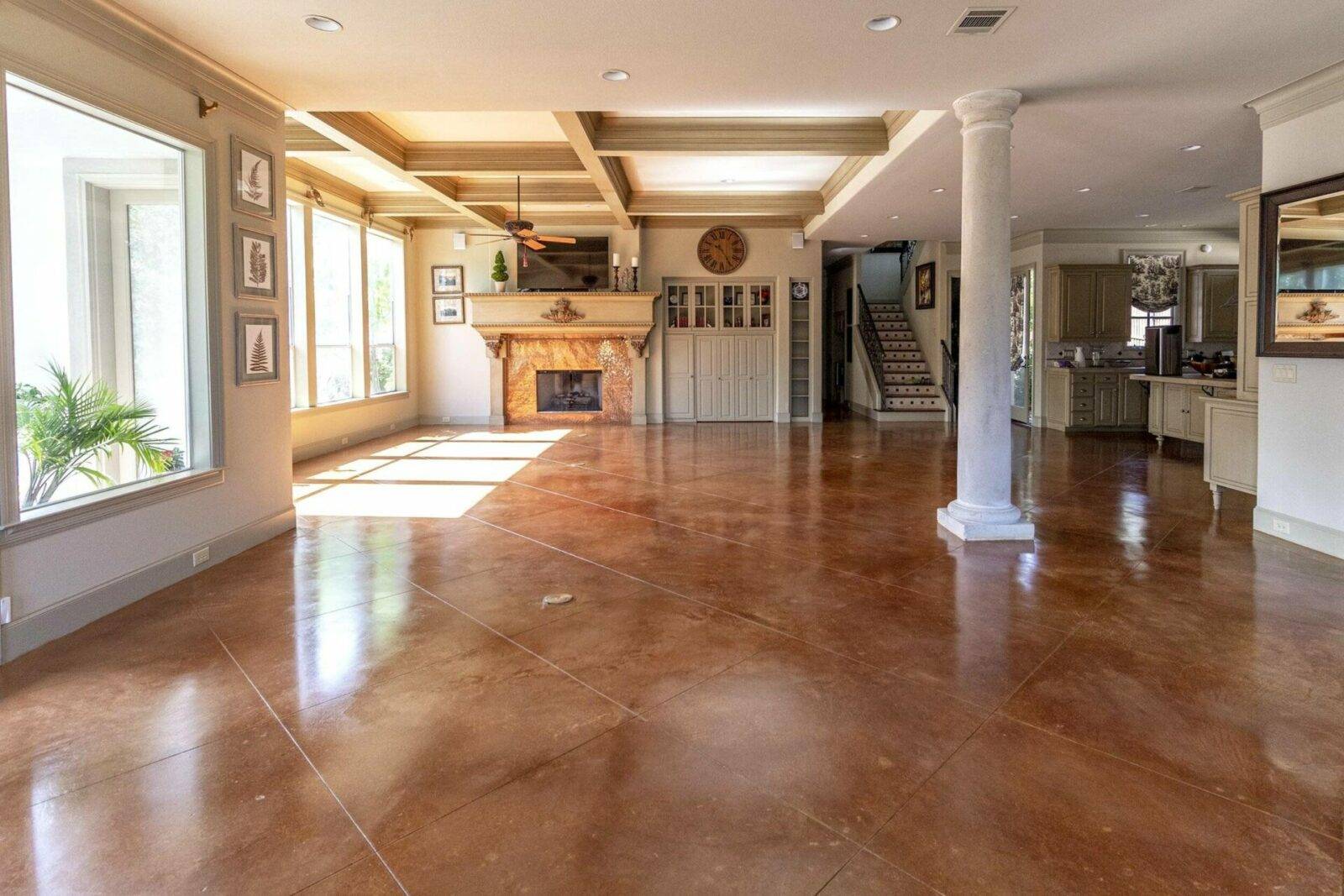
Credit: www.craftsmanconcretefloors.com
Resources For Safe Stain Removal
If you want to learn more about caring for polished concrete, check out the Concrete Network for detailed guides and expert advice.
Frequently Asked Questions
How Do I Know If My Polished Concrete Floor Is Sealed?
Most sealed floors bead water on the surface. Drip a small amount of water—if it soaks in, the floor likely needs resealing. If the water stays on top for a minute or more, the sealer is still working.
Can I Use Bleach To Clean Stains From Polished Concrete?
Bleach is not recommended. It can discolor the floor and weaken the polish. Use pH-neutral cleaners or stain-specific products instead.
What If A Stain Does Not Come Out After Cleaning?
Some stains are very deep or permanent. Try a poultice for 24–48 hours. If the stain remains, consider professional help or covering the spot with a mat.
How Often Should I Reseal My Polished Concrete Floor?
Most floors need resealing every 2–3 years, but high-traffic areas may need it more often. Check with your installer for the right schedule.
Are Polished Concrete Floors Safe For Pets And Children?
Yes, as long as you use safe, non-toxic cleaners and clean up spills quickly. Avoid harsh chemicals and keep the floor dry to prevent slipping.
Polished concrete floors are beautiful and practical, but they do require thoughtful care—especially when it comes to stains. By acting quickly, choosing the right cleaners, and following the tips above, you can keep your floors looking new for years. Remember, prevention is key, and when in doubt, ask a professional.
With the right knowledge, even tough stains don’t stand a chance.