
Removing Rug Pad Residue From Hardwood Floors: A Complete Guide
Stepping onto a sticky patch or seeing dull marks left behind after pulling up an old rug pad can be frustrating. Many homeowners face this problem, especially when they lift a rug that’s been in place for years. Rug pad residue not only looks bad, it can make your floor feel tacky, collect dirt, and even damage your beautiful hardwood if not handled correctly. But don’t worry—removing rug pad residue from hardwood floors is possible, and you can do it without causing harm to your wood.
The process requires a careful approach. You need to know what works, what to avoid, and how to protect your floors during and after cleaning. In this guide, you’ll learn why residue forms, how to choose the right removal method, and how to restore your floor’s shine.
You’ll also get practical tips, step-by-step instructions, and solutions for tough cases. Whether you’re a first-time homeowner or a long-time renter, these insights will help you tackle sticky residue with confidence.
Why Rug Pad Residue Happens
Rug pads are designed to protect both your rugs and floors. They prevent slipping, cushion footsteps, and even reduce wear. However, not all rug pads are created equal. Many affordable pads are made from synthetic rubber or PVC, which can react with hardwood floor finishes over time.
The main reasons for residue include:
- Chemical Reaction: Some rug pads contain plasticizers or adhesives that break down with heat, humidity, or age. These chemicals can soften and stick to your floor’s surface.
- Moisture Trapping: A rug pad can hold moisture against the floor, especially in humid climates or if spills are not cleaned quickly. This can soften adhesives and cause sticky spots.
- Low-Quality Materials: Cheaper pads often leave more residue because they use lower-grade rubber or PVC, which breaks down faster.
- Age and Pressure: Years of foot traffic can press pad material into the wood, making removal harder.
Non-slip rug pads and pads labeled “safe for hardwood” are less likely to leave residue, but even these can sometimes cause problems if left for many years.
Assessing The Situation
Before you start cleaning, assess the extent and type of residue. This helps you pick the safest and most effective method.
- Type of Floor Finish: Determine if your floor is finished with polyurethane, wax, or oil. Polyurethane is most common in newer homes; older homes may have wax or oil finishes. Each responds differently to cleaning products.
- Amount of Residue: Is it a light sticky film, or are there thick, rubbery patches? Light residue may clean up easily, but thick or hardened spots need more work.
- Area Size: Large areas may require a different approach than small spots.
If you’re unsure about your floor’s finish, test a small hidden area before using any cleaner.
Essential Tools And Supplies
Having the right tools makes a big difference. Here’s what you’ll need for most residue removal methods:
- Plastic scraper or putty knife (never use metal)
- Soft microfiber cloths
- Clean sponges
- White vinegar (diluted)
- Mild dish soap
- Mineral spirits (odorless is best)
- Rubbing alcohol
- Baking soda
- Old towels
- Rubber gloves
- Spray bottle
- Bucket of warm water
- Vacuum cleaner (with hardwood attachment)
Optional:
- Goo Gone or a similar commercial adhesive remover (only for stubborn cases, check compatibility)
- Wood floor polish or conditioner
Safe Removal Methods For Hardwood Floors
1. Dry Cleaning First
Always start with dry cleaning. This means removing as much residue as possible without using any liquids.
- Vacuum the area to remove dust and loose particles.
- Use a plastic scraper or an old credit card to gently lift up any thick pieces of residue. Hold the scraper flat to avoid scratching.
- Go slowly. If the residue does not come up easily, do not force it.
2. Warm Water And Mild Dish Soap
For many light residues, a simple mix of warm water and mild dish soap is effective and safe.
- Mix a few drops of dish soap into a quart of warm water.
- Dampen a microfiber cloth—never soak it. Too much water can damage hardwood.
- Wipe the sticky area, working in small sections.
- Use a dry towel to immediately dry the area.
Practical Tip:
Never pour water directly onto hardwood. Always use a damp (not wet) cloth.
3. White Vinegar Solution
White vinegar is a gentle cleaner that can break down sticky residue. However, it is slightly acidic, so use it sparingly.
- Mix one part vinegar with four parts water.
- Spray lightly onto a cloth, not the floor.
- Rub the residue gently in a circular motion.
- Wipe with a damp (plain water) cloth, then dry.
Non-obvious Insight:
Vinegar is safe for polyurethane-finished wood in small amounts, but should be avoided on waxed or oiled floors as it can dull the finish.
4. Rubbing Alcohol
Rubbing alcohol is great for dissolving sticky residues, but it evaporates fast and won’t damage most finishes if used carefully.
- Pour a small amount onto a cloth.
- Rub the residue gently.
- Wipe with a damp cloth and dry immediately.
Example:
Rubbing alcohol is especially helpful for removing sticky spots left by rubber-backed pads.
5. Baking Soda Paste
For stubborn patches, baking soda offers gentle abrasion without scratching the wood.
- Mix baking soda with a bit of water to make a thick paste.
- Apply the paste to the residue.
- Let it sit for 5 minutes.
- Rub gently with a soft cloth in a circular motion.
- Wipe with a damp cloth, then dry.
Pro Tip:
Test baking soda paste on a hidden spot first, as it can sometimes dull a high-gloss finish.
6. Mineral Spirits
Mineral spirits can dissolve oily or sticky residues that other cleaners can’t touch. It is safe for most polyurethane finishes, but should not be used on waxed or unfinished wood.
- Put on gloves and open windows for ventilation.
- Dampen a cloth with mineral spirits (do not soak).
- Wipe the residue, applying gentle pressure.
- Immediately buff with a clean, dry towel.
Important Note:
Never use paint thinner or harsh solvents, as these can strip the finish or discolor the wood.
7. Commercial Adhesive Removers
Products like Goo Gone or Un-Du can help with very stubborn residue, but use with caution.
- Check the label: It should say “safe for hardwood floors.”
- Test in a hidden spot.
- Apply a small amount to a cloth, rub gently, then wipe clean with a damp cloth.
- Remove all product traces to avoid slippery spots.
Non-obvious Insight:
Some commercial removers contain citrus oils or petroleum, which can leave a film. Always finish by cleaning with mild soap and water.
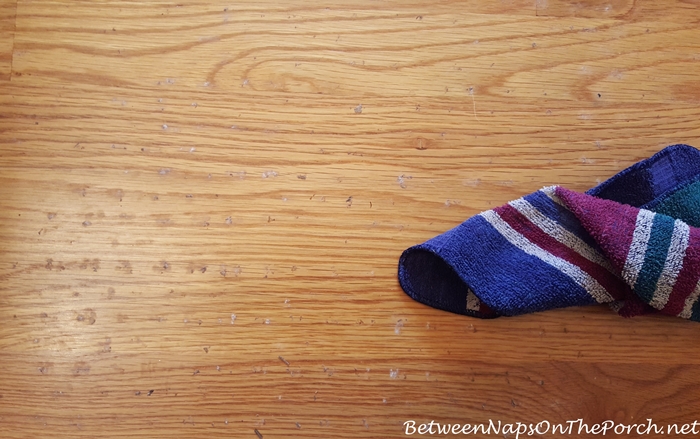
Credit: betweennapsontheporch.net
Comparison Of Removal Methods
To help you decide which method to use, here’s a quick comparison:
| Method | Effectiveness | Best For | Risks |
|---|---|---|---|
| Dry Scraping | Low-Medium | Thick, loose residue | Scratching if not careful |
| Soap & Water | Medium | Light sticky films | Water damage if soaked |
| Vinegar Solution | Medium | Most sticky spots | Dulls wax/oil finishes |
| Rubbing Alcohol | High | Sticky rubber/plastic residue | Can dry finish if overused |
| Baking Soda Paste | Medium-High | Hardened patches | Dulls high-gloss if overused |
| Mineral Spirits | High | Stubborn oily residue | Not for waxed/oiled floors |
| Commercial Remover | Very High | Thick, old residue | Test for compatibility |
Step-by-step Guide To Remove Rug Pad Residue
Now let’s bring it all together with a clear, step-by-step approach.
Step 1: Remove Loose Material
- Use a plastic scraper or old credit card to gently lift up any large or loose pieces of residue.
- Vacuum or sweep away debris.
Step 2: Start Mild
- Dampen a microfiber cloth with a mix of warm water and mild dish soap.
- Wipe the affected area.
- Dry immediately with a towel.
Step 3: Increase Cleaning Power
If soap and water don’t work:
- Test a small area with a vinegar solution or rubbing alcohol.
- Rub gently and check for any effect on the floor finish.
- If safe, clean the rest of the residue.
Step 4: Tackle Stubborn Spots
For tough, stuck-on patches:
- Apply baking soda paste or use a cloth with a small amount of mineral spirits.
- Rub gently in circles.
- Wipe clean with a damp cloth and dry.
Step 5: Use Commercial Removers (if Needed)
- As a last resort, use a product like Goo Gone, following the label and after testing.
- Clean all traces of the remover to prevent slippery floors.
Step 6: Restore The Shine
- When all residue is gone, consider using a wood floor polish or conditioner to restore luster.
- Apply as directed and buff with a clean cloth.
Step 7: Prevent Future Problems
- Use only high-quality, natural rubber or felt rug pads labeled “safe for hardwood floors.”
- Lift and clean under your rugs every few months.
- Avoid cheap plastic or PVC rug pads.
Common Mistakes To Avoid
Many people end up damaging their floors while trying to clean them. Here are mistakes to avoid:
- Using metal tools: These can easily scratch hardwood, leading to costly repairs.
- Soaking the floor: Too much water can seep into cracks and cause warping or staining.
- Harsh chemicals: Products like acetone, paint thinner, or bleach can strip the finish or discolor the wood.
- Not testing first: Always test your cleaner on a hidden area.
- Ignoring the floor finish: Know what type of finish you have before using any liquid or solvent.
When To Call A Professional
Sometimes, DIY methods are not enough. If you see any of these signs, it’s best to call a hardwood floor professional:
- The residue has caused discoloration or staining.
- The finish is peeling, cloudy, or uneven.
- The floor feels sticky or soft after cleaning.
- You’re not sure what products are safe for your floor.
A professional can refinish or repair the floor if needed.
What To Do After Cleaning
Once all residue is removed, take steps to keep your floors looking their best:
- Buff the area with a clean, dry microfiber cloth to restore shine.
- Apply a wood conditioner or polish if the finish looks dull.
- Replace your rug pad with one designed for hardwood floors.
- Clean the area regularly to prevent new buildup.
Comparing Rug Pad Types
Choosing the right rug pad can prevent future problems. Here’s how common types compare:
| Pad Type | Material | Residue Risk | Best For |
|---|---|---|---|
| Natural Rubber | Rubber Tree Sap | Low | All hardwood floors |
| Felt | Recycled Fibers | None | Large rugs, extra cushion |
| PVC/Plastic | Vinyl, PVC | High | Low-traffic, short-term use |
| Latex-blend | Latex & Fillers | Medium | Temporary protection |
Key tip: Always look for pads labeled “safe for hardwood floors.” For more information on rug pad materials, visit the Wikipedia Rug Pad page.
Credit: www.reddit.com
Dealing With Old, Hardened Residue
Sometimes, residue has been on the floor so long it hardens and bonds with the finish. Here’s how to handle these tough spots:
- Start with a plastic scraper to break up large pieces.
- Use mineral spirits or a commercial remover, letting it sit for a few minutes before wiping.
- If the finish comes off with the residue, stop and call a professional—your floor may need refinishing.
Example:
A homeowner found 10-year-old PVC residue under an entryway rug. After dry scraping, only mineral spirits and careful rubbing removed the sticky patch without harming the finish.
Protecting Your Hardwood Floor After Cleaning
After all your hard work, protect your floors from future damage:
- Place only natural rubber or felt pads under rugs.
- Clean under rugs every 3–6 months.
- Control humidity in your home to prevent moisture buildup.
- Avoid sliding furniture or heavy objects across the floor.

Credit: diy.stackexchange.com
Statistics And Real-world Insights
- Over 70% of rug pad residues come from PVC or synthetic rubber pads, especially on polyurethane floors.
- Natural rubber and felt pads have less than a 1% chance of leaving residue if cared for properly.
- Homeowners often wait 5–10 years before lifting rugs, allowing residue to bond deeply with the finish.
Non-Obvious Insight: Sunlight can speed up the breakdown of synthetic rug pads, especially in rooms with large windows. Rotate your rugs every few months to reduce this effect.
Frequently Asked Questions
What Is The Safest Way To Remove Rug Pad Residue From Hardwood Floors?
The safest way is to start with dry scraping using a plastic tool, then clean with warm water and mild dish soap. If residue remains, use rubbing alcohol or mineral spirits in small amounts, always testing in a hidden area first.
Will Vinegar Damage My Hardwood Floor Finish?
Vinegar is safe for polyurethane finishes when diluted (1:4 with water) and used in small amounts. Avoid vinegar on waxed or oiled floors, as it can dull the finish.
Can I Use Goo Gone Or Other Adhesive Removers?
Yes, but only use products labeled “safe for hardwood floors.” Always test in a hidden spot, use sparingly, and clean off any residue with soap and water after use.
How Can I Prevent Residue From Coming Back?
Use high-quality natural rubber or felt rug pads labeled “safe for hardwood.” Clean under rugs every few months and avoid PVC or plastic-backed pads.
What Should I Do If The Residue Has Stained Or Damaged The Wood?
If cleaning leaves behind stains or damages the finish, call a professional hardwood floor refinisher. They can sand, recoat, or repair the area as needed.
Removing rug pad residue from hardwood floors can be a tedious task, but with the right methods and a gentle approach, you can restore your floor’s beauty and protect it for years to come. Take your time, use the safest products, and you’ll enjoy a smooth, shiny hardwood surface once again.