
Removing carpet tape from laminate flooring can be a frustrating task. Many people worry about damaging the smooth surface or leaving sticky residue that attracts dirt. If you have installed carpet runners or area rugs using double-sided tape, you may find that the tape seems almost fused to the laminate.
The good news is, with the right approach, you can remove both the tape and adhesive without harming your floor. This guide will walk you through every step, from understanding your flooring to choosing safe removal methods, and even how to prevent future issues.
Why Removing Carpet Tape Is Challenging
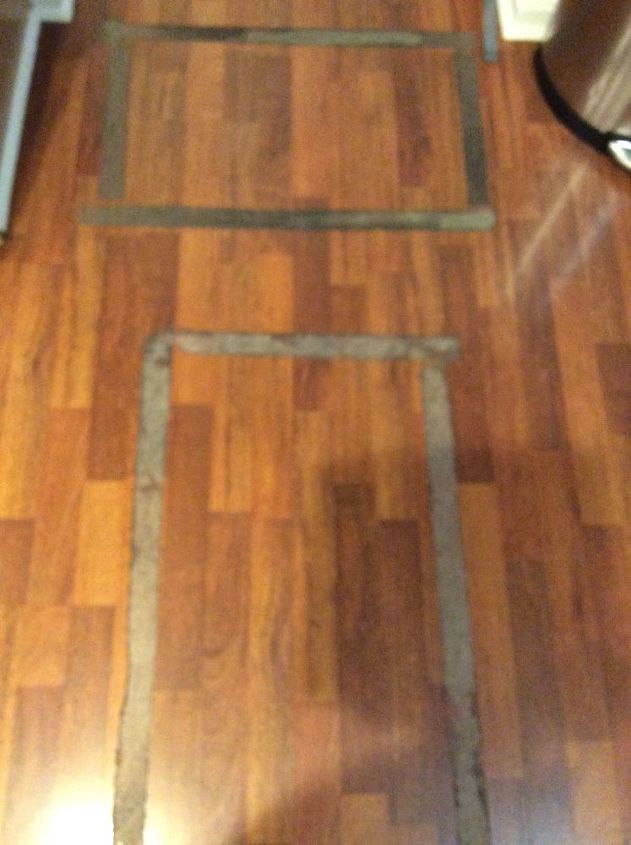
Carpet tape is designed to stick strongly. It must hold rugs and carpets in place despite foot traffic, vacuuming, and furniture movement. When you try to pull it up, often only the top layer comes off, leaving a sticky mess behind. This is even more problematic with laminate flooring, which can scratch or discolor if you use harsh methods. Unlike hardwood, laminate has a thin protective layer that you must not break.
Many people underestimate how persistent the adhesive can be. For example, some tapes use synthetic glues that actually bond more over time, especially if they have been exposed to heat or sunlight. In those cases, a simple soap and water solution won’t cut it.
Also, as laminate flooring ages, the surface can become slightly more porous, making it even more important to avoid aggressive scraping or soaking.
The key is patience, the right tools, and knowing what works best for your type of tape and floor. Rushing the process or using the wrong cleaner can turn a simple job into a costly repair.
Understanding Laminate Flooring And Carpet Tape
Before you begin, it helps to know what you are dealing with. Laminate flooring is made from several layers, with a photographic wood image and a tough clear coating on top. It is not solid wood, so it cannot be sanded or refinished if damaged. That’s why any removal method must protect this surface.
Laminate’s top layer, called the “wear layer,” is what gives the floor its shine and resistance to scratches. This layer is very thin—often less than a millimeter—so it’s easy to damage if you use something too rough. Once it’s scratched, you can’t repair it like you would with real wood.
Carpet tape usually has a strong adhesive. There are two main types:
- Double-sided foam tape: Thicker, with a spongy feel.
- Double-sided film tape: Thin, clear, and often harder to see.
Some tapes are labeled “removable” but may still leave residue. Others are meant for permanent installation and can be extremely stubborn.
A detail many people miss: sometimes, the adhesive can react with the floor finish, especially if the tape is left for years. This is why you might find yellowed or hardened spots that need extra care.
What You Will Need
Gathering the right supplies before you start will make the process smoother. Here’s a list of items you may need:
- Plastic scraper or old credit card
- Microfiber cloths
- Mild dish soap
- Warm water
- White vinegar
- Rubbing alcohol (isopropyl alcohol)
- Adhesive remover (citrus-based or formulated for laminate)
- Hair dryer or heat gun (on low setting)
- Cotton balls
- Painter’s tape (to test removers)
- Gloves
- Bucket
- Spray bottle
You don’t need every item for every method, but having options gives you flexibility. Never use sharp blades, steel wool, or harsh chemicals like acetone, as these can ruin laminate.
A good tip: keep an old towel handy to immediately dry any spots that get too wet. Moisture is the enemy of laminate seams.
Step-by-step Guide To Remove Carpet Tape From Laminate Floor
1. Test In A Hidden Area
Before using any adhesive remover or cleaning solution, always test in a hidden spot. Some products can dull or discolor laminate. Apply a small amount, wait 5-10 minutes, and check for any change.
If you notice any cloudiness or stickiness, do not use that product. This step is crucial, even if you’re using a “safe” household item like vinegar. Laminate finishes can vary depending on the brand or age of your floor.
2. Peel Off The Top Layer
Start by removing as much tape as possible by hand.
- Lift a corner of the tape with your fingernail or a plastic scraper.
- Pull slowly at a low angle. Quick jerking can split the tape or damage the floor.
- If the tape breaks, repeat from another corner.
For older tape, you may only get the top paper or film layer, leaving sticky glue behind. That’s normal—just focus on getting as much off as possible.
If the tape tears easily, don’t worry. Removing the top layer still helps by exposing the adhesive, which is easier to treat with softening agents.
3. Soften The Adhesive
If sticky residue remains, you must soften it for safe removal. There are several ways:
Warm Water And Dish Soap
Mix a few drops of mild dish soap in a bowl of warm water. Dampen a microfiber cloth, wring out excess water, and lay it over the tape residue for 5-10 minutes. This can help loosen water-based adhesives.
You might need to repeat this step, especially for larger areas. Always wring the cloth well to avoid puddles.
White Vinegar
For stronger adhesives, mix equal parts white vinegar and water in a spray bottle. Spray lightly on the residue and let it sit for a few minutes. Vinegar breaks down many glues without harming laminate.
Vinegar is especially helpful if the tape has yellowed or hardened. Let the solution work for at least five minutes, and avoid scrubbing too soon.
Heat
Use a hair dryer on the lowest heat setting. Hold it a few inches from the tape for 30-60 seconds. The heat softens the adhesive, making it easier to scrape away. Never use a heat gun on high, as it can melt laminate.
For best results, work in small sections. Move the hair dryer in a circle to gently warm the area evenly.
4. Gently Scrape Away Residue
Once softened, gently scrape the residue using a plastic scraper or old credit card. Move slowly and keep the tool flat to avoid scratching.
- Wipe away loosened glue with a damp cloth.
- Repeat softening and scraping as needed.
It’s better to do several gentle passes than to try removing everything in one go. If you feel resistance, stop and reapply your softener of choice.
5. Use Rubbing Alcohol For Stubborn Spots
If residue remains, try rubbing alcohol. Apply a small amount to a cloth or cotton ball, dab the sticky area, and let it sit for a minute. Alcohol dissolves many adhesives but evaporates quickly, so work in small sections.
- Wipe up with a clean, damp cloth.
- Do not pour alcohol directly on the floor.
A detail to watch: some rubbing alcohols are diluted (70% or less). Stronger is not always better—70% is usually safe for laminate. Never use acetone or nail polish remover, as these can dissolve the laminate finish.
6. Apply A Laminate-safe Adhesive Remover
For very tough glues, use a citrus-based adhesive remover or a product labeled safe for laminate. Always follow the instructions, and do a spot test first.
- Apply remover with a cloth.
- Wait the recommended time.
- Wipe and scrape as before.
If you notice the remover making the surface dull, stop and clean the area with mild soap and water immediately.
7. Clean And Dry The Floor
After all adhesive is gone, wash the area with a clean cloth and mild soap to remove any traces of remover. Dry with a towel to prevent water from seeping into seams.
For a final touch, buff the area gently with a dry microfiber cloth. This helps restore the shine and remove any last streaks.
Credit: www.hometalk.com
Comparison Of Common Removal Methods
Some techniques work better than others, depending on the tape and how long it has been on the floor. This table compares common methods:
| Method | Effectiveness | Risk to Floor | Best For |
|---|---|---|---|
| Warm Water & Soap | Moderate | Low | Fresh tape, water-based adhesives |
| White Vinegar | High | Low | Older adhesives |
| Rubbing Alcohol | High | Low | Stubborn sticky spots |
| Adhesive Remover | Very High | Medium (must test) | Permanent tape, thick residue |
| Heat (Hair Dryer) | Moderate | Low | Thick or old tape |
A non-obvious tip: for very thin film tapes, sometimes a combination of gentle heat and vinegar works better than alcohol or chemical removers.
Mistakes To Avoid When Removing Carpet Tape
Many people damage their laminate floors by making common mistakes. Here are some to watch out for:
- Using sharp blades: Metal blades can scratch or gouge laminate, leaving permanent marks.
- Soaking the floor: Too much water can seep into joints and cause swelling.
- Using harsh chemicals: Products like acetone, nail polish remover, or paint thinner can strip the laminate’s protective layer.
- Skipping the test spot: Even “safe” products can react badly with some finishes.
- Rushing the process: Impatience leads to mistakes. Slow, gentle methods protect your floor.
Another mistake is using colored cloths or sponges, which can sometimes transfer dye to the floor if soaked in alcohol or vinegar.
Deep Cleaning After Tape Removal
Once the tape and adhesive are gone, you may notice the area looks duller or feels sticky. Deep cleaning helps restore the floor’s shine.
- Mix a few drops of mild dish soap in a bucket of warm water.
- Dampen a microfiber mop (not soaking wet).
- Clean the area, following the wood grain.
- Dry immediately with a towel.
For extra shine, use a laminate floor cleaner, but avoid waxes or polishes not made for laminate.
A practical insight: if you still feel stickiness after cleaning, repeat the process with just water and a clean cloth. Sometimes soap residue can leave a film, especially if not rinsed well.
Preventing Future Tape Damage
If you plan to use rugs on laminate flooring again, consider these tips to avoid future headaches:
- Choose removable carpet tape labeled as “safe for hard floors.”
- Use rug gripper pads made from natural rubber or felt.
- Avoid double-sided tapes with strong industrial adhesives.
- Move rugs occasionally to check for residue or trapped moisture.
- Clean the floor before applying any tape, so dust doesn’t block adhesion.
An extra tip: rotating your rugs every few months prevents uneven fading and helps you catch any sticky residue before it becomes a problem.

Credit: www.youtube.com
Natural Vs. Chemical Removers: What’s Safer?
You may wonder if natural solutions like vinegar are always better. Here’s a quick comparison:
| Remover Type | Pros | Cons |
|---|---|---|
| Natural (Vinegar, Soap, Heat) | Low risk, eco-friendly, low odor | May need more time and effort |
| Chemical (Adhesive Removers, Alcohol) | Fast, effective on tough adhesives | Risk of damage, fumes, cost |
For most households, starting with natural methods is safer. Use chemicals only if residue remains.
A detail beginners miss: even “green” adhesive removers can have oils that make laminate slippery. Always clean with soap and water after any product.
Special Situations: Old, Thick, Or Sun-baked Tape
Sometimes you face extra-stubborn tape. If the tape has been on the floor for years, or was exposed to sun and heat, it may be harder to remove.
- More heat: Warm the area longer with a hair dryer.
- Repeat soaking: Apply vinegar or soap solution multiple times.
- Mix methods: Use heat, then alcohol, then a plastic scraper.
- Professional products: If nothing works, try a commercial adhesive remover, but always check the label.
For tape that has melted slightly into the laminate, patience is even more important. Try not to rush with heavy scraping. In some cases, allowing the remover to sit for a little longer (but not so long it dries out) can help.
Never use a steam cleaner. High heat and moisture can warp laminate.
When To Call A Professional
If the tape covers a large area, or you see damage (like bubbling, discoloration, or swelling), it’s best to call a flooring professional. They can safely remove adhesives and may be able to repair minor damage. DIY methods are best for small spots or single rooms.
Professionals have access to specialized solvents and techniques that are not available to most homeowners. If you’re renting, check with your landlord before attempting removal, as some lease agreements require professional service for floor repairs.
Real-life Example: Successful Removal
Maria from Atlanta had a hallway runner taped to her laminate for two years. When she removed it, the tape left thick, yellowish glue. She tried pulling it off but only removed part of the tape. She then used a hair dryer to warm the glue, followed by dabbing with rubbing alcohol and gentle scraping.
After 40 minutes, the residue was gone and her floor was undamaged. The key was patience and not using anything too strong.
Maria’s experience highlights the value of switching methods when one isn’t working. She found that alternating between heat and gentle scraping prevented her from using too much force. She also noticed that letting the alcohol sit for just a minute (not longer) made the adhesive easier to wipe.

Credit: www.amazon.com
How Long Does It Take To Remove Carpet Tape?
Time needed depends on:
- How much tape is on the floor
- Age and type of tape
- Which removal method you use
Here’s a rough estimate:
| Room/Area Size | Light Tape Residue | Heavy/Old Tape |
|---|---|---|
| Small rug (2×3 ft) | 15-30 minutes | 30-60 minutes |
| Long hallway runner | 30-45 minutes | 60-90 minutes |
| Large room (multiple rugs) | 1-2 hours | 2-3 hours |
The process is not fast, but slow, careful work prevents damage.
For extremely stubborn spots, it may be best to spread the work over several days to avoid frustration and reduce the risk of rushing.
Common Questions Beginners Miss
1. Is All Carpet Tape The Same?
No, there are many types. Some are removable, others permanent. Some use natural rubber adhesives, others synthetic. Check the package or manufacturer’s website for details about floor compatibility.
Also, not all “removable” tapes are truly residue-free. The way your floor reacts can depend on humidity, temperature, and how long the tape was down.
2. Can I Use Goo Gone Or Similar Products?
Yes, but always test first. Many adhesive removers are safe, but some can dull or discolor laminate. Use only a small amount and wipe up quickly.
Remember that these products can leave a greasy film, so always follow with a mild soap and water wash.
3. Will The Area Look Different After Removal?
Sometimes, yes. If the tape blocked sunlight, the area under the rug may be lighter than the rest of the floor. This is not damage, but a result of UV exposure.
You may notice a slight outline where the rug or tape was. Over time, this usually fades with regular cleaning and exposure to indirect light.
4. Will Tape Residue Make My Floor Slippery?
If not fully removed, yes. Residue attracts dirt and can make the surface sticky or slick. Always deep clean after removing tape.
It’s important for homes with kids or elderly people, as even a small sticky patch can be a slipping hazard.
5. Does The Same Method Work On All Hard Floors?
No. Laminate is more sensitive than tile or hardwood. Methods for ceramic tile (like razor blades or harsh chemicals) may ruin laminate. Always use the gentlest method first.
If you have mixed flooring (for example, laminate and tile in the same room), be careful to use the right method for each surface.
Frequently Asked Questions
How Do I Know If A Remover Is Safe For Laminate Flooring?
Always check the label for “laminate safe” or “for hard floors. ” If unsure, visit the manufacturer’s website or call customer service. Doing a spot test in a hidden area is essential.
Some brands even have a list of approved cleaning products, which can be helpful if you have leftover tape from the original flooring installation.
Can I Use A Steam Mop To Remove Sticky Residue?
No, you should never use a steam mop on laminate flooring. The high heat and moisture can cause the boards to swell or the seams to open, leading to permanent damage.
Even a single use can void the warranty on most laminate floors.
What Should I Do If The Laminate Looks Dull After Removing Tape?
Clean the area with a laminate floor cleaner and a microfiber cloth. Avoid waxes or polishes not made for laminate. If dullness remains, it may be slight surface wear, but usually, it will fade with regular cleaning.
For very stubborn dull spots, contact the flooring manufacturer for advice before trying any abrasive pads.
Is It Safe To Use A Magic Eraser On Sticky Spots?
Magic erasers are abrasive and can dull the surface of laminate. Use with caution, and only for very small, stubborn spots. Always test first and do not scrub hard.
A better option: try a little more heat or vinegar before resorting to an abrasive product.
Where Can I Find More Tips On Laminate Floor Care?
For more guidance, you can visit the Home Depot’s official laminate floor care guide which provides detailed cleaning and maintenance tips.
Removing carpet tape from laminate flooring can take some time, but with patience and the right methods, you can restore your floor’s beauty without damage. The key is to use safe, gentle techniques and never rush. If in doubt, always test in a small spot first.
Your laminate floor can look great for years to come with proper care and prevention.