
A mattress is more than just a place to sleep—it’s a part of your daily comfort and health. Over time, mattresses collect dust, sweat, dead skin cells, and sometimes even spills. Many people use baking soda to clean or refresh their mattresses, as it’s well-known for neutralizing odors and absorbing moisture. However, removing baking soda from a mattress without a vacuum can be a challenge. Maybe your vacuum broke, or you simply don’t have one available. Is it possible to clean up all the powder without leaving residues behind? Absolutely.
This guide walks you through detailed, practical steps to remove baking soda from your mattress—even if you don’t own a vacuum. You’ll learn easy methods, why they work, what to avoid, and how to prevent issues in the future. Let’s get started on restoring your mattress to a fresh, comfortable state—no vacuum required.
Why People Use Baking Soda On Mattresses
Baking soda is a go-to for mattress cleaning. Its main advantages are:
- Odor neutralization: Baking soda absorbs smells from sweat, pets, and spills.
- Moisture absorption: It draws out dampness, which helps prevent mold and mildew.
- Stain treatment: Used with vinegar or alone, it can lift some stains.
However, after the cleaning, removing all the powder is essential. If you leave baking soda behind, it can cause discomfort, skin irritation, and even attract more dirt over time.
Why Removing Baking Soda Without A Vacuum Is Challenging
Vacuum cleaners use suction to lift fine particles from fabric. Baking soda is a very fine powder, so it easily settles deep into the mattress surface. Without a vacuum, you need to use other physical methods to remove as much as possible.
But don’t worry: with the right tools and patience, you can get your mattress clean again.
Preparation Before Removing Baking Soda
Taking a few minutes to prepare will make the removal process much smoother and more effective.
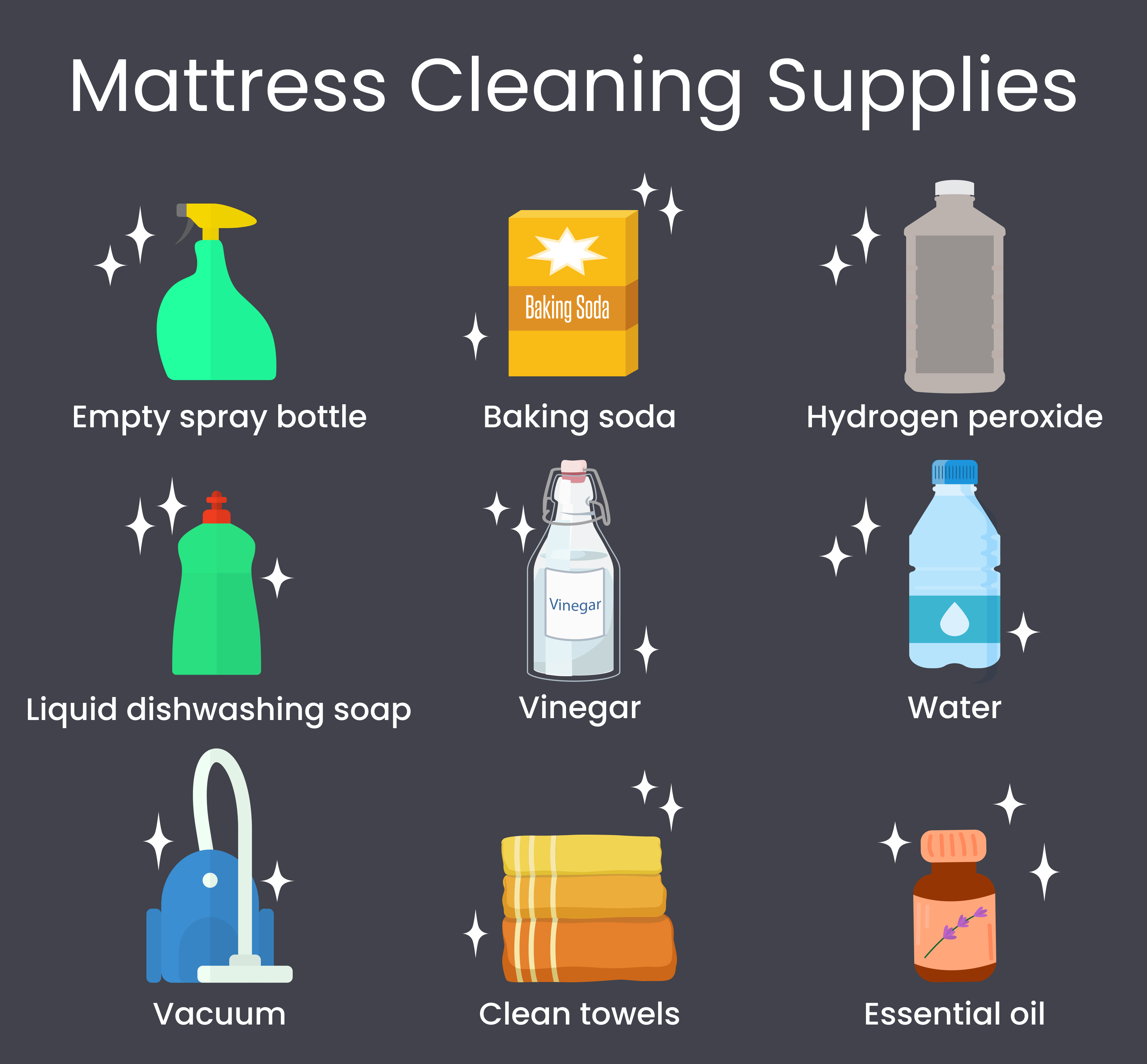
- Gather your tools: You don’t need anything fancy. The most helpful items are:
- A stiff-bristle brush (such as a clean hand brush or dustpan brush)
- A dustpan or large piece of stiff paper/cardboard
- A slightly damp cloth or towel (microfiber works best)
- A large spoon or spatula (optional, for scraping)
- A lint roller (if available)
- A bowl of water
- A spray bottle (optional, for misting)
- A clean pillowcase or bedsheet
- Prepare the room: Open windows to allow fresh air in. Good airflow helps remove any airborne dust and speeds drying if you use moisture later.
- Remove bedding: Take off all sheets, mattress protectors, and pillows. Wash them separately.
- Check the baking soda: Has it clumped (from humidity), or is it still a loose powder? This affects the best removal technique.
Step-by-step Methods To Remove Baking Soda Without A Vacuum
Here’s a breakdown of the most effective ways to remove baking soda from your mattress without a vacuum. You can use one or combine several methods for best results.
1. Brushing And Sweeping
This is the most basic method but surprisingly effective if done patiently.
How To Do It
- Use a stiff-bristle brush to sweep the baking soda into small piles.
- Sweep gently in one direction to avoid pushing the powder deeper into the fabric.
- Use a dustpan or stiff piece of cardboard to scoop up the piles.
- Repeat several times, brushing from different directions.
Practical Tips
- Hold the brush at a low angle for more control.
- Tap the mattress gently to loosen any powder stuck in the fibers.
- Start from the farthest edge and work towards one side to keep the area organized.
Non-obvious Insight
Using a dry brush works better than a damp one at first. Moisture can make the powder stick and harder to remove.
2. Using A Damp Cloth
After brushing, some powder may remain. A slightly damp cloth can help pick up the last traces.
How To Do It
- Lightly dampen a clean microfiber cloth or towel.
- Lay the cloth over the affected area and gently pat (do not rub hard).
- The cloth will pick up fine particles.
- Rinse the cloth often, wring it out well, and continue until no more powder comes up.
Caution
Never soak the mattress. Excess water can lead to mold growth inside the mattress layers.
Non-obvious Insight
A microfiber cloth attracts fine dust better than cotton. If you have one, use it.
3. Lint Roller Method
A lint roller (the sticky kind used for clothes) is excellent for picking up fine particles from the surface.
How To Do It
- Roll the lint roller back and forth over the area.
- Peel off used sheets as they fill with powder.
- Focus on seams and crevices, where baking soda tends to collect.
When To Use
This method works best for small areas or after most of the powder has been brushed off.
4. Tapping And Beating
If your mattress is light enough, you can use tapping to loosen deep powder.
How To Do It
- Carefully carry the mattress outside (if possible).
- Hold it upright and tap the sides and surface with a broom handle or flat object.
- Baking soda will shake loose.
- Brush off any powder that falls out.
Alternative
If you can’t move the mattress, gently beat the surface with your hands or a soft mallet.
Real-world Example
People often do this when cleaning rugs—tapping releases particles trapped deep inside fibers.
5. Using A Pillowcase Or Bedsheet “trap”
This technique is creative and works for fine powder on the surface.
How To Do It
- Take a clean, dry pillowcase or bedsheet.
- Lay it flat on the mattress.
- Press down and rub gently in circles.
- The fabric picks up the powder by static and friction.
- Shake out the pillowcase/sheet outside and repeat as needed.
Extra Tip
Slightly dampen the pillowcase (just a light mist) for better pickup, but don’t overdo it.
6. Tape Method
Wide packing tape or duct tape works as a DIY sticky roller for stubborn spots.
How To Do It
- Wrap tape around your hand (sticky side out).
- Press and lift on the mattress where you see or feel powder.
- Replace tape as needed.
Best For
Small, hard-to-reach spots or seams.
7. Blowing With A Hair Dryer
If you have a hair dryer with a “cool” setting, you can try blowing the baking soda off.
How To Do It
- Set the hair dryer to the cool or lowest heat setting.
- Blow air across the mattress surface, starting from one edge.
- Use the airflow to push powder toward the edge, then brush it away.
Caution
Don’t use high heat—it may damage the mattress fabric. Also, do this in a well-ventilated area.
8. Compressed Air (optional)
If you have a can of compressed air (like for computers), you can blow baking soda out of seams and tufts.
How To Do It
- Hold the nozzle a few inches from the mattress.
- Aim at seams and crevices.
- Blow short bursts to dislodge powder, then brush away.
When To Use
This is an optional, last-resort method for stubborn residue.
9. Repeating The Process
No single technique is perfect. The best results come from repeating brushing and wiping steps multiple times.
Example Routine
- Brush and sweep first.
- Use a damp cloth.
- Finish with a lint roller or tape for the last traces.
Switch directions and angles each time for thorough cleaning.
Comparing Removal Methods: Effectiveness And Effort
To help you choose the best method for your situation, see the comparison below:
| Method | Effectiveness | Effort Required | Best For |
|---|---|---|---|
| Brushing & Sweeping | High | Medium | Large areas, main removal |
| Damp Cloth | Medium | Low | Fine powder, finishing |
| Lint Roller | Medium | Low | Small spots, seams |
| Tape Method | Low | Low | Stubborn areas |
| Hair Dryer | Low-Medium | Medium | Light powder, well-ventilated space |
| Pillowcase/Bedsheet | Low-Medium | Low | Surface powder |
What Not To Do When Removing Baking Soda
Avoid these common mistakes, which can make the situation worse:
- Don’t use too much water. Wet powder becomes a paste and can get stuck deeper in the mattress.
- Don’t rub aggressively. This can push baking soda into the fabric.
- Don’t use strong chemicals. They are unnecessary and could damage mattress fibers.
- Don’t ignore seams and tufts. Baking soda collects in these spots and is easy to miss.
- Don’t skip airing out. Leaving powder in a humid, closed room can attract smells and moisture.
:max_bytes(150000):strip_icc()/clean-your-mattress-the-natural-way-350742-dd95404f7ac54f9b90f09045d9b4e98c.png)
Credit: www.thespruce.com
How To Tell If All The Baking Soda Is Gone
Even when your mattress looks clean, some residue may remain. Here’s how to check:
- Touch Test: Run your hand over the surface. If you feel any grittiness, there’s still powder.
- Cloth Test: Pat the area with a damp white cloth. If you see white marks, repeat the cleaning process.
- Visual Check: Look closely, especially in seams, under natural light.
- Sleep Test: If you notice itching, coughing, or dust after sleeping, there may still be residue.
It’s better to repeat the cleaning steps than to leave baking soda in your mattress.
How To Prevent Baking Soda Residue In The Future
You can avoid this problem by making a few simple changes:
- Use less baking soda. A light sprinkle is enough for most cleaning jobs.
- Apply evenly. Don’t dump large piles in one spot.
- Clean in small sections. This makes removal easier.
- Limit how long baking soda stays on the mattress. Thirty minutes to an hour is usually enough.
- Try alternative cleaning methods. Consider using mattress sprays or light misting with vinegar and water for odor removal.
Safe Mattress Cleaning Alternatives (without Vacuum)
If you’re worried about baking soda or don’t want to use it, there are other safe ways to freshen and clean your mattress.
1. Vinegar And Water Spray
Mix equal parts white vinegar and water in a spray bottle. Lightly mist the mattress surface. Vinegar neutralizes odors and kills some bacteria. Let the mattress dry completely before making the bed.
2. Sunlight And Fresh Air
If possible, take your mattress outside on a sunny day. Sunlight naturally deodorizes and kills some germs. Airing out for a few hours can make a big difference.
3. Mattress Protectors
Use a washable mattress protector. It keeps your mattress cleaner, and you can wash it regularly.
4. Enzyme Cleaners
For stains, use an enzyme-based cleaner (designed for upholstery). These break down organic material without harsh chemicals.
5. Essential Oil Spray
Mix a few drops of lavender or tea tree oil with water in a spray bottle. Lightly mist for a fresh scent and mild antibacterial effect.
When To Seek Professional Help
Sometimes, DIY cleaning is not enough. Call a professional mattress cleaning service if:
- You spill a large amount of liquid on your mattress.
- Odors persist after cleaning.
- You notice mold, mildew, or unknown stains.
- You have allergies that don’t improve.
Professional cleaning uses special equipment to deep clean and sanitize mattresses. It can be a good investment for your health.
Safety And Health Considerations
Baking soda is generally safe, but leaving residue can cause:
- Skin irritation: Sensitive skin may react to baking soda left on sheets.
- Respiratory issues: Fine powder can become airborne and cause coughing or sneezing.
- Attracting new dirt: Powder left in the fabric attracts dust and moisture.
Cleaning your mattress well is not only about comfort—it’s about your health.
How Often Should You Clean Your Mattress?
Regular cleaning keeps your mattress fresh and extends its life.
| Cleaning Task | Recommended Frequency | Notes |
|---|---|---|
| Baking soda deodorizing | Every 3-6 months | Use lightly each time |
| Spot stain cleaning | As needed | Treat spills immediately |
| Full airing out | Twice a year | Best on sunny days |
| Washing bedding | Weekly | Hot water recommended |

Credit: yogasleep.com
Real-world Example: Removing Baking Soda Without A Vacuum
Let’s walk through a typical scenario for clarity.
Situation: You sprinkle a generous amount of baking soda on your mattress to remove a pet odor. After letting it sit for an hour, you realize your vacuum isn’t working.
Solution:
- Use a stiff brush to sweep most of the powder into piles and remove with a dustpan.
- Take a clean, slightly damp microfiber cloth and gently pat the area.
- Use a lint roller on seams and corners.
- Carry the mattress outside and tap it lightly to remove deep powder.
- Let the mattress air out by an open window for a few hours.
Result: No visible baking soda, no grittiness when you touch the surface, and a fresh-smelling mattress.
Frequently Asked Questions
What Happens If You Don’t Remove All The Baking Soda From Your Mattress?
If baking soda remains, it can cause skin irritation, breathing discomfort, and attract new dust. Over time, it may also cause the mattress to feel gritty or uncomfortable.
Can You Use Water To Wash Baking Soda Out Of A Mattress?
Using a small amount of water can help lift residue, but too much water can push baking soda deeper or create a paste that is hard to remove. Always use a lightly damp (not wet) cloth, and allow the mattress to dry fully.
Is It Safe To Sleep On A Mattress With Baking Soda Residue?
It’s not recommended. Baking soda is safe in small amounts but can cause discomfort, especially for people with sensitive skin, allergies, or respiratory issues.
How Long Should Baking Soda Stay On A Mattress?
Thirty minutes to one hour is enough to neutralize odors and absorb moisture. Leaving it longer won’t hurt but can make removal harder without a vacuum.
What’s The Best Alternative To A Vacuum For Removing Baking Soda?
A combination of brushing, sweeping, and using a damp cloth is the most effective. Lint rollers and tape work well for finishing touches and small areas.
—
Removing baking soda from a mattress without a vacuum takes a little more effort, but it’s absolutely possible with basic household tools. By using a stiff brush, a damp microfiber cloth, and a lint roller or tape, you can clean your mattress thoroughly and safely. Always check for residue, and remember that a light touch is better than too much force or moisture. Regular mattress care keeps your sleep space fresh, healthy, and comfortable. For more about mattress cleaning and care, check reliable sources like Wikipedia. With these techniques, you can confidently tackle mattress cleaning—no vacuum needed.
Credit: laylasleep.com