
Refinishing a teak dining table can transform a tired piece of furniture into a stunning centerpiece. Many people buy teak tables for their strength and natural beauty, but over time, even the toughest wood can lose its glow. If your table looks dull, scratched, or faded, don’t worry—you can restore it.
This process takes time, but with the right tools and guidance, your table can look new again. Whether your teak is decades old or just needs a refresh, this guide will help you bring out its best qualities.
Refinishing isn’t just about looks. It also protects the table, making it last longer and stand up to daily use. Some people believe only professionals should tackle this job, but with careful steps, most homeowners can do it successfully. In this guide, you’ll learn everything from preparing your workspace to applying the perfect finish.
We’ll also cover tips that beginners often miss, common mistakes to avoid, and advice for special situations. Ready to give your teak dining table new life? Let’s get started.
Understanding Teak Wood
Before you touch sandpaper or oil, it helps to know what makes teak wood special. Teak is famous for its natural oils, which make it water-resistant and help it resist insects and rot. This is why it’s often used for outdoor furniture and boats. But these same oils can sometimes make refinishing tricky.
Teak’s tight grain and hardness mean it stands up well to wear, but it also means you need the right approach when sanding or applying finishes. Some chemicals and finishes do not bond well with teak’s surface oils. Using the wrong products can leave your table sticky or blotchy.
One mistake beginners often make is over-sanding or using harsh cleaners. Teak can handle a lot, but aggressive treatment may damage its beautiful grain. If your table is antique or has sentimental value, test every step on a small, hidden area first.
Tools And Materials Needed
Gather all your tools before you start. This will save you time and help you avoid mistakes from rushing or improvising.
Basic tools and materials:
- Drop cloth or old sheet (to protect floors)
- Rubber gloves and safety glasses
- Dust mask or respirator
- Screwdriver (for removing hardware)
- Soft cloths and tack cloths
- Mild detergent or teak cleaner
- Fine and medium grit sandpaper (120, 180, 220 grit)
- Sanding block or orbital sander
- Vacuum or brush (for dust)
- Painter’s tape (optional)
- Wood filler (if fixing deep scratches or chips)
- Putty knife (for applying filler)
- Lint-free cloths for applying finish
- Teak oil, Danish oil, or polyurethane (see finish options)
- Mineral spirits or denatured alcohol (for cleaning wood)
- Brushes or foam applicators
Optional:
- Wood bleach (for stubborn stains)
- Wood conditioner (for even finish)
Check all labels to ensure products are safe for indoor use. Some outdoor teak products contain chemicals not meant for indoor dining tables.
Preparing Your Workspace
A successful refinishing project starts with a clean, organized workspace. Choose a well-ventilated area, such as a garage with the door open or a room with windows. Good airflow is important for both your safety and the drying process.
Lay down a drop cloth to catch dust and drips. Move nearby furniture out of the way. If your table is heavy, ask for help moving it. Remove all items from the table and take off any hardware, like screws, leaves, or extension pieces.
Keep these parts together in a bag so nothing gets lost.
Wipe down the table with a damp cloth to remove surface dust and dirt. If the table is especially grimy, use a mild detergent or a teak cleaner. Avoid harsh chemicals that might damage the wood or leave residue behind.
Let the table dry completely before you start sanding. Moisture can clog sandpaper and lead to uneven results.
Inspecting And Repairing Damage
Before you begin refinishing, closely check your table for damage. Look for:
- Deep scratches or gouges
- Water stains or dark spots
- Split or loose joints
- Missing or damaged veneer (if not solid teak)
For small scratches, light sanding will often remove them. Deeper dents may need wood filler. Choose a filler designed for hardwoods and similar in color to teak. Apply with a putty knife, pressing firmly into the scratch. Let it dry fully, then sand smooth with fine-grit paper.
If you find dark water stains, try gently sanding first. If the stain remains, you can use a wood bleach (oxalic acid) following the instructions on the label. Always wear gloves and work in a ventilated area.
For loose joints, apply wood glue and clamp until dry. Avoid using nails or screws unless absolutely needed, as they can split the wood.
If your table has a thin veneer (a layer of teak over another wood), be careful not to sand through this layer. Veneer is usually less than 1/16-inch thick.
Stripping The Old Finish
Most teak tables have a finish like varnish, oil, or lacquer. Removing this old layer is essential for a smooth, even result. If your table has only been oiled, you may not need chemical strippers—sanding alone might do the job.
For varnish or lacquer, use a chemical stripper designed for fine furniture. Apply a thin coat with a brush and let it sit according to the manufacturer’s instructions. The old finish will bubble or soften. Scrape it off gently with a plastic scraper. Avoid metal tools that could gouge the wood.
After removing the finish, wipe the table with mineral spirits to remove residue. Let it dry completely before sanding.
If you’re unsure what finish your table has, do a quick test: Rub a small spot with a cloth dampened with denatured alcohol. If the finish dissolves, it’s likely shellac or lacquer. If not, it may be polyurethane, which needs a stronger remover.
Sanding The Teak Table
Sanding is the most important step for a smooth, beautiful surface. Start with medium-grit sandpaper (120 or 150 grit) to remove old finish and even out the surface. Work in the direction of the grain to avoid scratches. Use a sanding block or an orbital sander for flat surfaces, and hand-sand curves or edges.
Move to finer grits (180, then 220) for each pass, removing scratches from the previous grit. Wipe away dust with a tack cloth between each stage. Don’t rush—sanding sets the foundation for the finish.
For tables with a veneer, be gentle. Too much sanding can wear through the thin teak layer. If you see lighter spots or the color changes suddenly, stop sanding and check if you’re reaching the base layer.
After sanding, run your hand over the surface. It should feel smooth and even, with no rough patches or raised grain.
Cleaning Before Finishing
Once sanding is done, remove all dust. Dust can ruin the final look by creating bumps or a cloudy finish. Use a vacuum or a brush to remove loose particles, then wipe with a tack cloth.
If your table feels oily, wipe it down with a cloth dampened with mineral spirits. This removes any remaining oils and helps the finish stick better. Let the table dry for at least 30 minutes before applying any finish.
Pay extra attention to corners and joints, where dust and residue can hide. Even a small amount can affect the final appearance.
Choosing The Right Finish
Selecting the best finish for your teak dining table depends on how you use the table and the look you prefer. Here’s a comparison of common finishes:
| Finish Type | Look | Durability | Maintenance |
|---|---|---|---|
| Teak Oil | Natural, matte | Good, but needs reapplication | Easy to touch up |
| Danish Oil | Warm, satin | Moderate | Occasional re-oiling |
| Polyurethane | Glossy or satin | Very high | Harder to repair |
| Water-Based Varnish | Clear, low odor | High | Low maintenance |
Teak oil is popular for its easy application and natural look, but it needs regular maintenance. Danish oil offers a slightly richer color and is easy to apply. Polyurethane gives strong protection against spills and scratches, perfect for families but harder to repair if scratched. Water-based varnish is a good choice if you want a clear look and low odor.
If your table sees heavy use, polyurethane or varnish is best. For a more traditional, natural feel, go with teak or Danish oil.
Applying The Finish
Using Teak Oil Or Danish Oil
- Stir the oil well—don’t shake, as this can cause bubbles.
- Apply a thin coat with a lint-free cloth, rubbing with the grain.
- Let the oil soak in for 10-15 minutes.
- Wipe off excess with a clean cloth.
- Let dry for 6-8 hours.
- Repeat 2-3 times for best results.
Between coats, lightly sand with 320-grit sandpaper for a smooth finish. Remove all dust before applying the next coat.
Using Polyurethane Or Varnish
- Stir gently, avoid shaking.
- Apply with a high-quality brush or foam applicator in long, even strokes.
- Let dry as recommended (usually 4-6 hours).
- Sand lightly with 320-grit paper between coats.
- Wipe away dust and apply 2-3 more coats.
Avoid working in humid or dusty rooms, as this can cause a cloudy finish.
Tips For Even Results
- Work in small sections to avoid lap marks.
- Don’t rush between coats. The wood needs time to absorb and cure.
- If you see bubbles or streaks, sand gently and try again.
Dealing With Common Refinishing Problems
Even careful work can lead to issues. Here are some common problems and solutions:
Sticky surface: Usually caused by too much oil or not enough drying time. Wipe with a clean cloth and let dry longer. If sticky after 24 hours, wipe with mineral spirits.
Cloudy finish: Dust or moisture is often the cause. Sand lightly and apply another thin coat.
Uneven color: This happens if the finish is not applied evenly or the wood wasn’t cleaned well. Sand and reapply finish in thin, even coats.
Raised grain: Sometimes, especially with water-based finishes, the wood fibers stand up. Lightly sand between coats to smooth.
Visible scratches: These often show up after finishing. Sand the area gently, remove dust, and reapply finish.

Credit: jumpusapark.com
Caring For Your Refinished Teak Table
A newly refinished table looks great, but daily use can take its toll. Here’s how to keep your table looking its best:
- Use placemats and coasters to protect from spills and heat.
- Clean with a soft, damp cloth—avoid harsh cleaners or scrubbing pads.
- Reapply oil or wax every 6-12 months for oiled finishes.
- For polyurethane or varnish, wipe up spills quickly to avoid water damage.
Never place hot pots or pans directly on the surface. If you scratch or dull the finish, lightly sand and touch up as needed.
Real-life Example: Bringing Back A Family Heirloom
Let’s look at a practical example. Jane inherited her grandmother’s teak dining table. It was scratched, faded, and covered in old varnish. She decided to refinish it herself.
Jane started by cleaning and inspecting the table. She found a few deep scratches, which she filled with wood filler. Using a chemical stripper, she removed the old varnish, then carefully sanded with 120, 180, and 220 grit sandpaper. After cleaning off the dust, she chose Danish oil for a warm, satin finish.
Jane applied three coats, lightly sanding between each. The result was a smooth, glowing table that still showed the wood’s natural beauty.
Jane’s main tip: “Take your time. Don’t rush the sanding or skip coats. It’s worth it in the end.”
Safety Tips For Refinishing
Refinishing involves chemicals, dust, and sharp tools. Protect yourself and your home:
- Wear a dust mask when sanding.
- Use gloves when handling chemicals or finishes.
- Work in a well-ventilated area.
- Keep children and pets away from your workspace.
- Dispose of oily rags safely—they can catch fire if left balled up. Spread them out to dry outside, or soak in water before discarding.
Comparing Refinishing To Other Options
You might wonder if refinishing is worth it, or if you should replace your table or hire a pro. Here’s a quick comparison:
| Option | Cost | Time | Result |
|---|---|---|---|
| DIY Refinishing | $50–$150 (supplies) | 2–3 days | Custom, rewarding |
| Professional Refinishing | $300–$700+ | 1–2 weeks | Expert finish |
| Replacement | $400–$2,000+ | Immediate | New, but not original |
If your table has sentimental value or you enjoy DIY, refinishing is often the best choice. Professional work is great for antiques or when you want a flawless finish. Replacement makes sense only for badly damaged tables.
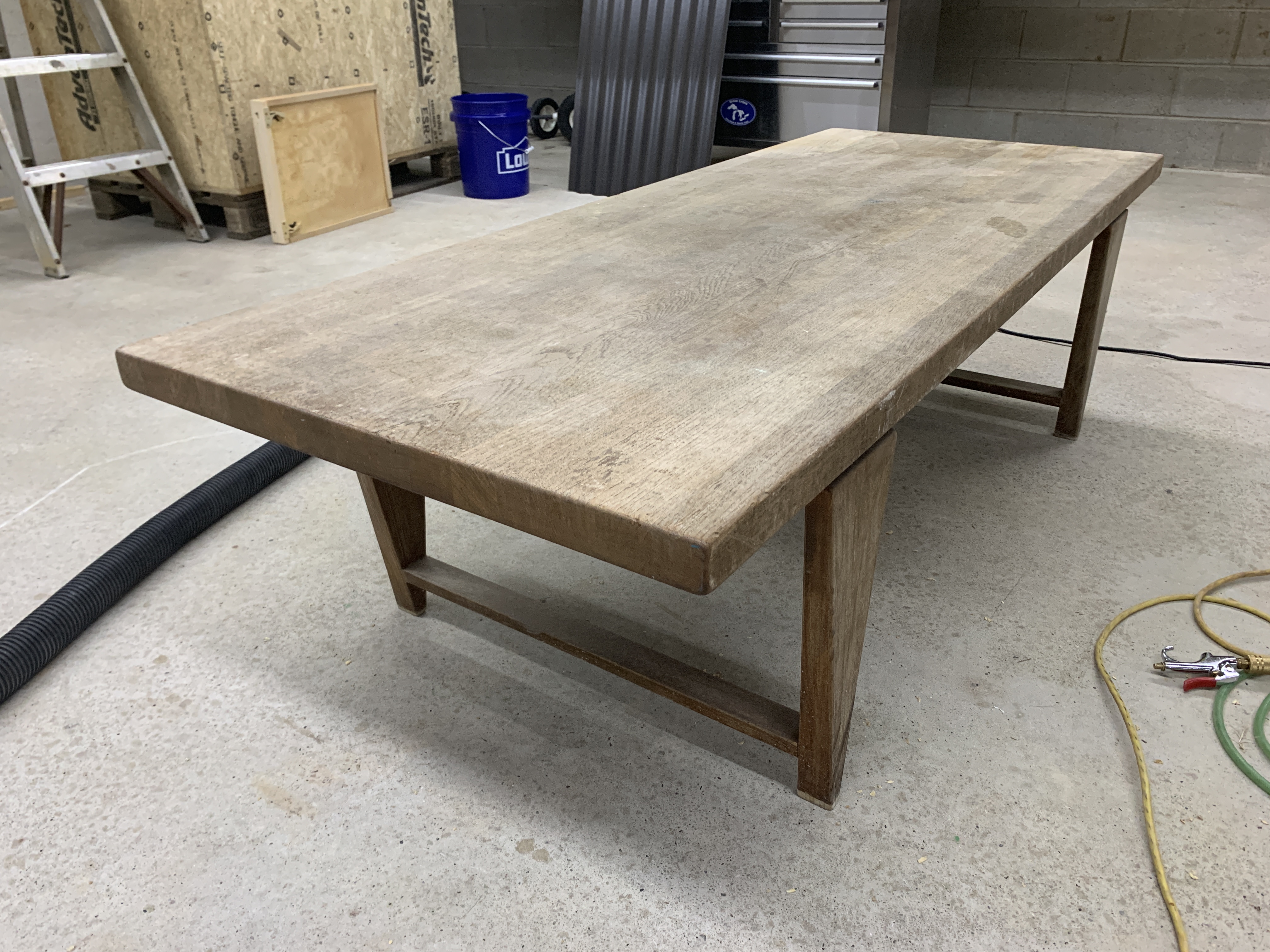
Credit: www.therootsofhome.com
Common Mistakes And How To Avoid Them
Many first-time refinishers run into problems. Here are two insights that beginners often miss:
- Skipping prep steps. Rushing to apply finish without proper sanding or cleaning leads to poor results. Preparation is 70% of the work.
- Not testing the finish. Always test the finish on a small, hidden area. Teak can react differently depending on its age or previous treatments.
Other mistakes include:
- Using indoor finishes outdoors (they won’t last)
- Applying thick coats instead of thin, even layers
- Not allowing enough drying time between coats
- Forgetting to protect surrounding floors and walls
Paying attention to details at every stage leads to a much better result.
Special Cases: Outdoor Vs. Indoor Teak Tables
Teak is often used outdoors, but indoor tables need a different approach. Outdoor tables need finishes that resist sunlight and rain, while indoor tables focus more on stains and daily use.
If you ever move your table outdoors, reapply oil more often. Outdoor finishes often include UV blockers, which aren’t needed inside. Never use marine or deck products for indoor tables—they can be too harsh and leave strong smells.
For more on teak and its properties, see Wikipedia.

Credit: medium.com
Frequently Asked Questions
How Often Should I Refinish My Teak Dining Table?
Most indoor teak tables need refinishing every 3–5 years, depending on use and finish type. Oiled tables may need a fresh coat every 6–12 months, while polyurethane finishes last longer but are harder to touch up.
Can I Stain My Teak Dining Table A Different Color?
Teak naturally resists stains because of its oils. You can use a wood dye or gel stain, but results vary and may not be even. For best results, stick to clear or lightly tinted finishes that enhance the wood’s natural beauty.
Is Refinishing Safe For Antique Teak Tables?
Yes, but be extra careful. Test every product on a hidden spot first. Use gentle sanding and avoid aggressive chemicals. If the table is valuable, consider consulting a professional restorer.
How Do I Remove Water Rings Or Heat Marks?
Light marks can often be removed by gentle sanding and refinishing. For stubborn rings, try rubbing with a mix of baking soda and water, or use wood bleach as a last resort. Always test first.
What’s The Best Way To Keep My Teak Table Looking New?
Use coasters, clean spills quickly, dust regularly, and reapply the finish as needed. Avoid harsh cleaners and keep the table out of direct sunlight to prevent fading.
Refinishing a teak dining table is a rewarding project that can make your old furniture look and feel new again. With patience, the right tools, and attention to detail, you can enjoy your beautiful table for many more years.