
If you have invested in outdoor wicker furniture, you know how it creates a cozy, stylish space for relaxing or entertaining. But outdoor life is tough on any furniture, especially wicker. Sun, rain, humidity, and even bugs can damage your beautiful chairs, tables, and sofas. Many new owners think wicker is maintenance-free, but that is a big mistake. With the right care, your outdoor wicker furniture can last for many years and look great season after season.
Let’s explore what really works to protect outdoor wicker furniture, what to avoid, and how to handle tough weather. This complete guide will help you make smart choices, prevent costly mistakes, and enjoy your outdoor space with less worry.
Understanding Outdoor Wicker Furniture
Before you can protect your furniture, you need to know what it’s made of. Not all wicker is the same. The word “wicker” describes a style of weaving, not the material itself. There are two main types:
- Natural wicker: Made from plant fibers like rattan, bamboo, or willow. Looks beautiful but is more delicate.
- Synthetic wicker: Usually made from resin, plastic, or vinyl. Designed for outdoor use and is more weather-resistant.
If you’re not sure which type you have, look closely at the weave and texture. Synthetic wicker feels smoother and more flexible, while natural wicker is often rougher and may have small splits or color changes.
Why Does Wicker Need Protection?
Wicker furniture faces several challenges outdoors:
- Moisture: Rain, humidity, and dew can cause natural wicker to swell, rot, or break. Even synthetic wicker can grow mold if water gets trapped inside.
- Sunlight: UV rays fade colors, make fibers brittle, and can weaken the weave.
- Temperature swings: Hot days and cool nights cause expansion and contraction, leading to cracks.
- Dirt and debris: Leaves, pollen, and dust settle in the weave, attracting pests and stains.
- Pests: Bugs and birds sometimes use loose wicker fibers for nests or food.
Knowing these risks helps you choose the right protection.
Cleaning Outdoor Wicker Furniture
The first step in protection is regular cleaning. Dirt, mold, and pollen can break down the material and invite insects. Many owners skip this step, but it makes a big difference.
Basic Cleaning Steps
- Remove cushions and accessories: Take off any fabric parts to prevent soaking them.
- Dust the surface: Use a soft brush or vacuum with a brush attachment to remove loose dirt.
- Wash with mild soap: Mix a few drops of dish soap in a bucket of warm water. Dip a soft cloth or sponge, wring it out, and gently wipe the wicker.
- Rinse well: Use a garden hose on low pressure or a damp cloth to remove soap. Do not soak the furniture.
- Dry completely: Place in a sunny, breezy spot to dry. Never store wet wicker.
Deeper Cleaning For Mold Or Stains
Mix one part white vinegar with three parts water for tough stains or mold. Use a soft brush to scrub the area, rinse, and dry thoroughly.
Cleaning Frequency
Clean your furniture at least once a month during the outdoor season. If you live in a humid or dusty area, clean more often.
Cleaning Product Comparison
Here’s how common cleaning products compare for outdoor wicker:
| Product | Effectiveness | Safe for Wicker | Use Case |
|---|---|---|---|
| Mild Dish Soap | High | Yes | General cleaning |
| Vinegar Solution | Medium | Yes | Mold/stains |
| Bleach | High | No (damages natural) | Not recommended |
| Pressure Washer | Too strong | No | Should be avoided |
Non-obvious tip: Never use a pressure washer, as its force can loosen or break the wicker fibers, even on synthetic pieces.
Credit: thanhcongcraft.com
Applying Protective Coatings
A coating acts like a shield between your furniture and the weather. Many people forget this step, but it is key to long-term durability.
Types Of Protective Coatings
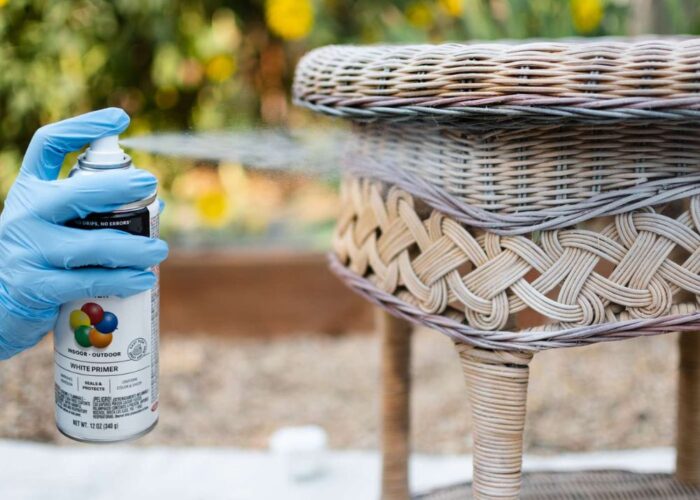
- Outdoor furniture spray: These sprays add a water-repellent and UV-protective layer. Most are safe for synthetic and natural wicker.
- Clear varnish or lacquer: Natural wicker benefits from a clear, outdoor-grade varnish. It seals fibers and blocks moisture.
- Resin sealants: Specially made for synthetic wicker, these help restore shine and protect from UV rays.
How To Apply A Protective Coating
- Start with clean, dry furniture.
- Test in a small area: Some sprays or varnishes may change the color. Always test first.
- Spray or brush evenly: Hold spray cans about 12 inches away. For varnish, use a soft brush and thin coats.
- Let dry fully: Allow 24 hours before using the furniture.
Apply new coatings at the start and end of every outdoor season, or after deep cleaning.
Beginner mistake: Skipping the drying step. Using or covering furniture before the coating is dry traps moisture and can cause peeling or mold.
Choosing The Right Furniture Covers
Covers are your best defense against weather, especially if you live in an area with harsh sun or heavy rain. But not all covers are created equal.
What To Look For In A Good Outdoor Cover
- Waterproof material: Polyester or vinyl with sealed seams works best.
- UV protection: Some covers have coatings that block sunlight.
- Breathability: Look for vents or mesh panels to prevent trapped moisture.
- Proper fit: Covers should fit snugly but not too tight.
How To Use Covers Correctly
- Always cover your furniture when not in use, especially overnight or before storms.
- Avoid placing covers on wet furniture.
- Remove covers regularly to air out the furniture and prevent mold.
Cover Material Comparison
Here’s a look at common cover materials for outdoor wicker:
| Material | Waterproof | UV Protection | Breathable | Durability |
|---|---|---|---|---|
| Polyester | Yes | Good | Medium | High |
| Vinyl | Excellent | Fair | Poor | Medium |
| Canvas | Medium | Good | Good | Medium |
| Plastic | Excellent | Poor | Poor | Low |
Pro tip: Choose covers with built-in straps or ties. Wind can blow away loose covers, leaving your furniture exposed.
Smart Placement And Storage
Where you place your furniture matters as much as how you cover it. Some simple choices can double its life.
Best Places For Outdoor Wicker Furniture
- Under a porch or awning: Keeps off rain and harsh sun.
- On patios with shade: Natural shade from trees helps, but watch for falling sap or bird droppings.
- On raised surfaces: Avoid direct contact with grass or soil, which keeps the bottom dry.
Worst Places
- Open lawns: Full sun and moisture from below are a bad mix.
- Next to sprinklers: Repeated soaking damages all types of wicker.
- Near fire pits or grills: Heat can warp or melt synthetic wicker.
Seasonal Storage
If you live in a cold or wet climate, consider storing your furniture indoors during winter.
- Clean and dry before storing.
- Use breathable covers inside: Plastic can trap moisture and cause mold.
- Store off the ground: Place on pallets or boards to improve airflow.
Insider tip: Even a simple garden shed is better than leaving wicker outside all winter. The cost of storage pays off in longer furniture life.
Managing Sun And Weather Damage
Sun and weather are the biggest enemies of outdoor wicker. Here’s how to fight back:
Sun Protection
- Place furniture in shaded areas when possible.
- Use UV-protective sprays every few months.
- Rotate pieces regularly so all sides get equal sun.
Rain And Moisture
- Tilt chairs or tables slightly after rain, so water runs off.
- Check for standing water in crevices.
- Dry furniture quickly with towels after heavy rain.
Handling Wind
- Move lightweight pieces indoors if storms are expected.
- Use cover straps to prevent wind from blowing covers away.
- Stack or tie down items during hurricane season.
What To Do After Weather Events
- After storms, inspect for damage, mold, or loose pieces.
- Clean and dry as soon as possible to prevent long-term problems.

Credit: www.veranda.com
Repairing Outdoor Wicker Furniture
Even with great care, outdoor wicker can get damaged. Small repairs now prevent bigger problems later.
Fixing Loose Or Broken Weave
- For synthetic wicker: Use matching resin strips from a hardware store. Soak in warm water to make flexible, then weave into place.
- For natural wicker: Use rattan or reed strips. Apply a little wood glue if needed.
Repairing Frame Damage
- Tighten screws or bolts on metal or wooden frames.
- For rust, sand lightly and apply a rust-resistant paint.
Fixing Faded Color
- For synthetic wicker: Use a spray paint made for plastic and outdoor use.
- For natural wicker: Stain or paint with an outdoor-grade product.
When To Call A Pro
If large sections are damaged or the frame is bent, consider professional repair or replacement.
Hidden insight: Many people throw away furniture with minor damage, but most issues can be fixed with a few simple tools and patience.
Preventing Mold, Mildew, And Insects
Wicker’s woven design can trap moisture and create a home for mold or bugs. Prevention is much easier than cure.
Mold And Mildew Prevention
- Keep furniture dry. Never cover or store when wet.
- Use covers with vents to improve airflow.
- Clean with vinegar solution if you notice a musty smell.
Insect Prevention
- Check for nests or webs in corners and under cushions.
- Use a soft brush to remove cobwebs and eggs.
- For natural wicker, apply a light coat of lemon oil once per season. It repels insects and keeps the wood flexible.
Quick Response
If you spot mold or bugs, act quickly. The longer you wait, the harder it is to remove the problem.

Credit: modernwicker.com
Seasonal Care Guide
Caring for outdoor wicker is not a one-time task. Each season has its own challenges.
Spring
- Deep clean after winter storage.
- Check for loose or damaged spots.
- Apply fresh protective coating.
Summer
- Cover furniture during heat waves or storms.
- Clean every few weeks to remove pollen and dust.
- Watch for fading or cracks from sun.
Fall
- Clean again before leaves fall.
- Store indoors if possible, or use heavy-duty covers.
- Repair any damage before winter.
Winter
- Store indoors or in a dry, covered spot.
- If left outside, remove heavy snow and ice quickly.
- Air out furniture on sunny days.
Practical tip: Set reminders on your phone at the start of each season so you never forget these key steps.
Common Mistakes To Avoid
Many owners damage their furniture without realizing it. Here are the mistakes to watch for:
- Using bleach or harsh cleaners: These break down the fibers and ruin color.
- Leaving cushions on in the rain: Wet cushions lead to moldy wicker.
- Ignoring small cracks or splits: They get bigger and harder to fix.
- Storing furniture while damp: Trapped moisture causes rot and mold.
- Skipping regular checks: Small problems grow into big repairs.
- Using the wrong covers: Plastic tarps without vents lead to mildew.
- Not raising furniture off grass or dirt: This causes the bottom to rot.
Avoid these mistakes to keep your outdoor wicker looking great.
Eco-friendly Care For Wicker Furniture
If you care about the environment, you can protect your wicker without harming nature.
- Use biodegradable soaps and vinegar for cleaning.
- Choose covers made from recycled materials.
- Repair, don’t replace, when possible.
- Donate or recycle old pieces instead of sending them to a landfill.
Little-known fact: Natural wicker is biodegradable, but synthetic wicker is not. Disposing of synthetic furniture should be done responsibly.
When To Replace Outdoor Wicker Furniture
Even the best care can’t make outdoor wicker last forever. Here’s how to know when it’s time for a new piece:
- The frame is bent or rusted beyond repair.
- Large sections of the weave are missing or broken.
- The furniture feels unstable or unsafe.
- Mold or mildew returns again and again, even after cleaning.
If you do need to buy new outdoor furniture, look for pieces with a long warranty and UV-resistant materials. Many brands now offer recycled synthetic wicker, which is better for the planet.
For more about choosing sustainable outdoor products, you can visit EPA Sustainable Materials Management.
Frequently Asked Questions
How Do I Know If My Wicker Furniture Is Suitable For Outdoor Use?
Outdoor wicker is usually made from synthetic resin, which feels smooth and flexible. Natural wicker is better for covered spaces, as it is more likely to rot or fade outside. Look for labels or ask the seller before buying.
Can I Leave Outdoor Wicker Furniture Outside All Year?
It depends on your climate and the type of wicker. Synthetic wicker can stay out longer but still needs protection from sun and rain. In areas with snow or heavy rain, store your furniture indoors during winter for the longest life.
What Is The Best Way To Clean Outdoor Wicker Cushions?
Remove the cushions and spot-clean with mild soap and water. Let them dry completely before putting them back. If they are machine washable, follow the care label instructions.
How Can I Restore Faded Outdoor Wicker Furniture?
For synthetic wicker, use a spray paint designed for plastic and outdoor use. For natural wicker, apply a stain or outdoor paint. Always clean and dry the furniture before painting or staining.
What Should I Do If My Wicker Furniture Gets Moldy?
Clean the affected area with a mix of vinegar and water. Rinse and dry thoroughly. Make sure the furniture is completely dry before using or covering again. If mold returns, consider moving the furniture to a drier location.
Protecting your outdoor wicker furniture is not hard if you follow these practical steps. Clean regularly, use the right covers, fix small problems early, and store carefully during bad weather. With the right care, your wicker pieces will stay beautiful and comfortable for many years, making your outdoor space a true retreat.