
A magnetic lock is a strong and reliable way to secure a door. It works with an electromagnet and a metal plate. When powered, the magnet holds the plate tightly, keeping the door locked. These locks are popular in offices, apartments, and commercial buildings.
But what if you lose your key or access card? Is it possible to open a magnetic lock without a key?
This guide explains everything you need to know. You’ll learn how magnetic locks work, safe and legal ways to open them, and what to avoid. We’ll also cover tools, precautions, and expert tips. Whether you’re locked out or just curious, you’ll get practical advice from an experience-based perspective.
Understanding Magnetic Locks
Before you try to open a magnetic lock without a key, it’s important to understand how these locks function. This knowledge will help you find the best and safest method.
What Is A Magnetic Lock?
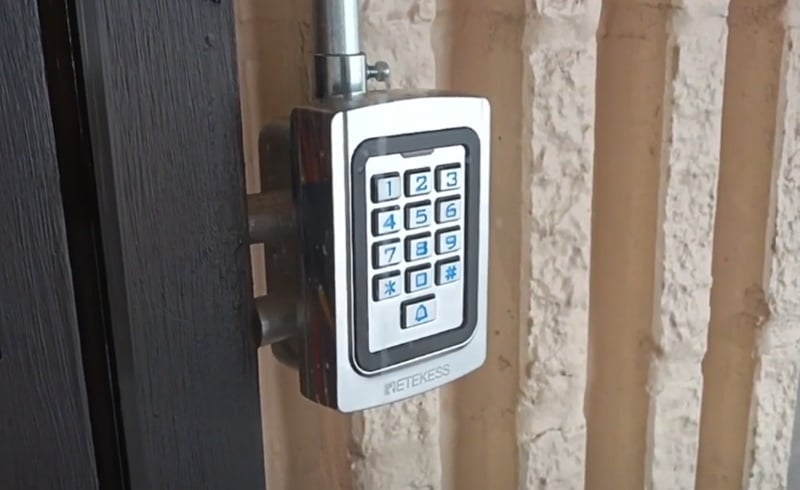
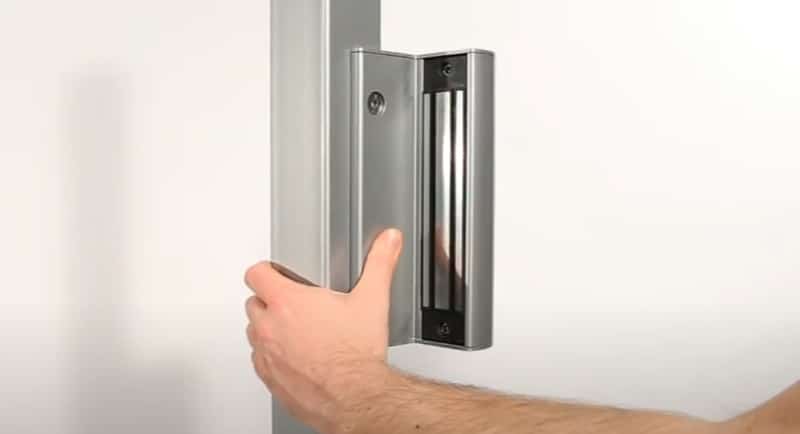
A magnetic lock (also called maglock) uses an electromagnet installed on the door frame and an armature plate on the door. When you apply electricity, the magnet becomes very strong, pulling the plate and keeping the door shut. When power is cut, the lock releases, and you can open the door.
How Strong Are Magnetic Locks?
Magnetic locks are measured by holding force, usually in pounds. Common strengths are 600 lbs, 1,200 lbs, or higher. This means a strong maglock can resist a lot of force before opening. It’s much harder to break compared to most mechanical locks.
Where Are Magnetic Locks Used?
- Office buildings with card or keypad entry
- Apartments with security systems
- Server rooms and data centers
- Retail stores for emergency exits
Why Not Just Use The Key?
Many maglocks work with keycards, fobs, or a keypad. If you lose your card or forget your code, you’ll need another way in. Sometimes, the power goes out or the system fails, and the door stays locked. That’s when you need to know alternative methods.
Important: Only use these methods on locks you own or have permission to open. Opening someone else’s lock without consent is illegal.
Legal And Ethical Considerations
Before trying to open any lock without a key, think carefully about the law and safety.
- Ownership: Only open a magnetic lock on your own property or with clear permission.
- Emergency: If someone is trapped, call emergency services.
- Damage: Some methods can damage doors or systems. Consider the cost.
- Privacy: Never use these methods for theft or break-ins.
If you are unsure, always contact a licensed locksmith or building manager.
Credit: www.acslocks.com
Common Ways To Open Magnetic Locks Without A Key
There are several ways to open a maglock without a key or card. Some are simple, while others require special tools or knowledge.
1. Power Interruption
Magnetic locks need electricity to stay locked. If you cut the power, the lock will usually release.
How To Do It:
- Find the power supply to the lock. This is often near the door or inside a control panel.
- Turn off the power using the switch or breaker.
- For battery backup systems, you may need to disconnect the battery.
- Once power is off, the magnet loses strength, and you can open the door.
When It Works
This method is effective for most standard maglocks. However, some systems have backup power or alarms that activate when power is cut.
Risks
- Cutting power may trigger security alarms.
- You might lose power to other areas (lights, computers).
- Not all maglocks release immediately; some have special settings.
Example
In a small office, a maglock is installed on the main door. The power supply box is in the ceiling panel. Turning off the breaker releases the lock.
2. Emergency Exit Devices
Many buildings with maglocks also have emergency exit bars (crash bars). These devices allow people to leave quickly during emergencies, even if the door is locked.
How To Use
- Push the emergency bar or press the emergency button near the door.
- Some exit devices have a break-glass panel to cut power.
When It Works
This method is common in public buildings and is required by fire codes in many countries. If you see an emergency bar or button, try it first.
Insight
Some emergency bars are connected directly to the maglock power supply. When used, they instantly cut power and open the door.
3. Request-to-exit (rex) Sensor
A REX sensor is a motion detector or button that unlocks the door from inside.
Steps
- Find the REX sensor near the door (often a small white box or button).
- Wave your hand in front of it or press the button.
- The lock should release for a few seconds.
When It Works
This is common in offices and secure areas. Sometimes, the REX only works from inside, but some can be triggered from outside with the right tools.
Example
In a secure building, the REX button is hidden under the reception desk. Pressing it allows visitors to leave without a card.
4. Using A Magnet
This method is more advanced and works only on some maglocks.
How It Works
- Strong external magnets can sometimes disrupt the magnetic field.
- Place a neodymium magnet near the lock area and move it slowly.
- In rare cases, this can weaken the lock enough to open the door.
Limitations
- Most modern maglocks are shielded and resist this method.
- Needs very strong magnets (rare and expensive).
- Can trigger alarms or damage electronics.
Non-obvious Insight
Some older maglocks have exposed armature plates. A strong magnet can create a temporary release if placed correctly.
5. Bypass Tools (shim, Card, Or Latch Tool)
While maglocks don’t use traditional bolts, some doors have mechanical latches or fail-secure mechanisms you can bypass.
Method
- Use a plastic shim, credit card, or bypass tool.
- Slide it between the door and frame to push back the latch.
When It Works
- Only on doors with both maglocks and mechanical latches.
- Not effective on pure maglock doors.
Example
A back door in a retail store has both a maglock and a latch. Using a plastic card, the latch can be pushed aside after power loss.
6. Access Control Panel Override
Some systems have an override switch or key near the control panel.
Steps
- Locate the access control panel (often above the door or in a closet).
- Look for a physical key switch, override button, or manual release.
- Use the manual release to open the lock.
Non-obvious Insight
Some older access systems have a hidden override button behind a small panel. Maintenance staff often use this feature.
7. Call For Assistance
If you are locked out and cannot open the lock safely, call for help.
- Building manager or security staff can often open the door remotely.
- Locksmiths have special tools and training for maglocks.
- Fire department can assist in emergencies.
Sometimes, professional help is the safest and quickest option.
Tools Used For Opening Magnetic Locks
Here’s a breakdown of common tools that can help open a maglock in different situations.
| Tool | Purpose | Availability | Risk of Damage |
|---|---|---|---|
| Plastic shim/card | Bypass latch (if present) | Easy to find | Low |
| Power tester | Identify power source | Hardware stores | Low |
| Neodymium magnet | Disrupt magnetic field (rare cases) | Specialty online stores | Medium |
| Screwdriver set | Open control panels | Common | Medium |
| Wire cutter | Disconnect power (with caution) | Common | High |
Safety Tip: Always know what each tool does before using it. Some tools can damage the lock or door if used incorrectly.
Comparing Magnetic Lock Opening Methods
Let’s compare the most common methods by effectiveness, risk, and ease.
| Method | Effectiveness | Risk of Damage | Skill Needed | Alarm Risk |
|---|---|---|---|---|
| Power interruption | High | Medium | Moderate | High |
| Emergency exit device | High | Low | Low | Low |
| REX sensor | Medium | Low | Low | Low |
| Magnet attack | Low | Medium | High | Medium |
| Bypass tool | Low | Low | Moderate | Low |
| Access panel override | High | Low | High | Medium |
| Call for help | High | Low | Low | Low |
Insight: Emergency devices are the safest and easiest, while power interruption is the most risky.
Step-by-step Guide: Opening A Magnetic Lock Without A Key
If you must open a maglock without a key, follow these steps. Choose the safest method for your situation.
Step 1: Assess The Situation
- Are you allowed to open this lock?
- Is anyone trapped or in danger?
- Is there an emergency exit device nearby?
Step 2: Try The Emergency Exit
- Look for a crash bar, emergency button, or break-glass panel.
- Use these features first.
Step 3: Check For Rex Sensor
- Find a motion sensor or push button.
- Try activating it from inside or outside.
Step 4: Locate The Power Supply
- Find the power source for the lock.
- If safe, turn off the power or disconnect the battery.
Step 5: Use A Bypass Tool
- If the door has a latch, try a plastic card or shim.
- Insert between the door and frame to move the latch.
Step 6: Magnet Attack (advanced)
- If the door has exposed plates, try a strong magnet.
- Place it carefully and observe if the door releases.
Step 7: Access Control Panel
- Open the panel with a screwdriver.
- Look for an override button or switch.
- Use only if you know what you are doing.
Step 8: Call For Help
- Contact building management, a locksmith, or emergency services if needed.
Credit: www.acslocks.com
Special Cases: Fail-safe Vs. Fail-secure Magnetic Locks
Not all magnetic locks behave the same way during a power loss.
- Fail-safe maglocks unlock when power is cut (most common).
- Fail-secure maglocks stay locked when power is cut (less common, usually on high-security doors).
If you are unsure, check the lock’s model or contact the installer.
Example
A hospital uses fail-safe locks on most doors for fire safety. A server room uses a fail-secure lock to protect equipment.
Practical Safety Tips
- Document everything: If you open a lock for a business, keep records for insurance.
- Plan for power loss: Install backup keys or manual release for emergencies.
- Test emergency exits: Ensure all exit devices work before an emergency occurs.
- Understand your system: Not all maglocks use the same wiring or controls.
What Beginners Miss
- Backup batteries: Some maglocks have hidden batteries that keep them locked even after power is cut. Always check for backup systems before assuming the lock will open.
- Linked alarms: Many maglocks are tied to building alarms. Interrupting power or forcing the lock can trigger a security response. It’s important to know if your actions will set off an alarm.
Upgrading Your Lock System
If you often lose keys or access cards, consider these upgrades:
- Biometric readers (fingerprint or face)
- Smartphone entry apps
- Keypad codes with guest access
- Dual-factor authentication (card plus PIN)
These systems can reduce lockouts and improve security.
Real-world Scenario
Imagine you’re locked out of your office after hours. You lost your access card, and the building is closed. Here’s what you could do:
- Check if there’s an emergency exit device.
- Try the REX sensor near the door.
- Call building security for help.
- If you own the office, find the power supply and turn it off to release the lock.
- If all else fails, call a locksmith.
This shows why knowing several methods is useful.
Costs And Professional Help
Opening a maglock without a key can have costs, especially if you damage the lock or door. Here’s what to expect:
| Method | Average Cost | Who Can Do It? |
|---|---|---|
| DIY (tools only) | $0 – $50 | Owner/tenant |
| Locksmith service | $100 – $250 | Professional |
| Building maintenance | Usually free | Staff/security |
| Emergency services | Varies, often free for emergencies | Fire/police |
Tip: If you try to open the lock yourself and fail, you may still need to call a locksmith, costing more money.

Credit: www.youtube.com
When To Avoid Diy Methods
- If the lock is expensive or part of a larger security system
- If you see wires or electronics you don’t understand
- If the door is a fire exit or in a critical area
- If you risk damaging property or setting off alarms
In these cases, professional help is safer.
Additional Resources
For more about how magnetic locks work and security standards, check out the Wikipedia page on magnetic locks.
Frequently Asked Questions
What Is A Fail-safe Magnetic Lock?
A fail-safe maglock unlocks when it loses power. This means the door can be opened in an emergency or power outage. Most magnetic locks in public buildings are fail-safe for safety reasons.
Can You Open A Magnetic Lock With A Regular Magnet?
Usually not. Most modern maglocks are too strong and shielded for regular magnets. Only rare, older models with exposed plates might be affected by a very strong magnet.
Does Cutting Power Always Open A Magnetic Lock?
For most fail-safe locks, cutting power will release the lock. However, some systems have backup batteries or use fail-secure maglocks that stay locked when power is lost.
Is It Legal To Open A Magnetic Lock Without A Key?
It’s only legal if you own the lock or have permission. Opening someone else’s lock without consent is illegal and can lead to criminal charges.
What If I Damage The Lock While Trying To Open It?
You may need to pay for repairs or replacement. Some maglocks are costly, and damaging building systems can also affect security and insurance.
Opening a magnetic lock without a key requires careful thinking, the right tools, and legal permission. If you’re unsure, professional help is the safest choice. Remember, always respect laws and property rights when working with security devices.