
Building a table with folding legs can turn a simple surface into a smart, space-saving solution. Whether you’re making a craft table, a camping bench, or a portable work desk, folding legs add flexibility and ease of storage. But many people hesitate, thinking it’s too complex or requires special tools.
The truth is, with clear steps and some practical tips, almost anyone can add folding legs to a table—even with basic DIY skills.
In this guide, you’ll learn exactly how to make folding legs on a table. You’ll find out what materials you need, which tools work best, and how to avoid the most common mistakes. You’ll also discover design ideas, safety advice, and troubleshooting tricks.
By the end, you’ll have all the knowledge you need to build a sturdy, foldable table you can trust.
Why Add Folding Legs To A Table?
Adding folding legs to a table offers several benefits that make life easier, especially in smaller homes or multi-use spaces.
- Space saving: Tables with folding legs can fit under beds, behind doors, or in closets when not in use.
- Portability: Need a table for outdoor events, trade shows, or workshops? Fold the legs and carry it easily.
- Versatility: The same table can serve as a dining table, a craft station, or a temporary desk—just fold or unfold as needed.
- Easy storage: No need for a large, permanent spot. Folded tables can be stored in narrow spaces.
- Customization: You can adjust the table height or even swap legs if your needs change.
Many commercial folding tables are expensive and sometimes not very sturdy. Making your own gives you control over the quality and the exact design you want.
Choosing The Right Tabletop
Before adding folding legs, you need the right tabletop. Not all surfaces are equal, and the wrong choice can lead to a wobbly or unsafe table.
Material Options
- Plywood: Lightweight, strong, and affordable. Easy to drill and attach hardware.
- MDF: Smooth and stable, but heavier and less water-resistant.
- Solid wood: Durable and attractive, but heavier and more expensive.
- Plastic or composite: Lightweight and weather-resistant, but may not hold screws as well.
Thickness
For folding tables, a thickness between ¾ inch to 1 inch is usually strong enough. Thicker tops can support more weight but make the table heavier to carry.
Size
Common sizes:
- Small craft table: 24 x 36 inches
- Dining or work table: 30 x 60 inches
- Camping table: 24 x 48 inches
Larger tops need stronger legs and hardware.
Surface Finish
A smooth finish makes folding and carrying easier. Sand any rough edges and apply a protective coat (varnish or laminate) if the table will be used outdoors.
Understanding Folding Leg Mechanisms
Not all folding legs work the same way. The mechanism you choose affects the table’s stability, ease of folding, and overall look.
Common Types
| Type | How It Works | Best For |
|---|---|---|
| Simple Hinged Legs | Legs attached with a hinge, fold flat under the table | Light to medium tables |
| Folding Leg Brackets | Metal brackets lock the legs in place; release to fold | Heavier tables, frequent folding |
| Detachable Legs | Legs screw in/out or slide into sockets | Very portable or camping tables |
| X-Frame Legs | Legs cross in an X and fold together | Picnic tables, benches |
Choosing The Best Mechanism
- For heavy use: Use metal folding brackets for safety and strength.
- For lightweight tables: Simple hinged legs may be enough.
- For outdoor/camping: Detachable or X-frame legs can be packed separately.
Many beginners miss that the folding mechanism must match the table’s weight and use. If you use weak hinges on a heavy table, it can collapse suddenly.
Tools And Materials You Need
Gathering the right tools and materials is key for a smooth project. Here’s what you’ll need for a typical folding leg table:
Tools
- Drill (cordless or corded)
- Screwdriver
- Measuring tape
- Pencil or marker
- Level
- Clamps
- Saw (if cutting legs yourself)
- Sandpaper
Optional but helpful:
- Angle square
- Power sander
- Protective gear (goggles, gloves)
Materials
- Tabletop (plywood, wood, or other)
- Table legs (pre-made or DIY; wood, metal, or PVC)
- Folding leg brackets or hinges
- Screws (1”–1.5”, wood or metal, depending on material)
- Washers
- Leg levelers or feet (for uneven floors)
- Protective finish (varnish, paint, or sealer)
Tip: Buy a folding leg bracket kit if you want the easiest solution. These include all hardware and instructions.
Planning Your Table Design
Before you start drilling, it’s important to plan your table’s size, leg style, and folding direction.
Key Questions To Ask
- What is the table’s main purpose? (dining, crafts, portable work)
- How much weight will it hold? (laptops, tools, food)
- Will the table be used indoors or outdoors?
- How often will you fold/unfold it? (daily, weekly, rarely)
- Is the floor level? (you may need leg levelers)
Table Height
Standard table heights:
- Dining/work table: 28–30 inches
- Coffee table: 16–18 inches
- Standing desk: 38–42 inches
Adjust leg length to match.
Leg Placement
Legs should be placed about 2–3 inches in from the tabletop edges for stability. If the legs are too close to the corners, they may not fold flat.
Folding Direction
Decide if you want the legs to fold:
- Inwards (toward the center)
- Outwards (toward the edges)
Most folding tables fold legs inward, making the table easier to store.
Non-obvious insight: If your table is long, plan for a crossbar or extra support between legs to prevent wobbling.
Step-by-step Guide: Making Folding Legs For A Table
Now, let’s get into the main process. Follow each step for the best results.
1. Measure And Mark Leg Positions
Lay the tabletop upside down on a stable surface. Use a measuring tape and pencil to mark where each leg will go.
- For a rectangular table, measure equal distances from each corner.
- Double-check that all legs are the same distance from the edges.
- Use a level or angle square to ensure legs will be straight.
2. Prepare The Table Legs
If you’re using pre-made legs, skip to the next step. If making your own:
- Cut each leg to the desired length.
- Sand the ends for a smooth fit.
- Optional: Drill a small hole at the bottom to add leg levelers.
Example: For a standard table, cut four legs to 29 inches each (allowing for tabletop thickness).
3. Attach Folding Hardware To Legs
- Position the folding bracket or hinge about 1–2 inches from the top of each leg.
- Mark screw positions and pre-drill small holes (this prevents wood from splitting).
- Attach the hardware to the top of each leg with the correct screws.
Tip: Don’t overtighten screws, as this can strip the wood or metal.
4. Attach Legs To Tabletop
- Align each leg (with attached hardware) on your marked spots under the tabletop.
- Secure the other side of the hinge or bracket to the tabletop.
- Use a level to check if the legs are straight before tightening all screws.
- Test the folding action after attaching each leg.
Insight: Many beginners forget to check if the folded legs will fit flat under the table. Test this before attaching all legs.
5. Add Safety Locks (optional)
If your table will hold heavy items, add a locking mechanism to prevent accidental folding.
Options:
- Locking pins: Insert a metal pin through the bracket when the leg is open.
- Sliding latch: A small latch locks the leg in the open position.
This step is often skipped, but it greatly improves safety.
6. Install Leg Levelers Or Feet
Screw in rubber feet or levelers to the bottom of each leg. This helps on uneven floors and prevents wobbling.
7. Test Stability And Folding
- Stand the table upright.
- Press down gently on each corner to check for movement.
- Fold and unfold the legs several times to test the action.
- If legs stick or don’t fold flat, adjust the hardware as needed.
Non-obvious insight: If your table wobbles, check if the leg brackets are attached at a slightly different angle. Even a few degrees can cause instability.
8. Finish And Protect
- Sand all edges smooth, especially where you’ll grip the table.
- Apply a protective finish if the table will be used outdoors or in a kitchen.
- Let the finish dry fully before using the table.

Credit: www.instructables.com
Comparing Folding Leg Hardware
Choosing the right hardware is critical for strength and durability. Here’s a comparison of common options:
| Hardware Type | Strength | Ease of Use | Price (est.) |
|---|---|---|---|
| Steel Folding Brackets | High | Moderate | $8–$15 per set |
| Simple Butt Hinges | Medium | Easy | $3–$6 per pair |
| Heavy-Duty Hinge/Bracket Sets | Very High | Moderate | $15–$25 per set |
| Plastic Folding Brackets | Low | Easy | $2–$4 per set |
If your table will be moved often or hold heavy items, invest in steel folding brackets or a heavy-duty set. For light, occasional use, basic hinges may be enough.
Adapting For Different Table Types
The process above works for most tables, but some types need extra steps or special hardware.
Large Or Heavy Tables
- Use thicker legs (at least 2×2 inches wood or strong steel).
- Add a crossbar or diagonal brace between legs for extra support.
- Use heavy-duty folding brackets.
Round Tables
- Place legs evenly spaced to balance weight.
- Consider a three-leg design for small tables (triangular arrangement).
- Make sure folded legs don’t overlap.
Outdoor Tables
- Use weatherproof materials (treated wood, stainless steel hardware).
- Apply a waterproof finish to the tabletop.
- Check that folding mechanisms won’t rust.
Kids’ Tables
- Keep table height lower (18–22 inches).
- Choose rounded edges for safety.
- Use strong locks so legs can’t close accidentally.
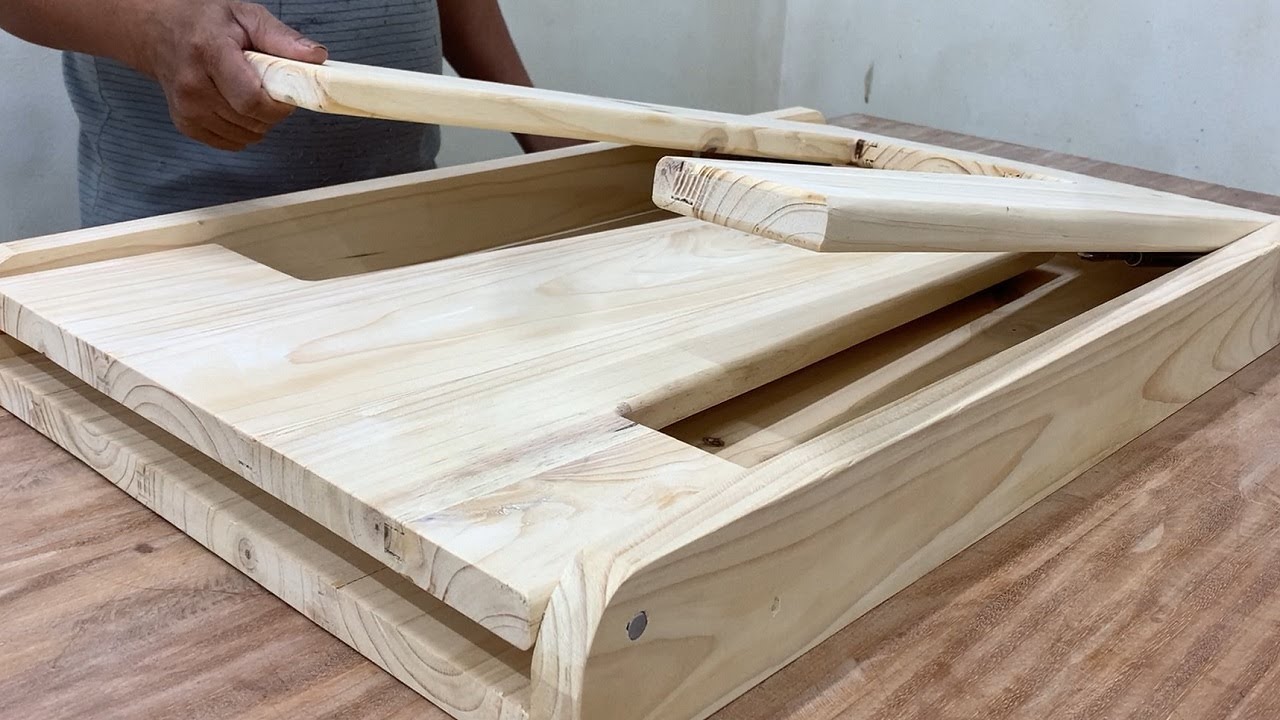
Credit: www.youtube.com
Common Mistakes And How To Avoid Them
Many DIYers make the same errors when adding folding legs. Here’s how to avoid them:
- Incorrect leg placement: If legs are too close to the edge, the table is unstable; too far in, it’s easy to tip.
- Mismatched hardware: Using weak hinges on a heavy table can be dangerous. Match hardware to table size and weight.
- No locking mechanism: Legs may fold while in use, risking injury or damage.
- Uneven leg length: Even a 1/8-inch difference can cause wobbling.
- Skipping pre-drilling: This can split wood, making joints weak.
- Low-quality screws: Cheap or too-short screws can pull out over time.
- Not testing before final assembly: Always check folding action and table stability before fully tightening screws.
Tip: Check all parts for sharp edges and sand them smooth. This prevents cuts when folding or carrying the table.
Maintenance And Care
A folding table needs regular checks to stay safe and sturdy.
- Inspect hardware: Every few months, check all screws and brackets for tightness.
- Clean regularly: Wipe down the tabletop and legs to prevent dust and dirt buildup.
- Lubricate moving parts: Apply a small amount of oil to hinges or brackets for smooth folding.
- Store properly: Keep the table in a dry place to avoid rust or wood warping.
If you notice wobbling or a loose bracket, fix it immediately. Folding tables can fail quickly if not maintained.
Creative Ideas For Folding Tables
Folding leg tables don’t have to be boring or plain. Here are some creative designs to inspire your project:
- Chalkboard top: Paint the tabletop with chalkboard paint for a fun kid’s table or portable sign.
- Hidden storage: Add a shallow tray or drawer under the tabletop for supplies.
- Decorative legs: Paint or wrap legs with colorful tape for a stylish look.
- Built-in handle: Attach a sturdy handle to one side for easier carrying.
- Multi-height design: Drill extra holes in the legs and use bolts to adjust height for different uses.
Adding even a small design touch makes your folding table unique and more useful.
Real-world Examples
- Camping Table: A 24×48 inch plywood top with folding aluminum legs. Used for cooking, card games, and gear prep. Folds flat to 2 inches thick for car storage.
- Craft Table: 30×60 inch MDF top with steel folding brackets. Holds heavy tools, folds away after use. Added leg levelers for an uneven basement floor.
- Kids’ Art Desk: Small 24×36 inch table with rounded corners, painted legs, and locking pins. Easy for kids to set up and put away safely.
Each example shows how the same basic process can create tables for very different needs.

Credit: www.woodworkingtalk.com
Cost And Time Estimates
Building a folding leg table is often cheaper than buying a commercial one, and you get higher quality.
| Item | Estimated Cost (USD) | Time Needed |
|---|---|---|
| Tabletop (plywood 30×60″) | $20–$40 | – |
| Folding leg bracket kit | $10–$25 | – |
| Wood/metal legs | $10–$30 | – |
| Screws, feet, finish | $5–$10 | – |
| Total | $45–$105 | 2–4 hours |
If you already have tools and some materials, your cost will be even lower.
Safety Tips
Never overlook safety when building or using a folding leg table.
- Always test weight: Place a heavy item on the table and check for movement before regular use.
- Lock legs in place: Use locking pins or brackets if possible.
- Keep fingers clear: Be careful when folding legs to avoid pinching.
- Do not overload: Stay within the weight limit for your chosen hardware and tabletop.
If you have children or pets, check all moving parts for pinch points.
Where To Find More Ideas And Hardware
Hardware stores, online retailers, and specialty woodworking shops all offer folding leg brackets and pre-made legs. For design inspiration and step-by-step videos, websites like Wikipedia have useful resources and links.
Tip: Read reviews before buying hardware. Not all folding brackets are created equal—look for those rated for your table’s size and weight.
Frequently Asked Questions
What Type Of Hinge Is Best For Folding Table Legs?
For most tables, steel folding brackets are the safest and most stable. Basic butt hinges can work for light tables, but they often lack locking features. Always match hinge strength to table weight for the best results.
How Much Weight Can A Folding Leg Table Hold?
It depends on the tabletop material, leg thickness, and hardware type. Most DIY folding tables hold 50–150 pounds safely. Heavy-duty brackets and thicker legs can support more, but always check the hardware’s rated capacity.
Can I Add Folding Legs To An Existing Table?
Yes, you can. Remove the old legs and attach folding brackets or hinges as described above. Check if the tabletop material is strong enough for new screws and hardware.
How Do I Keep Folding Legs From Collapsing By Accident?
Install a locking pin or latch on each bracket. This holds the legs firmly in place while the table is in use. Some folding brackets have a built-in lock—always check before buying.
Is It Possible To Make Folding Legs Adjustable In Height?
Yes, but it’s more complex. Use telescoping legs or drill extra holes for bolts at different heights. Adjustable legs are useful for workbenches or tables used by children and adults.
Making folding legs on a table is a practical, rewarding project that saves space and adds versatility. With careful planning, quality materials, and attention to detail, you can create a folding table that’s sturdy, safe, and stylish for any need.