
Lighting a bedroom without overhead lighting can feel tricky. Many rooms, especially in older homes or apartments, lack a ceiling light. Others have an outdated fixture you’d rather not use. But a cozy, well-lit bedroom is not out of reach.
With the right approach, you can create a space that’s both practical and beautiful—without ever flipping a ceiling switch.
This guide explores everything you need to know about bedroom lighting when overhead options aren’t available. We’ll cover creative solutions, product types, and design strategies. You’ll also find insights that even many homeowners miss, like how to layer light for comfort, tricks for making a small bedroom feel bigger, and why color temperature matters. By the end, you’ll have a clear plan to brighten your bedroom, boost your mood, and even improve your sleep.
Why Bedrooms Lack Overhead Lighting
Some bedrooms simply were not designed with a ceiling fixture. Older homes often relied on lamps and wall sconces. In apartments, landlords may avoid the cost or hassle of installing overhead wiring. Even new builds sometimes skip this feature for design reasons.
This situation brings a challenge: a single overhead bulb can flood the room with light, but it’s not always the best kind. Overhead lighting can feel harsh, make shadows, and disrupt a relaxing mood. By choosing other methods, you actually gain more control over comfort and style.
The Three Layers Of Bedroom Lighting
Good lighting design uses three layers: ambient, task, and accent.
- Ambient lighting: This is the main, general light for the room. It lets you see and move around safely.
- Task lighting: Focused light for activities like reading, dressing, or working.
- Accent lighting: Decorative touches that highlight features or create mood.
Without overhead lighting, you’ll need to use a combination of other sources to cover all three layers. This approach helps prevent dark corners and ensures the room feels balanced.
The Best Alternatives To Overhead Lighting
Let’s look at the most effective ways to light a bedroom without a ceiling fixture. Each method has its strengths, and you can often mix several for the best results.
Floor Lamps
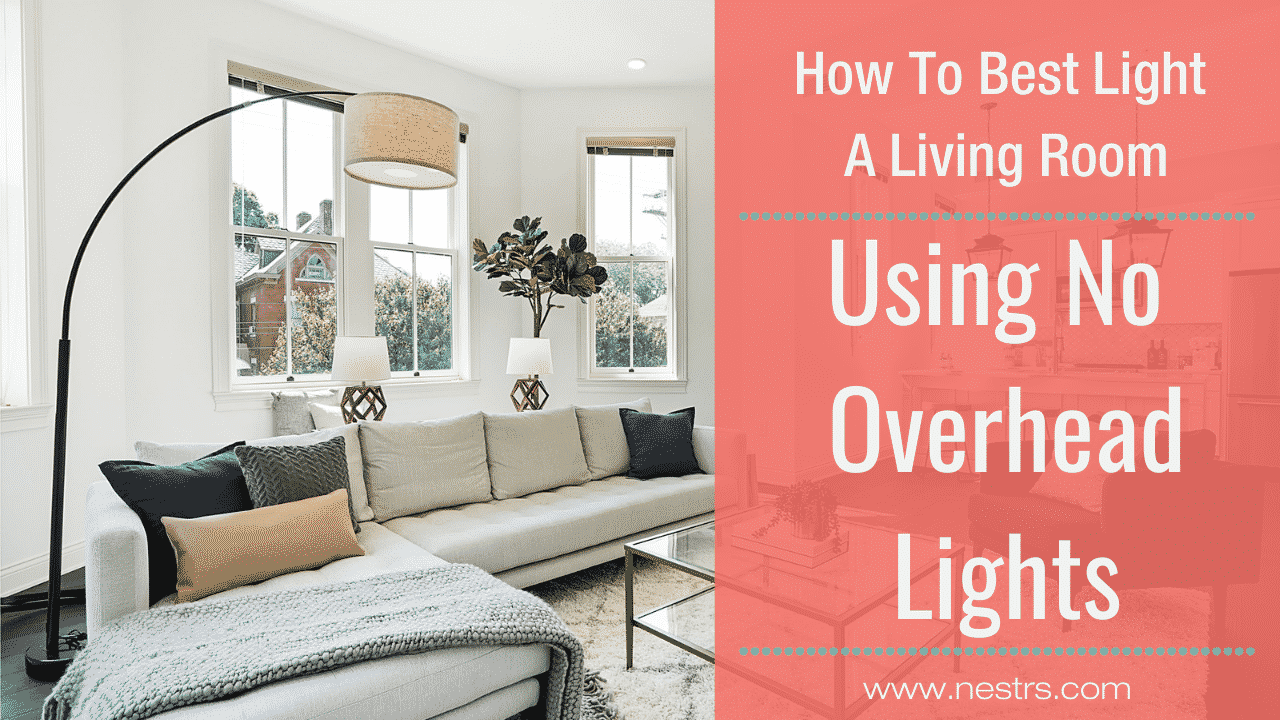
Floor lamps are one of the simplest and most flexible solutions. They come in many sizes, shapes, and brightness levels. Place a tall lamp in a corner to bounce light off walls and the ceiling, creating a soft, even glow. Arc lamps can reach over a bed or reading nook. Tripod styles add a designer touch.
Choose a lamp with a dimmer for more control. If you have a large bedroom, two or more floor lamps can cover all areas.
Table Lamps
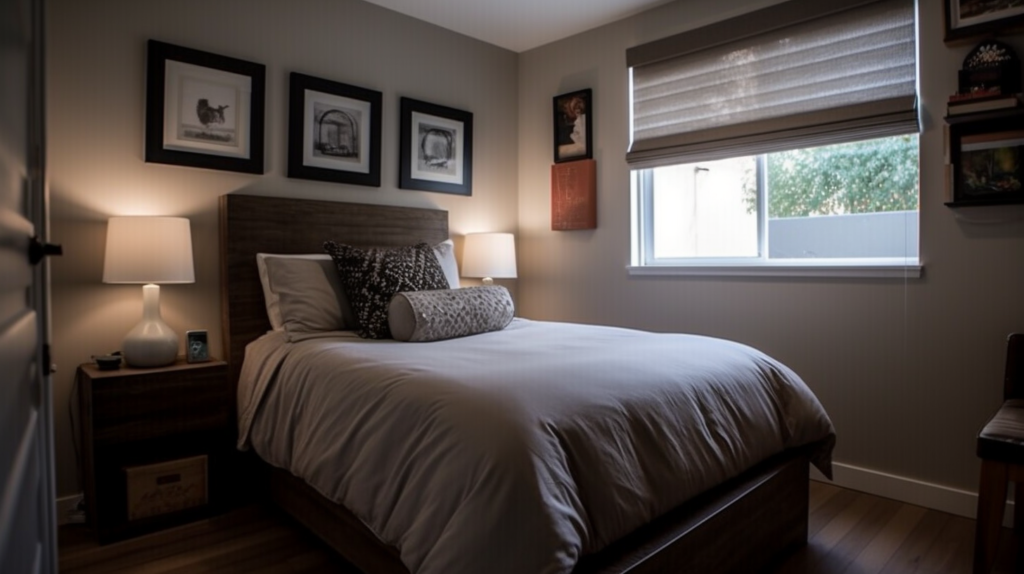
Table lamps offer direct light for bedsides, desks, or dressers. A pair of matching lamps adds symmetry and style. For small bedrooms, look for lamps with a slim base or built-in USB charging. Place them on each side of the bed for reading or on a vanity for makeup.
A common mistake: picking lamps that are too short or tall for the furniture. Aim for a lamp height that puts the bottom of the shade at about eye level when you’re sitting or lying down.
Wall Sconces
Wall sconces are attached to the wall and can be hardwired or plug-in. Plug-in models are easy to install—just hang and plug into a nearby outlet. Sconces save space on nightstands and create a hotel-like feel. Swing-arm sconces are great for reading in bed, as you can adjust the angle easily.
To avoid harsh shadows, mount sconces about 60 inches from the floor and space them evenly around the room.
String Lights
String lights can bring warmth and a magical touch to any bedroom. Drape them above a headboard, along shelves, or around a window frame. Choose LED string lights for safety and energy savings.
Go for a soft warm white tone rather than bright white, which can feel too intense. Some string lights have dimmers or remote controls for extra convenience.
Plug-in Pendant Lights
Pendant lights don’t require ceiling wiring if you choose plug-in styles. Hang them from a hook in the ceiling, then run the cord down to an outlet. These work well over bedsides or reading corners.
Pick a pendant with a fabric or glass shade to diffuse light and avoid glare. Adjustable cords let you set the perfect height.
Clip-on And Clamp Lamps
Clip-on lamps attach to a shelf, headboard, or desk. They’re small and easy to move. These lamps are perfect for renters or anyone who wants a flexible lighting option.
Use them for focused light where you need it, such as over a book or laptop. Look for models with a gooseneck arm for easy aiming.
Led Strip Lights
LED strip lights are thin, flexible strips with adhesive backing. Stick them under shelves, behind the headboard, or along baseboards for hidden, indirect light. Some strips change color, which can set the mood for reading, relaxing, or waking up gently.
A key tip: Use strip lights with a diffuser cover to avoid seeing individual bulbs, which can look messy.
Smart Bulbs And Smart Plugs
Smart bulbs fit into regular lamps and let you control brightness, color, and timing with your phone or voice assistant. Pair them with smart plugs to automate when lights turn on or off—great for waking up in the morning or setting a bedtime routine.
This technology lets you adjust light temperature from cool (energizing) to warm (relaxing) as needed.
Candles And Flameless Alternatives
Candles can add a cozy, romantic glow. For safety, try LED flameless candles. These mimic real flames without the fire risk, making them perfect for bedrooms.
Scatter a few on dressers or windowsills. Some flameless candles have timers so they switch off automatically.
How To Layer Light For Comfort And Function
Choosing the right light sources is just the start. To create a space that feels complete, you need to layer different types of light.
- Start with ambient lighting using floor or large table lamps. These give the main brightness for moving around.
- Add task lighting at bedsides or desks. Adjustable lamps or sconces work well here.
- Use accent lights—like string lights or candles—for mood and detail.
If you have a small bedroom, use wall-mounted or under-bed lighting to save surface space. In a large room, spread sources evenly so no area feels left out.
Example Lighting Plan
Imagine a 12×12 foot bedroom with no ceiling light. Here’s a practical setup:
- One tall floor lamp in a corner, with a soft white bulb for general light
- Two wall sconces or pendant lights by the bed for reading
- An LED strip behind the headboard for a gentle nighttime glow
- A small desk lamp for working or writing
This combination gives full coverage, with each light serving a purpose.
Key Features To Look For In Bedroom Lighting
Not all lamps are equal. When shopping, keep these factors in mind:
Brightness
Lumens measure brightness. For bedrooms, aim for a total of 2,000–4,000 lumens from all sources combined. Too dim, and the room feels gloomy; too bright, and it’s harsh.
Here’s a quick comparison of common bulb types and their brightness:
| Bulb Type | Watts (W) | Lumens | Best For |
|---|---|---|---|
| Incandescent | 60 W | 800 lm | Warm, traditional look |
| LED | 8-12 W | 800-1,100 lm | Energy savings, adjustable color |
| CFL | 13-15 W | 800-900 lm | Budget option, cooler tones |
Color Temperature
Light color is measured in Kelvin (K). Warm white (2,700K–3,000K) is best for bedrooms. It feels relaxing and helps your body get ready for sleep. Cool white (4,000K+) is better for tasks but can feel harsh at night.
A good strategy is to use warm bulbs for the main lamps and reserve cooler bulbs for reading or working areas only.
Light Direction
Some lamps spread light up, others down, and some in all directions. For bedrooms, upward-facing shades soften the light by bouncing it off the ceiling. Downward shades focus light for reading.
Dimming Features
Dimmable lights let you adjust brightness to match your mood or time of day. They’re great for winding down before sleep.
Not all bulbs or lamps are compatible with dimmers—double-check before buying.
Size And Placement
A lamp that’s too large will crowd a small nightstand, while a tiny lamp won’t provide enough light for a big room. Measure your space and furniture before choosing.
Placement matters, too. Avoid putting bright lamps directly in your line of sight when lying in bed.
Common Mistakes To Avoid
When lighting a bedroom without overhead options, it’s easy to make errors that spoil the result. Here are some pitfalls:
- Relying on only one lamp, which creates harsh shadows and dark corners
- Using bulbs that are too bright or too cool-toned, making the room feel sterile
- Ignoring the importance of dimmable fixtures for nighttime use
- Cluttering surfaces with too many small lamps instead of a few well-placed options
- Overlooking outlet locations (cords should not become tripping hazards)
- Placing lights where they reflect in mirrors or screens, causing glare
A smart approach is to plan your layout before buying anything. Sketch your room and mark where you need ambient, task, and accent light.
How To Make Small Bedrooms Feel Brighter
If your bedroom is small or has little natural light, you may need extra tricks. Here’s how to maximize brightness:
- Use multiple small lamps rather than one big light. This evens out shadows.
- Choose light-colored lampshades and furniture, which reflect more light.
- Hang a mirror opposite a lamp to bounce light around the room.
- Keep window treatments light and open during the day.
- Install LED strip lights under the bed or along shelves for hidden glow.
- Avoid dark paint colors or heavy drapes that absorb light.
Here’s a quick comparison of lamp shade materials and how they affect light:
| Lampshade Material | Light Diffusion | Best Use |
|---|---|---|
| Fabric (White/Cream) | High | Ambient lighting |
| Glass (Frosted) | Medium-High | General or accent |
| Metal (Opaque) | Low (Directional) | Task lighting |
How To Hide Cords And Wires
Without overhead lights, you’ll use more plug-in lamps and fixtures. This can create messy cords. Here’s how to keep your bedroom tidy:
- Use cord covers that match your wall color
- Run cords behind furniture or along baseboards
- Secure cords with adhesive clips or cable organizers
- Choose lamps with built-in cord management
- For wall sconces, pick plug-in models with fabric-wrapped cords for a designer look
If possible, place lamps near outlets to reduce visible wiring.

Credit: www.us.pooky.com
Safety Tips For Plug-in Lighting
When adding multiple lamps and plug-in lights, safety is important:
- Don’t overload outlets—use power strips with surge protection
- Use bulbs with the correct wattage for your lamp
- Check cords regularly for fraying or damage
- Keep cords away from water sources, such as windowsills during rain
- Turn off lamps when not in use or add smart plugs with timers
LED bulbs stay cool and use less power than old-fashioned incandescent bulbs, making them a safer choice for bedrooms.
Creative Lighting Ideas For Unique Bedrooms
Sometimes, you want your bedroom to stand out. Here are creative ideas to make lighting part of your decor:
- Hang a statement floor lamp with a sculptural base
- Use fairy lights in glass jars as nightlights
- Mount a picture light above artwork or a gallery wall
- Add RGB LED strip lights for color-changing effects behind your bed or furniture
- Install a backlit headboard for a floating glow
For kids’ rooms, try lamps shaped like animals or stars, or nightlights with motion sensors. For guest rooms, pick lights with USB ports for charging devices.
Credit: www.modern.place
How To Choose The Best Bulbs For Bedroom Lighting
Not all bulbs are created equal. Here’s a breakdown of what to look for:
Led Vs. Incandescent Vs. Cfl
- LED bulbs last up to 25,000 hours, use very little energy, and come in many shapes and colors
- Incandescent bulbs are warm and cheap, but use more energy and burn out faster
- CFL bulbs (compact fluorescent) are efficient but may take time to warm up and contain a small amount of mercury
For bedrooms, LEDs are usually the best choice. They stay cool, are dimmable, and can mimic warm or cool daylight.
Choosing Bulb Shape
- A19: Standard bulb shape for most lamps
- Globe: Round bulbs for decorative fixtures
- Candle: Tapered bulbs for wall sconces
- Tube: For desk lamps or under-shelf lighting
Match the bulb to your lamp’s socket and shade size.
Understanding Color Rendering Index (cri)
CRI measures how accurately a bulb shows colors, on a scale from 0–100. A CRI of 80 or above is good for bedrooms, making decor and skin tones look natural.
Energy Efficiency And Cost Savings
Switching to efficient lighting saves money and helps the planet. LED bulbs use up to 80% less energy than traditional bulbs. Over a year, a single 60W incandescent bulb running 5 hours a day costs about $11. An LED with the same brightness costs only $2.
Smart plugs and timers can further cut your bill by turning lights off when not needed.
Credit: www.jumpusapark.com
Real-life Bedroom Lighting Examples
To see these ideas in action, here are two real-world setups:
Urban Apartment Bedroom
- No ceiling light
- One arc floor lamp by the window for ambient light
- Two plug-in wall sconces on each side of the bed for reading
- LED strip under the bed for a gentle nightlight
- All bulbs set to 2,700K warm white
Small Cottage Bedroom
- No overhead wiring
- One tripod floor lamp in the corner
- Two small table lamps with white fabric shades on dressers
- String lights above the headboard for atmosphere
- Mirror on the wall to bounce light
Both rooms feel bright, inviting, and practical, without ever using a ceiling fixture.
Planning Your Bedroom Lighting Layout
Before buying anything, take these steps:
- Map your room: Mark where you need light (bedside, closet, desk).
- Count outlets: Know where you can plug in lights.
- Choose main ambient lights: Floor or table lamps for general use.
- Add task lights: Sconces, clamp lamps, or pendants for reading.
- Layer accent lights: String lights, LED strips, or candles for mood.
- Plan cord management: Decide how you’ll hide or organize cords.
Taking time to plan prevents wasted money and clutter.
The Impact Of Light On Sleep And Mood
Bedroom lighting isn’t just about seeing in the dark—it affects your health. Bright, cool light at night can interrupt your body’s sleep signals. Warm, dim light helps you relax and fall asleep faster.
Consider setting up a bedtime routine with smart bulbs that dim and shift to warmer tones as you wind down. In the morning, a lamp with a sunrise simulation can help you wake up naturally.
Research shows people with good bedroom lighting fall asleep faster and report higher satisfaction with their space. For more on the science of light and health, see this Sleep Foundation article.
Table: Quick Guide To Plug-in Lighting Options
Here’s a summary of the main plug-in lighting options and their best uses:
| Lighting Type | Where to Use | Pros | Cons |
|---|---|---|---|
| Floor Lamp | Corners, beside bed | High output, easy to move | Takes floor space |
| Table Lamp | Bedside, desk, dresser | Variety of styles, focused light | Needs surface space |
| Wall Sconce | Above nightstand, reading area | Saves space, hotel look | Some installation needed |
| String Lights | Headboard, shelves, windows | Decorative, gentle glow | Not bright enough alone |
| LED Strip | Under bed, behind headboard | Hidden, color options | Needs power, stickiness varies |
Frequently Asked Questions
How Many Lamps Do I Need To Light A Bedroom Without Overhead Lighting?
Most bedrooms need at least two to three light sources for even coverage. A floor lamp for ambient light, plus a lamp or sconce on each side of the bed, works well. Add more if you have a large room or need task lighting for a desk.
What Type Of Bulb Is Best For Bedroom Lamps?
LED bulbs are the top choice for bedrooms. They’re energy efficient, long-lasting, and available in many color temperatures and shapes. Choose warm white (2,700–3,000K) for a relaxing atmosphere.
How Can I Make Sure My Bedroom Lighting Isn’t Too Harsh?
Use multiple light sources instead of one bright lamp. Pick bulbs with a soft, warm tone, and use lampshades or diffusers to soften the light. Dimmable lights give you extra control, especially in the evening.
Are Plug-in Wall Sconces Safe To Use In Bedrooms?
Yes, plug-in wall sconces are safe if installed properly. Make sure to use the correct wattage bulbs and keep cords tidy. Choose models with UL listing for safety.
Can Smart Lighting Really Improve My Sleep?
Smart bulbs and plugs can help you follow a healthy sleep routine. Set lights to dim and shift to warm tones before bed, or use smart timers to turn off lights automatically. This can support your natural sleep cycle.
—
Lighting a bedroom without overhead fixtures is not just possible—it’s a chance to create a space that fits your needs and style. By understanding the layers of light, choosing the right products, and avoiding common mistakes, you’ll enjoy a bedroom that feels both welcoming and practical.
With today’s flexible lighting options, you’re free to design a room that makes you feel at home, every single night.