
Epoxy floors are famous for their glossy finish and high durability. They turn dull, gray concrete into a surface that looks clean and modern. But after a few months or years, many people notice their epoxy floors lose some of their shine. Foot traffic, moving furniture, and simple dust can make even the best epoxy floor look tired.
If you want to keep your epoxy floor shiny for years, you need more than just a mop and bucket. Understanding what causes dullness, how to clean correctly, and which products to use makes a big difference. This guide explains everything you need to know—step by step—to protect your investment and enjoy a bright, reflective floor every day.
What Makes Epoxy Floors Lose Their Shine?
Epoxy floors look fantastic when new, but several things can make them look faded or cloudy over time. Knowing these causes helps you prevent common mistakes.
1. Abrasive Dirt and Grit: Tiny stones, sand, and dust act like sandpaper. When people walk on the floor, these particles scratch the surface. Even small scratches scatter light, making the floor look dull.
2. Harsh Chemicals: Many cleaning products contain acids or strong solvents. These can break down the epoxy’s glossy layer, causing haziness or discoloration.
3. UV Exposure: Direct sunlight can fade the color and shine of some epoxy coatings. UV light breaks down the polymers, especially in cheaper or older products.
4. Moisture Damage: Water trapped under the floor or frequent puddles on top can create white, cloudy spots. This is more common in garages and basements.
5. Improper Cleaning Tools: Hard brushes or dirty mops can leave marks and residue. Wax or oily products might create a sticky film instead of a clear shine.
6. Furniture Movement: Dragging heavy items without padding scratches the surface. Wheels and metal feet are common culprits.
Not all damage is easy to see at first. Small scratches add up. Using the wrong cleaner once might not show immediately, but over time, it erodes the shine.
Daily And Weekly Cleaning: The Basics Of Shine Retention
Regular cleaning is the foundation of a shiny epoxy floor. Small habits make a big difference in how your floor looks after months or years.
Daily Cleaning
For spaces with high use (like garages, kitchens, or commercial spaces), a quick daily routine keeps grit from building up.
- Sweep or use a dust mop at least once a day
- Focus on entryways where dirt enters
- Use a soft microfiber mop, not a stiff broom
Weekly Cleaning
A deeper clean once a week removes fine dust and sticky spots.
- Mix a bucket of warm water with a few drops of mild dish soap (avoid citrus or vinegar-based cleaners)
- Use a damp (not soaking wet) microfiber mop
- Rinse the mop often and change the water if it gets dirty
- Dry the floor with a clean towel or allow it to air dry
Pro tip: Never use steam mops on epoxy floors. The heat and moisture can damage the coating over time.
Choosing The Right Cleaning Products
Not all cleaners are safe for epoxy. Some can damage the surface, while others leave residue that attracts more dirt.
Safe Cleaning Products
- Mild dish soap (without bleach or citrus)
- PH-neutral floor cleaners (look for “safe for epoxy” on the label)
- Diluted ammonia (add 1/3 cup ammonia to a gallon of water for tough stains)
Products To Avoid
- Vinegar or lemon-based cleaners (too acidic)
- Bleach (can discolor and weaken the epoxy)
- Abrasive powders (scratch the surface)
- Oil soaps (leave a cloudy film)
- Wax or polish (not needed and can build up)
Quick Comparison Of Cleaning Products
| Product Type | Safe for Epoxy? | Effect on Shine |
|---|---|---|
| Mild Dish Soap | Yes | No residue, safe |
| Vinegar | No | Dulls surface, acidic |
| Ammonia Solution | Yes (diluted) | Effective for grime |
| Bleach | No | Can discolor, damage |
| Wax | No | Leaves film, attracts dirt |
Non-obvious tip: Many “multi-surface” cleaners claim to be gentle but contain ingredients that can dull epoxy over time. Always check the label or test on a small, hidden area.
Dealing With Spills And Stains
Quick action stops permanent stains and keeps your floor looking new. The best method depends on what caused the spill.
Steps For Common Spills
- Oil and Grease: Blot with paper towels immediately. Use diluted ammonia solution for residue, then rinse with clean water.
- Paint or Chemicals: Wipe up right away. Use a soft cloth and mild soap. Avoid scrubbing with abrasive pads.
- Food or Drink: Clean with warm, soapy water. Rinse and dry.
- Rust Stains: Try a small amount of diluted vinegar on a cloth, but rinse very well and do not let it sit. Test first to avoid dull spots.
Never let spills sit overnight. Epoxy is resistant but not immune to stains, especially from strong chemicals.
Protecting Your Epoxy Floor From Scratches And Damage
Physical damage is a major cause of dullness. Prevention is easier than repair.
Use Floor Mats And Rugs
Place doormats at all entrances. This catches sand and stones before they hit the floor. Use soft, non-rubber-backed rugs in high-traffic areas (like under desks or kitchen sinks).
Furniture Pads
Attach soft felt pads to the bottom of all chairs, tables, and heavy furniture. Replace them when they wear down.
Wheels And Casters
If you roll toolboxes or carts, use rubber wheels. Hard plastic or metal wheels scratch and gouge the epoxy.
Avoid Dragging Heavy Items
Always lift furniture or use moving blankets. Dragging creates long, visible scratches that are difficult to buff out.
Non-obvious insight: Even pet claws can scratch epoxy if they run or slide often. Keep pet nails trimmed in rooms with epoxy floors.
Polishing Epoxy Floors: When And How
Routine cleaning keeps your floor clean, but to restore a glass-like shine, you sometimes need to polish.
When Should You Polish?
- If you notice dull patches after cleaning
- After a few years of use (depending on foot traffic)
- When small scratches and haze do not wash away
Polishing Methods
- Microfiber Polishing Pads: Attach to a standard mop or floor buffer. Use only on clean, dry floors.
- Epoxy Floor Polish: Use a product designed for epoxy (not for wood or tile). Apply a small amount and buff gently in circles.
- Mechanical Buffing: For large areas or deep dullness, a high-speed buffer with a soft pad can restore shine. This is often done in commercial spaces.
Important: Never use car wax or tile polish. These can make the floor slippery and attract dirt.
Simple Polishing Steps
- Sweep and mop the floor thoroughly
- Let the surface dry completely
- Apply a small amount of epoxy-safe polish to a microfiber pad
- Buff in a circular motion, working in small sections
- Let the area dry before walking on it
Professional Maintenance: When Diy Is Not Enough
Sometimes, regular cleaning and at-home polishing are not enough. Professional help is best if:
- The floor has deep scratches or chips
- Large, cloudy areas don’t improve with cleaning
- The epoxy coating is peeling or bubbling
What Professionals Do
- Deep cleaning with specialized machines
- Light sanding (if needed) to remove surface damage
- Applying a fresh topcoat or re-coating the entire floor
Cost: Professional maintenance is more expensive but can add years to your floor’s life. Prices range from $1 to $5 per square foot depending on the service and location.
Fact: A well-maintained epoxy floor can last 15–20 years in a home, and 5–10 years in a busy commercial space.
Seasonal Maintenance For Epoxy Floors
Different seasons create different challenges for keeping your floor shiny.
Summer
- More sand and grit from outside; sweep daily
- Sunlight is stronger—close blinds in direct sun areas if possible
Winter
- Road salt and snow can eat away at epoxy. Place mats at all entrances and clean up any salt immediately.
- Use a gentle cleaner after storms to remove residue
Spring And Fall
- Moisture is higher; check for puddles and dry quickly
- Clean up mud and leaves right away
Pro tip: Rotate mats and rugs each season. This prevents dirt from collecting underneath and scratching the floor.

Credit: concreteguymn.com
Common Epoxy Floor Cleaning Mistakes To Avoid
Even careful owners sometimes make mistakes that dull their floors. Avoid these errors for a lasting shine:
- Using dirty mops or water: This just spreads dirt and leaves streaks.
- Over-wetting: Too much water can seep into cracks and damage the epoxy base.
- Skipping routine cleaning: Waiting until the floor looks dirty makes stains harder to remove.
- Using strong chemicals: Products like bleach, vinegar, or degreasers do more harm than good.
- Applying wax or polish meant for other floor types: These products often create a slippery, uneven finish and attract dust.
Non-obvious insight: Don’t use colored cleaning pads. The dye can transfer to the floor and create stains that are hard to remove.
Comparing Epoxy Floors With Other Flooring Types
Epoxy is popular for its shine, but how does it compare to other common floors for maintenance and gloss retention?
| Floor Type | Gloss Level (1-10) | Maintenance Difficulty | Durability |
|---|---|---|---|
| Epoxy | 9 | Easy–Moderate | High |
| Polished Concrete | 7 | Moderate | High |
| Tile | 8 | Moderate | Medium |
| Laminate | 6 | Easy | Medium |
| Vinyl | 5 | Easy | Low–Medium |
Epoxy stands out for its shine and durability, but it still requires regular care to stay at its best.
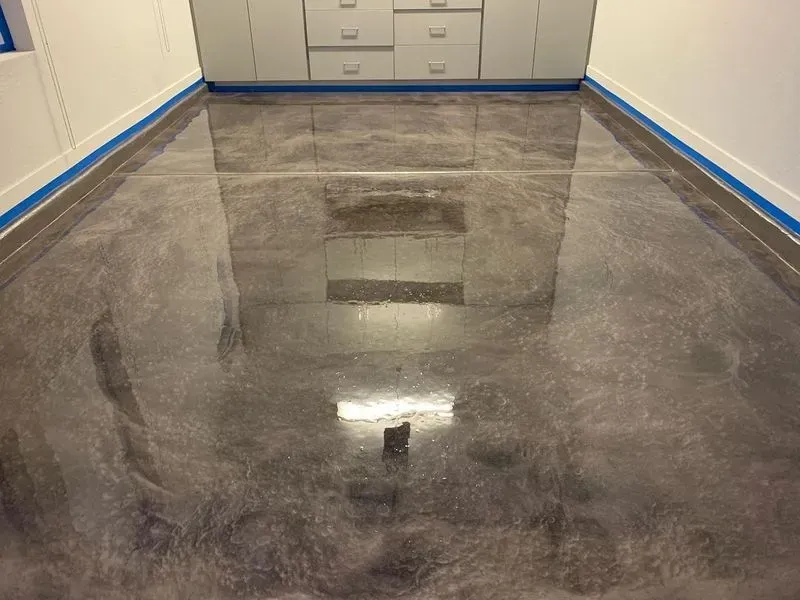
Credit: www.epoxystrong.com
Signs Your Epoxy Floor Needs Extra Attention
Don’t wait until the floor looks bad. Certain signs mean you should take action:
- Cloudy or milky areas that don’t clean up with soap and water
- Yellowing in areas that get sun
- Chips, cracks, or peeling anywhere on the surface
- Persistent stains from oil, paint, or rust
If you see these, try a deeper cleaning routine or call a professional before the damage spreads.
How To Restore Shine To An Older Epoxy Floor
Sometimes, regular cleaning is not enough for older floors. If your floor looks dull after years of use, you can restore its shine with these steps:
- Deep Clean: Sweep, then mop with a mild soap. Scrub stubborn areas with a soft brush.
- Remove Residue: Rinse with clean water and dry with a towel. Check for sticky or hazy spots.
- Light Buffing: Use a microfiber polishing pad or rent a floor buffer with a soft pad.
- Apply Epoxy Polish: Use a product made for epoxy, following the instructions.
- Consider Re-coating: For very worn floors, apply a new clear topcoat. This is best done by professionals but can be a DIY project if you follow the manufacturer’s guide.
Important: Never sand or abrade the floor unless you plan to re-coat. Sanding can damage the color and design layer.
Advanced Tips For Long-term Shine
- Install UV-protective window film in sunny rooms. This cuts fading and keeps colors bright.
- Set a schedule for routine cleaning (daily, weekly, monthly tasks).
- Keep a small repair kit on hand for chips or deep scratches (epoxy patch kits are sold at hardware stores).
- Use garage floor containment mats in winter to protect against road salt and slush.
- If the floor is in a business, post signs to remind staff about proper cleaning products.
Real-world Example: Garage Vs Kitchen Epoxy Maintenance
Not all epoxy floors face the same challenges. Here’s how care differs in two common locations:
| Location | Main Risks | Best Cleaning Practice | Extra Protection Needed? |
|---|---|---|---|
| Garage | Oil, car tires, grit, road salt | Daily sweeping, mats under cars, ammonia for oil stains | Yes (mats, quick spill cleanup) |
| Kitchen | Food spills, water, chair movement | Wipe spills, weekly mopping, felt pads on chairs | No (if you use pads and clean spills fast) |
Key takeaway: Adjust your care routine to your room’s risks. Kitchens need chair pads and quick spill cleanup; garages need more mats and daily sweeping.
Is Re-coating The Only Way To Bring Back Shine?
No. In most cases, a dull epoxy floor can be revived without a full re-coat. Polishing, deep cleaning, and small repairs solve most problems. Re-coating is only needed for deep scratches, chips, or large areas of peeling.
Quick comparison: A polish or buff costs $0.10–$0.50 per square foot. A full re-coat costs $1–$5 per square foot. Most homes only need a re-coat every 10–15 years if they follow good maintenance.
Finding Reliable Professional Help
If you decide on professional maintenance, choose a contractor who:
- Has experience with epoxy floors (not just concrete or tile)
- Offers a warranty on their work
- Uses high-quality, commercial-grade products
- Can provide references or photos of past jobs
Check reviews and compare quotes. Not all floor companies know how to handle epoxy’s unique needs.
For more information on epoxy flooring properties and care, visit the Wikipedia page on Epoxy.

Credit: epoxyflooringco.com.au
Frequently Asked Questions
How Often Should I Clean My Epoxy Floor To Keep It Shiny?
Clean high-traffic epoxy floors daily with a dust mop. For homes, a weekly mop with mild soap is enough. The key is removing grit before it scratches the surface.
Can I Use Vinegar To Clean My Epoxy Floor?
No, vinegar is too acidic for epoxy. It can dull the surface and break down the shine. Always use pH-neutral cleaners or mild dish soap.
What Should I Do If My Epoxy Floor Has A Scratch?
For small scratches, polish with a microfiber pad and epoxy-safe polish. Deep scratches may need a professional re-coat or repair kit.
Why Does My Epoxy Floor Look Cloudy After Mopping?
Cloudiness is usually from leftover soap, dirty water, or using the wrong cleaner. Rinse with clean water and dry completely. Switch to a recommended cleaner.
How Long Does A Shiny Epoxy Floor Last With Proper Maintenance?
With regular care, a shiny epoxy floor can last 15–20 years in homes and 5–10 years in busy businesses before needing re-coating.
Keeping your epoxy floors shiny is not difficult, but it takes consistency and the right habits. By understanding what causes dullness and following these expert tips, you’ll enjoy a brilliant, reflective floor for many years. Whether your epoxy is in the garage, kitchen, or office, a little effort now prevents bigger problems later. With the right care, your floors will turn heads for decades.