
Does Pam Cooking Spray Contain Butane?
Many people use Pam cooking spray every day. It helps food not stick to pans and makes cooking easier. But recently, some have asked: “Does Pam cooking spray contain butane?” This question worries many who care about food safety and health. Is butane really inside that yellow can? Or is this just a myth?
Let’s look deeply at Pam, how it works, what’s inside, and what the science says about butane and other propellants. You’ll learn not just the facts, but also how these ingredients fit into your cooking and health. Whether you’re a home cook, a parent, or someone trying to eat cleaner, this guide gives you clear answers.
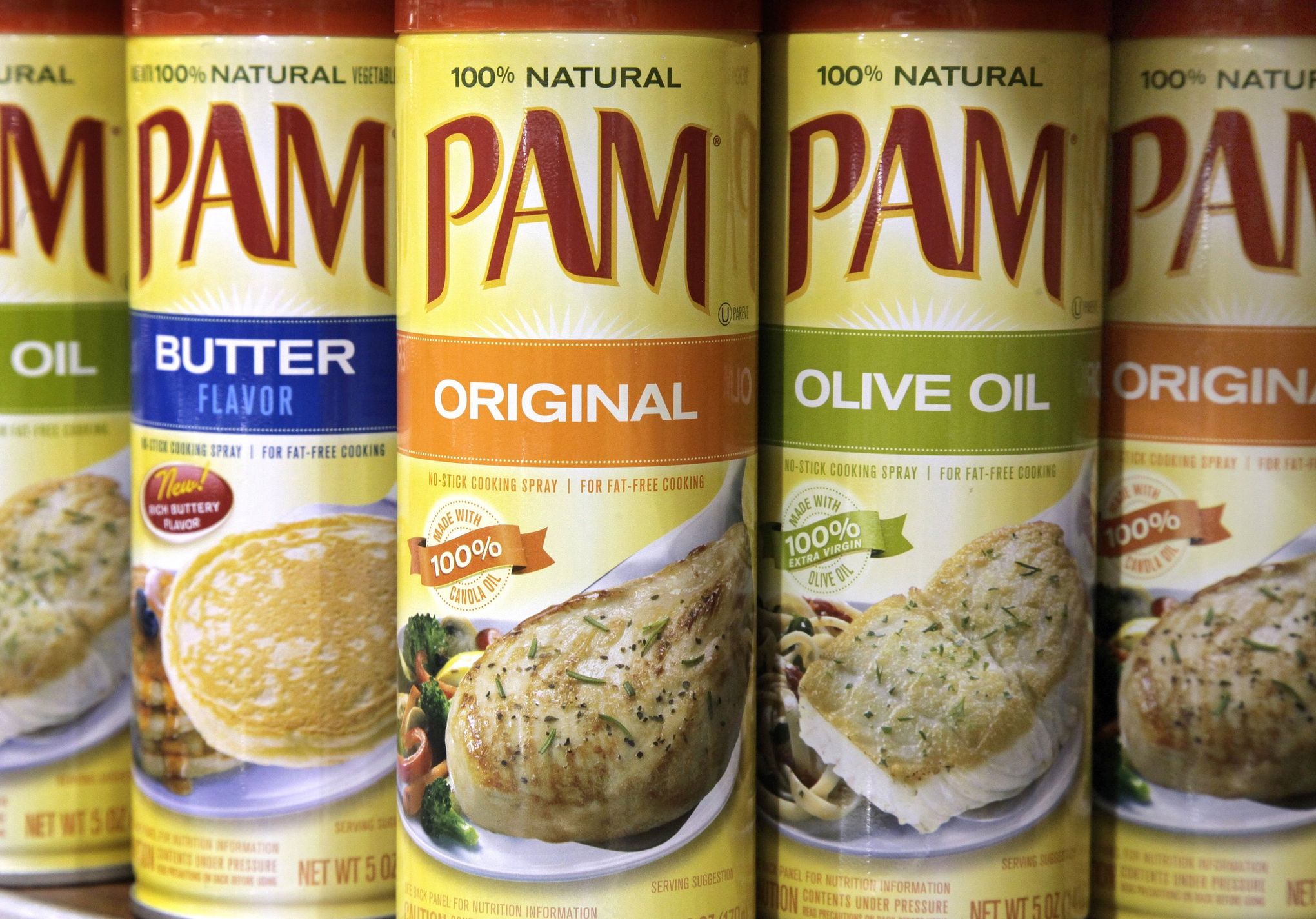
What Is Pam Cooking Spray?
Pam is one of the most popular non-stick sprays in the US. It was first sold in the 1960s and quickly became a kitchen staple. People use Pam to:
- Stop food from sticking to pans
- Make baking easier
- Reduce the amount of oil used in recipes
- Make cleanup faster
Pam works by spraying a thin layer of oil onto cookware. This oil creates a barrier, so food doesn’t bond to the surface. Unlike pouring oil, Pam is more controlled and often uses less fat.
How Does Cooking Spray Work?
Cooking sprays use a mix of oil and propellants. The oil coats the pan, but it needs to come out of the can in a fine mist. That’s where propellants come in. Propellants are gases or liquids that push the oil out when you press the nozzle.
There are different propellants, such as:
- Butane
- Propane
- Isobutane
- Nitrous oxide
- Carbon dioxide
Each propellant has its own properties. Not all sprays use the same ones. Some are chosen for food safety, others for spray quality.
Pam’s Ingredients: A Detailed Look
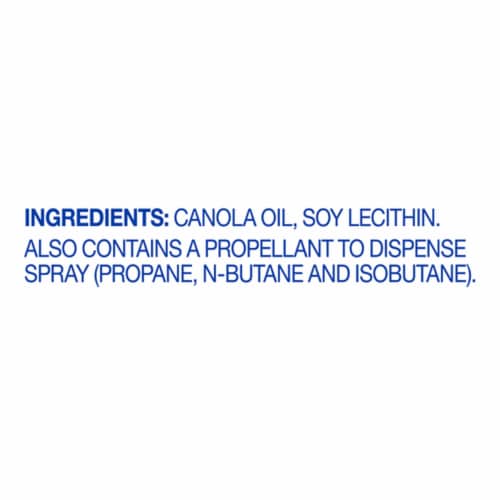
To understand if butane is in Pam, we need to look at the ingredient label. Pam’s main ingredients are:
- Canola oil
- Soybean oil
- Lecithin (helps oil spread)
- Propellants
Some Pam products add extra flavor or oils, but the basics are the same.
Let’s break down the typical Pam ingredient list:
- Oil: This is what coats your pan. Most Pam sprays use canola or soybean oil.
- Lecithin: Makes oil spread more evenly and prevents sticking.
- Propellants: Push the oil out of the can and turn it into a mist.
On the label, Pam lists propellants as: “propellant (isobutane, propane).” Butane is not listed. Why? Let’s see what this means.
What Are Propellants In Cooking Sprays?
Propellants are what make spray cans work. When you press the nozzle, the propellant pushes the oil out. The most common food propellants are:
- Isobutane
- Propane
- Nitrous oxide
- Carbon dioxide
These propellants are approved by the FDA for use in food. They are used in small amounts and are designed to evaporate before hitting your food.
Butane Vs Isobutane: What’s The Difference?
Many people confuse butane and isobutane. They sound similar, but they are not the same.
- Butane (n-butane) is a straight-chain hydrocarbon.
- Isobutane is a branched version of butane.
Both are gases at room temperature. Both can be used as propellants, but isobutane is more common in food sprays because it is less likely to leave residue and is considered safer for food contact.
Pam uses isobutane and propane, not butane.
Pam Cooking Spray And Butane: The Facts
If you check the official Pam label, you’ll see:
- Propellant (isobutane, propane)
Butane is not listed. Pam does not use butane as a propellant in its standard cooking sprays.
Why is this important? Because many websites, blogs, and social media posts claim that butane is in Pam. This is not accurate for the US versions of the product.
Is Butane Used In Any Cooking Sprays?
Some brands use butane, especially outside the US. In Europe or Asia, some sprays might list butane. But in the US, the FDA does not allow butane as a food propellant. Isobutane and propane are approved.
Official Sources
According to the FDA and Pam’s own website, Pam uses isobutane and propane. You can see this on their official product page and the label on the can.
For more scientific detail, see this FDA food additive status list, which shows approved propellants.
Why Do People Think Pam Contains Butane?
Misinformation spreads fast, especially on social media. Some reasons people believe Pam has butane include:
- Confusing butane with isobutane
- Using older or foreign ingredient lists
- Mixing up propellants used in other products (like whipped cream or deodorant)
- Seeing “butane” in unrelated food articles
Some homemade sprays or cheaper brands may use butane, but Pam does not.
Credit: www.foodsco.net
Comparing Pam And Other Cooking Sprays
Let’s compare Pam with other brands to see what propellants are used.
| Brand | Propellant(s) | Oil Type | FDA Approved? |
|---|---|---|---|
| Pam | Isobutane, Propane | Canola/Soybean | Yes |
| Crisco Spray | Isobutane, Propane | Canola | Yes |
| Store Brand (US) | Isobutane, Propane | Vegetable/Canola | Yes |
| Generic (Europe) | Butane, Propane | Sunflower/Vegetable | Depends |
As you see, US brands use isobutane and propane, not butane.
Isobutane: Is It Safe?
Many worry about isobutane because it is related to butane. Isobutane is a gas that can be flammable, but in cooking sprays, it is used in tiny amounts. The FDA has approved isobutane as a propellant for food.
Isobutane evaporates quickly and does not stay on your food. Studies show that any gas left is extremely low—often less than 1 part per million. This is far below levels considered harmful.
Safety Data
- The FDA reviewed isobutane and found it safe for food use.
- Isobutane is used in many kitchen products, including sprays and whipped cream.
- No evidence links isobutane in cooking sprays to health risks.
Butane: Why Is It Not Used In Pam?
Butane is not approved for food propellant use in the US. It is more likely to leave residue and can react with oils. Isobutane is safer and more stable.
Some industrial sprays use butane, but not Pam. If you see a cooking spray with butane, it is not from a major US brand.
Cooking Sprays Without Propellants
Some people avoid sprays with any propellants. There are options:
- Pump sprays: These use air pressure from a pump, not propellants.
- Brush-on oils: You brush oil directly onto pans.
- Reusable spray bottles: Fill with oil, pump, and spray.
These methods use only oil and air, not gases like isobutane or propane.
Comparing Spray Types
Let’s see how propellant sprays and pump sprays differ.
| Type | Propellant Used | Spray Quality | Ease of Use |
|---|---|---|---|
| Pam (Aerosol) | Isobutane, Propane | Fine mist | Very easy |
| Pump Spray | None | Variable | Easy, but needs pumping |
| Brush-on Oil | None | Thick layer | Manual |
Pump sprays are good for those wanting to avoid any propellants.
Health Concerns: Are Propellants Dangerous?
Some people fear propellants in food sprays. Let’s look at the facts:
- Propellants are not eaten: They evaporate before the oil hits your pan or food.
- Amounts are tiny: Most cans use less than 1% propellant.
- FDA approval: Only propellants proven safe are allowed.
- No evidence of harm: Studies do not show health risks from propellants in food sprays.
Real Risks
The real health risk from cooking sprays is using too much oil or inhaling spray mist. If you spray a lot, you might breathe in oil droplets. This can irritate the lungs, especially for people with asthma.
But the propellants themselves are not a concern for most people.
Environmental Impact Of Cooking Sprays
Propellants like isobutane and propane are volatile organic compounds (VOCs). They evaporate quickly and are not considered major pollutants at the levels used in cooking sprays.
However, empty spray cans must be thrown away properly. Do not puncture or burn them.
Eco-friendly Options
- Use pump sprays to avoid VOCs
- Recycle spray cans if possible
- Avoid over-spraying
Credit: www.seattletimes.com
Common Myths About Pam Cooking Spray
Let’s debunk some myths:
- Pam contains butane: False. Pam uses isobutane and propane.
- Propellants stay on your food: False. They evaporate before reaching your food.
- Cooking sprays are unsafe: False. Approved sprays are safe for normal use.
- Propellants are the same as fuel: Not true. Propellants are purified and used in tiny amounts.
Reading Cooking Spray Labels
To know what’s in your spray, check the label. Look for:
- Oil type: Canola, soybean, olive oil
- Propellant: Isobutane, propane, or none
- Additives: Lecithin, flavorings
If you see “butane,” you are likely using a non-US product or a rare brand.
Pam Cooking Spray In Cooking: Practical Tips
Pam is popular because it works well. Here are some tips:
- Spray pans lightly. Too much can leave residue.
- Use Pam for baking, roasting, and grilling.
- Avoid spraying near open flames.
- Clean pans after use to avoid buildup.
Pam is not only for frying eggs. It helps in many dishes:
- Baking cakes and muffins
- Roasting vegetables
- Grilling meat
- Making pancakes
Pam Vs Homemade Cooking Spray
Some people make their own sprays with oil and water. These sprays use a pump bottle and no propellants.
Pros Of Homemade Spray
- No added chemicals
- Control over ingredients
- Eco-friendly
Cons
- Spray quality is not as fine
- Can spoil if water is added
- Needs frequent cleaning
Scientific Studies About Cooking Sprays
Research shows cooking sprays are safe for normal use. Studies have checked:
- How much propellant remains after spraying
- Food contact safety
- Possible health risks
Results show that:
- Isobutane and propane evaporate almost instantly
- Oil droplets are safe if not inhaled in large amounts
- No toxic effects from approved sprays
Comparing Cooking Spray Choices
Let’s compare common choices:
| Product | Main Ingredients | Propellant | Health Risk | Eco Impact |
|---|---|---|---|---|
| Pam | Canola oil, lecithin | Isobutane, propane | Low | Moderate |
| Store Brand Spray | Vegetable oil | Isobutane, propane | Low | Moderate |
| Pump Spray | Any oil | None | Very low | Low |
| Homemade Spray | Any oil, water | None | Very low | Low |
Pump sprays and homemade sprays have the lowest health and environmental risks.
How To Choose A Cooking Spray
When picking a spray, think about:
- Oil type: Choose canola, olive, or sunflower oil for healthier cooking.
- Propellant: If you want to avoid isobutane and propane, use pump sprays.
- Label clarity: Avoid sprays with unclear ingredient lists.
- Allergies: Check for soy, dairy, or gluten if you have allergies.
Tips For Safe Use Of Cooking Sprays
- Spray in a well-ventilated area.
- Keep cans away from heat and flames.
- Use only as directed.
- Do not inhale spray mist.
- Store cans upright.

Credit: www.reddit.com
Regulatory Oversight: How Are Cooking Sprays Controlled?
The FDA regulates food propellants. Only safe propellants are allowed. Companies must list all ingredients, including propellants.
- Isobutane and propane: Approved for food use
- Butane: Not approved for food use in the US
Spray cans must meet safety standards for pressure and leakage.
Alternatives To Pam Cooking Spray
If you want to avoid propellants, try:
- Olive oil pump sprays
- Coconut oil sprays
- Brush-on oils
- Reusable oil misters
These give you control over ingredients and avoid propellants.
Non-obvious Insights: What Most People Miss
- Even “natural” sprays may use propellants: Many brands market as “natural” but still use isobutane or propane.
- Propellant-free sprays can clog: Pump sprays may need frequent cleaning to work well.
- Most propellant sprays lose their pressure before the oil runs out: This is why cans often stop spraying even though there’s oil left inside.
Real-life Example: Pam In Restaurants
Restaurants use large cans of cooking spray. These cans also use isobutane and propane. Chefs trust Pam because it’s consistent and helps with fast cooking. But they also know to use sprays safely and avoid overuse.
Pam Cooking Spray And Butane: The Final Word
Pam cooking spray does not contain butane. It uses isobutane and propane, both approved by the FDA. The myth comes from confusion and misinformation. If you read the label and know the facts, you can use Pam with confidence.
Propellants in cooking sprays are safe for normal use. If you prefer no propellants, pump sprays and brush-on oils are great alternatives. Always check the label and choose what fits your cooking style and health needs.
Frequently Asked Questions
Is Butane Found In Pam Cooking Spray?
No. Pam cooking spray uses isobutane and propane as propellants, not butane. Butane is not listed on Pam’s ingredient label or approved for food use in the US.
Are Propellants In Cooking Sprays Safe?
Yes. The FDA approves propellants like isobutane and propane for food use. They evaporate before reaching your food and are used in tiny amounts.
What Is The Difference Between Butane And Isobutane?
Butane and isobutane are similar gases, but isobutane is branched and less likely to leave residue. Isobutane is safer and more stable for food sprays, which is why Pam uses it.
Can I Avoid Propellants In Cooking Sprays?
Yes. Use pump sprays, brush-on oils, or reusable oil misters. These use only oil and air, not gases.
Does Pam Cooking Spray Affect Food Taste Or Safety?
No. Pam is designed to be flavorless and safe. The oil coats the pan, and propellants evaporate. If used correctly, Pam does not affect taste or safety.
Pam is a reliable kitchen helper, and you can use it knowing what’s inside. Check labels, make informed choices, and cook with confidence.