
Installing double pocket doors can transform your space. These doors slide into the wall, saving room and creating a clean, open look. Many homeowners choose double pocket doors for wide openings, like between living and dining rooms, or for master suites. The process is more complex than a single pocket door, but with careful planning, patience, and the right tools, you can install them yourself. If you’re ready to tackle this project, this guide will walk you step-by-step through everything you need to know, from preparation to finishing touches. By the end, you’ll have confidence to take on double pocket doors, even if you’re new to DIY projects.
Understanding Double Pocket Doors
Double pocket doors are two sliding doors that disappear into wall cavities on either side of an opening. This design is popular in both modern and traditional homes. Unlike regular swinging doors, pocket doors do not require clearance to open, making them ideal for tight spaces.
Why Choose Double Pocket Doors?
Double pocket doors offer several advantages:
- Space saving: They don’t swing out, so you gain extra floor space.
- Open concept feel: The doors can be fully hidden, creating a wide passage.
- Accessibility: They’re easier for people with mobility issues, since there’s no threshold to step over.
- Privacy and flexibility: You can close off rooms when needed, but also open them up for gatherings.
Some common places to install double pocket doors:
- Between living and dining rooms
- Home offices
- Master bedroom suites
- Large bathrooms
- Closets
How Pocket Door Systems Work
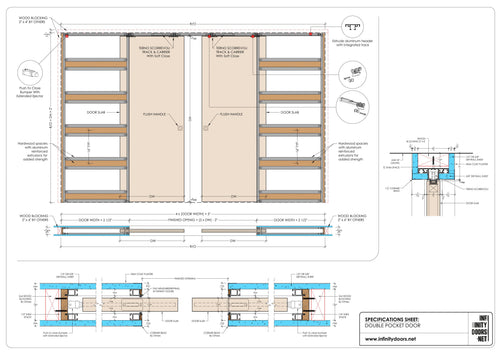
A double pocket door system includes:
- Two door panels
- A special track and hardware kit
- Framing to support the doors
- Rollers and guides to ensure smooth movement
When the doors are open, they slide into pockets built inside the walls. When closed, they meet in the center and latch, providing privacy.
Planning Your Installation
Installing double pocket doors requires careful planning. You’ll need to measure your space, gather materials, and prepare for construction. Skipping these steps can cause problems later, so don’t rush.
Measuring Your Opening
Start by measuring the width and height of the doorway. For double pocket doors, the total opening must be wide enough for two doors to slide into wall pockets. Each pocket needs to be at least the width of its door panel, plus space for the track and framing.
Example: If your finished opening is 72 inches wide and each door is 36 inches, you’ll need two pockets, each at least 36 inches deep.
Key Measurements To Note:
- Width of opening: Total space where doors will slide.
- Height of opening: Floor to ceiling measurement.
- Wall thickness: Standard walls are 2×4 or 2×6 studs.
Checking Wall Structure
Not all walls can hold pocket doors. Check for:
- Load-bearing walls: These carry weight from above, requiring extra support.
- Electrical/plumbing: Wires or pipes inside the wall may need to be moved.
- Stud spacing: Walls must be reframed to fit the pocket door kit.
If you’re unsure, consult a professional before cutting into a wall.
Choosing Your Double Pocket Door Kit
Many brands offer kits specifically for double pocket doors. Compare features before buying. Here’s a quick comparison of popular double pocket door kits:
| Brand | Door Size Supported | Track Length | Max Weight per Door | Notable Features |
|---|---|---|---|---|
| Johnson Hardware | 24″–48″ | Up to 8 ft | 200 lbs | Ball-bearing rollers, easy installation |
| National Hardware | 28″–36″ | Up to 6 ft | 150 lbs | Adjustable hangers, smooth operation |
| Emtek | 24″–40″ | Up to 7 ft | 120 lbs | Quiet track, modern design |
Choosing Door Panels
Select doors that match your decor and fit the opening. Double pocket doors come in various styles:
- Solid wood: Durable, good for privacy
- Glass panels: Let light pass through
- MDF: Affordable, easy to paint
Check thickness and weight—most pocket systems support doors from 1 3/8″ to 1 3/4″ thick.
Tools And Materials Needed
Gather all tools and materials before starting. Here’s a typical list:
- Tape measure
- Level
- Hammer
- Drill and bits
- Screwdriver
- Pry bar
- Saw (reciprocating or circular)
- Framing square
- Pocket door kit
- Door panels (2)
- Lumber for framing (usually 2x4s)
- Drywall
- Finishing nails and screws
- Joint compound
- Paint and primer
Having everything ready prevents delays.
Preparing The Wall
Before installing, you must prepare the wall. This is often the most difficult step, especially in existing homes.
Removing Existing Wall Coverings
If there’s drywall or paneling, carefully remove it to expose the studs. Use a utility knife to cut along seams, then a pry bar to pull sheets off.
Framing For Double Pocket Doors
You’ll need to build new framing to create the pockets and support the track.
Steps For Framing:
- Remove existing studs where pockets will be.
- Install new header across the top, strong enough to support the doors.
- Build pocket walls: Use 2×4 studs to frame each pocket, ensuring they’re straight and spaced properly.
- Add king and jack studs on each side for stability.
- Check alignment: Use a level to ensure everything is straight.
Tip: Double pocket doors require precise framing. Even small errors can cause the doors to stick or rub.
Relocating Utilities
If there are electrical wires, switches, or plumbing in the wall, they must be moved outside the pocket area. This often requires an electrician or plumber. Never leave wires or pipes in the pocket area—they can interfere with the door and cause safety issues.
Installing The Pocket Door Kit
Now it’s time to install the hardware. Double pocket door kits are designed to hold two doors, with a track running across the top.
Installing The Track And Hardware
Follow the manufacturer’s instructions closely, but here are the general steps:
- Install the track: Secure it to the header, ensuring it is perfectly straight. Use a level and measure carefully.
- Attach hangers: These hold the door rollers. Space them evenly for both doors.
- Install door guides: These keep the doors aligned at the bottom. Mount guides to the floor or wall.
Non-obvious insight: Many beginners forget to lubricate the track before hanging the doors. Adding a small amount of silicone spray ensures smooth movement and prevents squeaks.
Hanging The Doors
Lift each door panel and attach it to the rollers. Adjust the hangers so the doors hang level and move freely.
Pro tip: Test the doors before closing up the wall. Slide them back and forth several times. If they bind or wobble, adjust the hardware until they move smoothly.
Installing Door Stops And Latches
Most kits include stops to prevent the doors from sliding too far. Install these at the ends of the track. For privacy, install a latch or lock where the doors meet in the center.
Closing Up The Wall
Once the doors operate smoothly, you can finish the wall.
Installing Drywall
Cut sheets to fit over the new framing, leaving access holes for the door pocket if needed. Attach drywall with screws, then tape seams and apply joint compound. Sand smooth once dry.
Common mistake: Rushing this step can create uneven walls. Take your time to get a smooth finish.
Painting And Finishing
Prime and paint the new drywall to match the surrounding area. If you’re installing trim or molding, measure and cut pieces to frame the doors.
Example: Many people add matching trim around the doorway for a clean, finished look.
Final Adjustments And Testing
After finishing the wall, check door operation again. Make final adjustments to the rollers, guides, and stops if needed.
Ensuring Smooth Operation
- Open and close both doors: They should slide easily and meet in the center.
- Check alignment: Doors must be level and flush with the wall.
- Test latches or locks: Make sure they engage properly.
Non-obvious insight: Double pocket doors sometimes shift slightly after finishing. If you notice rubbing or sticking, adjust the hardware before the paint fully dries.
Safety Considerations
Pocket doors are safe when installed correctly, but watch for these issues:
- Sharp edges on tracks or guides
- Loose screws or hardware
- Electrical wiring near the pocket
Regularly check the hardware and lubricate the track to keep doors working smoothly.
Comparing Double Pocket Doors With Other Door Types
It helps to understand how double pocket doors compare to other options, such as double hinged doors or sliding barn doors.
| Door Type | Space Needed | Privacy | Maintenance | Cost Range |
|---|---|---|---|---|
| Double Pocket Doors | Minimal (slides into wall) | Good | Low (occasional lubrication) | $500–$1,500 |
| Double Hinged Doors | Requires swing area | Excellent | Low | $400–$1,200 |
| Barn Sliding Doors | Wall space outside opening | Moderate | Medium (track cleaning) | $600–$2,000 |
Double pocket doors are ideal when floor space is tight and you want a seamless look. Hinged doors offer better sound insulation. Barn doors are easy to install but don’t fully seal the opening.
Common Challenges And Solutions
Installing double pocket doors is not always easy. Here are some common problems and how to fix them.
Doors Sticking Or Rubbing
If doors stick, check for:
- Misaligned track
- Uneven framing
- Screws protruding into the pocket
Solution: Adjust the track and hangers. Sand or plane the door edge if needed.
Gaps Between Doors
If a gap appears where the doors meet, it may be due to:
- Warped doors
- Incorrect installation of stops
Solution: Adjust stops and check door alignment. If doors are warped, replace them.
Noisy Operation
Squeaks or rattles often come from:
- Dirty track
- Loose hardware
Solution: Clean the track and tighten all screws. Lubricate rollers.
Door Doesn’t Latch
If the latch doesn’t engage, check:
- Door alignment
- Latch placement
Solution: Adjust the latch position or realign the doors.

Credit: www.youtube.com
Maintenance Tips For Double Pocket Doors
Once installed, double pocket doors need minimal upkeep. Here’s how to keep them working well:
- Lubricate the track every 6–12 months.
- Clean the pocket area: Remove dust and debris that may collect inside.
- Check hardware: Tighten screws and inspect rollers for wear.
- Touch up paint: Repair chips or scratches quickly to avoid moisture damage.
- Inspect for shifting: Over time, homes settle. Adjust the hardware if doors become misaligned.
Experience-based tip: Don’t ignore minor issues. Small problems can lead to bigger repairs if not addressed early.
Enhancing Double Pocket Doors
You can customize your double pocket doors for better performance and looks.
Upgrading Hardware
Higher-quality rollers and guides make doors move more quietly and last longer. Some brands offer soft-close mechanisms, which gently pull doors shut.
Adding Decorative Features
- Glass panels: Add light and style.
- Custom trim: Match your home’s architecture.
- Paint or stain: Choose colors to fit your decor.
Improving Privacy
Install weatherstripping or soundproofing strips between doors for added privacy. This is helpful in bedrooms or offices.
Smart Home Integration
Some advanced pocket door systems offer electronic locks or remote operation. While these are rare, they’re becoming more popular in luxury homes.
Real-life Example: A Successful Double Pocket Door Installation
A homeowner in Chicago wanted to connect their living room to the dining area without losing wall space. They installed double pocket doors, using solid wood panels and a high-quality track. The project took three days:
- Day 1: Removed drywall, relocated electrical outlets, and framed pockets.
- Day 2: Installed the track, hung doors, and tested operation.
- Day 3: Closed up the wall, painted, and added trim.
The result was a seamless transition between rooms. The doors provided privacy during dinner parties but could be fully opened for larger gatherings.
Non-obvious insight: The homeowner placed floor guides just inside the pockets, preventing the doors from swinging and keeping them perfectly aligned.
Cost Breakdown For Double Pocket Door Installation
Budgeting is important. Here’s an estimated cost breakdown:
| Item | Average Cost |
|---|---|
| Pocket door kit | $200–$400 |
| Door panels (each) | $150–$400 |
| Framing materials | $100–$250 |
| Drywall and finishing | $100–$300 |
| Labor (if hired) | $500–$1,000 |
| Miscellaneous (paint, trim) | $100–$200 |
| Total | $1,150–$2,550 |
DIY can save on labor costs, but always budget extra for unexpected expenses.

Credit: www.youtube.com
Environmental And Accessibility Benefits
Double pocket doors aren’t just stylish—they’re practical.
- Accessibility: They’re easier for wheelchair users and those with limited mobility.
- Energy efficiency: Pocket doors can help control airflow between rooms, reducing heating and cooling costs.
- Sustainable materials: Choose doors made from certified wood or recycled materials.
For more information on sustainable building practices, visit US Green Building Council.
Frequently Asked Questions
How Long Does It Take To Install Double Pocket Doors?
Most installations take 2–4 days, depending on experience and wall conditions. If you need to move electrical or plumbing, it may take longer.
Can Double Pocket Doors Be Installed In Any Wall?
No. Walls must be wide enough to fit pockets. Load-bearing walls require extra support, and walls with plumbing or wiring need modifications. Always check before starting.
What Is The Best Material For Double Pocket Doors?
Solid wood is durable and good for privacy. Glass panels are stylish and let light pass through. MDF is affordable and easy to paint. Choose based on your needs and decor.
Do Double Pocket Doors Block Sound?
Pocket doors offer moderate sound insulation. Solid wood panels block more noise than glass or hollow-core doors. For extra privacy, add weatherstripping or soundproofing strips.
Are Double Pocket Doors Expensive To Maintain?
No, they need little maintenance. Lubricate the track once or twice a year, clean the pocket area, and check hardware. Small repairs are easy and inexpensive.
Installing double pocket doors is a rewarding project. With careful planning and attention to detail, you can create a stylish, functional space that fits your needs. Take your time, follow each step, and enjoy the transformation.
Credit: infinitydoors.net