
Moth larvae on your ceiling can be an unpleasant surprise. These tiny, wriggling pests not only look unsettling but also cause damage to your home. Many people discover them after seeing small webbing, droppings, or even tiny holes in fabrics or insulation near the ceiling.
If you’re facing this problem, you’re not alone. Moth infestations are becoming more common in homes, especially as warmer temperatures help them thrive indoors.
Getting rid of moth larvae on the ceiling takes more than just wiping them away. You need a clear plan to find the source, stop the infestation, and prevent it from coming back. This guide explains every step in detail, using simple language and practical examples. You’ll learn why moth larvae choose your ceiling, how to remove them safely, and which strategies truly work. We’ll also cover mistakes to avoid and give you tips that most beginners miss. By the end, you’ll feel confident to tackle this problem and keep your home moth-free.
Why Moth Larvae Appear On Ceilings
Many people wonder why moth larvae end up on the ceiling instead of staying on the floor or in clothes. The answer starts with understanding the moth’s life cycle and habits.
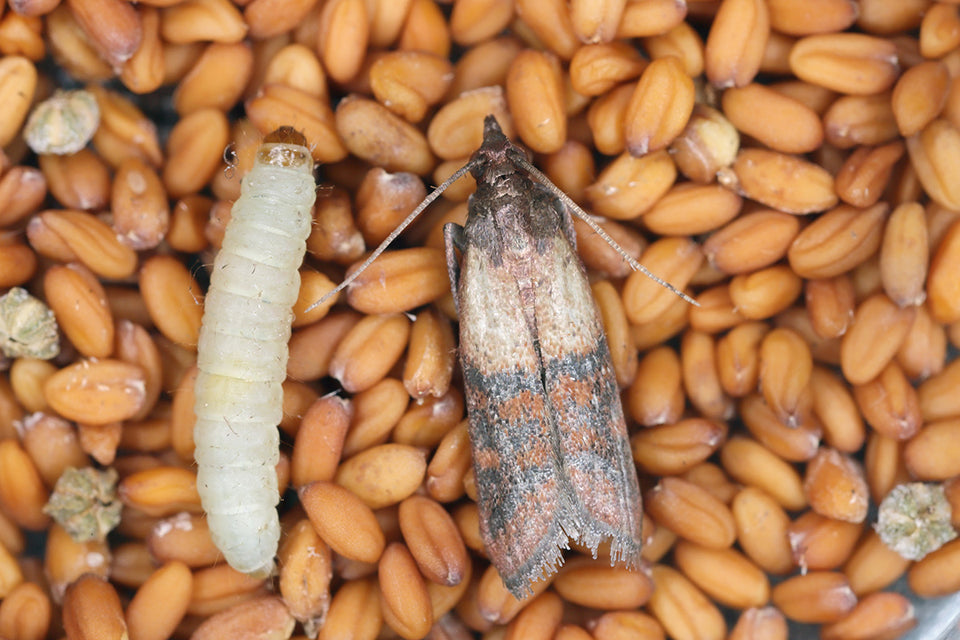
Moth larvae are the immature, worm-like stage of the moth. Unlike adult moths, which fly, the larvae crawl and look for food. Most household moths lay eggs in quiet, dark places with access to food—this can be wool, silk, feathers, or even stored grains and cereals. Once hatched, the larvae look for places to hide and feed.
Common Reasons For Ceiling Infestations
- Spider Webs or Dust: Ceilings often have untouched spider webs, dust, or insulation, which can catch and hold moth eggs.
- Rising Heat: Warm air rises, making the upper parts of rooms a cozy place for moths and their larvae.
- Hidden Food Sources: Ceilings with insulation, old fabric, or even bird nests in the attic can provide food.
- Entry Points: Small cracks or vents near the ceiling may let moths in from the outside.
Many people miss the link between attic infestations and ceiling larvae. If you have an attic above your infested ceiling, check for moth activity there. Sometimes, the main problem is hidden out of sight.
Identifying Moth Larvae On Your Ceiling
Before you start cleaning, it’s important to confirm you’re dealing with moth larvae. Mistaking them for other insects can lead to wasted time and money.
What Do Moth Larvae Look Like?
- Small, white or cream-colored worms (usually 1/4 to 1/2 inch long)
- Sometimes with brown heads
- May have silk webbing or cases around them
- Move slowly and avoid light
Signs Of Infestation
- Tiny cocoons or cases stuck to the ceiling
- Small holes or trails in ceiling fabric, wallpaper, or insulation
- Droppings that look like tiny sand grains
- Adult moths flying near the ceiling
If you see these signs, it’s time to take action. Don’t wait—larvae can multiply quickly and cause more damage.

Credit: diy.stackexchange.com
Health Risks And Damage Caused By Moth Larvae
Moth larvae are not just ugly—they can cause real problems. Many homeowners underestimate the damage until it’s too late.
Potential Problems
- Allergies and Respiratory Issues: Larvae and their droppings can trigger allergies or asthma, especially in sensitive people.
- Damage to Ceilings and Walls: Larvae chew through fabric, insulation, and even wallpaper. Over time, this can lead to expensive repairs.
- Food Contamination: If the larvae are from pantry moths, they may end up in your food.
- Attracting Other Pests: Webbing and droppings can attract spiders and beetles.
Step-by-step: How To Get Rid Of Moth Larvae On Ceilings
Getting rid of moth larvae on the ceiling is a process. You need to clean, treat, and prevent. Skipping any step can lead to repeat infestations.
1. Gather The Right Supplies
Before starting, collect these materials:
- Protective gloves
- Face mask (for dust and allergens)
- Flashlight
- Ladder or safe step stool
- Vacuum with hose attachment
- Mild detergent or soap
- White vinegar or rubbing alcohol
- Plastic bags
- Sealed containers (for food if needed)
- Moth traps (optional)
- Caulk or sealant (for cracks)
- Paint scraper (for tough spots)
Having everything ready will make the process smoother and safer.
2. Inspect And Identify All Affected Areas
Start by checking not just the visible larvae, but also nearby corners, vents, and the attic if possible. Use a flashlight to spot webbing or hidden larvae. Don’t forget to check behind curtains, around ceiling fans, and near light fixtures.
Example
If you find larvae in your bedroom ceiling, check the closet and attic space above. One missed spot can let the infestation return.
3. Remove Larvae And Webbing Safely
Put on gloves and a mask. Use the vacuum hose to suck up larvae, webbing, and droppings. Dispose of the vacuum bag or empty the canister outside right away.
For larvae stuck to the ceiling, gently scrape them off with a paint scraper or use a damp cloth. Place all debris in a sealed plastic bag before throwing it away.
Insight
Many people only vacuum, but don’t clean the area afterward. This leaves behind eggs or webbing that can start the cycle again.
4. Clean The Area Thoroughly
Wash the affected ceiling area with warm soapy water. For stubborn spots, use a mix of white vinegar and water or rubbing alcohol. This kills any remaining eggs and removes pheromones that attract more moths.
Allow the ceiling to dry completely. If you find damage to insulation or fabric, remove and replace those materials if possible.
5. Treat With Insecticides (optional)
For severe infestations, consider using a household insecticide spray labeled for moths. Always follow the label instructions. Spray lightly on the ceiling and around cracks or vents. Air out the room after use.
Note
Never mix different cleaners or sprays. Some combinations can create harmful fumes.
6. Find And Remove The Source
Most people focus only on cleaning visible larvae. However, the real source is often hidden. Common sources include:
- Bird nests in the attic
- Old fabric or stored clothes
- Open food containers (for pantry moths)
- Animal fur or feathers in insulation
Remove or seal up these sources to stop future problems.
7. Seal Entry Points
Use caulk or sealant to close cracks around the ceiling, vents, or attic doors. This blocks moths from entering again.
8. Set Moth Traps
Sticky moth traps can help catch adult moths and stop new eggs from being laid. Place them near problem areas but out of reach of children or pets.
9. Monitor And Repeat If Needed
Check the ceiling and nearby areas every few days for new signs. Repeat cleaning and vacuuming if you see new larvae. Most infestations need at least two rounds to fully clear.
Preventing Future Moth Larvae Infestations
Getting rid of the larvae is only half the battle. You need to keep them away for good.
Regular Cleaning Habits
- Dust ceilings and corners every week.
- Vacuum near vents, lights, and attic doors.
- Wash curtains, bedding, and fabric near the ceiling.
Store Items Properly
- Keep clothes in sealed bags or boxes.
- Store food in airtight containers.
- Avoid leaving bird seed or pet food open.
Control Humidity And Temperature
Moths thrive in warm, humid rooms. Use a dehumidifier or air conditioner to keep humidity below 50%. Good airflow discourages moths.
Fix Leaks And Entry Points
Repair leaks in the roof or ceiling. Seal cracks and check window screens.
Use Natural Repellents
Cedar blocks, lavender sachets, or bay leaves can discourage moths. Place these near ceilings, closets, or attic entryways.
Schedule Regular Inspections
Twice a year, inspect your attic and ceilings for signs of pests. Early action can prevent big infestations.
Table: Common Moth Species That Infest Ceilings
Here’s a quick comparison of household moth types that might end up on your ceiling.
| Moth Type | Main Food Source | Common Signs |
|---|---|---|
| Clothes Moth | Wool, silk, feathers | Holes in fabric, webbing |
| Pantry Moth | Cereal, grains, flour | Larvae in food, webbing near ceiling |
| Case-bearing Moth | Animal fibers, fur | Larvae in portable cases |
Mistakes To Avoid When Dealing With Moth Larvae
Even careful homeowners sometimes make errors that allow moth larvae to return. Avoid these common mistakes:
Only Cleaning Visible Areas
Many people just clean where they see larvae. Always check hidden spots—attics, behind furniture, vents, and inside light fixtures.
Using Too Much Insecticide
Over-spraying can harm your health and damage ceilings. Use only as directed and combine with physical cleaning for best results.
Ignoring Entry Points
If you don’t seal cracks and vents, more moths can enter. Always repair and seal after cleaning.
Not Removing The Source
If you leave old fabric, bird nests, or open food nearby, the problem will come back. Remove or seal all sources.
Waiting Too Long
Larvae multiply quickly. Start cleaning as soon as you spot them. Delays mean more damage and more work.
Professional Help: When To Call An Exterminator
Sometimes, an infestation is too big or hard to reach. Here’s when you should call a licensed pest control professional:
- If larvae keep coming back after several cleanings
- If you see damage to wiring, insulation, or large areas of the ceiling
- If you have allergies or breathing problems
- If you can’t access the attic or source
Professionals have special equipment and chemicals to handle large or hidden infestations. They can also advise on repairs and prevention.
Table: Home Treatment Vs. Professional Exterminator
This table compares when to try cleaning yourself or hire an expert.
| Situation | DIY Treatment | Professional Help |
|---|---|---|
| Small, local infestation | Yes | Rarely needed |
| Hidden source in attic | Sometimes | Recommended |
| Health concerns/allergies | No | Yes |
| Recurring infestation | No | Yes |
Hidden Insights And Tips Most People Miss
Over years of dealing with moth infestations, a few less obvious tricks stand out:
- Check insulation for dead animals: Sometimes, birds or rodents die in the attic, attracting moths. Removing these can stop the cycle.
- Use a UV flashlight at night: Moth larvae and eggs sometimes glow under UV light, making it easier to spot hidden spots.
- Replace old light bulbs: Moths are attracted to certain types of light. Switch to LED bulbs, which are less attractive to insects.
Natural Remedies: Do They Work?
Many people look for natural solutions to avoid chemicals. Some are helpful, but they work best as part of a bigger plan.
Popular Natural Repellents
- Lavender: Hang sachets near ceilings and in closets. The smell repels moths.
- Cedar: Place blocks or chips in the attic and near fabric.
- Bay leaves: Tuck a few into cracks or corners.
These won’t kill larvae but can help keep adults away. Always combine with cleaning and sealing for best results.
Cost Of Treating A Moth Larvae Infestation
The cost depends on the size of the infestation and the method you use.
Table: Estimated Costs
| Action | Estimated Cost |
|---|---|
| DIY Cleaning (supplies) | $20–$60 |
| Moth traps | $10–$30 per pack |
| Professional exterminator | $150–$400 per visit |
| Repairing insulation or ceiling | $100–$500+ |
Tip: Start with DIY methods for small problems, but don’t hesitate to call for help if the infestation spreads.
How Long Does It Take To Get Rid Of Moth Larvae?
Most minor infestations can be cleared in 1 to 2 weeks with regular cleaning and treatment. Larger infestations, especially those with hidden sources, may take a month or more and require professional help.
How To Tell If The Infestation Is Gone
Check for these signs:
- No new larvae, webbing, or droppings for two weeks
- No adult moths flying near the ceiling
- Sealed cracks and repaired damage
If you see any new activity, repeat the cleaning steps.
Credit: www.reddit.com
When To Repaint Or Repair The Ceiling
If the larvae have damaged the paint, wallpaper, or insulation, you may need to repaint or repair the area. Always wait until the infestation is completely gone before starting repairs.
- Use a stain-blocking primer before repainting
- Replace damaged insulation
- Clean and sanitize the area before sealing it up
Frequently Asked Questions
What Are The Most Common Causes Of Moth Larvae On The Ceiling?
The main causes are hidden food sources (like old fabric or insulation), open entry points from the attic, and warm, humid conditions. Moths lay eggs in quiet, undisturbed areas, and larvae crawl up to ceilings if the environment is right.
Can Moth Larvae Cause Health Problems?
Yes. Their droppings and webbing can cause allergies or trigger asthma. Some people are sensitive to the dust or tiny hairs larvae produce. Always wear a mask when cleaning.
Are Natural Remedies Effective For Moth Larvae?
Natural repellents like lavender and cedar can help prevent moths but won’t kill larvae or clear an infestation. Use them with cleaning, sealing, and, if needed, insecticides for best results.
How Do I Know If The Larvae Are Gone For Good?
If you see no new larvae, webbing, or moths for at least two weeks, and you’ve sealed entry points and removed sources, the infestation is likely gone. Keep monitoring for a few weeks to be sure.
When Should I Call A Professional Pest Control Service?
Call a professional if you have a large or hidden infestation, health concerns, or if DIY methods don’t work after two weeks. Experts have tools and chemicals that work faster and can reach hidden areas.
For more in-depth information on moth infestations, you can visit EPA Safe Pest Control: Clothes Moths.
Dealing with moth larvae on your ceiling can feel overwhelming, but with the right steps, you can clear the problem and protect your home. Act quickly, clean thoroughly, and prevent future infestations for lasting peace of mind.
Credit: www.mothprevention.com