
Converting a spare bedroom into a walk-in closet is a dream project for many homeowners. Imagine stepping into a space where all your clothes, shoes, bags, and accessories are beautifully organized, easy to see, and simple to reach. This transformation not only brings luxury and convenience but can also increase the value of your home.
Whether you love fashion, need more storage, or want to simplify your morning routine, turning a bedroom into a walk-in closet is one of the best investments you can make in your living space.
But making this change is more than just adding shelves and racks. It’s about smart planning, using the right materials, and creating a space that fits your personal needs. Many people jump into this project without a clear plan, only to find the closet doesn’t function as well as they hoped.
In this guide, you’ll discover everything needed to convert a bedroom into a walk-in closet, from early planning to the finishing touches. You’ll learn about layout options, essential features, costs, and practical tips that can save you time and money.
Let’s make your dream closet a reality.
Assessing Your Bedroom Space
Before you start buying closet systems or hiring professionals, you need to examine the bedroom you want to transform. Every room has unique features, and understanding them will help you make smart decisions.
Measuring And Mapping
Start by measuring the room size—length, width, and height. Don’t forget to check for any obstacles like windows, doors, or radiators. Draw a simple floor plan on paper or use a free app. Mark all power outlets, light switches, and vents. This map will help you plan where everything goes.
Considering Structure And Layout
Look at the room’s shape. Is it a perfect rectangle, or does it have corners or angles? Odd shapes can be a challenge but also an opportunity to get creative. Notice ceiling heights—sloped ceilings or bulkheads may affect where you can install shelves or rods. Make sure the floor is solid and level, especially if you’ll add heavy furniture or built-ins.
Identifying Potential Problems
Pay attention to things like natural light. Is there a window you want to keep, cover, or use for ventilation? Think about privacy—will you need blinds or frosted glass? Finally, check for signs of moisture, drafts, or weak flooring. Fix these issues before you start building.
Many people forget to check the door swing direction. If the door opens into the room, it can block closet units. You might want to reverse the door, use a pocket door, or even remove it completely.
Planning Your Walk-in Closet Design
A great closet starts with a great plan. This is where you turn your dreams into a clear vision.
Defining Your Storage Needs
Make a list of everything you want to store:
- Hanging clothes (long and short)
- Folded clothes
- Shoes
- Bags and luggage
- Accessories (belts, hats, jewelry)
- Seasonal items (like winter coats or holiday dresses)
Count how many of each item you have. For example, if you own 30 pairs of shoes, you’ll need much more shoe storage than someone with 5 pairs.
Choosing A Layout
There are several common layouts for walk-in closets. Here are three popular options:
| Layout Style | Description | Best For |
|---|---|---|
| Single-Sided | All storage along one wall | Small rooms |
| Double-Sided | Storage on two parallel walls with walkway in the middle | Medium-sized rooms |
| U-Shaped | Storage on three walls | Large rooms, maximum storage |
Think about your daily routine. Do you want a central space for dressing? Would you like a bench or island? If you share your closet with a partner, plan separate zones.
Accessibility And Flow
Make sure you can move easily in your new closet. Leave at least 24–30 inches for walkways. Place your most-used items at eye level and rarely used things up high or down low.
A common mistake is filling every inch with shelves—this makes the closet feel cramped. Leave some open space to keep it comfortable.
Budgeting And Cost Breakdown
Turning a bedroom into a walk-in closet can cost anywhere from $1,000 (DIY, simple) to $20,000 or more (luxury, custom-built). Knowing your budget upfront will help you make the right choices.
Main Cost Factors
- Closet systems and materials: Shelves, rods, drawers, shoe racks
- Labor: Professional installers, carpenters, electricians
- Lighting and electrical: New lights, extra outlets
- Flooring: Upgrades or repairs if needed
- Painting and decorating: Walls, ceiling, and trim
- Accessories: Mirrors, benches, organizers
Here’s a quick comparison of typical costs:
| Item | DIY Price Range | Professional Install Price |
|---|---|---|
| Basic Closet System (per wall) | $200–$600 | $500–$2,000 |
| Custom Cabinetry (per linear foot) | $150–$400 | $300–$1,200 |
| Lighting Upgrade | $50–$300 | $200–$1,000 |
| Flooring (per sq ft) | $2–$8 | $5–$15 |
How To Save Money
- Use ready-made closet kits instead of custom cabinetry
- Paint or refinish existing furniture for storage
- Do simple work yourself (painting, assembling shelves)
- Shop at home improvement stores during sales
A common pitfall: underestimating the cost of small items like brackets, baskets, or hardware. These can add up quickly.
Choosing Closet Systems And Materials
The heart of any walk-in closet is its storage system. There are several types to choose from, each with pros and cons.
Types Of Closet Systems
- Wire systems: Easy to install, affordable, and allow airflow. Great for budget makeovers but may look less polished.
- Modular systems: These use pre-made units you can mix and match. They’re more stylish, easy to install, and fit most budgets.
- Custom built-ins: Made to fit your room exactly. They look high-end and use every inch of space but are the most expensive.
- Freestanding furniture: Dressers, armoires, and shoe racks that aren’t fixed to the wall. Good for renters or if you want flexibility.
Material Choices
- Melamine: Durable, easy to clean, and affordable. Popular for modular systems.
- Solid wood: Luxurious and long-lasting but costly.
- Metal: Used for rods and brackets, strong and modern-looking.
- Glass or acrylic: For doors, shelves, or display cases.
When choosing materials, think about humidity and cleaning. For example, in damp areas, metal or melamine may last longer than wood.
Quality Vs. Price
Don’t focus only on looks. Cheap systems can sag or break after a few years. Spending more on sturdy shelving and hardware can save money over time.
Lighting And Electrical Upgrades
Good lighting makes your closet not only beautiful but also practical. Poor lighting leads to lost items and frustrating mornings.
Types Of Lighting
- Overhead fixtures: Central ceiling lights for general illumination.
- LED strip lights: Placed under shelves or inside cabinets for focused light.
- Recessed lights: Sleek, modern, and don’t take up space.
- Pendant or chandelier: Adds a luxury feel if ceiling height allows.
Power Outlets And Smart Features
Consider extra outlets for irons, charging stations, or hair tools. Some people add USB ports for devices. Smart lighting—like motion sensors or app-controlled bulbs—can add convenience.
Placement Tips
Put light where you need it most: above mirrors, inside dark corners, and near shoe racks. Avoid placing lights where they’ll cast shadows on your clothes.
A common mistake: forgetting to update the electrical panel if you add many new outlets or high-watt fixtures. Always hire a licensed electrician for major work.
Flooring Choices For Your Closet
The right floor makes your walk-in closet comfortable and easy to clean. You can match the rest of your home or create a special look.
Popular Flooring Options
- Carpet: Soft, warm, and quiet. Good for bedrooms but can trap dust.
- Laminate: Affordable, easy to clean, and resists stains.
- Hardwood: Classic and durable, but may scratch with heavy shoe racks.
- Vinyl or luxury vinyl plank: Water-resistant, stylish, and budget-friendly.
- Tile: Sleek and easy to maintain, but colder underfoot.
If you use the closet as a dressing room, comfort matters. Add a plush rug or carpet runner for softness.
Installation Tips
Make sure the floor is level and secure before installing new material. Seal any cracks to prevent dust and bugs. Use baseboards for a finished look.
An overlooked detail: closet floors often get less sunlight, so choose colors and textures that won’t show dust or lint easily.
Maximizing Storage And Organization
With your main systems installed, it’s time to plan how you’ll actually store your items. Organization is where your closet becomes truly useful.
Hanging Storage
- Double rods: One high, one low, double your hanging space for shirts and pants.
- Single rods: For long dresses or coats.
- Pull-out hangers: For ties, belts, or scarves.
Shelving
- Adjustable shelves: Change height as your needs change.
- Deep shelves: For sweaters, bags, or boxes.
- Open cubbies: Great for shoes or folded jeans.
Drawers And Baskets
- Shallow drawers: For jewelry, socks, or underwear.
- Deep drawers: For bulky items like sweaters or blankets.
- Wire baskets: Let you see what’s inside.
Specialized Organizers
- Shoe racks: Flat, tilted, or vertical, depending on your collection.
- Jewelry trays: Keep necklaces untangled and easy to find.
- Pull-out trays: For watches, sunglasses, or ties.
Vertical Space
Don’t waste the area above rods or doors. Install shelves for boxes or out-of-season clothes. Add hooks or racks to the back of the door for hats or bags.
One insight many miss: leave some empty space. You’ll need it for new items and to keep the closet from feeling crowded.
Creating A Dressing Area
A walk-in closet is more than just storage. It’s a private space to get ready and feel confident.
Mirrors
A full-length mirror is essential. Place it where you have good light and enough room to stand back. Some people add a second mirror on the back of the door or inside a cabinet.
Seating
A small bench or ottoman makes it easy to put on shoes or lay out clothes. Choose one with hidden storage for extra value.
Vanity Area
If space allows, add a small table or built-in vanity for makeup, jewelry, or grooming. Include good lighting and a small mirror.
Personal Touches
Hang art, add a plant, or use stylish baskets and boxes. These little details make the closet feel like your own private boutique.
A mistake to avoid: making the dressing area too big. This can waste space for storage, especially in smaller rooms.
Dealing With Windows And Natural Light
Bedrooms often have windows, but closets need privacy and protection from sunlight that can fade clothes.
Window Treatments
- Blinds or shades: Block light and add privacy.
- Frosted window film: Lets in light but stops prying eyes.
- Blackout curtains: For full privacy and to protect clothes.
Using Natural Light
If you have a window, place mirrors nearby to reflect light around the room. Don’t put sensitive clothes in direct sunlight, or use UV-blocking window film.
A common oversight: ignoring window sills. They’re great for small plants, perfume trays, or decorative boxes.
Diy Vs. Professional Installation
You can build a walk-in closet yourself or hire professionals. Each option has pros and cons.
Diy
- Saves money
- Lets you work at your own pace
- Can use ready-made kits from home stores
- Requires basic tools and handyman skills
Professional
- Faster and higher quality
- Custom design for your needs and space
- Handles complex electrical or carpentry work
- More expensive, but often comes with a warranty
If you want a simple closet and enjoy DIY projects, you can do most of the work yourself. For custom cabinetry, tricky layouts, or major electrical work, hire a pro.
One thing beginners miss: even DIY kits may need wall anchors, careful measuring, and sometimes special tools.
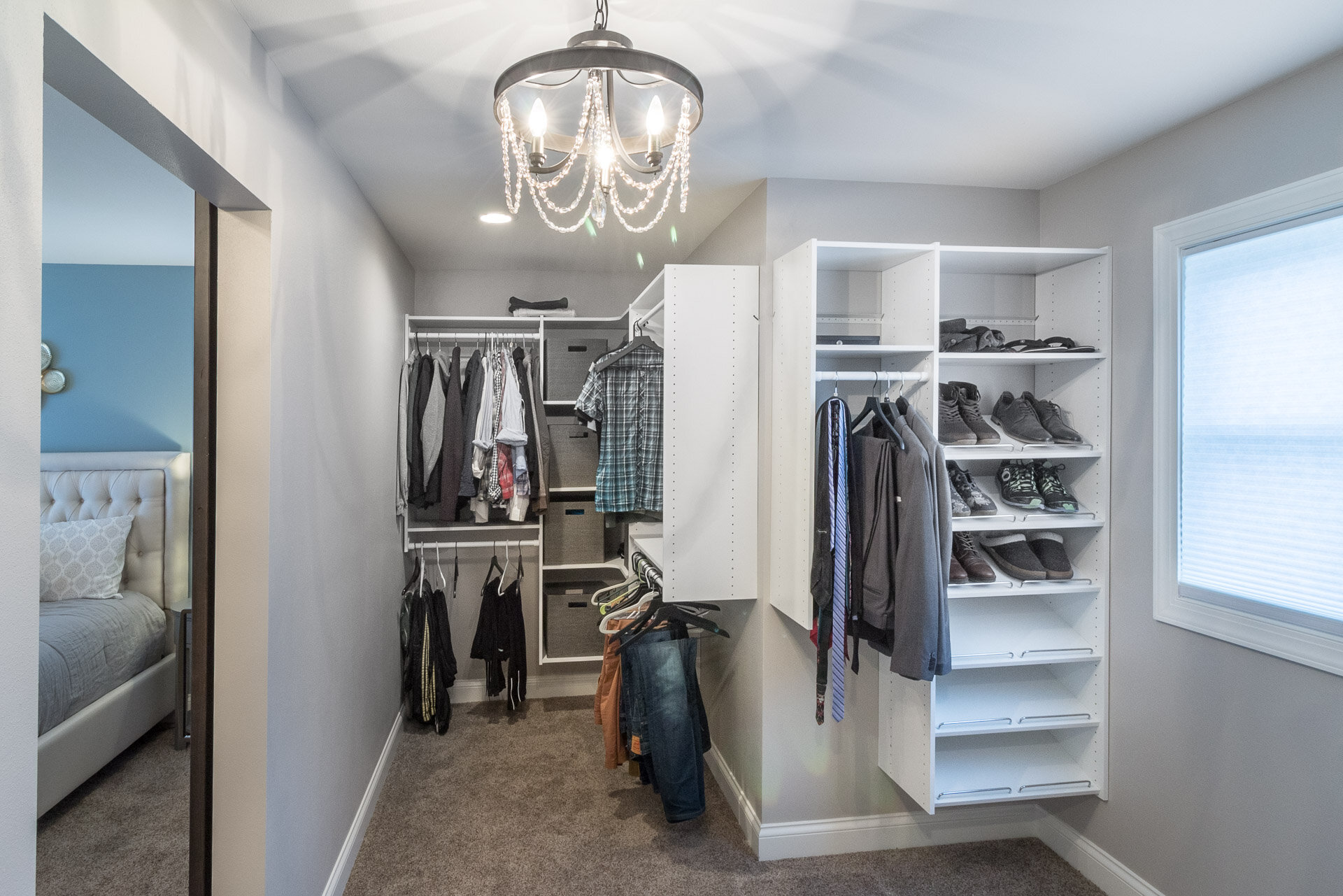
Credit: degnandesignbuildremodel.com
Adding Luxury Features
If your budget allows, add features that turn your closet into a true retreat.
Closet Island
A central island with drawers is perfect for folding clothes or storing accessories. It’s best for large spaces (at least 10 feet wide).
Built-in Safe
Keep valuables, jewelry, or important documents secure. Small safes can fit inside cabinets or drawers.
Display Cases
Show off handbags, shoes, or collectibles in glass-front cabinets.
Integrated Laundry Solutions
A built-in hamper or laundry chute keeps dirty clothes out of sight.
Smart Features
Automated lights, climate control, or security cameras add convenience and peace of mind. You can even connect your closet to your smart home system.
A detail many forget: luxury features add value, but only if they fit your lifestyle. Don’t add an island if it blocks walkways or a chandelier if the ceiling is low.
Final Touches And Personalization
The last steps make your closet feel truly yours.
Paint And Wallpaper
Choose colors that reflect your style—calm neutrals, bold patterns, or glam metallics. Light colors make the space feel bigger.
Labels And Dividers
Use labels for bins and dividers for drawers. This keeps things organized, especially for shoes and accessories.
Scent And Freshness
Add a diffuser, scented sachets, or cedar blocks to keep clothes smelling fresh and repel insects.
Maintenance Plan
Plan to tidy up regularly. Once a season, review your clothes and donate or sell what you don’t wear.
Personal Decor
Hang family photos, artwork, or even a small TV. This is your space—make it special.
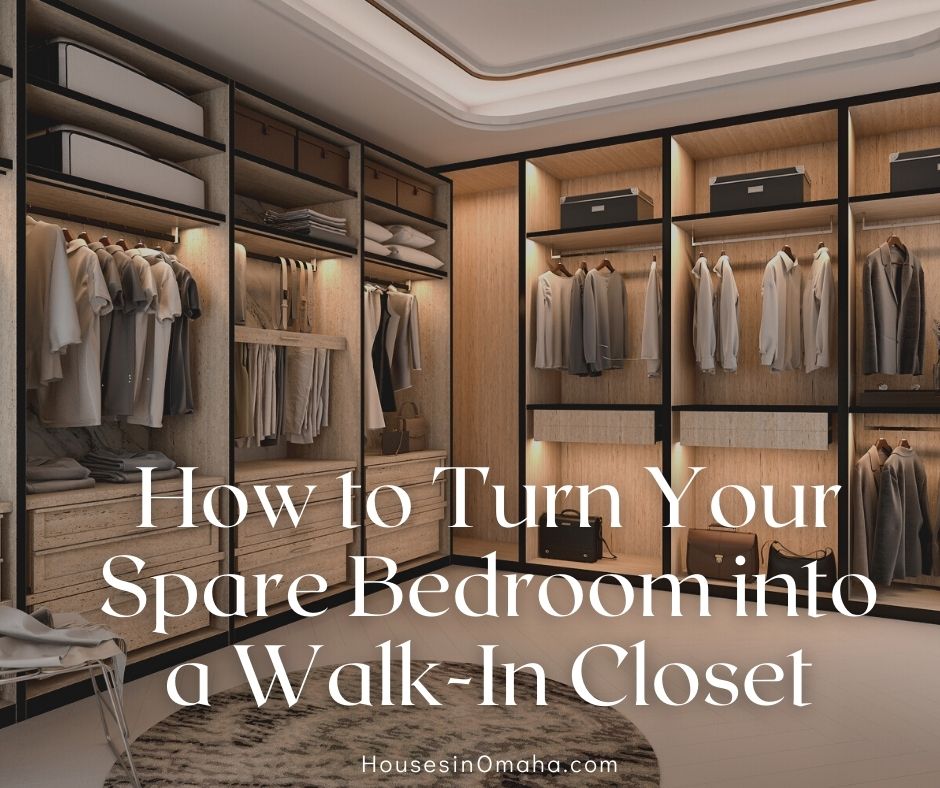
Credit: www.housesinomaha.com
Common Mistakes To Avoid
Many people make errors that ruin their closet experience. Here are some to watch out for:
- Ignoring ventilation: A closed closet needs airflow to stop musty smells. Add a vent or small fan if needed.
- Overcrowding: Too many shelves or units make it hard to see and reach things. Keep open space.
- Skipping lighting: One ceiling bulb isn’t enough. Layer your lights for best results.
- Underestimating shoe storage: Shoes take up more space than you think. Plan accordingly.
- Using cheap hardware: Weak rods and brackets can bend or break. Invest in quality.
- Neglecting future needs: Leave some room for new items or changes in your wardrobe.
A non-obvious insight: always test your layout with tape or boxes before installing. Walk through the space to make sure it feels right.
Increasing Home Value And Resale Considerations
A well-designed walk-in closet can boost your home’s value and attract buyers. But keep a few things in mind:
- If you remove a bedroom, it could lower resale value in some markets. Consider keeping the closet easy to convert back.
- Use freestanding units if you want flexibility.
- High-quality materials and professional installation are more appealing to buyers.
According to the National Association of Realtors, a walk-in closet is one of the top features buyers look for in a master suite. But it should not come at the cost of overall bedroom count.

Credit: www.youtube.com
Real-life Example
Let’s look at a real project. Jessica, a homeowner in Chicago, had a 10×12 foot guest room she rarely used. She spent $7,500 to turn it into a walk-in closet with modular units, an island, new lighting, and a small vanity.
The project took one month. After finishing, she found her mornings much less stressful, and the closet became her favorite room. When she sold her house, the walk-in closet was a major selling point and helped her get a higher price.
Where To Find Inspiration And Resources
There are many resources to help you design your dream closet:
- Pinterest and home design magazines offer photos and layout ideas.
- Many home improvement stores have online design tools.
- You can find closet installation guides and tips at Houzz Magazine.
Frequently Asked Questions
What Is The Minimum Size For A Walk-in Closet?
The smallest practical walk-in closet is about 5×7 feet (35 square feet). This gives enough space for storage on two sides and a walkway in the center. Larger rooms allow for more features like an island or dressing area.
Can I Convert A Bedroom Into A Closet Without Lowering My Home’s Value?
Yes, especially if your home already has enough bedrooms. If you keep the closet design reversible (using freestanding units), it’s easier to convert back. Always check with a real estate professional if resale value is important to you.
How Long Does It Take To Complete The Conversion?
A basic conversion can take as little as one weekend for a DIY project. More complex designs with custom cabinetry, lighting, and flooring updates may take 2–6 weeks, especially if hiring professionals.
Do I Need A Permit To Turn A Bedroom Into A Walk-in Closet?
Usually, you don’t need a permit for simple closet systems. However, if you change wiring, move walls, or make structural changes, you may need a building permit. Check with your local building department.
What’s The Best Way To Keep A Walk-in Closet Organized?
Use adjustable shelves, labeled bins, and regular decluttering. Store out-of-season clothes up high or in bins. Make a habit of putting things back in their place every day.
Turning a bedroom into a walk-in closet is a rewarding project that adds comfort and value to your home. With careful planning and a personal touch, you’ll enjoy your new space for years to come.