
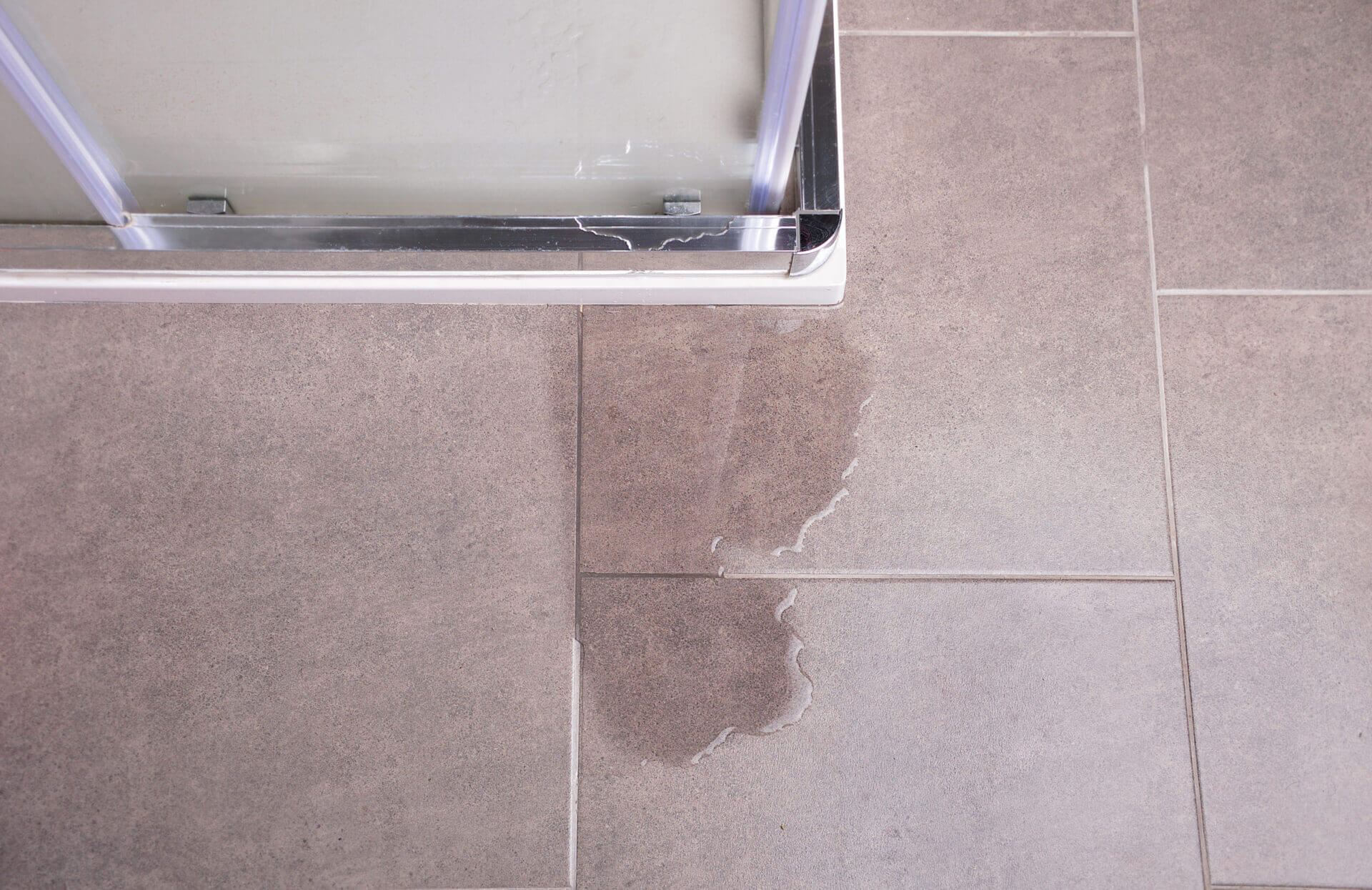
A leaking shower floor can be a homeowner’s nightmare. Water escaping through cracks or gaps can damage your bathroom, weaken structures, and lead to mold growth. Often, the problem is ignored until it becomes serious, costing far more in repairs.
Fixing a leaking shower floor is not just about patching visible damage; it means finding the root cause and applying the right solution. Understanding how to do this can save you time, money, and stress.
In this guide, you’ll discover how to identify, diagnose, and fix a leaking shower floor with confidence. Whether you’re a DIY enthusiast or just want to know what to expect when calling a professional, you’ll find clear instructions, practical tips, and insights most beginners miss.
Let’s explore how you can bring your shower back to perfect working order.
How To Spot A Leaking Shower Floor
The first step to any repair is knowing there’s a problem. Not all leaks are obvious. Some clues are easy to miss, especially in the early stages. Here are signs your shower floor might be leaking:
- Water stains: Look for brown or yellow marks on the ceiling below your shower. These stains often appear around the edges of the leak.
- Loose tiles: Tiles on the shower floor or lower walls may loosen or feel hollow if water has seeped underneath.
- Grout cracks: Damaged or missing grout lets water pass through to the subfloor.
- Musty smell: Persistent dampness causes a strong, unpleasant odor. This is a sign of mold or mildew.
- Visible mold: Mold or black spots on silicone or grout lines are a clear warning.
- Peeling paint: Paint bubbling or peeling on nearby walls often means water is escaping from the shower area.
- Soft floors: If the floor outside the shower feels soft or spongy, the subfloor may be rotting.
Tip: Use a flashlight to check corners, seams, and edges. Leaks often start in these hard-to-see spots.
Common Causes Of A Leaking Shower Floor
Understanding why a shower floor leaks helps you fix it properly. The most common causes are:
- Cracked grout or tiles: Even small cracks let water flow to the subfloor.
- Worn or missing caulk: Caulk seals joints between the floor and walls. When it fails, water escapes.
- Faulty shower pan: The shower pan is a waterproof base under the tiles. If it’s cracked or poorly installed, leaks are almost certain.
- Broken drain seal: The area around the drain can crack, letting water bypass the plumbing.
- Improper slope: If the floor doesn’t slope toward the drain, water pools and eventually finds a way out.
- Substandard waterproofing: Poor installation or old age can lead to waterproofing membrane failure.
Non-obvious insight: Sometimes, water leaks from above, such as a faulty shower valve, and appears as a floor leak. Always check the full shower system.

Credit: sealtechsolutions.com.au
Tools And Materials You’ll Need
Before you begin repairs, gather the right tools. Having these ready saves time and reduces frustration.
Basic tools:
- Utility knife
- Grout saw or oscillating multi-tool
- Caulking gun
- Putty knife
- Screwdriver set
- Sponge and bucket
- Shop vacuum (for debris removal)
- Flashlight
Materials:
- Replacement tiles (if needed)
- Grout (pre-mixed or powder)
- Silicone caulk (mold-resistant)
- Waterproofing membrane or paint-on sealant
- Waterproof tape (for minor cracks)
- Tile adhesive or thin-set mortar
- Epoxy grout (for extra durability)
- Shower pan liner (for serious repairs)
Pro tip: Buy a little extra grout and caulk. You’ll need more than you think, and it’s better to have leftovers than run short mid-job.
Diagnosing The Leak Location
Not all leaks come from the same place. Here’s how to find the source:
Surface Leaks
Sprinkle water directly on the shower floor and watch closely. If water disappears quickly into cracks or grout lines, the leak is at the surface. Surface leaks are usually easier to fix.
Drain Leaks
Fill the shower base with water (blocking the drain with a stopper or plastic wrap). If water escapes but the surface stays dry, the drain seal is likely the problem.
Pan Or Subfloor Leaks
If water stains appear far from the shower or you hear squishy sounds underfoot, the waterproofing membrane or pan may be damaged. This is a deeper issue requiring more work.
Expert insight: Listen for dripping sounds below the shower while it’s in use. This can help locate hidden leaks.
Fixing Minor Surface Leaks
If your leak is small and limited to grout or caulk, you can often repair it without removing tiles.
Step 1: Remove Damaged Grout Or Caulk
Use a grout saw or utility knife to gently scrape out old, cracked grout or caulk. Be careful not to damage surrounding tiles. Remove all loose material.
Step 2: Clean The Area
Wipe the area with a damp sponge to remove dust and debris. Let it dry completely.
Step 3: Apply New Grout
Fill the gaps with fresh grout using a putty knife or grout float. Press firmly to fill all spaces. Wipe away excess grout with a damp sponge before it hardens.
Step 4: Seal The Grout
After the grout cures (usually 24 hours), apply a waterproof grout sealer. This extra layer protects against moisture.
Step 5: Re-caulk Joints
Use a caulking gun to apply a bead of silicone caulk along seams between the floor and walls. Smooth it with a wet finger or caulk tool.
Common mistake: Rushing the drying time. Always allow grout and caulk to cure fully before using the shower.
Repairing Leaks Around The Drain
If water escapes near the drain, the seal may be cracked or broken.
Step 1: Remove The Drain Cover
Use a screwdriver to lift the cover. Clean any debris around the drain.
Step 2: Inspect The Drain Flange
Check for cracks or gaps between the drain and surrounding tiles. Minor cracks can be sealed; larger issues may require replacing the drain assembly.
Step 3: Apply Waterproof Sealant
Use a high-quality waterproof sealant or plumber’s putty to fill any gaps. Press the sealant firmly and smooth it out.
Step 4: Replace The Drain Cover
Let the sealant cure according to the instructions, then reinstall the cover.
Pro tip: For older showers, consider upgrading the drain to a modern, watertight version for long-term peace of mind.
Fixing Cracked Tiles Or Missing Grout
Cracked tiles let water reach the subfloor quickly.
Step 1: Remove Damaged Tile
Carefully chip away the grout around the broken tile using a utility knife or grout saw. Pry up the tile with a putty knife.
Step 2: Clean The Substrate
Remove old adhesive and clean the area thoroughly. Check for water damage. If the subfloor is soft or moldy, it must be replaced before continuing.
Step 3: Install New Tile
Apply thin-set mortar to the floor and press the replacement tile into place. Let it set for 24 hours.
Step 4: Grout And Seal
Fill the joints with new grout. Once dry, seal the grout to protect against future leaks.
Beginner’s miss: Not checking for hidden subfloor damage. Always inspect beneath removed tiles.
Re-waterproofing The Shower Floor
If minor repairs don’t stop the leak, the waterproofing layer may be compromised. Re-waterproofing is more involved but essential for lasting results.
Step 1: Remove Floor Tiles
Carefully lift tiles from the shower floor. Save unbroken tiles for reuse.
Step 2: Inspect The Shower Pan And Substrate
Check the shower pan and subfloor for cracks, rot, or mold. Damaged sections must be replaced.
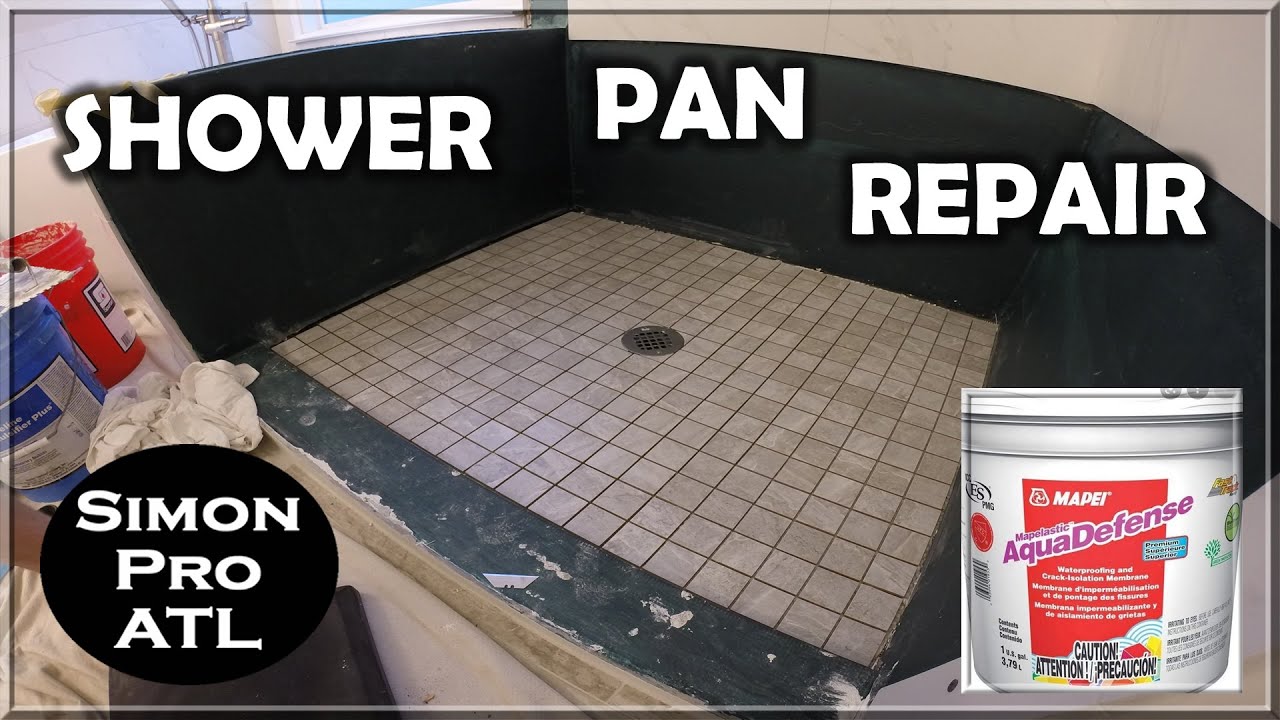
Step 3: Apply Waterproofing Membrane
Clean the surface and apply a paint-on waterproofing membrane, following the manufacturer’s instructions. Overlap all seams and corners.
Step 4: Re-lay Tiles
Once the membrane is dry, install tiles with thin-set mortar. Grout and seal as before.
Step 5: Test For Leaks
Wait at least 48 hours before using the shower. Test by pooling water and checking for leaks.
Non-obvious insight: Overlapping waterproofing in corners and at the drain is critical. Even a small gap can let water escape.
Replacing The Shower Pan
If the shower pan is cracked or improperly installed, it must be replaced—a job for experienced DIYers or professionals.
Step 1: Remove Old Tiles And Pan
Take out all tiles and the old shower pan. This may require cutting around the edges.
Step 2: Inspect And Repair Subfloor
Check the subfloor for water damage. Replace any soft or rotten wood.
Step 3: Install New Shower Pan Liner
Lay a new waterproof liner, making sure it curves up the walls at least 6 inches. Secure tightly around the drain.
Step 4: Reinstall Tiles
Install new tiles and grout as before.
Step 5: Seal And Test
Seal all joints and let everything cure fully. Test with water before regular use.
Expert tip: Use a pre-formed shower pan for faster installation and fewer leaks.
Comparing Repair Methods
Understanding how different fixes stack up can help you choose the right path.
| Repair Method | Cost (Approx.) | Skill Level | Durability | Time Required |
|---|---|---|---|---|
| Regrouting & Caulking | $20–$60 | Beginner | 2–5 years | 2–4 hours |
| Tile Replacement | $50–$150 | Intermediate | 5–10 years | 4–8 hours |
| Waterproofing Membrane | $100–$300 | Intermediate | 10+ years | 1–2 days |
| Shower Pan Replacement | $500–$2000 | Advanced/Professional | 15–20 years | 2–3 days |
Preventing Future Leaks
After repairs, prevention is key. Here’s how to keep your shower floor leak-free:
- Seal grout and caulk regularly: Apply a quality sealer to grout lines every year. Replace caulk at the first sign of cracking.
- Clean shower surfaces: Keep soap scum and mold away by cleaning with non-abrasive cleaners weekly.
- Fix small cracks early: Address any chips or cracks as soon as they appear.
- Check the drain seal: Ensure the drain is tight and sealed.
- Ventilate the bathroom: Good airflow prevents moisture buildup that weakens seals and grout.
Pro tip: Keep a small repair kit with extra grout, caulk, and a sponge on hand for quick fixes.
When To Call A Professional
While many shower floor leaks are DIY-friendly, some require a skilled hand.
- Extensive subfloor damage: If you find mold or rot, a pro can ensure all damaged areas are replaced.
- Repeated leaks: If leaks come back after repair, the waterproofing may need a full redo.
- Complex tile patterns: Intricate designs are best handled by an experienced tiler.
- Structural repairs: If walls or supports are affected, don’t risk it—call a professional.
Data point: According to the National Association of Home Builders, about 20% of home water damage claims are caused by shower or tub leaks.
Real-world Example: Fixing A Leaking Shower Floor
Let’s look at a typical DIY repair:
Maria noticed a musty smell and loose tiles in her shower. She removed the tiles and found black mold and a cracked grout line. After removing all damaged grout and tiles, she cleaned the subfloor and applied a waterproofing membrane.
She let it dry, reinstalled tiles, and sealed everything with grout and silicone caulk. The leak stopped, and the musty smell disappeared.
Lesson: Even small leaks can cause big problems if ignored. Address issues early, and use proper waterproofing steps.
Cost Comparison: Diy Vs. Professional Repair
How much will you spend fixing a leaking shower floor? Here’s a breakdown.
| Repair Type | DIY Cost | Professional Cost | Notes |
|---|---|---|---|
| Minor regrouting | $20–$60 | $150–$350 | Simple, quick job |
| Tile replacement | $50–$150 | $300–$800 | Depends on tile type |
| Waterproofing membrane | $100–$300 | $500–$1,200 | Labor-intensive |
| Shower pan replacement | $500–$1,000 | $2,000–$4,000 | Complex, may require permits |
Non-obvious tip: Insurance may cover part of the cost if the leak caused structural damage. Check your policy.
Credit: www.megasealed.com.au
Essential Safety Tips
Safety is as important as skill. Keep these in mind:
- Wear gloves and goggles: Protect your hands and eyes from sharp tools and chemicals.
- Turn off water supply: For major repairs, shut off water to avoid accidental flooding.
- Ventilate the area: Use a fan or open a window to avoid inhaling dust and fumes.
- Dispose of mold carefully: Seal moldy materials in plastic bags before tossing.
Beginner mistake: Skipping safety gear. Even minor repairs can cause injury without proper protection.
Choosing The Right Products
Not all repair products are equal. Here’s what to look for:
- Mold-resistant grout and caulk: These last longer in wet environments.
- Epoxy grout: More durable than standard grout, ideal for floors.
- Flexible waterproofing membrane: Look for products designed for showers.
- High-quality tile adhesive: Ensures strong, water-tight bonds.
Pro tip: Read reviews and check compatibility with your tile type before buying.
Credit: www.youtube.com
Step-by-step: Full Shower Floor Reseal
If you need to reseal the entire floor, follow these steps:
- Remove all old grout and caulk: Use a grout saw and utility knife. Clean thoroughly.
- Inspect for damage: Replace any cracked tiles or soft subfloor areas.
- Apply waterproof membrane: Paint on with a brush, overlapping seams.
- Let it dry completely: Check the manufacturer’s instructions—usually 24 hours.
- Reinstall tiles with thin-set mortar: Press firmly into place.
- Grout all joints: Wipe away excess, let dry.
- Seal grout lines and caulk edges: Apply grout sealer and silicone caulk.
- Test before use: Pour water and check for leaks.
Common mistake: Skipping the waterproofing step. This is the most important layer for lasting results.
How To Know If Your Repair Worked
After all your hard work, confirm the leak is gone:
- No more water stains: Check ceilings and walls below the shower.
- No musty smell: A fresh bathroom means dry surfaces.
- Solid tiles: All tiles should be firm underfoot.
- Dry subfloor: Use a moisture meter if possible.
Expert insight: Check again after one week of regular use. Leaks sometimes return if a step was missed.
Environmental Impact Of Shower Leaks
Leaking showers don’t just damage your home—they waste water. Even a small leak can lose several gallons a day, raising your water bill and putting strain on local supplies. Fixing leaks helps conserve water, protect your home, and avoid costly repairs.
Useful Resources
For more detailed diagrams and advanced repair advice, visit This Old House. Their guides offer visuals for each step and deeper explanations for complex repairs.
Frequently Asked Questions
How Do I Know If My Shower Pan Is Leaking?
Look for water stains, musty odors, or soft spots outside the shower. If you fill the shower base and water disappears without a visible leak, the pan may be cracked or the liner may have failed.
Can I Fix A Leaking Shower Floor Without Removing Tiles?
Yes, for minor leaks. If the problem is just cracked grout or caulk, you can re-grout and re-caulk the area. For deeper leaks, tiles often need to be removed to access and repair the waterproof layer.
How Long Does It Take To Fix A Leaking Shower Floor?
Simple repairs (re-grouting, caulking) can take a few hours. More involved fixes like tile replacement or waterproofing may take 1-3 days, depending on drying times and the extent of damage.
Is Mold Dangerous If I Find It Under The Shower Floor?
Yes, mold can cause health issues and damage your home. Remove moldy material carefully, wear protective gear, and consider a professional if the area is large or difficult to access.
When Should I Call A Professional For A Leaking Shower Floor?
Call a pro if you find major subfloor damage, if leaks return after repair, or if the repair is complex (such as replacing the shower pan or intricate tile work). Professionals ensure the job is done safely and correctly.
A leaking shower floor is a serious issue, but with the right tools and knowledge, most homeowners can tackle repairs themselves. Take time to diagnose the problem, use quality materials, and never rush the job. With proper care, you’ll enjoy a leak-free shower for years to come.