
Fixing a hole in the floor might sound overwhelming, especially if you’ve never handled a repair like this before. But with the right approach, tools, and some patience, you can restore your floor to its former strength and beauty. Whether you’ve discovered a small gap in your hardwood, a medium-sized hole in your plywood subfloor, or a larger damaged section in tile or concrete, this guide will show you every step needed to fix it the right way.
Many people worry that repairing a floor will be costly or require a professional. The truth is, with clear instructions and a bit of effort, most holes—big or small—can be fixed by homeowners themselves. In fact, learning this skill not only saves money but also helps prevent further damage, keeping your home safe and looking good.
Let’s explore the complete process, from understanding your floor type to putting the finishing touches on your repair. Along the way, you’ll find practical tips, real-world examples, and advice about common mistakes to avoid. By the end, you’ll be able to confidently tackle holes in any floor in your home.
Understanding Your Floor Type
Before you start, it’s essential to know what type of floor you have. Different flooring materials need different repair methods. Making the wrong repair can lead to further damage or a weak floor.
Common Floor Types
- Hardwood: Solid wood planks, often found in living rooms or bedrooms.
- Laminate: Looks like wood but is made from fiberboard and a printed surface.
- Vinyl: Flexible, water-resistant sheets or planks, often in kitchens or bathrooms.
- Tile: Ceramic, porcelain, or stone tiles set in mortar.
- Concrete: Solid, durable, and often found in basements or garages.
- Plywood Subfloor: The layer under other floors, made from sheets of wood.
Why Floor Type Matters
A hole in hardwood or laminate can usually be repaired with a patch or filler, but a damaged tile will require removing and replacing the tile. For concrete, you’ll need special repair products. Always match the repair method to your floor, or you risk a fix that doesn’t last.
*Non-obvious tip:* If your floor has layers (for example, tile over a plywood subfloor), check if the damage is only in the top layer or goes deeper. Deeper damage needs extra steps.
Assessing The Damage
Before you gather tools, examine the hole closely. The repair process depends on the size, depth, and location of the hole.
Key Questions To Ask
- How big is the hole?
- Small: Less than 2 inches wide
- Medium: 2–6 inches wide
- Large: More than 6 inches wide
- Is the hole just in the surface or does it go through the subfloor?
- Surface holes are easier to fix.
- Holes that go through the subfloor need structural repair.
- What caused the hole?
- Water damage, pests, or heavy impact may suggest other hidden problems.
- Is there any sign of rot, mold, or insects?
- If yes, address the cause before repairing the hole.
*Extra insight:* Use a flashlight and a thin tool (like a screwdriver) to test the edges. If the area around the hole is soft, the damage might be bigger than it looks.
Gathering Tools And Materials
Having the right tools and materials makes the job smoother and helps you avoid delays.
Basic Tools
- Utility knife
- Hammer and nails or drill and screws
- Tape measure
- Pry bar
- Putty knife or trowel
- Sandpaper
- Saw (hand saw or power saw, depending on floor)
- Vacuum or broom
Materials (choose Based On Floor Type)
- Hardwood/laminate: Wood filler, matching wood patch, stain/finish
- Vinyl: Vinyl patch kit, adhesive
- Tile: Matching tile, thinset mortar, grout
- Concrete: Concrete patch compound
- Plywood subfloor: Plywood piece, construction adhesive
*Pro tip:* Always buy a little extra material (filler, patch, tile) in case of mistakes or color mismatches.
Preparing The Work Area
A clean, safe workspace helps you work efficiently and reduces mistakes.
- Clear furniture and rugs from the area.
- Sweep or vacuum the floor to remove dust, dirt, and debris.
- Mark the hole’s edges with painter’s tape if needed, especially for larger repairs.
- Check for wires or pipes under the floor, especially if you’ll be cutting into the subfloor.
*Common mistake:* Skipping cleaning can lead to poor adhesion of patches or fillers. Always clean thoroughly before starting.

Credit: www.youtube.com
Fixing A Small Hole In Hardwood Or Laminate
For small holes (less than 2 inches), the repair is usually simple and quick.
Steps
- Clean the hole: Use a vacuum and a damp cloth to remove dust and debris.
- Apply wood filler: Use a putty knife to press the filler into the hole. Slightly overfill, as filler shrinks as it dries.
- Let it dry: Follow the product’s instructions. Drying usually takes a few hours.
- Sand the area: Once dry, sand smooth so it’s level with the rest of the floor.
- Stain or finish: Match the repair to your floor’s color and sheen.
*Non-obvious tip:* Some fillers accept stain poorly. Test on a scrap piece first if you’re worried about color matching.
Fixing A Medium Hole In Hardwood, Laminate, Or Plywood
A medium hole (2–6 inches) often requires a patch rather than just filler.
Steps
- Cut a clean, square hole: Use a saw to remove rough edges and create straight sides. This helps your patch fit better.
- Prepare the patch: Cut a piece of matching wood or laminate slightly smaller than the hole.
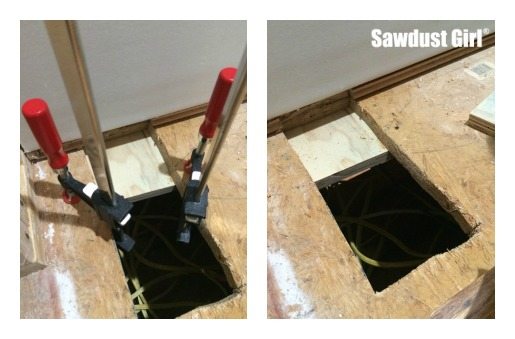
- Install support (if needed): For subfloor or unsupported areas, screw a strip of wood underneath the opening to support the patch.
- Apply adhesive: Use wood glue or construction adhesive on the edges.
- Insert the patch: Press it in so it’s flush with the floor.
- Secure with nails or screws: Countersink them, then fill the holes with wood filler.
- Sand and finish: Sand smooth and apply matching stain or finish.
*Important insight:* If you don’t square the hole, your patch may rock or leave gaps. Taking time to cut clean lines saves headaches later.
Repairing A Large Hole In The Subfloor
Large holes (over 6 inches) or those that affect the subfloor require a more involved fix, as they can affect the floor’s strength.
Steps
- Remove flooring around the hole: Pull up flooring (hardwood, tile, carpet, etc.) To expose the damaged subfloor.
- Cut out damaged subfloor: Use a circular saw to remove the damaged section, cutting back to the nearest floor joists.
- Add support blocking: Install 2×4 blocking between joists for added support if the hole doesn’t reach a joist on both sides.
- Cut a new piece of plywood: Match the thickness of your existing subfloor.
- Attach the patch: Screw the new plywood into the joists and blocking.
- Replace the finished flooring: Reinstall your floor (tile, hardwood, carpet) over the patch.
*Extra insight:* When patching subfloors, always use screws instead of nails. Screws hold tighter and prevent squeaks.
Fixing Holes In Vinyl Or Linoleum
Vinyl floors are common in kitchens and bathrooms. Holes here require a different approach.
Steps
- Cut a clean rectangle around the hole: Use a sharp utility knife.
- Find a matching piece: If you have extra vinyl from installation, use it. Otherwise, cut a patch from a hidden area (like under the fridge).
- Test fit the patch: Make sure it fits tightly.
- Apply adhesive: Use vinyl adhesive on the floor and the patch’s back.
- Press and roll the patch: Use a rolling pin or bottle to remove bubbles.
- Seal the seams: Use seam sealer recommended for your vinyl type.
*Pro tip:* Slightly heat the patch with a hairdryer to make it more flexible for a perfect fit.
Repairing A Hole In Tile Flooring
Tile floors are durable but can crack or break, leaving holes that need fixing.
Steps
- Remove the damaged tile: Use a hammer and chisel to break out the tile and clear old mortar.
- Clean the area: Remove all dust and old adhesive.
- Apply thinset mortar: Use a notched trowel to spread mortar evenly.
- Set the new tile: Press it in level with surrounding tiles.
- Let it set: Wait 24 hours for the mortar to cure.
- Grout the joints: Fill gaps with grout, wipe off excess, and allow to dry.
*Important tip:* Always keep spare tiles when installing a new floor. Tile colors can be hard to match later.
Repairing A Hole In Concrete Floors
Concrete floors are strong, but holes can still happen—especially in basements or garages.
Steps
- Clean the hole: Use a wire brush, then vacuum to remove dust and debris.
- Wet the area: Dampen with water but don’t leave standing water.
- Mix concrete patch: Follow the instructions for the product you choose.
- Fill the hole: Use a trowel to press the mix into the hole, slightly overfilling.
- Smooth the patch: Feather the edges so they blend with the existing floor.
- Let it cure: Concrete takes up to 48 hours to harden fully.
*Non-obvious insight:* For deep holes (over 2 inches), fill in layers and let each layer set to avoid cracks.
Credit: sawdustgirl.com
Matching Colors And Finishes
No one wants a patch that stands out. The challenge is making the repair blend in.
- Test stains or paints: Try on a scrap or hidden area first.
- Use manufacturer’s touch-up kits: These are often available for popular floors.
- Feather edges: Sand or blend the edges of fillers and patches for a smoother transition.
- Consider professional refinishing: For large or obvious repairs, a pro can sand and refinish the area for a seamless look.
*Practical tip:* Lighting changes how repairs look. Check the patch in both daylight and artificial light before finishing.
Preventing Future Damage
Fixing a hole is only half the battle. Preventing new holes saves money and time.
- Fix leaks quickly: Water causes most floor damage.
- Use furniture pads: Heavy furniture can dent or scratch floors.
- Keep floors clean: Dirt and grit act like sandpaper, wearing down surfaces.
- Control humidity: Wood floors expand and contract with moisture.
- Inspect for pests: Termites or carpenter ants can hollow out wood floors.
*Non-obvious tip:* Small pet nails can scratch or damage floors over time. Keep them trimmed to protect your flooring.
When To Call A Professional
Some holes can be dangerous or too complex for DIY fixes.
- Structural damage: If you see sagging, bouncing, or cracks that keep growing, call a pro.
- Hidden problems: Mold, rot, or insect damage often needs expert treatment.
- High-value flooring: Antique or expensive floors are best repaired by specialists.
Trying to fix these yourself can lead to bigger, more expensive problems. When in doubt, get a professional opinion.
Example Scenarios
Example 1: Small Hardwood Hole
After moving a chair, you notice a 1-inch hole in your living room hardwood. Clean it well, fill with a stainable wood filler, sand, and touch up with matching stain. The repair is invisible, and your floor is strong again.
Example 2: Large Subfloor Hole
You discover a 10-inch hole under a damaged tile in the kitchen. Remove tiles, cut out the damaged subfloor, add blocking, screw in a new plywood patch, and replace tiles. This ensures the floor is safe for heavy appliances.
Example 3: Vinyl Patch
A dropped knife creates a 3-inch slit in your bathroom vinyl. Cut a matching patch from leftover material, glue it in place, and seal the seams. The repair blends well, and water can’t get underneath.
Common Mistakes To Avoid
- Skipping cleaning: Adhesives and fillers won’t stick to dust or grease.
- Not squaring holes for patches: Irregular shapes make tight fits impossible.
- Ignoring subfloor damage: Surface fixes won’t hold if the structure is weak.
- Using the wrong filler: Not all fillers work with all floors; read the label.
- Rushing drying times: Give each step enough time to set for a lasting repair.
*Non-obvious insight:* Overfilling holes seems safer, but excess filler can crack or bulge as it dries. Always follow the product’s instructions.
Cost Comparison: Diy Vs. Professional Repair
Repairing a floor hole yourself can save a lot of money. Here’s a basic comparison:
| Repair Type | DIY Cost | Professional Cost | Typical Time Needed |
|---|---|---|---|
| Small hardwood hole | $15–$40 | $100–$250 | 1–2 hours |
| Medium subfloor hole | $30–$100 | $200–$500 | 2–4 hours |
| Tile replacement | $20–$60 | $150–$300 | 2–3 hours |
| Concrete patch | $10–$30 | $100–$250 | 1–2 hours |
*Note:* Costs depend on local prices and floor size. DIY saves on labor but needs time and care.
Tool And Material Comparison For Floor Types
Choosing the right tools and materials is key for a strong, long-lasting repair.
| Floor Type | Essential Tools | Main Materials | Special Notes |
|---|---|---|---|
| Hardwood | Putty knife, sander, saw | Wood filler, stain, patch | Test stain on filler first |
| Laminate | Saw, glue, clamps | Laminate patch, adhesive | Use matching finish |
| Vinyl | Utility knife, roller | Vinyl patch, seam sealer | Heat patch for better fit |
| Tile | Chisel, trowel, sponge | Tile, thinset, grout | Keep spare tiles handy |
| Concrete | Wire brush, trowel | Concrete patch mix | Layer for deep holes |
Safety Tips For Floor Repairs
Floor repairs can involve sharp tools, chemicals, and heavy lifting. Follow these safety tips:
- Wear gloves and safety glasses to protect your hands and eyes.
- Use a dust mask when sanding or mixing concrete.
- Keep the area ventilated if using strong adhesives or chemicals.
- Lift with your legs (not your back) when moving heavy materials.
- Check for hidden wires or pipes before sawing into the floor.
*Extra tip:* Keep pets and children away from the repair area until you’re finished and everything is dry.
Where To Find Replacement Materials
Finding a perfect match for your floor can be tricky.
- Saved leftovers: Always keep extra tiles, planks, or vinyl after installation.
- Hardware stores: Bring a sample to match color and texture.
- Flooring suppliers: Many keep discontinued styles in stock.
- Online marketplaces: Sometimes you can find matching pieces online.
If you can’t find a perfect match, consider using a contrasting patch as a design feature.
Knowing When A Hole Signals Bigger Problems
Sometimes a hole is a symptom, not the real issue. Watch for these warning signs:
- Multiple holes appearing: Could mean termites or rot.
- Floor feels soft or bouncy: Subfloor may be failing.
- Musty smell or discoloration: Possible water damage or mold.
- Uneven floors: Could be a sign of shifting structure.
If you see these, consult a professional. Fixing just the hole won’t solve the underlying problem.
Environmental Considerations
Repairing a floor is also a chance to choose greener materials.
- Low-VOC adhesives and finishes: These reduce indoor air pollution.
- Sustainably sourced wood: Good for the environment and your conscience.
- Recycled materials: Some fillers and vinyl patches use recycled content.
For more information about eco-friendly flooring options, check resources like the EPA’s Green Flooring Guide.
Frequently Asked Questions
How Do I Know If My Floor Hole Needs Professional Repair?
If the hole affects the floor’s structure, is larger than a dinner plate, or you see signs of rot, mold, or pests, it’s best to call a professional. They can check for hidden problems and make sure the repair is safe and long-lasting.
Can I Repair A Hole In A Floor Without Matching Materials?
Yes, but the repair may be visible. If you can’t find a perfect match, use a close color and blend the edges as much as possible. Sometimes, a contrasting patch can be turned into a design feature.
How Long Do Floor Repairs Usually Last?
A well-done repair can last as long as the rest of the floor—often 10 years or more. The key is fixing the cause of the hole (like leaks or pests) and using proper materials.
What Is The Best Filler For Small Wood Floor Holes?
Look for stainable wood filler made for flooring. These are strong, easy to sand, and can be colored to match your floor. Avoid general-purpose spackle, as it doesn’t hold up to foot traffic.
Is It Safe To Walk On A Repaired Floor Right Away?
No. Wait until adhesives, fillers, or mortar have fully set. This is usually at least 24 hours for most materials. Walking too soon can ruin the repair.
Fixing a hole in your floor is a valuable skill for any homeowner. By following the steps above, understanding your floor’s needs, and working carefully, you can restore your floor and prevent future issues. Stay safe, take your time, and enjoy your renewed space!

Credit: www.youtube.com