
How To Cover Transom Window In Bedroom
A transom window can add elegance and light to a bedroom, but sometimes you want more privacy, darkness, or style control. Covering a transom window is not as simple as putting up standard curtains. These windows are often small, high up, or have an unusual shape.
If you’re wondering how to cover a transom window in your bedroom, you’re not alone. Many people want to block early morning light, limit outside views, or simply give their room a new look. In this guide, you’ll learn practical solutions, creative ideas, and how to avoid common mistakes.
Whether your style is modern, classic, or somewhere in between, you’ll find an approach that works for your needs and budget.
Understanding Transom Windows
A transom window is a small window set above a door or another window. In bedrooms, it often sits above the main window or door to let in extra light. While these windows are beautiful, they have some unique challenges. They are usually hard to reach and may have custom sizes. Standard blinds or curtains often do not fit.
Transom windows serve two main purposes:
- Natural Light: They let sunlight in, making the room brighter and more open.
- Aesthetic Value: The window adds architectural interest and a sense of space.
However, too much light can disturb sleep or privacy. Covering these windows gives you control over both.
Why Cover A Transom Window?
- Privacy: If your bedroom faces a street or neighbor, uncovered transom windows may let people see inside.
- Light Control: Early sun or streetlights may make it hard to sleep.
- Energy Efficiency: Uncovered glass can increase heat in summer and lose warmth in winter.
- Design: You might want to change the look of your bedroom or match other window coverings.
Many people overlook how much light or view a small window can allow. Even a transom window can make a big difference in sleep quality and room comfort.
Main Approaches To Covering A Transom Window
There is no one-size-fits-all answer. Your choice depends on your window’s size, shape, your style, budget, and how much light you want to let in or block out. Let’s look at the most effective methods.
1. Curtains Or Drapes
Curtains are a classic solution, but they need some adaptation for transom windows.
Full-length Curtains
You can hang full-length curtains that cover both the main window and the transom above. This approach gives a unified look and is easy to open or close.
Pros:
- Simple installation
- Wide fabric and style choices
- Blocks light completely if you use blackout curtains
Cons:
- May cover more wall space than you want
- Not ideal if you want to keep the lower window open for air
Example: A floor-to-ceiling velvet curtain in a dark color can turn your bedroom into a cozy retreat and block all light from both windows.
Separate Short Curtain
Another option is a short curtain mounted just above the transom. This covers only the small window, letting you keep the main window free.
Tips:
- Use a tension rod or small curtain rod for easy removal.
- Choose sheer or blackout fabric based on your needs.
Non-obvious insight: Many people try to use leftover fabric or too-short curtains, but this often looks unfinished. It’s better to tailor the curtain size for your window.
2. Blinds
Blinds are popular for their clean look and adjustable light control. Not all blinds work for transom windows, so consider these options:
Mini Blinds
Mini blinds are slim and can fit small or narrow transoms.
- Easy to adjust for light or privacy
- Available in many colors and materials
Practical tip: Choose aluminum or vinyl for easy cleaning and moisture resistance.
Cellular Shades
Cellular shades (also called honeycomb shades) provide insulation and block light. They are lightweight, making them good for high windows.
- Available as blackout or light-filtering
- Customizable to fit odd sizes
Common mistake: Standard shades may sag if cut too wide. Always measure carefully and buy from a manufacturer that offers custom sizing.
Roller Shades
Roller shades roll up tightly and are almost invisible when open.
- Simple, modern look
- Easy to operate with cordless options
Non-obvious insight: If you have a window that’s hard to reach, consider motorized roller shades.
3. Frosted Or Privacy Film
Window film is a thin layer that sticks to the glass, blocking views but letting in light.
- Low-cost and easy to install
- Many patterns and levels of opacity
- No hardware required
Types of window film:
- Frosted (blurs everything)
- Stained glass (adds color and design)
- One-way mirror (privacy during daytime only)
Tip: Clean the window thoroughly before applying. Bubbles are a common issue, but using a squeegee helps smooth the film.
4. Shutters
Interior shutters add a classic look and strong privacy.
Plantation Shutters
Plantation shutters have wide louvers that you can tilt.
- Durable and easy to clean
- Custom-fit for any window size
- Good for both light control and insulation
Drawback: These are often more expensive and need professional installation.
Café Shutters
These cover only the lower part of a window, but you can custom-make them for a transom.
- Keep the upper window open for light
- Add privacy where you need it
Expert tip: If matching your main window’s shutters, order at the same time to ensure color consistency.
5. Roman Shades
Roman shades fold up in soft pleats and offer a classic, cozy look.
- Many fabric options
- Can be lined for extra darkness or left sheer for light
Installation: Mount inside the transom frame for a neat appearance, or outside for full coverage.
Non-obvious insight: Roman shades work well for arched or oddly shaped transoms if custom-made.
6. Decorative Panels Or Inserts
If you want a more permanent solution, consider a decorative wood or acrylic panel. These can be plain, carved, or feature a pattern.
- Adds architectural detail
- Blocks light and views entirely
- Can be painted to match your décor
Limitation: This method is hard to remove if you change your mind.
7. Temporary Solutions
If you rent or want flexibility, look for non-permanent options.
- Removable adhesive blackout panels
- Tension rods with fabric panels
- Temporary frosted film
Pro tip: Always check your lease agreement before making changes if you rent your home.
Step-by-step Guide: Measuring And Installing Your Covering
Choosing the right covering is just the start. Measuring and installing it correctly is essential for a good result.
Measuring The Transom Window
- Use a steel tape measure for accuracy.
- Measure the width from one inside edge to the other.
- Measure the height from the top to the bottom inside edge.
- If the window is arched, measure the highest point and the widest width.
- Note if there are any handles, locks, or trim that may block your covering.
Tip: Always measure twice. Mistakes here cost time and money.
Choosing The Right Hardware
Select hardware based on your covering type:
- Rods for curtains
- Brackets for blinds or shades
- Clips for window film
Non-obvious insight: For high transom windows, consider extendable rods or brackets that angle downward for easier access.
Installation Steps
For Curtains Or Shades
- Mark the bracket positions with a pencil.
- Drill pilot holes (if needed).
- Screw in the brackets or rod supports.
- Hang your curtain, blind, or shade and test movement.
For Window Film
- Clean the glass with soap and water.
- Cut film to size, leaving a 1/8-inch gap on all sides.
- Wet the window with a water and dish soap spray.
- Peel the backing and apply the film from the top down, smoothing as you go.
- Remove bubbles with a squeegee.
For Shutters Or Panels
- Pre-fit the shutter or panel in the window frame.
- Use a level to ensure it’s straight.
- Screw into the window frame, following the manufacturer’s instructions.
Pro tip: Always check for electrical wiring before drilling.
Checking For Light Gaps
After installation, check for any gaps that let in unwanted light. Use weatherstripping, extra trim, or fabric tape to seal edges if needed.
Practical example: For a blackout shade, even a small gap at the edge can let in enough light to disturb sleep. Side channels or magnetic strips can help.
Comparison: Types Of Window Coverings
To help you choose, see how the main types compare in light blocking, privacy, and cost.
| Covering Type | Light Blocking | Privacy | Cost | Removability |
|---|---|---|---|---|
| Full-Length Curtains | High (with blackout) | High | Low–Medium | Easy |
| Mini Blinds | Medium | High | Low | Easy |
| Cellular Shades | High | High | Medium | Moderate |
| Window Film | Medium | Medium–High | Low | Easy (if removable) |
| Shutters | High | High | High | Hard |
| Roman Shades | High (if lined) | High | Medium | Moderate |
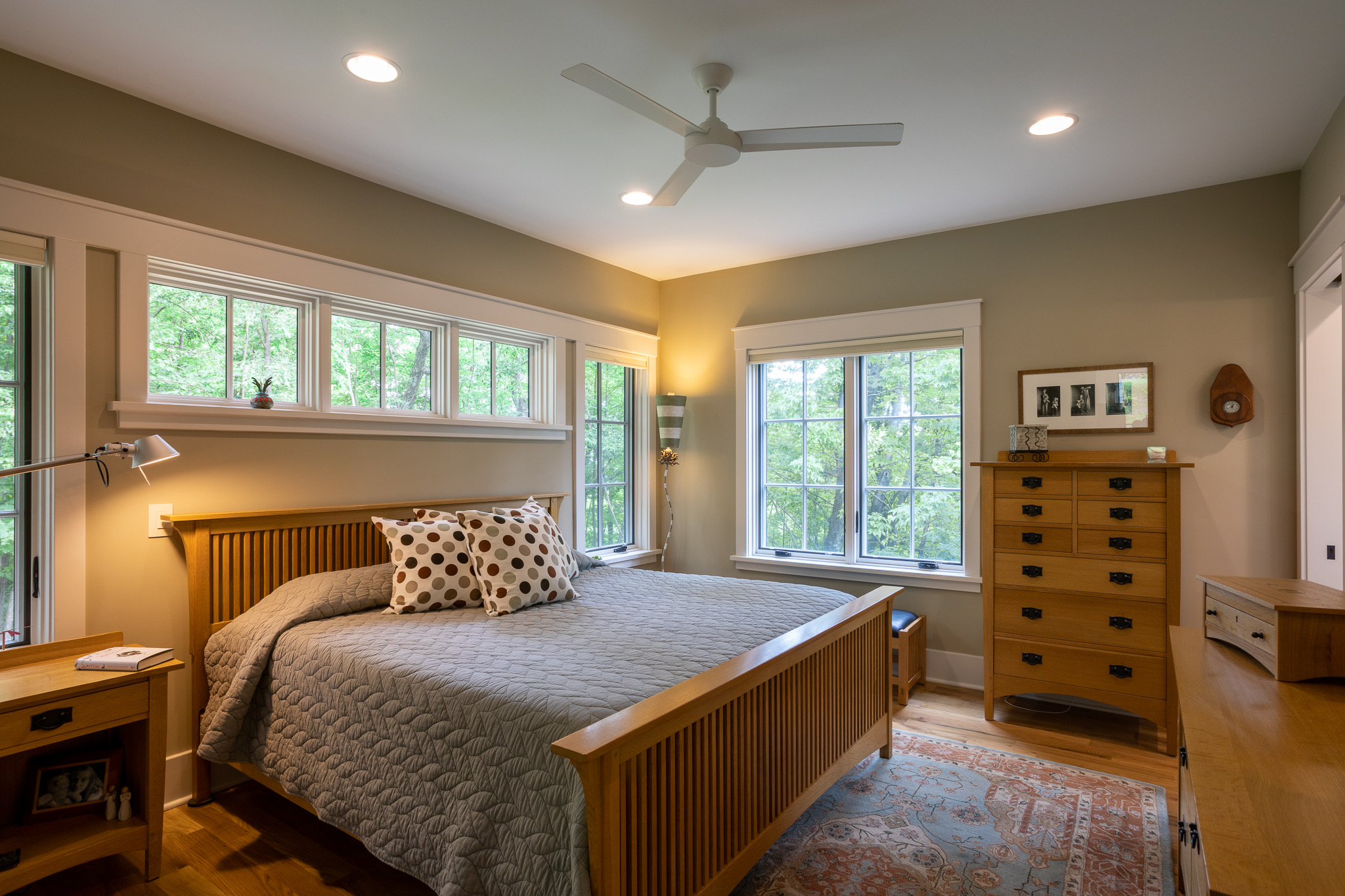
Credit: www.acmdesignarchitects.com
Style And Design Tips
Covering your transom window doesn’t mean you have to sacrifice style. Here are ways to make your covering work with your bedroom’s look.
Color And Fabric Choices
- For a cozy feel, use dark or heavy fabrics like velvet or wool.
- For a light and airy look, choose sheer or light-colored curtains.
- Match the covering to your bedding or accent pillows for a coordinated style.
Layering
Layering a sheer curtain over a blackout shade gives you both light control and softness. This works especially well if you want flexibility for different times of day.
Decorative Hardware
Use rods and brackets that match your room’s finish—matte black for modern, brushed gold for a touch of luxury.
Custom Shapes
If your transom is arched or has a unique shape, consider a custom-made shade or film. Off-the-shelf options rarely fit well.
Energy Efficiency And Comfort
A covered transom window can help control your room’s temperature and reduce energy bills.
- Cellular shades are the best for insulation, with air pockets that keep heat in or out.
- Blackout curtains can lower heat loss by up to 25% in winter (source: US Department of Energy).
- Window film can block up to 99% of UV rays, protecting your furniture and skin.
Real-world example: One homeowner in Arizona noticed their bedroom was 4–5 degrees cooler in summer after adding blackout curtains to their transom.
Child And Pet Safety
If you have children or pets, avoid coverings with long cords or chains. Choose cordless blinds or shades, or install safety cleats to keep cords out of reach.
Safety fact: According to the US Consumer Product Safety Commission, window cords are a strangulation risk for young children. Always choose safer options.
Dealing With Difficult Transom Windows
Some transom windows are especially hard to cover—too high, too wide, or oddly shaped. Here’s how to handle them:
High Or Hard-to-reach Windows
- Use motorized shades with a remote or wall switch.
- Install window film so you never need to reach it again.
- Use an extra-long rod for curtains and open/close with a wand.
Arched Or Odd Shapes
- Order custom blinds, shades, or shutters.
- Use flexible window film that can be cut to shape.
- Consider a decorative insert fitted by a carpenter.
Pro tip: Never force a standard covering onto an unusual window. It rarely looks or works well.
Rental Apartments
If you rent, removable window film or tension-mounted curtains are usually the best choice. Avoid drilling or permanent changes.

Credit: anthonythomasbuilders.com
Common Mistakes To Avoid
Many people make the same errors when covering a transom window. Avoid these for best results.
- Wrong Measurements: Always measure the exact frame, not just the glass.
- Heavy Hardware: Too-heavy rods or brackets can damage the wall or window frame.
- Ignoring Light Gaps: Even small gaps can let in unwanted light.
- Choosing the Wrong Material: Some fabrics fade quickly in sunlight; choose UV-resistant options.
- Forgetting About Cleaning: High transoms are hard to reach. Pick coverings that need little maintenance, or plan for occasional cleaning with a long-handled duster.
Budgeting: What To Expect
Costs vary widely depending on your choice.
| Covering Type | DIY Cost Range | Professional Installation |
|---|---|---|
| Window Film | $10–$40 | Rarely needed |
| Mini Blinds | $15–$40 | $50–$100 |
| Cellular Shades | $40–$120 | $100–$250 |
| Roman Shades | $30–$90 | $80–$200 |
| Plantation Shutters | $150–$400 | $200–$600 |
| Full-Length Curtains | $25–$100 | $60–$150 |
Pro tip: Get multiple quotes for professional installation, especially for shutters or custom shades.
Creative And Diy Ideas
If you enjoy hands-on projects, here are some creative ways to cover your transom window:
- DIY Fabric Panel: Stretch fabric over a wooden frame and press it into the window opening.
- Decorative Contact Paper: Use patterned contact paper for a stained-glass effect.
- Magnetic Shades: Attach lightweight shades with magnetic strips for easy removal.
- Gallery Art: Place a framed piece of art in the window space for a unique look.
Practical example: One renter used removable wallpaper to cover their transom, creating privacy and a bold accent wall.
Matching Your Covering To Bedroom Style
Choose a covering that fits with your room’s overall design.
- Modern rooms: Go for roller shades or sleek window film.
- Traditional rooms: Use Roman shades or plantation shutters.
- Boho or eclectic: Try patterned curtains or stained glass film.
- Minimalist: Frosted film or simple white shades work best.
When To Leave A Transom Uncovered
In some cases, the best choice is to leave your transom open. If your bedroom faces a private area and you enjoy the extra light, you may not need a covering. Just keep in mind that uncovered windows can fade furniture and increase energy bills.
Non-obvious insight: If you choose not to cover, use UV-protective spray on furniture and floors to reduce sun damage.
Maintenance And Cleaning
- Dust blinds and shades with a microfiber cloth or vacuum brush.
- Wipe window film with a damp cloth (no harsh chemicals).
- Wash curtains according to fabric instructions—many are machine washable.
- For shutters, use a damp cloth or gentle cleaner.
Pro tip: Clean coverings every 2–3 months to prevent dust buildup, especially in bedrooms with allergies.
Summary: Picking The Best Solution
Covering a transom window in your bedroom can be simple or involve custom work, depending on your needs. Consider privacy, light control, budget, and style. The best solution balances function and beauty, making your bedroom more comfortable and restful.
If you need more help on window treatments, visit Houzz for inspiration and expert advice.
Frequently Asked Questions
How Do I Measure A Transom Window For A Covering?
Measure the inside width and height of the window frame with a steel tape. For arched windows, measure the widest and highest points. Always double-check measurements for accuracy.
Can I Install Window Film On A Transom Window Myself?
Yes, most window film is designed for DIY installation. Clean the glass, cut the film to size, and smooth it out with a squeegee. Follow the manufacturer’s instructions for best results.
What Is The Best Covering For Blocking All Light?
Blackout curtains or cellular shades with blackout lining are the best for total darkness. Make sure the covering extends slightly past the window edges to prevent light leaks.
Are There Coverings That Don’t Need Drilling Or Screws?
Yes, options like removable window film, tension rod curtains, or magnetic shades don’t require holes in the wall or frame. These are perfect for renters or temporary changes.
How Do I Match My Transom Covering To The Main Window?
Use the same fabric, color, or style for both windows. If using different coverings, keep the colors coordinated for a harmonious look. Custom orders help match unusual sizes or shapes.
Covering a transom window in your bedroom doesn’t have to be a challenge. With the right approach, you can gain privacy, control light, and create a more comfortable space. Whether you choose curtains, shades, film, or something creative, you’ll enjoy the difference every day.
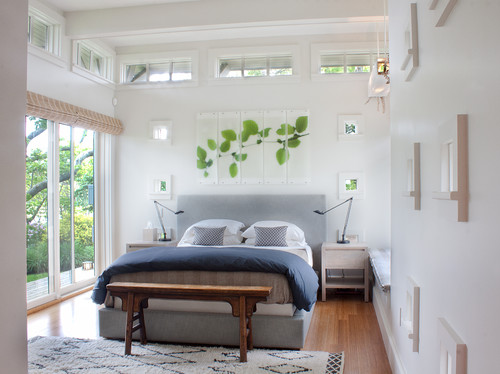
Credit: transomsdirect.com