
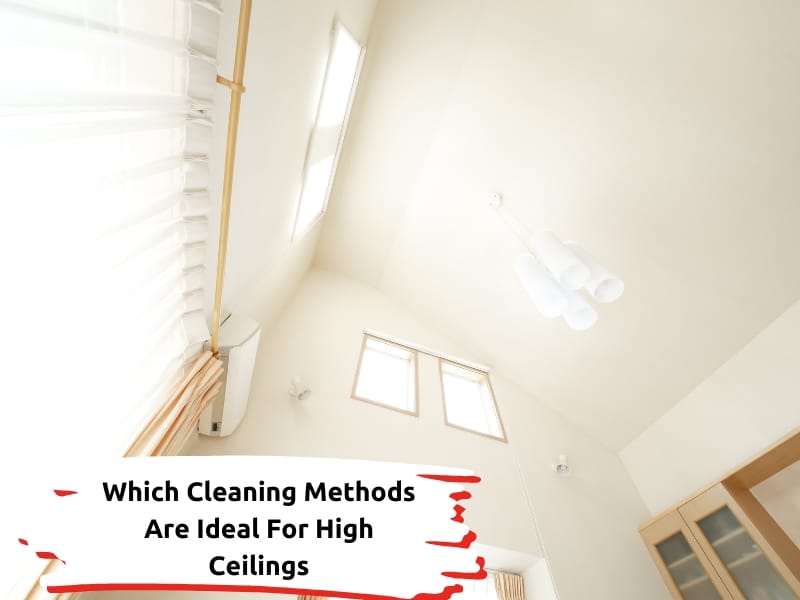
Vaulted ceilings create a sense of openness and drama in a home. Their height and unique angles make a room feel larger, brighter, and more elegant. But as beautiful as they are, vaulted ceilings also come with a challenge: cleaning them. Dust, cobwebs, and even stains can build up high above your head, out of easy reach. Over time, this not only affects how your room looks, but can also impact air quality and even shorten the life of paint or wood finishes. Many people avoid cleaning these ceilings because they seem too difficult or unsafe. But with the right approach, products, and safety measures, you can keep your vaulted ceilings spotless, healthy, and looking their best.
This guide walks you through every step of how to clean vaulted ceilings—from choosing the safest equipment to dealing with difficult stains. Whether your ceiling is made of wood, painted drywall, or even features exposed beams, you’ll find clear instructions, practical tips, and expert advice you won’t get elsewhere. By the end, you’ll know exactly what to do, what to avoid, and how to maintain that impressive space with confidence.
Understanding Vaulted Ceilings And Why They Need Cleaning
Vaulted ceilings are not just higher versions of flat ceilings. Their angled surfaces, beams, and sometimes textured finishes collect dust, cobwebs, and pollutants more easily. Gravity naturally pulls dust downward, but air circulation in a large, open space can make debris settle on these upper surfaces.
Some common issues with dirty vaulted ceilings include:
- Visible dust and cobwebs: These can be seen from the ground and spoil the room’s appearance.
- Allergens: Dust mites, pollen, and pet hair can collect and affect indoor air quality.
- Staining: Leaks or cooking vapors can cause spots that set in if not cleaned.
- Wear and tear: Over time, dirt can break down paint, wood, or other finishes.
Unlike regular ceilings, vaulted ceilings often require special tools and methods for safe, effective cleaning. Understanding these challenges is the first step toward a cleaner, healthier home.
Preparation: What To Do Before You Start
Cleaning a high ceiling is not a task to rush into. Planning and preparation are important for both safety and results.
1. Inspect The Ceiling
Before gathering tools, take a good look at your ceiling. Use binoculars or a zoom camera to spot:
- Cobwebs or heavy dust
- Water stains or mold
- Paint chipping or cracks
- Dead insects or nests
Knowing the problem areas helps you prepare the right cleaning approach.
2. Protect Furniture And Floors
Cleaning high above means dust and debris will fall. Move furniture if possible, or cover items with old sheets or plastic. Lay drop cloths on the floor to make cleanup faster and protect surfaces.
3. Gather Tools And Supplies
Vaulted ceilings require special tools for safe cleaning. Make sure you have:
- Extension poles for dusters or cleaning heads (up to 20 feet)
- Stable ladder or scaffolding (if needed)
- Microfiber dusters (they hold dust better than cotton)
- Vacuum with extension hose
- Bucket for cleaning solution
- Soft sponges or cloths
- Mild cleaning solution (avoid harsh chemicals)
- Spray bottle (for spot cleaning)
- Protective gear: Gloves, eye protection, dust mask
4. Plan For Safety
Safety is critical. Never balance on unstable furniture or stretch dangerously. If you’re unsure, consider hiring a professional for very high or complex ceilings.
Choosing The Right Cleaning Method
Vaulted ceilings come in different materials and finishes. Cleaning drywall, wood, or beams requires a tailored approach. Here’s a breakdown of methods and when to use them.
Drywall Or Painted Ceilings
Most common in modern homes, these ceilings are usually painted. They collect dust and may have cobwebs in corners.
Best method: Dry dusting with a microfiber duster on an extension pole. For spots or stains, use a damp (not wet) sponge with a mild cleaner.
Wood Or Exposed Beam Ceilings
Wood adds warmth and character but can be damaged by too much moisture.
Best method: Dry dusting with a microfiber duster or vacuum brush. For sticky spots, a barely damp cloth with gentle wood cleaner works. Always dry wood surfaces immediately.
Textured Ceilings (e.g., Popcorn Or Knockdown)
These trap more dust and are harder to clean.
Best method: Use a soft-bristled brush on an extension pole. Avoid too much moisture—water can damage the texture.
Vaulted Ceilings With Skylights Or Fans
Take extra care around electrical fixtures and glass.
Best method: Dust around these areas by hand using a stable ladder. Clean glass with a glass-safe cleaner and lint-free cloth.
Step-by-step Guide To Cleaning Vaulted Ceilings
The right process keeps you safe and ensures thorough cleaning. Here’s how to clean your vaulted ceiling from start to finish.
1. Dry Dusting The Surface
Start with dry dusting, which removes most loose dirt and cobwebs.
- Attach a microfiber duster or brush to an extension pole.
- Start at one end of the ceiling and work systematically across the surface.
- Pay special attention to corners, angles, and around beams.
- Don’t forget to dust ceiling fans or light fixtures.
Dry dusting first prevents dirt from smearing if you need to wipe later.
2. Vacuuming (optional)
If you have a vacuum with a long hose and a soft brush attachment, vacuuming is effective for heavy dust. Go slowly to avoid damaging the surface.
3. Spot Cleaning Stains
If you notice stains, marks, or sticky spots:
- Mix a gentle cleaning solution (a few drops of dish soap in a gallon of warm water).
- Dampen a sponge or cloth (don’t soak).
- Attach to an extension pole or use a ladder if safe.
- Gently wipe the area, then dry with a clean cloth.
For water stains, use a mix of water and white vinegar (1:1 ratio). Test in a hidden spot first.
4. Cleaning Wood Beams
Dust beams carefully, using a microfiber duster or vacuum. For sticky spots:
- Dampen a cloth with wood cleaner.
- Wipe gently, following the wood grain.
- Dry immediately to prevent swelling or damage.
5. Cleaning Skylights Or Ceiling Fans
- Dust around fixtures first.
- If using a ladder, always have someone hold it.
- Clean glass with a lint-free cloth and a safe glass cleaner.
- Wipe fan blades with a damp cloth and dry.
6. Final Touches And Inspection
After cleaning, let dust settle for 10-15 minutes. Then, vacuum or sweep the floor and remove covers from furniture. Inspect the ceiling for missed spots and touch up as needed.
Tools And Products Comparison
Not all cleaning tools are equal. Here’s a quick look at popular options for high ceilings.
| Tool/Product | Best For | Pros | Cons |
|---|---|---|---|
| Microfiber Duster (Extendable) | General dusting | Lightweight, reusable, traps dust well | Limited for stuck-on dirt |
| Vacuum with Extension Hose | Heavy dust, allergies | Removes allergens, less mess falls | Can be heavy, limited reach |
| Stable Ladder/Scaffold | Spot cleaning, fixtures | Safe access, precise cleaning | Requires help, more setup |
| Soft-Bristled Brush | Textured surfaces | Gentle, doesn’t damage texture | Doesn’t remove stains |
How Often Should You Clean Vaulted Ceilings?
Frequency depends on your home’s location, lifestyle, and air quality. In most homes, vaulted ceilings need dry dusting every 2-3 months. Deep cleaning or spot cleaning may be needed 1-2 times a year, especially after renovations or in homes with pets.
If you live near a busy road, have open windows often, or a lot of airflow, dust can build up faster. Allergies or asthma in the household are also good reasons to clean more often.
Dealing With Common Vaulted Ceiling Problems
Cobwebs And Insects
Cobwebs are common in high corners. Use a long-reach duster to sweep them away. If you see spider eggs or wasp nests, wear gloves and a mask. For active nests, call a pest professional.
Water Stains And Mold
Water stains often mean a leak. Clean the stain as above, but also fix the leak. Mold needs special attention: wear a mask, use a mix of water and vinegar, and scrub gently. If mold covers a large area, call a remediation expert.
Flaking Paint Or Cracked Plaster
Dust gently around damaged spots. Don’t scrub or wash, as this can make things worse. Touch up with matching paint or filler as needed.
Sticky Residue
Sticky patches (from cooking vapors or candles) need more than dusting. Use a mild soap solution and a soft cloth. Avoid abrasive cleaners.
Safety Tips For Cleaning Vaulted Ceilings
Cleaning high places can be risky. Follow these tips every time:
- Never stand on chairs or unstable objects. Use only rated ladders or scaffolding.
- Have a helper. Someone should hold the ladder and pass you tools.
- Wear non-slip shoes and protective gear.
- Don’t overreach. Move the ladder or tool rather than stretching.
- Avoid using too much water, especially near electrical fixtures.
- Work in good lighting. Shadows can hide dirt or hazards.
- Take breaks. Cleaning above your head is tiring.
If your ceilings are very high (over 14 feet) or you feel uncomfortable, consider hiring a professional cleaning service.
Professional Cleaning Vs. Diy: A Cost Comparison
Should you clean vaulted ceilings yourself, or call in the pros? Here’s a side-by-side look.
| Option | Typical Cost | Pros | Cons |
|---|---|---|---|
| DIY Cleaning | $20–$150 (tools, supplies) | Cheaper, flexible timing, personal control | Physical risk, time-consuming, may not reach all spots |
| Professional Service | $150–$500 per visit | Safer, thorough, includes repairs or stain removal | Higher cost, scheduling needed |
DIY is practical for most ceilings under 12 feet with basic dust and minor stains. For higher ceilings, heavy stains, or if you don’t have the right equipment, hiring a professional can be worth the extra cost.
Mistakes To Avoid When Cleaning Vaulted Ceilings
Many homeowners make these common mistakes—knowing them helps you get better results.
Using Too Much Water
Excess moisture can damage drywall, paint, or wood. Always wring out your cloth so it’s damp, not dripping.
Skipping Safety Steps
Standing on furniture or stretching too far is dangerous. Always use the right equipment.
Ignoring Stains
Leaving water stains or mold can lead to bigger problems. Clean and repair promptly.
Using Harsh Cleaners
Strong chemicals can strip paint, fade wood, or leave streaks. Stick to gentle, non-abrasive cleaners.
Not Dusting Regularly
Letting dust build up makes cleaning harder and can affect your health, especially for those with allergies.
Maintenance Tips For Long-term Results
Keeping your vaulted ceilings clean is easier with regular maintenance. Here’s how to keep them looking great year-round:
- Dust with a microfiber duster every 2-3 months.
- Check for stains, leaks, or cobwebs monthly.
- Clean ceiling fans and skylights at least twice a year.
- Use an air purifier to reduce dust in the room.
- Change HVAC filters regularly to keep air clean.
- Address leaks or water damage immediately.
- Repaint or refinish wood beams every few years as needed.
Regular care means less deep cleaning and fewer repairs in the future.
Advanced Tips And Insights Most Beginners Miss
Even experienced homeowners sometimes miss these strategies:
1. Use Telescoping Tools With Pivoting Heads
Standard extension poles work, but those with pivoting heads let you clean angles and the tops of beams much more easily. This small upgrade saves time and reaches tricky spots.
2. Clean On A Dry, Bright Day
Humidity makes dust stick, and poor lighting hides dirt. Choose a sunny, dry day for best results.
3. Tackle One Section At A Time
Vaulted ceilings can be overwhelming. Break the job into smaller sections—clean one half, take a break, then do the rest. This avoids fatigue and missed spots.
4. Use Led Work Lights
Aiming portable LED work lights at the ceiling reveals dust and stains you might miss under normal lighting.
5. Mark Trouble Spots For Later Repair
If you see cracks, peeling, or water stains, mark them with painter’s tape. After cleaning, you’ll know exactly where to focus repairs.
6. Consider Dust-resistant Paint
If you’re repainting, use dust-resistant or washable paint. It helps keep ceilings cleaner longer and makes future cleaning easier.
Credit: jbmjanitorial.com
Special Situations: Cleaning Unique Vaulted Ceilings
Not all vaulted ceilings are alike. Here’s how to handle some special cases:
Wood Plank Or Tongue-and-groove Ceilings
These need gentle treatment. Dust regularly, and use wood-specific cleaners if needed. Avoid water, which can warp wood.
Metal Or Tin Ceilings
Rare, but beautiful. Dust as usual, and use a mild soap for sticky spots. Dry quickly to prevent rust.
Historic Or Ornate Ceilings
If your ceiling is old or features delicate plasterwork, avoid abrasive cleaning. Use a soft brush, vacuum gently, and avoid moisture. For big jobs, consult a restoration expert.
Green Cleaning Options
Eco-friendly cleaning is better for your health and the environment. For most dirt and stains, you can use:
- White vinegar and water (1: 1) for stains or mild mold
- Baking soda paste for tough spots (test on a hidden area first)
- Castile soap in water for wood or painted surfaces
Always test any new product on a small, hidden spot before using widely.

Credit: mollymaid.ca
When To Call A Professional
Sometimes it’s best not to DIY. Call a professional if:
- Your ceiling is over 14 feet high
- There’s heavy mold or water damage
- You find nests or large insect infestations
- There are delicate or historic finishes
- You feel unsafe or lack the right equipment
Professionals have the right tools, safety training, and insurance to handle tough jobs. For more on professional cleaning, check out Angi Home Cleaning Cost Guide.
Frequently Asked Questions
How Often Should I Clean My Vaulted Ceiling?
Most ceilings benefit from dusting every 2-3 months. Deep cleaning or spot cleaning is needed 1-2 times a year, or more often if you have high dust, pets, or allergies.
What Is The Safest Way To Reach A High Vaulted Ceiling?
Use a stable ladder or scaffolding rated for your weight. Have someone assist you, and use extension tools whenever possible to avoid climbing.
Can I Use Regular Cleaning Products On My Vaulted Ceiling?
Mild cleaners are usually safe for painted or drywall ceilings. For wood, use wood-specific cleaners. Always test new products on a hidden spot first.
How Do I Remove Water Stains From My Ceiling?
Mix equal parts water and white vinegar. Dab gently with a damp cloth—don’t soak the spot. If stains return, fix any leaks before cleaning again.
Is It Better To Hire A Professional To Clean My Vaulted Ceiling?
For most ceilings under 12 feet, DIY is safe and affordable. For very high, heavily stained, or delicate ceilings, hiring a professional is safer and more effective.
Vaulted ceilings add elegance to any space, but they need the right care to stay beautiful. With the steps and tips above, you can keep your high ceilings clean, fresh, and impressive—without risking your safety or your home’s value.

Credit: www.hometalk.com