
Soot stains on your floor can look bad and make your home feel dirty. After a fire, candle accident, or even when a fireplace is used, black soot can settle quickly on many types of floors. It can be sticky, powdery, and sometimes greasy.
If you try to clean it the wrong way, you might spread the stain or make it stick deeper. But with the right methods, it is possible to remove even tough soot stains and bring back the clean look of your floors.
This guide shows you step-by-step how to clean soot off floors, explains what tools and products to use, and helps you avoid mistakes that can make things worse. It doesn’t matter if your floors are wood, tile, vinyl, or carpet—you’ll find practical solutions for each.
Why Soot Is Hard To Clean
Soot is made up of very fine black particles. It forms when something does not burn completely, like wood, oil, or candles. These particles are so tiny that they can stick inside the pores of many surfaces. Sometimes, soot also has oily or sticky parts.
If you wipe soot the wrong way, you can rub it further in or smear it around. That’s why normal sweeping or mopping is not enough. Understanding the nature of soot helps you choose the right cleaning plan for your floor.
Safety Precautions Before You Start
Cleaning soot is not just about making the floor look good—it’s also about staying safe. Soot can be bad for your lungs if you breathe it in. It might also cause skin irritation. Here are important safety steps:
- Wear gloves to protect your hands.
- Use a mask (N95 or similar) so you don’t breathe in soot dust.
- Ventilate the area by opening windows and doors.
- Wear old clothes that you don’t mind getting dirty.
- Keep children and pets away from the cleaning area.
If a fire caused the soot and there is heavy damage, check for structural safety before cleaning. Sometimes, you may need professional help for big or deep damage.
Gather The Right Cleaning Supplies
You need the proper tools and cleaners to clean soot effectively. Having everything ready saves time and prevents spreading soot.
- Vacuum cleaner with a HEPA filter (for dry soot)
- Microfiber cloths (capture fine particles)
- Dry sponges (chemical sponges for soot)
- Bucket of warm water
- Mild dish soap
- Baking soda
- White vinegar
- Spray bottle
- Soft-bristle brush
- Rubber gloves
- Face mask
- Mop and mop bucket
- Soot remover (optional, for stubborn stains)
- Old towels or rags
Not all supplies are needed for every floor type, but these basics cover most situations.
First Steps: Dry Cleaning For All Floors
Before using any water or liquid, always start by removing as much dry soot as possible. This is a critical step because moisture can make soot stains worse.
- Do not rub or wipe at first. Rubbing pushes soot into the floor.
- Use a HEPA vacuum to gently lift soot dust. Hold the nozzle just above the surface and let the vacuum pull the soot up. Do not press down.
- Chemical dry sponge: For areas a vacuum can’t reach, use a dry cleaning (chemical) sponge. Press and lift—never rub. These special sponges are made to pick up soot.
- Repeat as needed. Replace or clean the sponge when it gets dark.
This “dry” phase is often enough for light soot, especially on hard floors. For heavier stains or any remaining soot, continue with wet cleaning.
How To Clean Soot Off Hardwood Floors
Cleaning soot from hardwood floors takes extra care. Wood is porous and can absorb stains if you use too much water.
Step-by-step Cleaning
- Dry removal first: Use a vacuum with a soft brush attachment or a chemical sponge.
- Mix a mild solution: In a bucket, mix warm water with a few drops of dish soap. Avoid harsh chemicals like ammonia or bleach.
- Dampen a microfiber cloth: Dip it in the solution and wring out well—cloth should be damp, not wet.
- Wipe gently: Work in small sections. Wipe with the grain of the wood.
- Rinse and dry: Use a clean, damp cloth (just water) to remove soap. Immediately dry with another clean cloth.
- For stubborn stains: Mix a paste of baking soda and water. Gently rub it on the spot and wipe off after a few minutes.
Never soak hardwood floors. Too much water can cause warping or damage.
Tips For Protecting Wood
- Always test cleaning solutions on a hidden spot first.
- After cleaning, apply a wood floor polish if needed to restore shine.
- If soot has soaked into the grain, you may need professional refinishing.
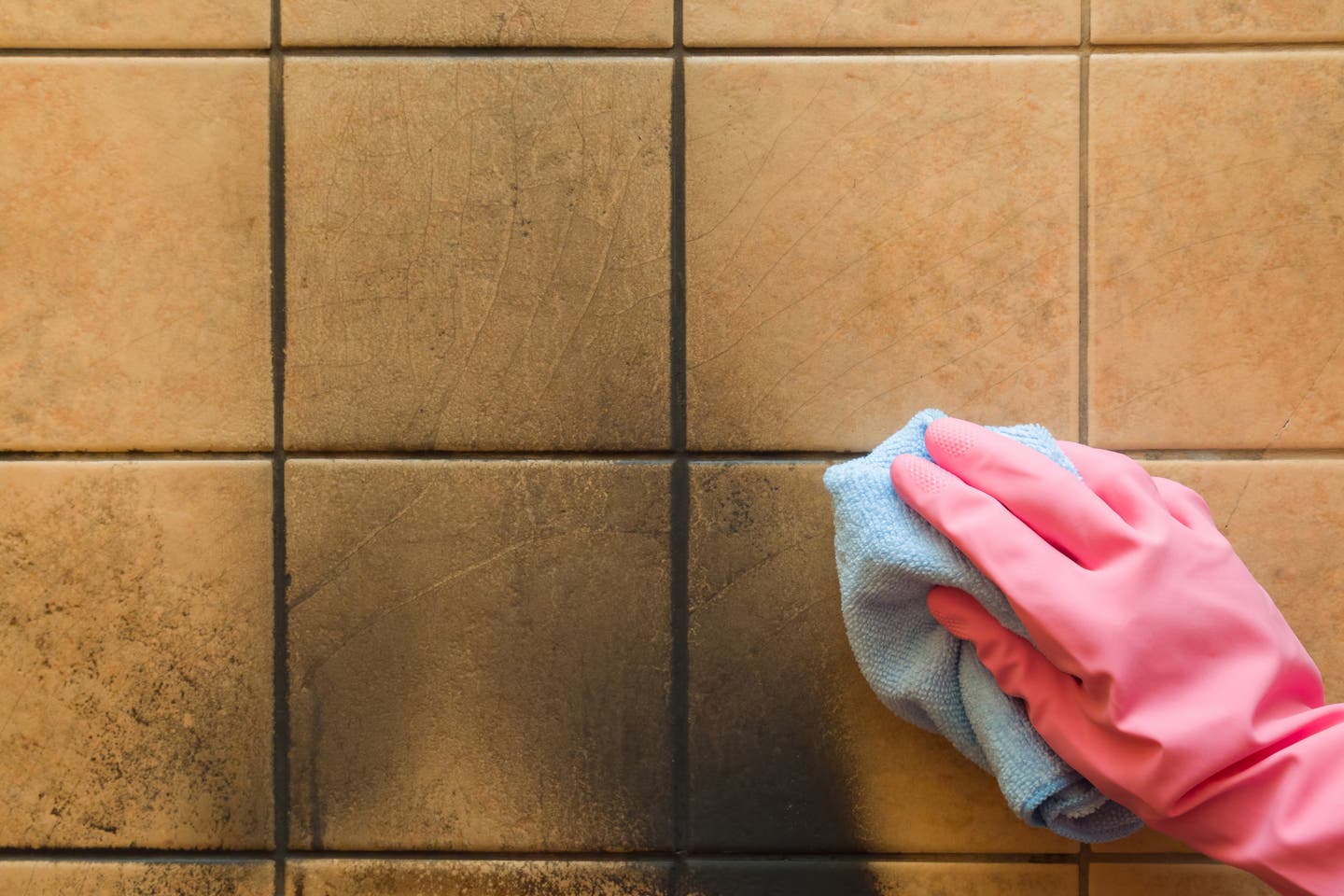
How To Clean Soot Off Tile Floors
Tile floors (ceramic or porcelain) are less sensitive to water, but grout lines can trap soot.
Step-by-step Cleaning
- Dry vacuum or sweep: Remove as much loose soot as possible.
- Warm soapy water: Mix water and a little mild dish soap in a bucket.
- Scrub tiles: Use a mop or cloth to wash the surface. For grout lines, use a soft-bristle brush.
- Rinse: Mop with clean water to remove soap.
- Dry: Wipe tiles with a clean towel to avoid streaks.
Dealing With Grout Stains
If grout is still dark:
- Make a paste from baking soda and water.
- Apply to grout, let sit for 5-10 minutes.
- Scrub gently, rinse, and dry.
Avoid acid cleaners unless you know your tile and grout can handle them.
:max_bytes(150000):strip_icc()/how-to-clean-soot-off-of-walls-5080447-09-c398a32f96214da6a7114a2fce958ac1.JPG)
Credit: www.thespruce.com
How To Clean Soot Off Vinyl Or Laminate Floors
Vinyl and laminate floors are popular because they are affordable and easy to clean. However, harsh chemicals or too much scrubbing can damage their surface.
Step-by-step Cleaning
- Dry clean first: Use a vacuum or dry microfiber cloth.
- Mix gentle solution: Use warm water and a few drops of mild dish soap.
- Mop carefully: Mop with a damp (not wet) mop. Too much water can seep under laminate boards and cause swelling.
- Spot clean: For sticky soot, spray a little vinegar and water mix (1:4 ratio) and wipe with a soft cloth.
- Dry well: Go over the area with a dry towel.
Avoid abrasive pads or strong solvents—they can scratch or dull the finish.
How To Clean Soot Off Stone Floors
Stone floors, such as marble, granite, or slate, are strong but can be stained by soot if not cleaned correctly.
Step-by-step Cleaning
- Vacuum dry: Use a soft brush attachment to remove soot.
- PH-neutral cleaner: Mix a special stone floor cleaner with water. Avoid vinegar or acidic cleaners—they can etch stone.
- Damp mop: Mop with the cleaner, do not let water pool.
- Rinse: Mop with plain water.
- Buff dry: Use a soft towel to dry and polish.
If soot stains remain in porous stone, contact a specialist for deep cleaning or sealing.
How To Clean Soot Off Carpets And Rugs
Carpets can be tricky because soot sticks to fibers and can create permanent stains if you use water too soon.
Step-by-step Cleaning
- Dry vacuum: Use a HEPA vacuum—do not use a beater bar, just the hose or a gentle brush.
- Sprinkle baking soda: Leave on the soot spot for 15-20 minutes to absorb odors and loosen soot.
- Vacuum again: Carefully vacuum up the baking soda.
- Spot clean: Mix a solution of warm water and mild dish soap. Dampen (do not soak) a cloth and blot the stain. Do not rub.
- Rinse and blot: Use a clean damp cloth to blot away soap. Blot dry with a towel.
- Repeat if needed. For tough stains, a carpet cleaner may help.
Pro tip: Never rub soot into carpet fibers. Always blot.
Cleaning Soot From Concrete Or Garage Floors
Concrete can absorb soot, but it’s less delicate than other floors.
Step-by-step Cleaning
- Dry sweep or vacuum: Remove loose soot.
- Heavy-duty cleaner: Mix trisodium phosphate (TSP) with water (follow package directions—usually 1/4 cup TSP per gallon).
- Scrub: Use a stiff brush to scrub the soot stains.
- Rinse: Hose down or mop with clean water.
- Dry: Let the area air dry or use old towels.
TSP is strong—wear gloves and protect your skin.

Credit: www.reddit.com
Handling Soot In Hard-to-reach Places
Soot often settles along baseboards, in corners, or under furniture. Use a vacuum hose or chemical sponge for these spots. Move furniture and clean underneath to prevent soot marks from setting in.
Comparing Soot Cleaning Methods
Here’s a quick comparison of common soot cleaning methods and where they work best:
| Method | Best For | Precautions |
|---|---|---|
| HEPA Vacuum | All floor types | Don’t press hard; avoid spreading soot |
| Chemical Sponge | Walls, hardwood, delicate surfaces | Don’t use with water |
| Baking Soda Paste | Stubborn spots, grout | Test on a small area first |
| Mild Soapy Water | Tile, vinyl, stone | Don’t soak wood or laminate |
| TSP Solution | Concrete, garage floors | Wear gloves; strong chemical |
Common Mistakes To Avoid
Cleaning soot can go wrong if you skip important steps or use the wrong products.
- Wetting soot before vacuuming: Soot turns to a black paste and spreads.
- Scrubbing too hard: Can push soot into the floor or damage the surface.
- Using harsh chemicals: May damage wood, vinyl, laminate, or stone.
- Skipping spot tests: Always test new cleaners in a hidden spot first.
- Ignoring ventilation: Soot dust can linger in the air—open windows.
Insight: Many people think more soap means cleaner floors, but too much soap can leave a film that attracts more dirt later.
When To Call A Professional
Sometimes, soot stains are too large or deep to handle alone. If there is:
- Soot after a major fire
- Smoke odor you can’t remove
- Large, oily soot stains on porous stone or carpet
- Damage to floor finish
Professional cleaning companies have special machines and chemicals. They can often save floors you might think are ruined.
Preventing Soot Stains On Floors
It’s easier to prevent soot than to clean it. Here’s how:
- Maintain fireplaces: Clean chimneys regularly.
- Use candle holders: Prevents wax and soot from touching floors.
- Install air purifiers: Reduces airborne soot particles.
- Use proper ventilation: Run fans when burning wood or candles.
- Clean up small soot spots quickly before they set.
How Soot Affects Floor Materials
Different floors react differently to soot. Here’s a quick overview:
| Floor Type | Soot Absorption | Risk of Damage |
|---|---|---|
| Hardwood | High (porous) | Warping, stains |
| Tile | Low (tile), high (grout) | Grout discoloration |
| Vinyl/Laminate | Low | Scratches, swelling (laminate) |
| Stone | Medium to high (depends on stone type) | Etching, stains |
| Concrete | High (unsealed) | Deep stains |
| Carpet/Rug | Very high | Permanent stains |
Knowing your floor type helps you choose the best cleaning method.
Eco-friendly Ways To Remove Soot
You don’t always need harsh chemicals. Try these greener options:
- Baking soda: Absorbs odors and loosens stains.
- White vinegar: Cuts through oily residue (safe for tile and vinyl, not for stone).
- Microfiber cloths: Trap soot particles without cleaners.
- Natural soaps: Castile soap is gentle and effective.
What To Do If Soot Smell Remains
Sometimes, even after cleaning, a smoky odor lingers. Try these steps:
- Ventilate: Open windows and use fans.
- Baking soda: Sprinkle on carpets, leave overnight, vacuum up.
- Activated charcoal: Place bowls in the room to absorb odors.
- Mop with vinegar solution: For hard floors, mop with a mix of 1 cup vinegar to 1 gallon of water (not for stone floors).
- Use air purifiers with HEPA filters.
If the smell persists, it could mean soot is still in the air ducts or walls.
Credit: www.servpro.com
Deep Cleaning After A Fire
Large fires leave behind heavy soot and chemical residue. Here’s what to do for a deep clean:
- Wait until safe: Make sure the building is structurally sound and approved for entry.
- Wear protection: Use gloves, a mask, and goggles.
- Remove debris: Clear large burnt items first.
- Use commercial soot removers: These are stronger than home products.
- Hire professionals: For large areas, smoke odor, or hazardous residue.
For more in-depth information on fire and soot damage, visit the EPA Fire and Smoke Damage Cleanup page.
Products That Help With Soot Removal
Here are some top-rated products for cleaning soot:
- Soot sponges (chemical dry sponges): Perfect for dry cleaning.
- HEPA vacuums: Trap fine dust and soot.
- Baking soda: Multi-purpose, odor control.
- PH-neutral floor cleaners: Safe for stone and hardwood.
- Trisodium phosphate (TSP): For tough stains on concrete.
Always read the label to make sure the product matches your floor type.
Soot Removal: Myths Vs. Facts
Many people have heard tips or tricks for cleaning soot. Here’s a breakdown of what works and what doesn’t:
| Claim | True or False? | Explanation |
|---|---|---|
| Soap and water remove all soot | False | Dry removal is needed first; water can spread soot |
| Vinegar cleans all floor types | False | Vinegar damages stone floors |
| Baking soda removes soot smell | True | It absorbs odors and loosens soot |
| Carpets are ruined by soot | Sometimes | Quick action can save them; deep stains may be permanent |
| Professional cleaning is always needed | False | Most small soot stains can be removed at home |
Two Insights Beginners Often Miss
- Don’t skip the dry phase: Many people jump straight to wet cleaning. But if you don’t remove as much dry soot as possible first, you’ll make a bigger mess.
- Spot test every new cleaner: Even “safe” products can discolor or damage certain floors. It’s worth taking a few minutes to test.
Frequently Asked Questions
What Is The Safest Way To Remove Soot From Wood Floors?
The safest method is to start with a HEPA vacuum or a chemical dry sponge to lift loose soot. Then, use a barely damp microfiber cloth with mild dish soap, wiping with the wood grain. Avoid soaking the floor, and dry immediately to prevent water damage.
Can I Use Vinegar To Clean Soot Off All Types Of Floors?
No. Vinegar is good for tile and vinyl but can damage stone surfaces like marble or granite. For stone, always use a pH-neutral cleaner. Vinegar’s acidity can etch and dull natural stone.
How Do I Get Rid Of A Lingering Smoke Odor After Cleaning Soot?
Use baking soda on carpets and soft surfaces, ventilate the space well, and try air purifiers with HEPA filters. For hard floors, mop with a vinegar and water mix (except on stone). If the smell persists, check for soot in air ducts or hidden areas.
Is It Safe To Clean Soot Myself After A Fire?
For small soot stains or light smoke damage, DIY cleaning is safe if you wear gloves and a mask and ventilate the area. But after a large fire, or if you have health concerns, call professionals. Soot can contain dangerous chemicals after major fires.
What Should I Do If Soot Stains Do Not Come Out?
If stains remain after several cleaning attempts, stop and call a professional. For wood, stone, or carpet, continued scrubbing can cause permanent damage. Professionals have stronger tools and cleaners that can save your floor.
Cleaning soot off floors is a careful process that requires the right tools, patience, and a plan. By using dry cleaning methods first, choosing the right products for your floor type, and acting quickly, you can get rid of soot stains and restore your home’s clean look.
With a little knowledge and the tips above, even tough soot doesn’t have to be permanent.