
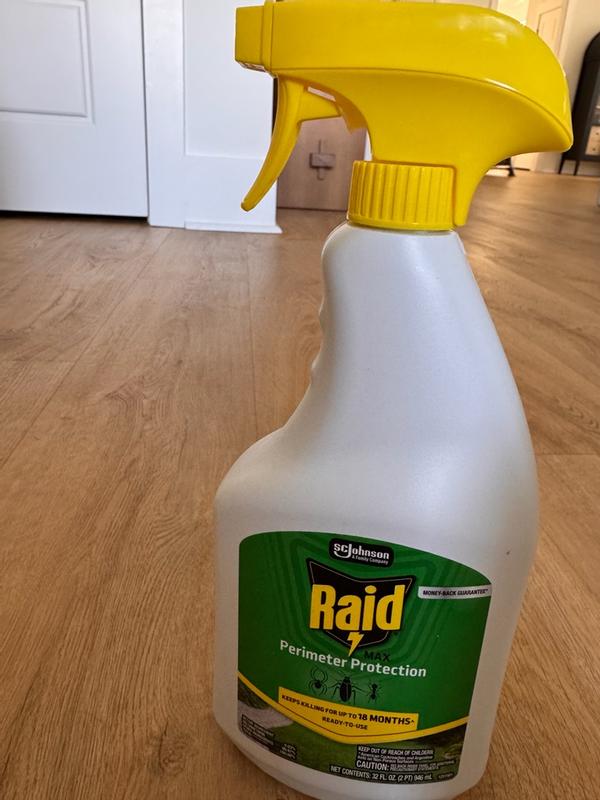
Cleaning up Raid or any insecticide spray from your floor is not as simple as wiping up a spilled drink. Raid contains chemicals that can be harmful if not handled properly, especially around children, pets, or food areas. When Raid lands on your floor, it can leave behind a residue that is sticky, slick, or even invisible, but still dangerous. If you want a floor that is not just visually clean but also safe for everyone in your home, you need to follow specific steps. This article will guide you through understanding what Raid is, the risks involved, and how to completely clean it from different floor types. You will also learn about the tools you need, the best cleaning methods, and some essential safety precautions often overlooked.
Understanding Raid: What You’re Dealing With
Raid is a brand of insecticide spray designed to kill pests quickly. It works by disrupting the nervous systems of insects, but its active ingredients (like pyrethroids or imiprothrin) can also affect humans and pets if not handled safely. The residue left on floors can cause skin irritation, breathing problems, or accidental poisoning, especially for crawling infants and curious animals.
Raid is made to linger, ensuring that insects coming into contact later are also affected. This persistence is great for killing bugs, but not so great for your floor or your family. Understanding this helps you appreciate why a simple mop is not enough.
Why Cleaning Raid Properly Matters
You might think Raid dries quickly and disappears. The truth is, the chemicals can stick to surfaces for days or even weeks. Here’s why you should never ignore Raid residue:
- Health risks: Prolonged exposure can cause headaches, dizziness, or allergic reactions.
- Slippery surface: Some Raid formulas are oily and can make your floor dangerous to walk on.
- Pet safety: Dogs and cats can lick or step on the residue and become sick.
- Food contamination: Raid on kitchen floors can end up in your meals.
A proper clean-up ensures your home is safe and comfortable again.
Credit: raid.com
Essential Supplies For Cleaning Raid
Before you start, gather the right tools. You will need more than just a paper towel. Here’s what works best:
- Rubber gloves: Protects your skin from chemicals.
- Old towels or rags: For the first absorbent clean.
- Bucket of warm water
- Mild dish soap: Cuts through oily residue.
- White vinegar: Helps neutralize chemicals.
- Baking soda: Useful for absorbing and scrubbing.
- Spray bottle: For controlled application.
- Soft-bristle brush or sponge: Gentle but effective.
- Mop: For larger floor areas.
- Vacuum or broom: For dry powder cleanup (if using baking soda).
- Trash bag
Pro tip: Do not use bleach or ammonia with Raid. Mixing these can create dangerous fumes.
Step-by-step Guide: Cleaning Raid Off Different Floor Types
Cleaning Raid is not one-size-fits-all. The process changes depending on your floor material. Below are detailed instructions for the most common floor types.
Hardwood Floors
Hardwood can absorb chemicals, so you need to act fast but gently.
- Ventilate the Area
- Open windows and turn on fans to reduce fumes.
- Wipe Up Excess
- Use paper towels or an old rag to blot up as much Raid as possible.
- Do not rub, as this can push chemicals deeper.
- Prepare Cleaning Solution
- Mix a few drops of mild dish soap in a bucket of warm water.
- Dampen a Cloth
- Dip a microfiber cloth in the soapy water, wring it out well.
- Wipe the Area
- Gently clean the Raid spot, moving with the wood grain.
- Rinse the cloth often.
- Neutralize
- Mix equal parts white vinegar and water in a spray bottle.
- Lightly spray the area, let it sit for 2–3 minutes.
- Wipe dry with a clean towel.
- Dry Completely
- Do not leave water sitting on wood.
Special Tips For Hardwood:
- Avoid soaking wood, which can cause swelling or warping.
- If the finish looks dull, use a wood-safe polish after cleaning.
Tile Or Vinyl Floors
Tile and vinyl are less sensitive but can still become slippery or sticky.
- Ventilate and Protect
- Open windows, wear gloves.
- Absorb Excess
- Blot with towels.
- Wash Thoroughly
- Add 1 tablespoon of dish soap to 1 gallon of warm water.
- Mop the area or scrub with a sponge.
- Rinse with Vinegar
- Mop again with a mix of half white vinegar, half water.
- This helps break down chemical residue.
- Dry the Floor
- Use a clean towel or let air dry.
Extra Insight:
- If the area is still slick, sprinkle baking soda, let it sit 10 minutes, then vacuum or sweep and mop again.
Laminate Floors
Laminate is water-sensitive like hardwood, but the finish can be damaged by strong cleaners.
- Quickly Blot
- Remove Raid with a dry cloth.
- Gentle Cleaning Solution
- Use a few drops of dish soap in warm water.
- Damp Mop or Sponge
- Wipe the area, never saturating the floor.
- Rinse Lightly
- Wipe with a cloth dampened in plain water.
- Dry Immediately
Common Mistake:
- Many people use steam mops, but heat and moisture can ruin laminate seams.
Concrete Or Garage Floors
Concrete is porous and can hold chemicals in cracks.
- Blot Up
- Use towels to soak up excess Raid.
- Scrub with Soap
- Mix dish soap and warm water, use a stiff brush.
- Rinse Well
- Mop with clean water or hose down if outside.
- Apply Baking Soda
- For lingering smells or stains, sprinkle baking soda, let sit, then sweep up.
Pro Advice:
- If using Raid in a garage, keep the area off-limits to pets for at least 24 hours, even after cleaning.
Carpeted Floors
Raid on carpet is tricky, as fibers trap chemicals.
- Blot, Don’t Rub
- Press with paper towels to lift as much as possible.
- Mix Soap Solution
- Use a small amount of dish soap in warm water.
- Spot Clean
- Dab the spot with the solution using a clean rag.
- Rinse
- Use a new cloth dampened with plain water to remove soap.
- Dry
- Place a towel on the area, add weight, and let it absorb.
- Vacuum
- Once dry, vacuum to lift any remaining particles.
Uncommon Insight:
- After cleaning, sprinkle a little baking soda and vacuum again after 30 minutes. This helps remove remaining odors or residues.
Comparison: Effectiveness Of Cleaning Methods
Here’s a quick look at how different cleaning methods perform for Raid residue:
| Method | Effectiveness | Best For | Potential Risks |
|---|---|---|---|
| Soap & Water | High | All floor types | May leave streaks if not rinsed |
| Vinegar Solution | Moderate-High | Tile, vinyl, hardwood | Can dull some finishes |
| Baking Soda | Moderate | Concrete, carpets | Residue if not cleaned up fully |
| Commercial Cleaners | High | Tile, concrete | Harsh on sensitive floors |
Safety Precautions You Should Never Skip
Many people focus only on removing the stain, not the hidden dangers. Here are often-missed but essential safety steps:
- Ventilation: Always open windows and use fans, even after cleaning.
- Protective gear: Wear gloves and avoid touching your face.
- Dispose of towels: Do not reuse rags used to clean Raid.
- Keep pets and children away: Block off the area until completely dry and odor-free.
- Double rinse: Go over the area twice if you have crawling children or pets.
Non-obvious Insight:
- Some Raid sprays are scented, masking the chemical smell. Do not trust your nose—always clean thoroughly, even if the floor smells “fresh.”
How Long Does Raid Stay On Floors?
Raid’s active chemicals can linger on hard surfaces for several days, depending on ventilation, temperature, and how much was sprayed. On porous surfaces (like unsealed wood or carpet), trace amounts can remain even longer. Even after the visible spray dries, the residue can transfer to skin or paws.
To be safe, always clean immediately after use, and consider re-cleaning after 24 hours.
Dealing With Large Spills Or Heavy Use
Sometimes, you may accidentally spray a large amount of Raid or use it frequently in one area. Here’s how to manage bigger messes:
- Evacuate People and Pets
- Leave the room for at least 1 hour to let fumes settle.
- Ventilate Strongly
- Windows, fans, even open doors if possible.
- Absorb Everything
- Use old towels, not your regular cleaning cloths.
- Deep Clean in Layers
- Clean with soap and water, then vinegar solution, then plain water.
- Repeat if surface is still sticky or smells of chemicals.
- Check for Hidden Puddles
- Look under furniture or rugs.
- Professional Cleaning
- For carpets or upholstery, consider hiring a professional with experience in chemical removal.
Comparing Home Remedies Vs. Commercial Cleaners
You might wonder if buying a commercial floor cleaner is better than using home remedies. Here’s a look at both:
| Approach | Pros | Cons | Cost |
|---|---|---|---|
| Home Remedies (Soap, Vinegar, Baking Soda) | Cheap, readily available, safe for most floors | May require repeat cleaning, less effective on heavy residue | Low |
| Commercial Cleaners | Fast, designed for chemical removal, stronger action | More expensive, may damage sensitive floors, toxic if not used correctly | Medium-High |
What If The Raid Smell Won’t Go Away?
Even after cleaning, Raid’s odor can stick around. Here’s what you can do:
- Use activated charcoal: Place bowls of charcoal near the spot.
- Open windows and doors: Fresh air helps faster than any product.
- Baking soda: Sprinkle on the floor, vacuum after a few hours.
- On carpets: Consider a carpet deodorizer, but always test first.
If the smell remains after 48 hours, repeat cleaning with vinegar and let the area air dry completely.

Credit: www.reddit.com
Tips For Preventing Future Raid Spills
Prevention is always better than clean-up. These tips minimize the need for heavy-duty cleaning:
- Spray directly on insects: Avoid over-spraying.
- Cover surfaces: Use paper or plastic under target areas.
- Choose gel or bait traps: These reduce the risk of overspray.
- Read labels: Follow all instructions and safety warnings on Raid products.
- Store safely: Keep Raid in a secure place, away from children and pets.
How To Know If The Floor Is Safe Again
After cleaning, how do you know if your floor is free from Raid residue? Here’s a checklist:
- No visible residue: Floor looks and feels clean, not sticky.
- No chemical smell: Air smells fresh.
- No slipperiness: You can walk without sliding.
- No irritation: Touching the cleaned area does not cause skin itching or redness.
If you answer “yes” to all, your floor is likely safe.
Environmental Concerns: Proper Disposal
Raid and its cleaning materials should be disposed of carefully. Do not pour leftover cleaning water down the drain if heavily contaminated with Raid. Instead:
- Bag used towels or rags and dispose of them in the trash.
- Leftover Raid: Take to a hazardous waste collection site if possible. Check your local rules.
For more information on insecticide safety and disposal, visit the US Environmental Protection Agency.
Special Circumstances: Cleaning Around Food Areas
If Raid is sprayed in a kitchen or dining area, be extra careful:
- Remove all food items before cleaning.
- Double-wash floors and any surfaces that may have been sprayed.
- Sanitize afterward with a food-safe cleaner.
Never use Raid near open food, dishes, or utensils.
When To Call A Professional
Sometimes, DIY methods are not enough. Call in a professional if:
- The area cleaned is large or heavily sprayed.
- Someone shows symptoms like dizziness or skin irritation after exposure.
- You are unsure what type of floor you have and how it will react.
- The Raid has seeped into cracks, grout, or upholstery.
Professionals use specialized cleaning agents and equipment to remove chemical residues safely.
Real-life Example: Removing Raid From A Kitchen Floor
Consider this example: You sprayed Raid on ants near your kitchen baseboards, but the spray landed on your linoleum floor and left a sticky patch.
- Act fast: Blot with paper towels.
- Mix soap and water: Wash with a sponge.
- Rinse with vinegar solution: Mop and let air dry.
- Check: Walk barefoot to see if it’s still slippery.
- Repeat if needed: A second cleaning may be required.
After a few hours of open windows and a fan, the smell and stickiness should be gone, making the kitchen safe again.
Frequently Asked Questions
What Happens If I Don’t Clean Up Raid From The Floor?
If you leave Raid residue on your floor, it can be harmful. Pets or children might touch or lick the area, which can cause poisoning or allergic reactions. The floor may also stay slippery, leading to falls. Always clean up Raid as soon as possible.
Can I Use Bleach To Clean Raid?
You should not use bleach to clean Raid, especially not mixed with other cleaners. Mixing chemicals can create dangerous fumes. Stick to mild soap and water, vinegar, or commercial cleaners made for your floor type.
How Long After Cleaning Can My Pet Walk On The Floor?
Wait until the floor is completely dry and odor-free before letting pets walk on it. This usually takes 1–2 hours after you finish cleaning. Ventilate the area well for extra safety.
Does Raid Stain All Floor Types?
Raid can stain some floors, especially if they are porous or unsealed, like hardwood or carpet. Tile and vinyl are less likely to stain but may become sticky or slippery. Clean promptly to avoid permanent marks.
Is It Safe To Mop The Floor With Just Water After Raid Use?
Mopping with just water can help remove some residue, but it is not enough. Use a mild soap or vinegar solution first to break down the chemicals, then rinse with water for best results.
Final Thoughts
Raid is effective at killing bugs, but the chemicals are not harmless. The right cleaning method depends on your floor type, how much was sprayed, and who uses the space—especially pets and children. Acting fast, using the right supplies, and following safe practices ensures your home stays not just clean, but also safe.
Always err on the side of caution, and never underestimate the risks of chemical residue. By following these steps, you can enjoy a pest-free home without worrying about hidden dangers underfoot.
Credit: www.cnn.com