
Shellac primer is a favorite choice for many painters and DIY enthusiasts. Its ability to block stains, seal odors, and stick to challenging surfaces makes it unique. But if you have ever used shellac-based primer, you know that cleaning up afterward can be tricky.
Unlike water-based primers, shellac primer needs special care and the right solvents. If you do not clean your tools properly, you risk damaging them or causing dangerous fumes in your workspace.
This guide will help you understand everything you need to know about how to clean shellac primer. You will learn the right materials, safe methods, and tips to avoid common mistakes. Whether you are a professional painter or a homeowner tackling your first project, you will be able to clean up shellac primer safely and efficiently.
What Makes Shellac Primer Different
Shellac primer is not like latex or oil-based primers. It is made from shellac resin dissolved in alcohol, usually denatured alcohol. This gives it excellent stain-blocking and sealing abilities. For example, shellac primer can block tough stains like smoke damage, water marks, and pet odors, where other primers fail.
Because it is alcohol-based, water will not clean shellac primer. Using the wrong cleaning method can ruin your brushes and leave sticky residue on surfaces. Some people even throw away their brushes after using shellac primer, thinking they cannot be cleaned.
But with the right steps, you can save your tools and protect your health.
Tools And Materials Needed
Before starting, gather all necessary materials. Having everything ready will make the process smoother and safer.
- Denatured alcohol (the main solvent for shellac primer)
- Ammonia (optional, for extra cleaning power)
- Disposable gloves
- Protective eyewear
- Respirator or mask
- Old rags or paper towels
- Two containers or buckets (for soaking and rinsing)
- Mild dish soap
- Brush comb or wire brush
- Seal-tight container (for storing solvent)
- Plastic drop cloth (to protect your work area)
- Apron or old clothes
Tip: Never use water or standard mineral spirits for cleaning shellac primer. They will not dissolve the primer.
Preparing Your Workspace
Shellac primer and its cleaners give off strong fumes. Work in a well-ventilated area—preferably outdoors or in a garage with the door open. If you must work indoors, use fans and open windows. Lay a plastic drop cloth to catch drips and splashes. Keep children and pets away, as denatured alcohol and shellac are toxic if ingested or inhaled in large amounts.
Store all solvents in their original containers with tight-fitting lids. Do not pour unused solvent down the drain; it can harm plumbing and the environment.
Step-by-step: How To Clean Shellac Primer
Cleaning shellac primer is not difficult if you use the right approach. Follow these steps for best results.
1. Remove Excess Primer
Wipe off as much primer as possible from your brush, roller, or sprayer using an old rag or paper towel. For brushes, gently press the bristles against the side of the paint can or a scrap piece of wood to squeeze out the primer. Do not let shellac primer dry on your tools—it hardens quickly.
2. Prepare Your Cleaning Solution
Pour enough denatured alcohol into a container to fully submerge your brush or roller. If cleaning a paint sprayer, check the manufacturer’s instructions, as some parts may be damaged by strong solvents.
Caution: Denatured alcohol is flammable. Keep it away from heat, sparks, and open flame.
3. Soak And Swirl
Place your tool in the container of denatured alcohol. Swirl gently for 2–5 minutes. For thick buildup, use a brush comb or wire brush to work out the primer. Change the alcohol if it becomes cloudy or thick.
If some primer remains, add a splash of ammonia to the alcohol. This can help break down stubborn residue. Do not mix ammonia and bleach—this produces toxic fumes.
4. Rinse Thoroughly
After soaking, rinse the tool in a second container of clean denatured alcohol. This step removes any last traces of primer and prevents sticky residue.
5. Wash With Soap And Water
Once the tool is free of shellac, wash it with mild dish soap and warm water. This removes solvent traces and conditions bristles. Rinse well and shake out excess water.
6. Dry And Store Properly
Hang brushes to dry with bristles pointing down. For rollers, stand on end to keep their shape. Never store wet tools in closed containers—this can cause rust or mold.
7. Dispose Of Used Solvent Safely
Let used denatured alcohol settle in the container. Solid shellac particles will sink to the bottom. You can pour off the clear alcohol and reuse it for future cleaning. Dispose of sludge at a local hazardous waste facility.
Cleaning Shellac Primer From Different Surfaces
Sometimes, shellac primer ends up where it should not. Here’s how to clean it off common surfaces.
Brushes And Rollers
Follow the steps above. Quick action is key—shellac primer dries very fast. If the primer has already hardened, soak overnight in denatured alcohol, then scrub with a brush comb.
Paint Sprayers
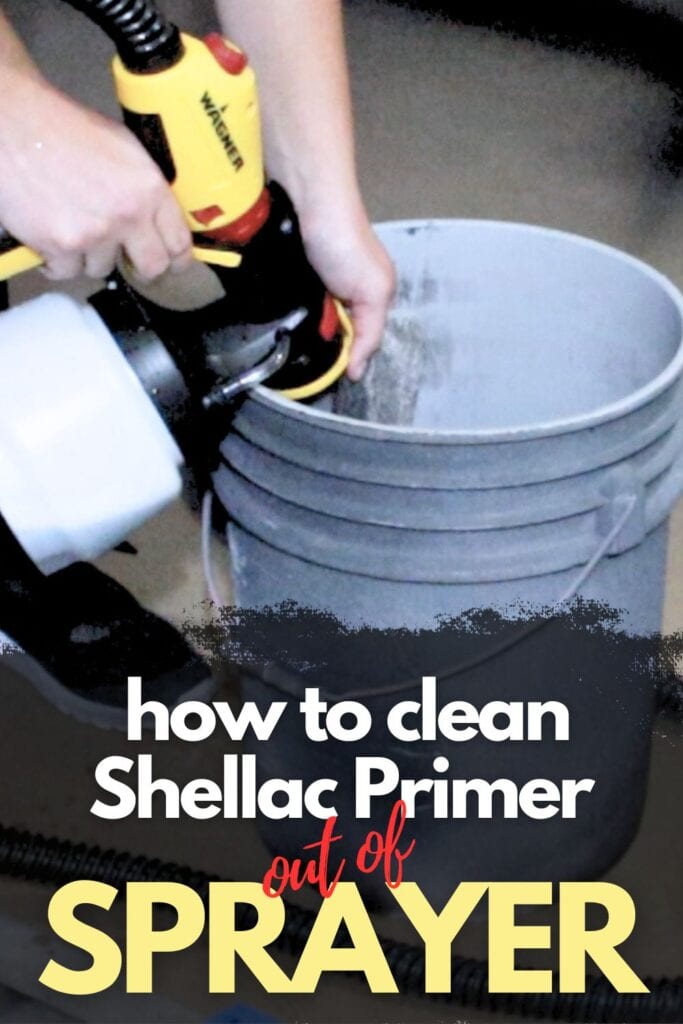
Check your sprayer’s manual before cleaning. Some seals and gaskets can be damaged by alcohol. In most cases, run denatured alcohol through the sprayer until the fluid runs clear. Disassemble and clean tips and filters separately.
Hands And Skin
If you get shellac primer on your skin, wipe off as much as possible with paper towels. Wash with soap and warm water. If residue remains, use a small amount of denatured alcohol on a rag, then rinse again. Moisturize your skin afterward.
Important: Do not use harsh solvents on your face or open cuts.
Floors And Hard Surfaces
Wipe up spills right away. For dried spots, soak with denatured alcohol, then scrub gently with a nylon pad. Avoid using on finished wood floors, as alcohol can remove the finish.
Clothing
Shellac primer is hard to remove from fabric. Blot up wet primer with paper towels—do not rub. Apply denatured alcohol and blot again. Wash separately in hot water with extra detergent. Some stains may not come out.
Common Mistakes To Avoid
Many people damage their tools or create hazards when cleaning shellac primer. Here are mistakes to watch for:
- Waiting Too Long: Shellac dries in minutes. Clean immediately for best results.
- Using Water: Water will not dissolve shellac primer.
- Using the Wrong Solvent: Only denatured alcohol, not mineral spirits or paint thinner, works for shellac.
- Pouring Solvent Down the Drain: This pollutes water and can harm pipes.
- Storing Brushes Wet: Causes rust and misshapen bristles.
- Ignoring Safety Gear: Solvents can irritate skin, eyes, and lungs.
Safety Tips When Cleaning Shellac Primer
- Always wear gloves and protective eyewear.
- Work in a well-ventilated space.
- Keep a fire extinguisher nearby; denatured alcohol is flammable.
- Store solvents in sealed, labeled containers, away from heat.
- Keep children and pets away from your workspace.
- If you feel dizzy or lightheaded, get fresh air immediately.
Choosing The Best Solvent For Cleaning
Not all alcohols are the same. Here is a comparison of common solvents used to clean shellac primer.
| Solvent | Effectiveness on Shellac Primer | Common Uses | Notes |
|---|---|---|---|
| Denatured Alcohol | Excellent | Cleaning brushes, thinning shellac | Strong fumes; most recommended |
| Isopropyl Alcohol | Moderate | Surface cleaning | Works in a pinch, not as strong |
| Mineral Spirits | Poor | Cleaning oil-based paint | Will not clean shellac |
| Ammonia Solution | Good (with alcohol) | Boosts cleaning power | Use with caution |

Credit: diy.stackexchange.com
How To Store And Reuse Cleaning Solvents
Many people throw out used denatured alcohol, but you can reuse it and save money. After cleaning, let the container sit undisturbed for several hours. Solid shellac will settle at the bottom. Carefully pour the clear alcohol into a new container.
Label it “Used Denatured Alcohol—For Cleaning Only. ” Discard the solid waste at a hazardous waste center.
Never store solvents in food containers. Always keep out of reach of children.
Cleaning Large Paint Tools
If you use larger tools like extension rollers or pads, you will need a bigger container for soaking. Consider using a 5-gallon bucket. Clean in the same way, but change the alcohol more often. For paint pads, rinse and soak until the pad is white again.
Let all large tools dry completely before storing.
Cleaning After Shellac Primer Spraying
Spraying shellac primer can save time, but cleaning up afterward takes care. Always clean your sprayer right after use. Run at least a quart of denatured alcohol through the machine. Disassemble the tip and soak in alcohol. Scrub all surfaces with an old toothbrush.
Reassemble only when dry.
Pro tip: Keep extra gaskets and seals on hand, as alcohol can dry out rubber parts.
Comparing Cleanup: Shellac Primer Vs. Other Primers
How does cleaning shellac primer compare to cleaning other types? See the breakdown below:
| Primer Type | Cleanup Solvent | Ease of Cleaning | Health Risks |
|---|---|---|---|
| Shellac-Based | Denatured alcohol | Moderate | High (strong fumes) |
| Oil-Based | Mineral spirits | Easy-Moderate | Moderate (fumes, skin) |
| Latex (Water-Based) | Soap and water | Very easy | Low |
Insight: Shellac primer gives the best stain-blocking but is the hardest to clean up. Always plan ahead.
Extra Tips For Saving Brushes And Rollers
- If you must pause during a project, wrap your brush tightly in plastic wrap or aluminum foil. This keeps it from drying out for a few hours.
- Never let shellac primer dry on your tools. It becomes nearly impossible to remove.
- Use high-quality brushes with natural bristles for shellac primer—they hold up better to alcohol.
- Label one set of tools for shellac primer only. This avoids cross-contamination with other paints.
Dealing With Dried Shellac Primer
If you forgot to clean your tools and the shellac has dried, do not panic. Place the brush or roller in a container of denatured alcohol and let it soak overnight. Use a brush comb to loosen the bristles. Repeat as needed.
Sometimes, brushes cannot be saved if the primer is fully hardened.
For dried primer on surfaces, gently scrape with a plastic putty knife, then use alcohol and a scrub pad. Avoid using sharp blades, as they can scratch surfaces.
Credit: arayofsunlight.com
How Often Should You Clean During A Project?
If you are painting a large area, rinse your brushes every 30–60 minutes. This prevents buildup and keeps bristles flexible. For sprayers, flush with alcohol every few hours to prevent clogs.
A common beginner mistake is waiting until the end of the day to clean. Frequent rinsing saves time and extends the life of your tools.
Environmental Considerations
Solvents like denatured alcohol are hazardous to the environment if not disposed of properly. Never pour them down drains or into the soil. Many cities offer hazardous waste collection days. For more information, check with your local waste authority or visit the EPA’s guidelines on hazardous waste disposal.

Credit: store.southernpaintandsupply.com
When To Replace Instead Of Clean
Sometimes, cleaning is not worth the effort. If your brush is hard, the bristles are splayed, or the roller is matted, it may be time to replace them. For small projects, disposable brushes are a practical choice. For large jobs or professional work, invest in quality tools and clean them after every use.
Real-world Example
Sarah, a homeowner in Chicago, tried using shellac primer to cover smoke stains in her kitchen. She did not clean her brushes right away, thinking she could use water later. The next day, her brushes were stiff and useless. After learning about denatured alcohol, she was able to save her roller and avoid buying new tools for her next project.
Lesson: Act fast, use the right solvent, and always read the product label.
Health Risks And First Aid
Denatured alcohol can irritate your skin and eyes, and breathing the fumes may cause headaches or dizziness. Always use in a ventilated area and wear gloves and goggles.
If you spill denatured alcohol on your skin, wash with soap and water. If it gets in your eyes, flush with water for 15 minutes and seek medical help. If you swallow any, call poison control right away.
Alternatives To Denatured Alcohol
Some people ask if they can use isopropyl (rubbing) alcohol. While it can work in a pinch, it is less effective than denatured alcohol. Acetone and lacquer thinner can also clean shellac primer, but they are harsher and more toxic.
Always check the label of your shellac primer for recommended cleaners.
The Cost Of Cleaning Vs. Replacing Tools
Is it cheaper to clean or replace your tools? For small brushes and rollers, buying new ones may cost only a few dollars. For professional-grade brushes, cleaning is worth it. Denatured alcohol can be reused several times if you let the solids settle.
Pro insight: High-quality brushes can last for years with proper cleaning, saving you money in the long run.
Troubleshooting: If Cleaning Did Not Work
If your brush is still sticky after cleaning, try soaking again in fresh denatured alcohol. Scrub with a brush comb, rinse, and wash with soap and water. Repeat if needed.
If your roller is still stiff, it may be too late to save it. Use disposable covers for shellac primer to avoid this problem.
Cleaning Up After Shellac Primer Projects: A Final Checklist
- Wear gloves and safety glasses.
- Work in a well-ventilated area.
- Wipe off excess primer immediately.
- Soak tools in denatured alcohol.
- Scrub with a brush comb if needed.
- Rinse in fresh alcohol.
- Wash with soap and water.
- Let tools dry fully before storing.
- Dispose of used solvent responsibly.
Where To Find More Information
For a deeper look at shellac primer and its cleanup, see the Wikipedia page on shellac.
Frequently Asked Questions
What Is The Best Solvent For Cleaning Shellac Primer?
Denatured alcohol is the top choice for cleaning shellac primer. It dissolves the resin quickly and completely. Isopropyl alcohol can work but is less effective.
Can I Use Mineral Spirits To Clean Shellac Primer?
No. Mineral spirits are for oil-based paints and will not dissolve shellac primer. Always use denatured alcohol or a recommended shellac solvent.
How Do I Remove Shellac Primer From My Hands Safely?
Wipe off as much primer as possible, then wash with soap and water. If needed, use a small amount of denatured alcohol on a rag, then rinse again. Moisturize your skin afterward.
Is It Safe To Pour Used Denatured Alcohol Down The Drain?
No, it is not safe or environmentally friendly. Collect used solvent in a sealed container and take it to a hazardous waste disposal facility.
What Should I Do If Shellac Primer Dries On My Brush?
Soak the brush in denatured alcohol overnight. Use a brush comb to loosen the bristles. If the primer will not come out, the brush may be ruined.
Cleaning shellac primer takes care, but with these steps, you can protect your tools, your health, and your workspace. Always work safely and act quickly, and you will get the best results from your shellac primer projects.