
Raising a ceiling height can transform a space, making rooms feel larger, brighter, and more modern. Many homeowners dream of higher ceilings, but find their homes limited by standard wall framing. Extending wall framing to lift your ceiling is a complex project, but it’s possible with the right planning, knowledge, and care.
If you want to maximize your home’s vertical space, understanding the structural, practical, and safety details is crucial before you get started.
This article will walk you through everything you need to know about extending wall framing to raise ceiling height—from preparation, design, and engineering, to practical steps, cost considerations, and common mistakes. Whether you’re planning to DIY or hire a professional, you’ll find guidance to make confident decisions and avoid expensive errors.
Why Homeowners Raise Ceiling Height
Many people wonder if raising a ceiling is worth the effort. The answer depends on your goals and the structure of your house. Here are the main reasons homeowners consider this change:
- Modern look: High ceilings create a sense of openness and can increase property value.
- Natural light: Taller walls allow for larger windows, bringing in more sunlight.
- Better air flow: Extra vertical space can help with ventilation and comfort.
- Design flexibility: Raised ceilings allow for new lighting, fixtures, and even lofts.
- Resale value: Homes with higher ceilings often sell for more in competitive markets.
However, raising a ceiling is not a minor renovation—it’s a significant structural change. You must consider permits, engineering, costs, and the effect on your home’s envelope.
Understanding Wall Framing And Ceiling Structures
Before starting, you need to understand how your walls and ceilings are built. In most US homes, wall framing uses 2×4 or 2×6 studs spaced 16 or 24 inches apart. The ceiling is usually framed with joists, which also support the attic or upper floor.
There are several common ceiling types:
- Flat ceiling: Standard horizontal ceiling, supported by joists.
- Vaulted ceiling: Angled or arched, follows the roof shape.
- Cathedral ceiling: Runs parallel to the roofline with open rafters.
Raising a ceiling can mean changing the position of the ceiling joists, extending walls upward, or even removing part of the attic floor. Each structure needs different techniques and planning.

Credit: diy.stackexchange.com
Can You Raise Your Ceiling? Assessing Feasibility
Not every house is suitable for raising the ceiling. Here’s how to check if you can extend your wall framing safely:
- Roof type: Houses with truss roofs are harder to modify than those with rafter roofs.
- Existing attic space: More attic space means more room to raise the ceiling.
- Load-bearing walls: You must know which walls carry structural loads.
- Mechanical systems: Check for HVAC, plumbing, and electrical lines in the attic.
- Building codes: Local rules may limit ceiling changes.
A structural engineer or experienced contractor can help with an assessment. Never start demolition without a professional inspection.
Planning The Project: Design, Permits, And Budget
Every successful framing extension begins with detailed planning. Here’s how to get ready:
Designing Your New Ceiling
Work with an architect or designer to create a plan that fits your home’s style and structure. Decide:
- How much to raise the ceiling (commonly 1-4 feet)
- Whether to create a flat, vaulted, or cathedral ceiling
- How to deal with existing windows, doors, and rooflines
Tip: Drawings and 3D models help you visualize the changes and spot problems early.
Permits And Regulations
You must get building permits before altering structural framing. Cities require detailed plans and inspections at key steps. This protects your safety and ensures the project meets code.
Permits usually cost $500–$2,000, depending on location and project size.
Budgeting For The Work
Raising a ceiling is expensive. Costs include:
- Engineering and design fees
- Demolition and disposal
- New framing lumber
- Roof and insulation work
- Electrical, HVAC, and plumbing adjustments
- Drywall, paint, and finishes
The total cost is often $18,000–$60,000 or more for a single room. Complex layouts, older homes, or unexpected repairs can increase costs.
Non-obvious insight: Don’t forget the cost of temporary relocation if your home will be unlivable during construction.
Step-by-step: How To Extend Wall Framing To Raise Ceiling Height
Let’s break down the process, so you understand each stage. Some steps are best handled by professionals, but knowing the sequence helps you plan and communicate.
1. Prepare The Area
- Remove furniture, decorations, and valuables from the room.
- Protect floors and surfaces with drop cloths.
- Shut off power and water in the work area.
2. Demolition
- Carefully remove drywall or plaster from the walls and ceiling.
- Take down ceiling joists and any non-load-bearing partitions.
- Dispose of debris safely.
Important: Do not remove load-bearing walls or supports without shoring up the structure. This can cause collapse.
3. Temporary Support
Install temporary supports such as adjustable steel posts or wooden beams to hold up the roof while you work. This step is critical for safety.
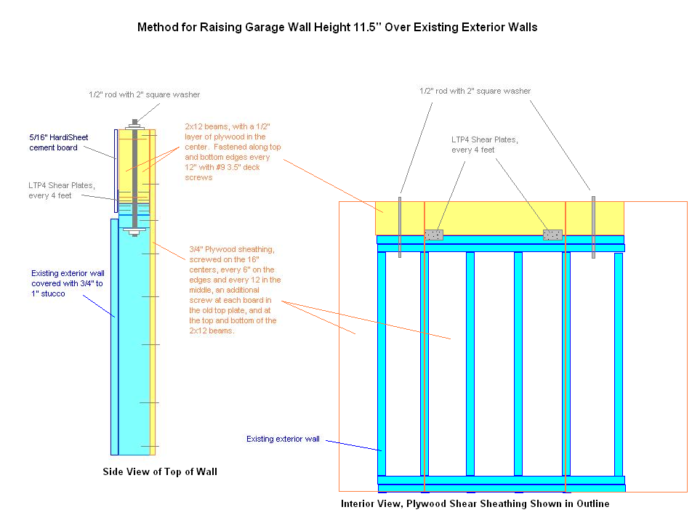
4. Extend Wall Framing
- Cut existing studs at the top, as close to the top plate as possible.
- Attach new, longer studs or framing extensions (called “stud splices” or “sister studs”) to the old ones. Nail or bolt them securely.
- Raise the top plate to the new height, using a laser level for accuracy.
- Secure the new top plate to the wall extensions.
Non-obvious insight: Use metal plates or engineered connectors at joints for greater strength. Don’t rely on nails alone.
5. Adjust The Roof Structure
- If you’re keeping a flat ceiling, install new ceiling joists at the higher level.
- For a vaulted or cathedral ceiling, adjust rafters and add collar ties or ridge beams as needed.
- Modify the roof sheathing and framing to match the new ceiling shape.
Tip: Always consult an engineer for rafter and roof modifications. Roof loads are complex and mistakes are costly.
6. Update Insulation And Ventilation
- Add or replace insulation in the ceiling and walls to meet code.
- Ensure proper ventilation (ridge vents, soffit vents) to prevent moisture problems.
7. Move Or Upgrade Mechanical Systems
- Reroute any ductwork, wiring, and plumbing that runs through the old ceiling.
- Update lighting and electrical outlets as needed.
- Upgrade HVAC systems to handle the larger volume of air, if necessary.
8. Install Drywall And Finishes
- Hang new drywall on walls and the raised ceiling.
- Tape, mud, sand, and paint for a smooth finish.
- Add trim, moldings, and fixtures.
9. Final Inspection
- Schedule a final inspection with your building department.
- Check for code compliance, safety, and workmanship.
Once you pass inspection, you can move back in and enjoy your higher ceiling.
Key Materials And Tools You’ll Need
Having the right materials and tools makes the job smoother and safer. Here are the essentials:
- 2×4 or 2×6 lumber (for framing)
- Engineered connectors (hurricane ties, metal plates)
- Nails, screws, bolts
- Pry bars, hammers, saws
- Laser level
- Adjustable steel posts (for temporary support)
- Drywall sheets and finishing tools
- Insulation batts or spray foam
- Safety gear (goggles, hard hat, gloves)
Tip: Renting specialized tools is often cheaper and safer than buying them for a one-time job.
Comparing Ceiling Raising Approaches
There are several ways to raise a ceiling. Your choice depends on your home’s structure and your goals. Here’s a comparison:
| Method | Best For | Complexity | Cost | Common Risks |
|---|---|---|---|---|
| Raising Ceiling Only | Attic space above, simple roof | Medium | $$ | Ceiling sag, HVAC rerouting |
| Extending Wall Framing | Need higher walls, modern look | High | $$$ | Structural errors, wall cracks |
| Vaulting Ceiling | Sloped roof, dramatic style | Very High | $$$$ | Roof leaks, insulation gaps |
Dollar signs indicate relative cost.
Safety Considerations And Common Mistakes
Working on structural framing is risky. Here’s how to stay safe and avoid expensive errors:
- Never remove load-bearing walls without a support plan.
- Don’t skip temporary supports. Roofs can collapse during work.
- Always get permits. Unpermitted work can void insurance and lower resale value.
- Hire professionals for engineering, electrical, and HVAC changes.
- Check for asbestos or lead in older homes before demolition.
Common Mistakes To Avoid
- Underestimating the project: Raising a ceiling is not like adding a shelf—it affects the whole structure.
- Cutting corners on engineering: Weak framing or improper connectors can cause cracks, sagging, or collapse.
- Ignoring insulation and HVAC: A higher ceiling changes air flow and energy needs.
- Poor finish work: Crooked drywall or visible seams ruin the look.
- Not planning for electrical/plumbing: Moving wires and pipes adds cost and complexity.

Credit: www.youtube.com
Cost Breakdown: Where The Money Goes
Here’s a closer look at where your budget is spent:
| Item | Low Estimate | High Estimate | Notes |
|---|---|---|---|
| Design/Engineering | $2,000 | $8,000 | Mandatory for permits |
| Demolition/Disposal | $1,000 | $3,000 | Depends on room size |
| Framing Materials | $3,000 | $8,000 | Lumber, connectors |
| Roof Work | $4,000 | $12,000 | For vault or new joists |
| Mechanical Systems | $1,500 | $6,000 | HVAC, plumbing, electrical |
| Drywall & Finish | $2,000 | $6,000 | Walls, ceiling, paint |
| Permits/Inspections | $500 | $2,000 | City/county fees |
| Contingency | $2,000 | $5,000 | For surprises |
Always keep a contingency fund of at least 15–20% for unexpected issues.
Should You Diy Or Hire A Contractor?
Some experienced DIYers can handle parts of this project, but extending wall framing is almost always a job for professionals. Here’s why:
- Structural risks: Mistakes can cause collapse or code violations.
- Permitting: Cities require licensed contractors for framing changes.
- Insurance: DIY work may void your coverage if something goes wrong.
- Complexity: Moving HVAC, electric, and plumbing needs expert skills.
You can save money by doing demolition, painting, or cleanup, but leave framing and roof work to the pros.
Real-world example: In 2022, a homeowner in Denver hired a contractor to raise their 9-foot ceiling to 12 feet. The process took 5 weeks and cost $39,000, but added $55,000 in home value. They reported better light and a more open feel.
How To Choose The Right Contractor
Picking the right professional can make or break your project. Here’s what to look for:
- Experience with structural changes: Not all contractors do framing extensions.
- Licensed and insured: Ask for proof and check with your local authority.
- References and past work: Visit completed projects if possible.
- Clear contract and timeline: Make sure all details are in writing.
- Warranty and follow-up service: Good contractors stand by their work.
Ask for at least three bids and compare not just price but also experience, materials, and schedule.
Timeline: How Long Does Raising A Ceiling Take?
The length of the project depends on size and complexity, but here’s a typical timeline:
| Phase | Duration | Details |
|---|---|---|
| Design/Permits | 2–6 weeks | Plans, approvals, inspections |
| Demolition | 2–5 days | Remove old drywall, joists |
| Framing/Structure | 1–2 weeks | Wall extensions, roof changes |
| Mechanical Updates | 3–7 days | HVAC, plumbing, electric |
| Insulation/Drywall | 3–5 days | Hang, mud, sand, paint |
| Final Inspection | 1–3 days | City sign-off |
Expect 4–8 weeks for most projects, plus extra time for surprises.
Credit: www.finehomebuilding.com
Energy Efficiency And Comfort After Raising The Ceiling
A higher ceiling changes how your home feels and performs. Here’s what to consider:
- Heating and cooling: Warm air rises, so rooms can feel cooler in winter and warmer in summer. You might need to adjust vents or add ceiling fans.
- Insulation: Good ceiling insulation is even more important to prevent energy loss.
- Lighting: Higher ceilings need brighter or more focused lighting. Consider LED fixtures to save energy.
Tip: Ask your contractor about adding smart thermostats or zoned HVAC to control comfort and costs.
Final Steps: Inspection, Clean-up, And Enjoyment
Once the work is done:
- Schedule a final city inspection. Only move in once you’ve passed.
- Clean up dust, debris, and leftover materials.
- Enjoy your new space! High ceilings give you room to experiment with lighting, paint, and decor.
Remember to keep all permits, plans, and receipts for future resale or insurance claims.
Frequently Asked Questions
What Is The Cheapest Way To Raise A Ceiling?
The lowest-cost method is to remove ceiling joists to create a vaulted ceiling—if your roof structure allows it. Simply raising the entire wall framing is more expensive because it involves more labor and materials. Always consult a pro to find the safest, most affordable solution for your home.
Do I Need An Architect Or Engineer For This Project?
Yes. Any time you change structural framing, you need plans by an engineer or architect. Most building departments require stamped drawings to issue a permit. This ensures the work is safe and meets code.
How Much Value Does A Raised Ceiling Add To A Home?
On average, homes with higher ceilings sell for 5–10% more than similar homes with standard ceilings. The exact value boost depends on your market, the quality of the work, and buyer preferences. Well-done ceiling raises are highly desirable in modern homes.
Can I Live In My House During Construction?
It depends on the project size. For a single room, you might stay elsewhere in the house. If the work affects the main living areas or removes the roof, you’ll need to move out for a few weeks. Always discuss this with your contractor before starting.
Where Can I Learn More About Building Codes For Ceiling Changes?
You can find detailed building code information at the International Code Council. Your local city or county website also has code guides and permit info.
Raising your ceiling is a big investment, but it can totally change the look and feel of your home. With careful planning, the right team, and smart decisions, you’ll enjoy a space that feels truly new—every time you walk in.