
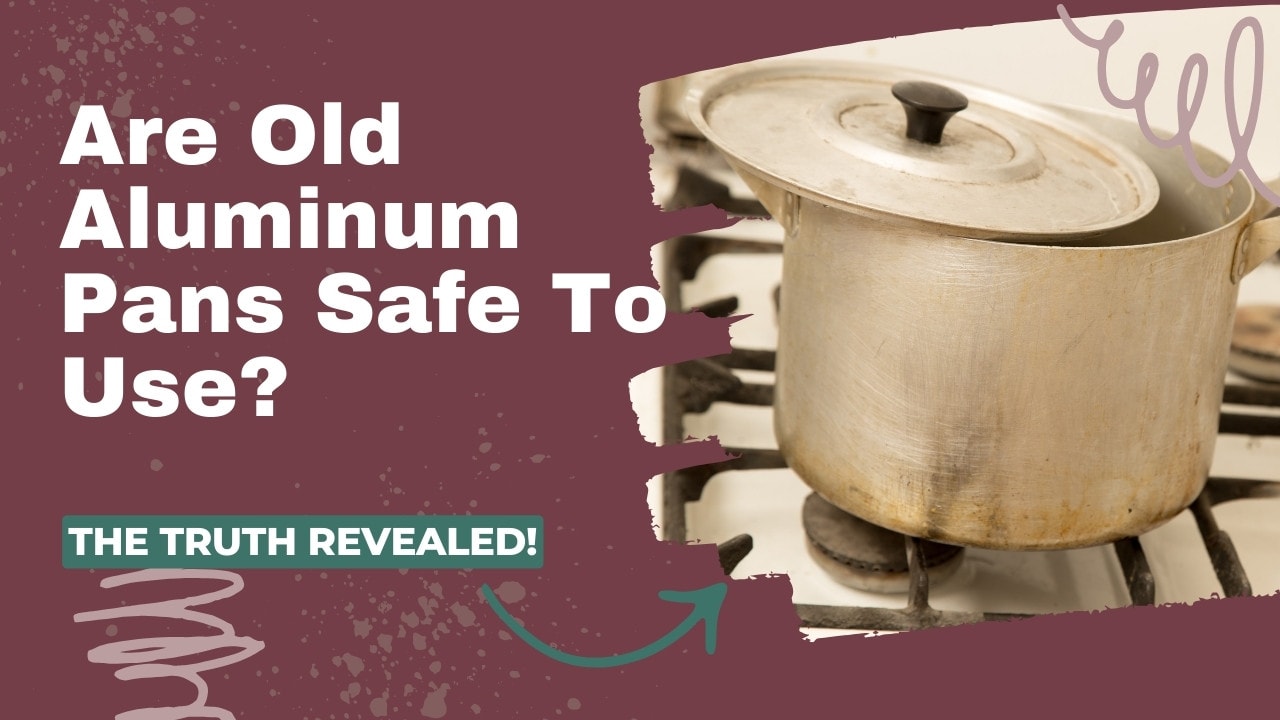
Are Discolored Aluminum Pans Safe To Use?
Aluminum pans are a staple in many kitchens worldwide. They’re lightweight, affordable, and conduct heat well, making them a top choice for both home cooks and professionals. However, after a few uses, you might notice that your once shiny aluminum pan now looks dull or has strange colors—maybe gray, dark, or even rainbow-like stains.
This can be worrying, especially if you’re concerned about food safety or your family’s health.
So, are discolored aluminum pans safe to use? This question is more common than you may think. Discoloration is confusing because it looks like damage, but sometimes it’s just a cosmetic change. Many cooks wonder if they should throw out these pans or if they’re still good for everyday use.
In this in-depth article, you’ll learn exactly why aluminum pans change color, when it’s just a harmless stain, and when you should be cautious. You’ll also discover how to clean, prevent, and care for aluminum pans, plus what science says about aluminum exposure.
Whether you’re a beginner or an experienced cook, this guide will help you make safe and smart decisions in your kitchen.
Why Do Aluminum Pans Become Discolored?
Understanding the reasons behind aluminum pan discoloration is the first step. Aluminum is a reactive metal, and several things can change its appearance.
1. Natural Oxidation
When aluminum meets oxygen in the air, it forms a thin layer of aluminum oxide. This layer protects the pan from further damage but often makes the surface look dull or gray.
- Is this bad? No. It’s a normal process and actually protects the pan.
2. Reaction With Acidic Or Alkaline Foods
If you cook tomatoes, lemon juice, or vinegar in your pan, or use baking soda to clean it, the aluminum can react and change color. Sometimes, you’ll see dark spots, streaks, or even a rainbow shine.
- Example: Cooking tomato sauce in an aluminum pan may leave gray marks or pitting.
3. Dishwasher Damage
Dishwashing detergents are often alkaline and harsh on aluminum. Hot water and chemicals can strip away the oxide layer, causing white, chalky spots or a cloudy finish.
- Insight: Aluminum pans are almost always labeled as hand-wash only for this reason.
4. High Heat And Overheating
If you heat an empty pan or leave it on a burner too long, the aluminum can develop dark blue, brown, or black stains. These colors come from the metal changing at a microscopic level.
5. Contact With Other Metals
If aluminum touches copper, iron, or steel in wet conditions, it can develop stains due to galvanic corrosion. This often looks like black or gray smudges.
6. Hard Water And Mineral Deposits
Water with lots of minerals (like calcium or magnesium) can leave white spots or streaks on your pan after washing and drying.
Non-obvious insight: Not all stains are from food or heat—sometimes, even your tap water is to blame.
Is Discoloration Dangerous? Science Vs. Kitchen Myths
Seeing stains or color changes on cookware can feel alarming, but does discoloration mean your aluminum pan is unsafe?
What Science Says
Most discoloration on aluminum pans is not dangerous. The stains are usually from surface reactions that do not release dangerous chemicals or metals into your food.
- Aluminum oxide layer: This natural coating is stable and does not dissolve easily in most foods.
- Food safety studies: According to the US Food & Drug Administration (FDA), normal use of aluminum cookware is safe for food preparation.
When To Worry
There are a few rare cases when discoloration may signal a problem:
- Pitting corrosion: If the pan has deep pits or holes, aluminum may leach into acidic foods in higher amounts.
- Damaged nonstick coating: If your pan is coated with nonstick material (like Teflon) and it’s peeling, that’s a bigger concern than simple discoloration.
- Stripped or rough surface: If the pan feels rough, chalky, or has a powdery residue that transfers to your hand, it might not be safe for cooking.
Non-obvious insight: Discoloration is often ugly but rarely means you’re at risk. Real danger comes from severe pitting, deep scratches, or damaged coatings.
Common Myths Busted
- Myth: All aluminum stains mean toxic metal is in your food.
- Fact: Most stains are just surface changes and don’t affect safety.
- Myth: Any change in color means the pan is ruined.
- Fact: Most discoloration is cosmetic and doesn’t harm performance.
Types Of Aluminum Pans And Their Safety
Not all aluminum cookware is the same. The type of pan matters when considering safety and discoloration.
1. Bare Aluminum Pans
These are made of pure aluminum, with no coating. They’re cheap, light, and heat up fast.
- Discoloration: Common, especially with acidic foods or dishwasher use.
- Safety: Usually safe unless there’s deep pitting or powdery residue.
2. Anodized Aluminum Pans
Anodizing is a process that makes the surface harder, less reactive, and often darker in color.
- Discoloration: Less common, but not impossible. Usually more resistant to stains.
- Safety: Very safe, as the anodized layer is stable and non-reactive.
3. Nonstick-coated Aluminum Pans
These have a layer of nonstick material (like Teflon) over the aluminum.
- Discoloration: If the nonstick layer is intact, stains are rare. If it’s scratched, the underlying aluminum can show.
- Safety: If the nonstick is peeling or damaged, replace the pan.
4. Enameled Or Painted Aluminum
Some pans have a colored enamel or paint over the aluminum.
- Discoloration: Usually only happens if the coating chips or cracks.
- Safety: If the enamel is intact, the pan is safe. If chipped, food can contact bare aluminum.
Tip: If you have an older pan and aren’t sure if it’s anodized or coated, check the manufacturer’s information or look for labels.
How Discoloration Affects Cooking And Taste
You might wonder if stains or color changes affect how your food cooks or tastes.
Heat Distribution
Discoloration rarely changes how well your pan heats up. However, a thick layer of burnt-on stains can create hot spots.
Food Reaction
If the pan has a rough or pitted surface, acidic foods might react more, causing a metallic taste. This is rare but can happen with older pans.
Appearance
Stains don’t look nice, but they don’t make your food unsafe or taste bad in most cases.
Practical example: If you make scrambled eggs in a grayish pan, they’ll look and taste the same as eggs made in a shiny one, unless the pan is damaged.
How To Clean And Restore Discolored Aluminum Pans
If you want your pans to look better, you can often clean away stains. Here’s how to do it safely.
Safe Cleaning Steps
- Hand wash only: Use warm water, mild dish soap, and a soft sponge.
- Remove stuck food: Soak with hot water for 10–15 minutes first.
- For dark stains: Boil a mixture of water and a few tablespoons of cream of tartar or lemon juice in the pan. Let it cool, then scrub gently.
- For chalky residue: Rub with a bit of white vinegar, then rinse well.
- Dry immediately: Prevents water spots and further stains.
Never: Use steel wool, abrasive pads, or bleach—these can scratch or damage the pan.
Homemade Cleaning Solution
Mix 2 tablespoons of cream of tartar (or baking soda) with 1 quart of water. Bring to a boil in the pan, let it simmer for 10 minutes, then wash and dry.
What To Avoid
- Dishwasher: It can ruin the surface and cause permanent stains.
- Abrasive cleaners: These make the surface rough and more likely to stain in the future.
When Cleaning Isn’t Enough
If stains are very deep or the surface feels rough no matter what you do, it’s probably time to replace the pan.
How To Prevent Discoloration In Aluminum Pans
Prevention is easier than cleaning, and a few habits can keep your pans looking better for longer.
1. Always Hand Wash
Rinse pans after each use and wash with a soft sponge and mild soap. Avoid soaking for long periods.
2. Dry Immediately
Water spots and minerals cause stains. Dry with a towel right after washing.
3. Avoid Acidic Or Alkaline Cleaners
Don’t use bleach, oven cleaners, or strong acids/bases. Stick to gentle products.
4. Limit High Heat
Don’t preheat empty pans or use them on very high settings unless necessary.
5. Use Nonstick Cooking Spray Wisely
Sprays can leave sticky residue that’s hard to clean and can discolor over time.
6. Store Properly
Keep pans dry and avoid stacking them directly on top of other metal cookware.
Non-obvious insight: Even cheap felt pan protectors or a simple cloth between pans can prevent scratches and stains.

Credit: www.reddit.com
Aluminum Exposure: What Does The Research Say?
Many people worry about aluminum leaching into food. Here’s what scientific studies actually show.
How Much Aluminum Gets Into Food?
- Normal cooking: Small amounts of aluminum can transfer into food, especially acidic dishes like tomato sauce.
- Daily intake: The average adult eats about 7–9 mg of aluminum per day from food, water, and cookware.
- Health guidelines: The World Health Organization (WHO) suggests up to 40 mg per kilogram of body weight per week is safe for adults.
Does It Cause Disease?
- Alzheimer’s disease: Studies have found no strong link between normal aluminum exposure and Alzheimer’s. Most scientists believe cookware is not a risk factor.
- Other health risks: Long-term, high-level exposure (from industrial sources, not cookware) can be harmful, but this is rare in home kitchens.
Key point: Cooking with aluminum pans, even if discolored, does not significantly increase your risk of health problems if the pan is in good condition.
Who Should Be More Careful?
- People with kidney disease: They may have trouble removing aluminum from the body and should limit exposure.
- Infants: Baby formula should not be prepared or stored in aluminum pans.
For more in-depth data on aluminum safety, you can read the research on CDC Aluminum Topic Page.
Comparing Aluminum With Other Cookware Materials
Understanding how aluminum stacks up against other types of cookware can help you decide what’s best for your kitchen.
Here’s a quick comparison:
| Material | Discoloration Risk | Reactivity | Typical Lifespan | Maintenance Needed |
|---|---|---|---|---|
| Aluminum (bare) | High | Moderate | 5–10 years | Medium |
| Anodized Aluminum | Low | Low | 10–20 years | Low |
| Stainless Steel | Low | Very low | 20+ years | Low |
| Cast Iron | Moderate (rust) | Low | 20+ years | High |
| Nonstick (Aluminum base) | Low until coating fails | Very low | 3–5 years | Low |
Key takeaway: Bare aluminum pans discolor more easily than stainless steel or anodized pans but are usually safe if kept in good condition.

Credit: ghurairproperties.com
When Should You Replace A Discolored Aluminum Pan?
It’s normal for pans to look used, but sometimes it’s better to buy a new one. Here’s how to know.
Warning Signs
- Deep pits or holes: These can let more aluminum into your food, especially with acidic dishes.
- Powdery surface: If your finger comes away with a white or gray powder after touching the pan.
- Cracks or warping: These can make cooking uneven and unsafe.
- Peeling nonstick or enamel coating: This is a health hazard.
Acceptable Wear
- Minor scratches or surface stains are usually fine.
- Slight color changes (gray, rainbow, or dull) are not a problem if the pan feels smooth.
Practical Example
A pan that’s dark gray but smooth is safe. A pan with white, powdery spots that never wash away should be replaced.
How Professional Chefs Handle Discolored Aluminum Pans
Professional kitchens use aluminum pans every day, and discoloration is common. Here’s what the pros do:
- Keep using them: As long as the pan is clean, smooth, and not pitted, chefs keep using them, even if they look stained.
- No dishwashers: Pro kitchens never put aluminum pans in dishwashers.
- Regular seasoning: Some chefs rub a little oil into pans after washing, which helps prevent stains.
- Replace when pitted: When pans get deeply pitted or warped, they’re replaced.
Non-obvious insight: Many chefs see a “seasoned” or stained aluminum pan as a sign of experience and good cooking!
What If Food Changes Color In Aluminum Pans?
Sometimes, food cooked in aluminum pans can turn gray or have a strange color, especially with eggs, rhubarb, or spinach. This is due to a reaction between the food and the metal, especially if the pan is new or recently cleaned.
Is This Safe?
Yes, the color change is usually harmless. If you don’t like the look or taste, use anodized aluminum, stainless steel, or nonstick pans for those foods.
How To Avoid
- Pre-boil acidic foods: Briefly boiling high-acid foods in water before cooking can reduce reactions.
- Use seasoned pans: Slightly “used” pans react less than brand new, shiny aluminum.
How To Tell If Your Aluminum Pan Is Anodized Or Bare
Many people aren’t sure what type of aluminum pan they own. Here’s how to check:
- Color: Anodized pans are usually darker gray or black, while bare aluminum is silver or light gray.
- Surface: Anodized pans feel smoother, almost like glass, and don’t scratch easily.
- Weight: Anodized pans are sometimes slightly heavier due to the coating.
- Label: Look for words like “hard-anodized” on the bottom or side.
Credit: theskillfulcook.com
Environmental Impact: Reusing Vs. Replacing Aluminum Pans
Throwing out old pans has an environmental cost. Aluminum is recyclable, but reusing a pan as long as it’s safe is better for the planet.
- Recycling: If you do replace your pan, check if your local recycling center accepts cookware.
- Repurposing: Old pans can be used as garden trays, craft organizers, or drip catchers.
Pro tip: Never burn or melt aluminum pans at home—recycle them properly.
Summary: Are Discolored Aluminum Pans Safe?
- Most discolored aluminum pans are safe if they are smooth and not pitted or powdery.
- Discoloration is usually cosmetic and does not affect food safety.
- Replace pans if you see deep pits, cracks, or peeling coatings.
- Hand wash and dry pans to prevent stains.
- Don’t worry about minor stains or color changes—focus on overall pan condition.
By understanding the science and best practices, you can keep using your aluminum cookware with confidence.
Frequently Asked Questions
Is It Safe To Cook In A Dark Or Rainbow-colored Aluminum Pan?
Yes, as long as the pan is smooth and not deeply pitted or powdery, a dark or rainbow-colored aluminum pan is safe for cooking. The colors are usually surface changes from heat or cleaning, not signs of dangerous chemicals.
Can Aluminum Pans Cause Alzheimer’s Disease?
No, current scientific research does not support a link between using aluminum pans and Alzheimer’s disease. The amount of aluminum that leaches into food from cookware is very small and considered safe for healthy adults.
What Foods Should I Avoid Cooking In Aluminum Pans?
Avoid cooking very acidic foods, like tomato sauce, vinegar-based dishes, or citrus, in bare aluminum pans if you are concerned about metallic taste or slight discoloration in the food. Anodized or coated pans are better for these foods.
How Do I Restore The Shine To A Discolored Aluminum Pan?
Boil a mixture of water and a few tablespoons of cream of tartar or lemon juice in the pan, then scrub gently with a soft sponge. This can help remove stains and restore some shine, but deep discoloration is often permanent.
When Should I Throw Away An Aluminum Pan?
Replace your pan if you see deep pits, cracks, warping, or if it has a powdery or chalky residue that won’t wash off. Also, replace it if a nonstick or enamel coating is peeling.
With these facts, you can safely use your aluminum pans, even if they’re not as shiny as new. Remember, it’s the pan’s condition, not the color, that matters most for your health and good cooking.