
Keeping your Rowenta steamer clean is essential if you want your clothes to look fresh and your device to last longer. Many people use steamers because they are quick, easy, and remove wrinkles without damaging fabrics. But after a few uses, you might notice white spots, a strange smell, or less steam than before. This is often due to mineral buildup, leftover water, or lint inside the machine. Ignoring these problems can damage your steamer and even your clothes.
Most Rowenta steamer owners are not sure how to clean their device properly. Some are afraid they will break it, while others simply forget. Regular cleaning can prevent breakdowns, improve steam quality, and save you money on repairs or a new steamer.
If you clean your Rowenta steamer the right way, you’ll enjoy smooth steaming and longer life from your appliance.
This guide explains everything you need to know about how to clean Rowenta steamer models. You’ll learn which cleaning products are safe, how often you need to clean, and step-by-step instructions for every part of the device. Even if you’re new to steamers, you’ll find this process simple and easy to follow. By the end, you’ll feel confident that you can keep your Rowenta steamer in top shape.
Why Cleaning Your Rowenta Steamer Matters
A clean steamer works better and lasts longer. When you use tap water, minerals like calcium or magnesium can build up inside. This scaling blocks steam holes and can make your steamer spit water or stop working. Lint and fabric fibers can also clog the nozzle.
Over time, bacteria and mold may grow in leftover water, which can create bad smells or even cause health issues.
Ignoring cleaning means:
- Less steam production
- White stains or water spots on clothes
- Risk of electric problems or leaks
- Device life is much shorter
On the other hand, regular cleaning gives you:
- Strong, steady steam flow
- No strange smells or marks on clothes
- More years of use from your steamer
- Safer, healthier steaming
Many new users do not realize that even “self-clean” models need manual cleaning. They think the steamer will clean itself, but it only removes some minerals—not all dirt or bacteria. For top results, you should follow a full cleaning routine.
How Often Should You Clean A Rowenta Steamer?
How often you clean depends on how much you use your steamer and the type of water you use. If you use it daily or have hard water, you need to clean more often. Here’s a simple guide:
- Light use (once a week or less): Clean every 1-2 months.
- Medium use (2-3 times a week): Clean every month.
- Heavy use (daily or commercial): Clean every 2 weeks.
- Hard water area: Clean every 2 weeks, even with light use.
If you see white spots, less steam, or bad smells, clean your steamer right away. Using distilled water can help reduce the need for cleaning, but regular maintenance is still important.

Credit: www.services.rowentausa.com
Supplies And Tools You’ll Need
Before you start, gather the right supplies. Using the wrong products can damage your steamer. Here’s what you need:
- White vinegar – Natural and safe for removing mineral buildup.
- Distilled water – Prevents new minerals from entering the machine.
- Clean, soft cloth – For wiping the exterior and nozzle.
- Cotton swab or small brush – For cleaning steam holes and small areas.
- Measuring cup – To mix vinegar and water in correct amounts.
- Bowl or sink – To catch any water or vinegar that drains out.
- Toothpick (optional) – For unclogging tiny steam holes.
Never use strong chemicals, bleach, or abrasive pads. These can harm the metal or plastic parts inside your Rowenta steamer.
Step-by-step Guide: Cleaning The Rowenta Steamer
You don’t need to be an expert to clean your steamer. Just follow these steps carefully and take your time. If you’re not sure about your model, check the user manual for special instructions.
1. Unplug And Cool Down
Always unplug the steamer before cleaning. Wait until it is completely cool. Hot steamers can burn your skin, and electricity is dangerous around water.
2. Empty The Water Tank
Remove the water tank. Pour out any leftover water. This stops bacteria and mold from growing inside the tank. If your model has a removable tank, take it off. For built-in tanks, open the cap and tip the unit gently to drain.
3. Clean The Water Tank
Mix equal parts white vinegar and distilled water (for example, one cup of each). Pour the mixture into the water tank until it’s about half full.
- Shake the tank gently to let the solution reach all sides.
- Let it sit for 30–60 minutes. This breaks down mineral deposits.
- Pour out the solution and rinse the tank several times with distilled water.
If your tank is very dirty, repeat the process. Be sure there’s no vinegar smell left inside before using the steamer again.
4. Descale The Internal System
Descaling removes hidden mineral buildup inside the steamer. Here’s how to do it safely:
- Fill the tank with a half-and-half mix of white vinegar and distilled water.
- Reattach the tank to the steamer.
- Plug in the device and turn it on.
- Let the steamer heat up, then let it produce steam for about 5 minutes. This allows the vinegar solution to move through the internal system.
- Turn off and unplug the steamer. Let it cool for at least 30 minutes.
- Pour out any leftover solution.
- Rinse the tank and fill with distilled water. Run the steamer again for 5 minutes to flush out any vinegar.
This step ensures that all mineral buildup is dissolved and rinsed out. If you still see white flakes or poor steam, repeat the descaling.
5. Clean The Steam Nozzle
The steam nozzle can get clogged with minerals or fabric fibers. To clean:
- Use a cotton swab or small brush to gently scrub the nozzle holes.
- If a hole is blocked, carefully poke it with a toothpick, but do not force it (this can damage the nozzle).
- Wipe the outside with a damp, soft cloth.
If the nozzle is very dirty, soak a cotton swab in vinegar and use it to clean the area. Dry with a towel before using the steamer.
6. Wipe The Exterior
Dust, lint, and water spots can collect on the outside of your steamer. Wipe the full body with a soft, damp cloth. For tough stains, use a little mild dish soap, then wipe again with plain water. Do not let water get into the controls or power cord.
7. Clean The Hose (for Upright Models)
Some Rowenta steamers have a flexible hose. Lint and water can get stuck inside. Here’s how to clean it:
- Hold the hose upright and shake out any water.
- Run steam through the hose for a few minutes (after descaling) to clear buildup.
- If there’s an odor, disconnect the hose and rinse it with a vinegar-water mix. Dry it fully before reattaching.
8. Clean The Steam Plate Or Head
The steam plate touches your clothes, so keep it free of mineral spots or dirt.
- Wipe it with a damp cloth after every use.
- For tough buildup, use a vinegar-soaked cloth and gently scrub. Dry with a towel.
9. Check And Clean The Lint Filter (if Present)
Some models have a lint filter in the water tank or hose. Remove and rinse it under running water. Let it dry completely before putting it back.
10. Final Rinse And Dry
After all parts are clean, fill the tank with distilled water and run the steamer for 2–3 minutes. This removes any last traces of vinegar or dirt. Empty the tank and let the machine air dry before storing.
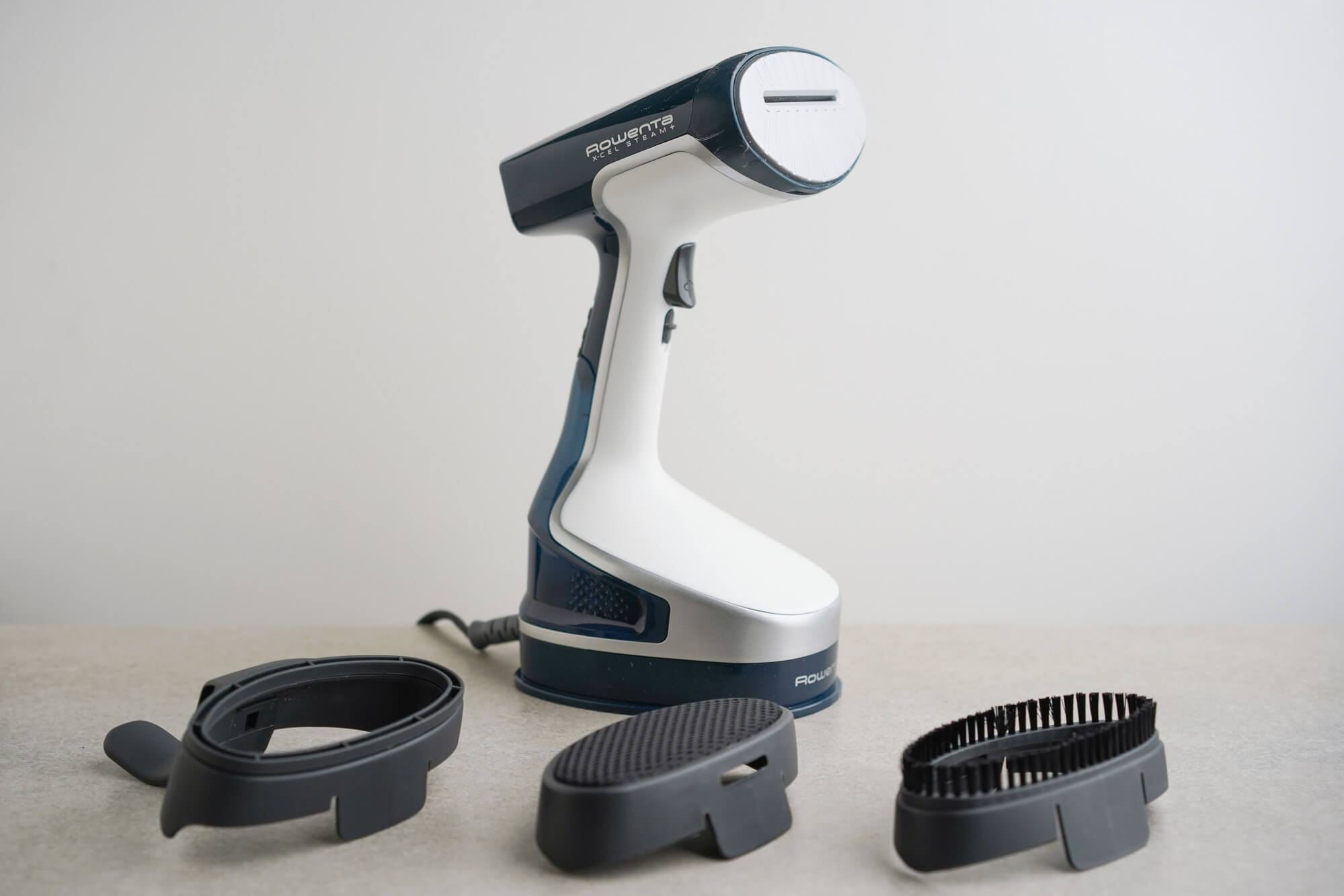
Credit: www.yourbestdigs.com
Extra Tips For Keeping Your Rowenta Steamer Clean
- Always empty the tank after each use. Standing water causes odors and bacteria.
- Use only distilled or demineralized water. Tap water contains minerals that build up quickly.
- Store your steamer in a dry place. Avoid damp bathrooms or laundry rooms.
- Clean the steamer more often if you see white flakes or notice reduced steam.
- Never use harsh chemicals or abrasive tools inside the machine.
- For new models with “anti-calc” or “self-clean” buttons, use these features—but still clean manually every few months.
What To Do If The Steamer Still Doesn’t Work
If you’ve cleaned your Rowenta steamer but still notice problems, try these steps:
- Check the power cord and plug for damage.
- Make sure the water tank is seated correctly.
- Inspect the steam holes and nozzle for clogs.
- Use only distilled water in future uses.
- Try descaling again, letting vinegar sit longer inside the machine.
If there’s still no steam or water leaks out, contact Rowenta customer support or visit their official help site for advice. Sometimes a professional repair is needed, especially if electrical parts are damaged.

Credit: www.services.rowentausa.com
Comparing Cleaning Needs: Tap Water Vs. Distilled Water
Using the right water type makes a big difference in how often you’ll need to clean your steamer. Here’s a look at the main differences:
| Water Type | Mineral Content | Cleaning Frequency | Device Lifespan |
|---|---|---|---|
| Tap Water | High (varies by location) | Every 2 weeks | Shorter (more buildup) |
| Distilled Water | Very Low | Every 1-2 months | Longer (less buildup) |
Non-obvious insight: Even if your tap water tastes fine, it may still have minerals that harm your steamer. Local water reports can tell you the hardness level.
How To Clean Specific Rowenta Steamer Models
Rowenta offers several popular steamer types: handheld, upright, and professional-grade. The basic cleaning steps are similar, but there are a few key differences to know.
Handheld Rowenta Steamers
These are small, portable, and have a built-in tank.
- Always unplug before cleaning.
- Use a small amount of vinegar solution—usually 1/4 cup is enough.
- Take extra care not to get water into the power base.
- Clean the steam plate more often, as it sits close to fabrics.
Upright Rowenta Steamers
These have larger tanks, long hoses, and wheels.
- Remove the tank and hose for easier cleaning.
- Check the base for lint traps or removable filters.
- Clean the steam head and hose as often as the tank.
- Upright models are often used more, so clean every 2 weeks.
Professional/commercial Rowenta Steamers
These are used in boutiques or dry cleaners.
- Follow the same steps, but you may need more vinegar for a larger tank.
- Clean the hose and head after every day of use.
- Inspect for scale buildup more often, as high usage speeds up mineral deposits.
Self-clean Or Anti-calc Models
Some Rowenta steamers have a self-clean or anti-calc button. This helps remove minerals, but does not clean the tank, hose, or nozzle. For best results:
- Use the self-clean feature monthly.
- Still do manual cleaning every 2–3 months for the tank, nozzle, and exterior.
Common Mistakes To Avoid When Cleaning
Even with the best intentions, mistakes can damage your steamer. Here are some of the most frequent errors:
- Using tap water after cleaning. This quickly adds new minerals.
- Forcing sharp objects into steam holes, which can scratch or break them.
- Not rinsing out vinegar. Leftover vinegar can cause strong smells or harm some fabrics.
- Storing with water inside. This grows bacteria and causes mold.
- Skipping regular cleaning because your device seems fine. Buildup happens slowly and can cause sudden failure.
Non-obvious insight: Some users try lemon juice instead of vinegar. While it can descale, lemon oil can leave sticky residue and worsen clogs. Stick with white vinegar for best results.
Troubleshooting: What If There’s Still A Problem?
If your steamer isn’t working after cleaning, check for these issues:
- No steam: Descale again, check for blockages, and use only distilled water.
- Leaking: Make sure all parts are dry and fitted correctly.
- Unusual smell: Rinse more times with distilled water. If the smell stays, repeat the cleaning.
- Steam is weak: Clean the nozzle and steam plate, and descale the system fully.
If none of these solutions work, contact Rowenta support or check their official support page for help.
Comparing Rowenta Steamer Cleaning To Other Brands
How does cleaning a Rowenta steamer compare to other popular brands? Here’s a simple overview:
| Brand | Cleaning Frequency | Self-Clean Feature | Water Type Recommended |
|---|---|---|---|
| Rowenta | 2–4 weeks (more if heavy use) | Yes (on some models) | Distilled |
| Conair | Monthly | No | Distilled |
| Jiffy Steamer | Every 3 months | No | Distilled |
| Philips | Monthly | Yes (on some models) | Distilled |
Rowenta offers self-clean features on some models, but regular manual cleaning is still important.
How To Store Your Rowenta Steamer After Cleaning
Proper storage keeps your steamer clean longer and avoids problems. Follow these tips:
- Always empty the tank after cleaning.
- Leave the tank open for a few hours to air dry completely.
- Coil the hose loosely (if present) so it doesn’t crack or kink.
- Store in a cool, dry area—never in a damp basement or near heat sources.
- Keep the power cord wrapped neatly, away from sharp corners.
If you won’t use your steamer for a long time, clean and dry it first, then store with the tank open.
How To Tell When It’s Time For A Deep Clean
Not sure if your Rowenta steamer needs a full cleaning? Look for these signs:
- Steam is weak or uneven
- Strange smell when steaming
- White flakes or residue on clothes
- Water leaks from the base or hose
- Device takes longer to heat up
If you notice any of these, do a full cleaning as soon as possible. Regular light cleaning is good, but a deep clean is needed if you see these problems.
The Environmental Impact Of Good Steamer Maintenance
Cleaning your Rowenta steamer is not just about saving money—it’s also better for the environment. A well-maintained steamer:
- Uses less energy (because steam is produced more efficiently)
- Lasts longer, so you buy fewer replacements
- Reduces chemical use (no need for harsh cleaners)
- Keeps clothes in good shape, so you wash and iron less often
By following these steps, you help reduce electronic waste and water use. It’s a small action that adds up over time.
Frequently Asked Questions
How Do I Remove A Strong Vinegar Smell From My Rowenta Steamer?
If your steamer still smells like vinegar after cleaning, run it with only distilled water for 2–3 full tanks. Let the steam flow until the smell is gone. Always rinse the tank several times before using on clothes.
Can I Use Baking Soda To Clean My Rowenta Steamer?
It’s not recommended. Baking soda can leave residue that clogs the machine. Stick to white vinegar and distilled water for safe, effective cleaning.
Is It Safe To Use Tap Water In My Rowenta Steamer?
Tap water can be used in some regions, but it often causes mineral buildup. For the best results and fewer cleanings, always use distilled water.
What Should I Do If My Steamer Leaks After Cleaning?
Check that all parts are dry, and the tank is attached properly. Make sure no seals or gaskets are damaged. If leaks continue, contact Rowenta customer service.
How Often Should I Descale My Rowenta Steamer?
Descale every 1–2 months for light use, or every 2 weeks for heavy use or if you live in a hard water area. Regular descaling keeps your steamer running smoothly.
Keeping your Rowenta steamer clean is a simple habit that gives you better performance, longer device life, and safer clothes steaming. With a little time and the right steps, you can enjoy wrinkle-free clothes and a worry-free steamer for years to come.