
Every detail in your kitchen matters. Sometimes, it’s the smallest choices that create the biggest impact on how your kitchen looks and feels. One of these often-overlooked decisions is whether or not to add crown molding to your kitchen cabinets. Some homeowners see crown molding as a must-have for a polished, high-end look. Others view it as an unnecessary extra, especially with modern, minimalist styles becoming more popular. So, do kitchen cabinets truly need crown molding? Or is it an optional design feature? Let’s dive deep into everything you need to know to make the right choice for your space.
What Is Crown Molding For Kitchen Cabinets?
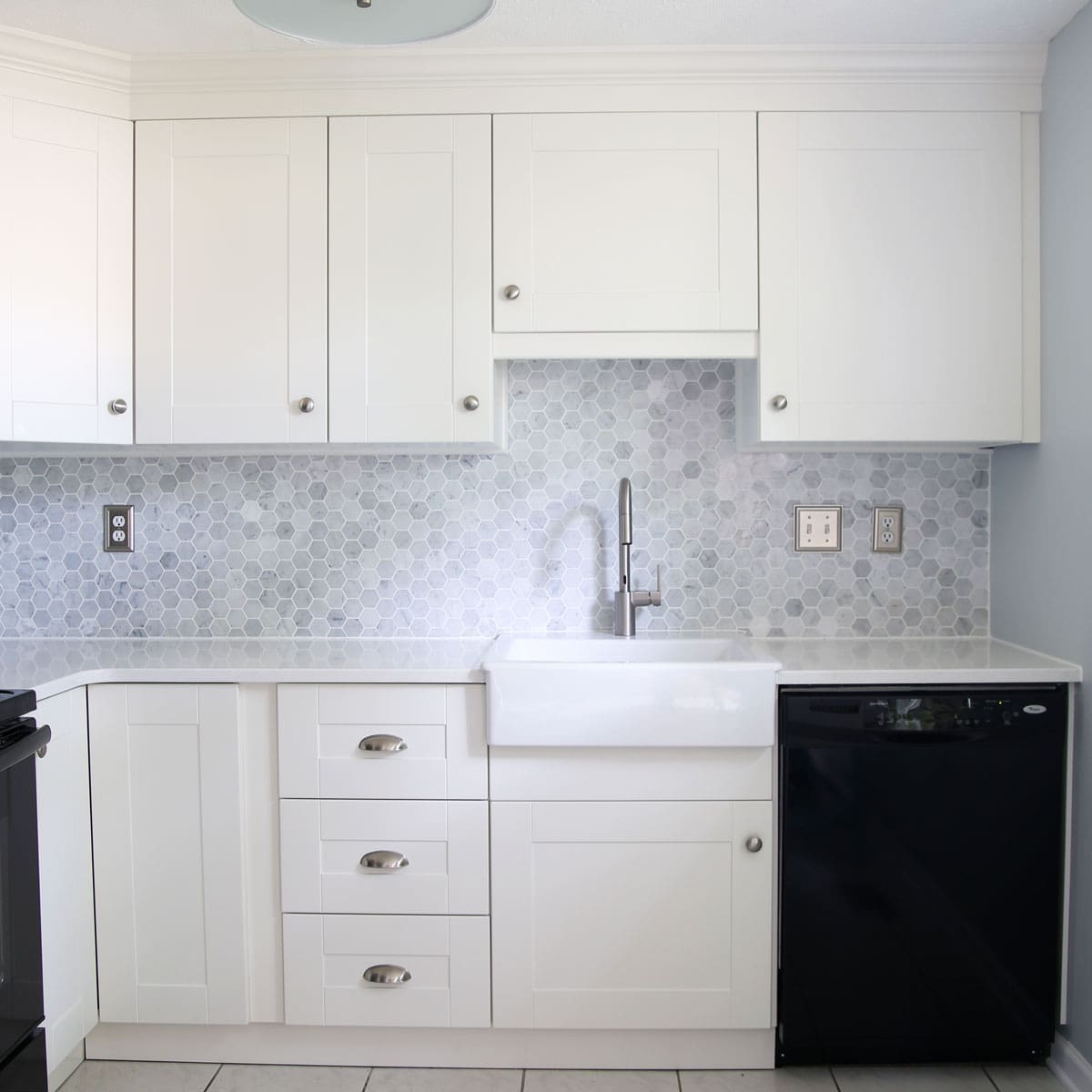
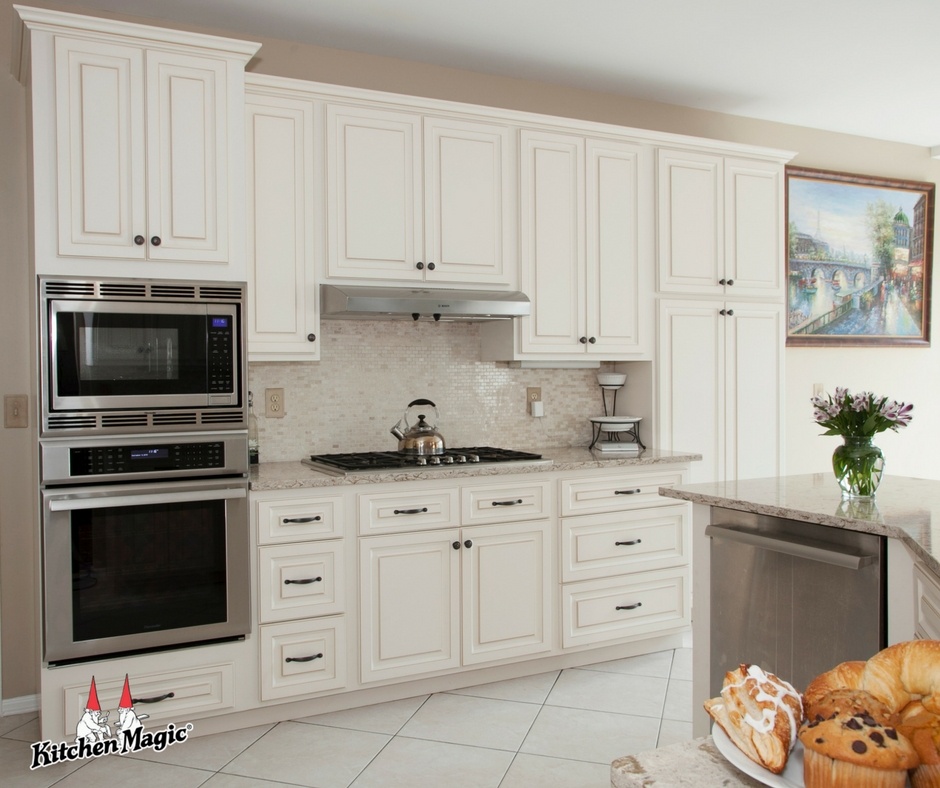
Crown molding is a decorative trim that sits on top of your kitchen cabinets, where the cabinets meet the ceiling or wall. It’s available in many styles, from simple and straight to elaborate and curved. Crown molding can be made from wood, MDF, polyurethane, or even plastic. Its main purpose is to create a smooth, finished transition between the top of your cabinets and the ceiling, but it also adds style and sophistication.
Crown molding isn’t just for cabinets. You’ve probably seen it at the tops of walls or around doors in traditional homes. In the kitchen, though, it helps cabinets look built-in and complete.
Why Homeowners Add Crown Molding
Homeowners and designers choose crown molding for several reasons. Here are the main motivations:
- Visual polish – Crown molding covers gaps and rough edges at the top of cabinets, giving them a clean, seamless appearance.
- Architectural interest – It adds depth and detail, which can elevate even basic cabinets.
- Increased home value – Many buyers see crown molding as a sign of quality, which may help when selling your home.
- Style consistency – If other areas of your home feature crown molding, adding it to your kitchen helps tie the spaces together.
However, these benefits depend on your kitchen’s style, your budget, and your personal taste.
Do Kitchen Cabinets Need Crown Molding?
The short answer is: No, kitchen cabinets do not need crown molding. It’s an optional design feature, not a requirement. Many kitchens look beautiful and complete without it. Still, there are specific situations where crown molding can make a big difference or even solve a practical problem.
When Crown Molding Is Useful
- Filling gaps – If your cabinets don’t reach the ceiling, crown molding can cover the space above, making everything look intentional.
- Hiding uneven ceilings – Older homes often have slightly sloped or wavy ceilings. Crown molding can disguise these imperfections.
- Elevating simple cabinets – If your cabinets are basic, adding crown molding can make them look custom and expensive.
When Crown Molding Isn’t Necessary
- Modern kitchens – Sleek, flat-front cabinets often look better without decorative trim. Less is more in these designs.
- Low ceilings – If your ceiling is less than 8 feet high, crown molding might make the room feel even smaller or crowded.
- Cabinets up to the ceiling – When cabinets are already flush with the ceiling, there’s often no space (or need) for molding.
Types Of Crown Molding For Kitchen Cabinets
Crown molding comes in many styles, shapes, and materials. Choosing the right one can feel overwhelming, but understanding the basics helps you narrow your options.
Common Crown Molding Profiles
- Traditional crown – Curved and detailed, great for classic or formal kitchens.
- Shaker crown – Simple, straight lines, perfect for Shaker or transitional styles.
- Cove molding – A gentle curve with less detail, works well in many kitchens.
- Stepped crown – Multiple levels or “steps,” often used in modern spaces.
- Dentil molding – A row of small, square blocks, best for historic or ornate designs.
Materials Used
- Solid wood – Durable and can be stained or painted, but more expensive.
- MDF (medium-density fiberboard) – Less costly, smooth finish, but can swell if exposed to water.
- Polyurethane or polystyrene – Lightweight, easy to install, resists moisture.
- PVC – Good for humid environments, but may look less natural.
Size Matters
Choose a molding size that fits your cabinet height and ceiling. Oversized molding on short cabinets can overwhelm the room, while tiny molding may look lost on tall cabinets.
Here’s a quick look at typical sizes:
| Cabinet Height | Suggested Molding Height |
|---|---|
| 30 to 36 inches | 2 to 3 inches |
| 39 to 42 inches | 3 to 4 inches |
| Over 42 inches | 4 to 6 inches |
Credit: justagirlandherblog.com
Pros Of Adding Crown Molding To Kitchen Cabinets
Let’s look at the real advantages of adding crown molding:
1. Finished, Built-in Look
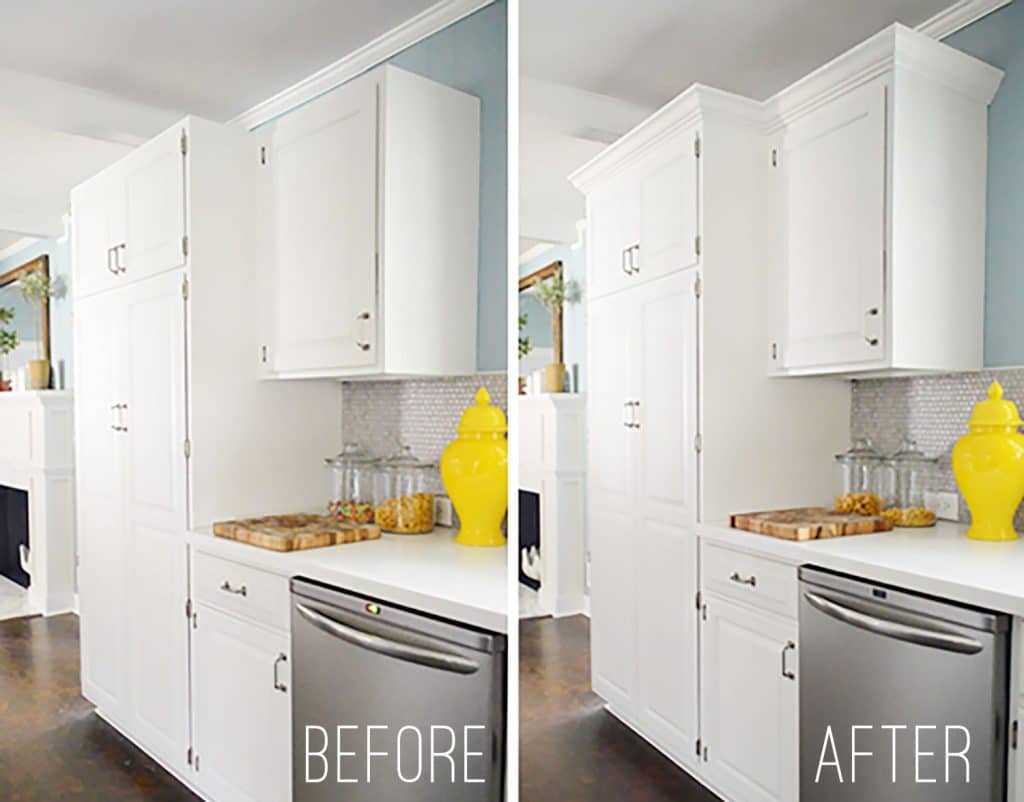
Crown molding makes cabinets feel custom-built. Instead of seeing an awkward gap at the top, you get a smooth transition that draws the eye upward. This detail is especially noticeable in open-concept homes, where the kitchen is always on display.
2. Hides Imperfections
Ceilings are rarely perfectly straight. Crown molding is a smart way to cover up small flaws, uneven lines, or gaps where the cabinets and ceiling meet. Without it, these flaws might stand out.
3. Increases Perceived Value
Homes with crown molding often look more expensive. When you walk into a kitchen with this detail, it feels intentional and well-designed. If you’re planning to sell your home, this can be a selling point for buyers who notice craftsmanship.
4. Unifies Kitchen And Home
If your living room or dining room has crown molding, using it in the kitchen creates a sense of continuity. This makes the overall design feel more cohesive.
5. Design Flexibility
Crown molding isn’t one-size-fits-all. You can choose a profile and size that fits your kitchen’s style, whether you prefer something understated or dramatic.
Cons Of Adding Crown Molding To Kitchen Cabinets
Now, let’s be honest—crown molding isn’t right for every kitchen. Here are the main downsides:
1. Extra Cost
Crown molding adds to your kitchen remodel budget. You’ll pay for materials and installation. Depending on your kitchen size and the type of molding, costs can range from $5 to $15 per linear foot for materials and $4 to $8 per foot for installation.
2. Installation Challenges
Adding crown molding isn’t always easy. It requires careful measuring, mitering corners, and nailing into place. Mistakes can be obvious, especially in visible spots. Professional installation increases labor costs.
3. May Shorten Cabinet Access
If your cabinets already go to the ceiling, adding molding can make the top shelves harder to reach or use. Sometimes, the molding even blocks cabinet doors from opening fully if not planned carefully.
4. Can Look Outdated
While classic in some homes, crown molding can feel old-fashioned in sleek, modern kitchens. If your style is minimalist, adding extra trim may clash with your vision.
5. Maintenance Issues
Crown molding collects dust and grease, especially in kitchens. Cleaning intricate molding is more difficult than wiping down flat cabinet tops.
Crown Molding Vs. No Crown Molding: Visual Examples
It’s easier to understand the impact of crown molding with real examples. Let’s compare how the same kitchen can look with and without this detail.
| With Crown Molding | Without Crown Molding |
|---|---|
| Cabinets appear taller and more elegant. Gaps are hidden. The overall look is polished. | Cabinets stop abruptly. Exposed gaps or unfinished edges may be visible, but the look is clean and simple. |
| Best for traditional, transitional, or luxury kitchens. | Works well in modern, industrial, or Scandinavian-style kitchens. |
Photos from kitchen design websites or showrooms can help you visualize these differences, but even in person, the presence or absence of molding changes the kitchen’s style.
How To Decide If Your Kitchen Needs Crown Molding
Every kitchen is unique. Here’s how to make a confident decision for your space.
1. Consider Your Kitchen Style
If your kitchen has shaker cabinets, raised panels, or other traditional details, crown molding will enhance the look. For slab-front or high-gloss cabinets, especially in modern designs, skip the crown molding for a clean finish.
2. Look At Your Ceiling Height
High ceilings (over 8 feet) benefit most from crown molding. It helps fill the empty space above cabinets. With standard or low ceilings, extra trim can make the kitchen feel cramped.
3. Check Cabinet Placement
If your cabinets stop short of the ceiling, molding can close the gap. If cabinets go all the way up, molding is usually not needed—and can even cause problems with access.
4. Match Your Home’s Architecture
Does your home have crown molding in other rooms? For open-plan spaces, matching trims keep the look consistent. If there’s no molding elsewhere, your kitchen may look best without it.
5. Budget Wisely
Crown molding is a nice-to-have—not a must-have. If your budget is tight, it’s one of the first features you can skip without hurting function.
6. Think About Future Trends
Minimalist kitchens are popular now. If you want your kitchen to stay “on trend” for years, skipping crown molding may be smarter.
Credit: blog.kitchenmagic.com
Alternatives To Crown Molding
Not every kitchen needs crown molding. If you want a finished look without the traditional trim, consider these alternatives:
1. Light Rail Molding
This thin piece of molding is installed under upper cabinets, not on top. It hides under-cabinet lighting and creates a subtle shadow line.
2. Soffits
A soffit is a boxed area that fills the gap between cabinets and the ceiling. It can be painted or tiled to match your kitchen.
3. Simple Filler Strips
A thin filler strip can cover gaps without the decorative detail of crown molding. It’s less noticeable but still creates a finished look.
4. Open Space
Leaving the gap open is a valid choice, especially in modern or industrial kitchens. You can use the space for decorative items or keep it empty for a more airy feel.
How To Install Crown Molding On Kitchen Cabinets
If you decide crown molding is right for you, here’s a basic overview of the installation process. Many homeowners hire a professional, but skilled DIYers can tackle the job with the right tools and patience.
Tools And Materials Needed
- Measuring tape
- Miter saw
- Nail gun or hammer and finishing nails
- Caulk
- Wood filler
- Paint or stain (if needed)
Basic Steps
- Measure carefully – Measure each section of cabinet top, including corners.
- Cut molding – Use a miter saw to cut precise angles for corners.
- Attach molding – Nail molding into the top of the cabinets. Start with straight pieces, then add corners.
- Fill gaps – Use caulk or wood filler to hide any small gaps or nail holes.
- Paint or stain – Match the molding to your cabinet color for a seamless look.
Common Mistakes To Avoid
- Wrong angle cuts – Crown molding sits at an angle, so cutting corners can be tricky. Practice on scrap pieces first.
- Poorly matched seams – Take time to align each piece perfectly. Rushed cuts are obvious.
- Skipping caulk – Even small gaps are noticeable. Caulk makes the result look professional.
For more in-depth help, many home improvement websites and YouTube channels offer step-by-step guides.
Crown Molding Costs: What To Expect
Cost is a big factor in your decision. Here’s what goes into the price:
Material Costs
Prices vary by material:
- Solid wood – $6 to $15 per linear foot
- MDF – $3 to $8 per linear foot
- Polyurethane – $2 to $6 per linear foot
Labor Costs
Professional installation costs $4 to $8 per linear foot. Complex profiles, high ceilings, or tricky corners can increase the price.
Total Project Cost
For a standard 10’ x 10’ kitchen with 30-40 linear feet of upper cabinets, expect to pay between $200 and $900, depending on your choices.
Real-life Examples: When Crown Molding Works Best
It helps to see how crown molding fits in different kitchens:
- Traditional home: A 1920s colonial with shaker cabinets and 9-foot ceilings feels complete with classic crown molding. The trim matches other rooms, adding to the historic charm.
- Contemporary condo: High-gloss, slab-front cabinets in a city apartment look best without any molding. The sharp lines and simplicity are the focus.
- Transitional kitchen: White cabinets, gray walls, and simple crown molding create a timeless look that isn’t too fussy or too plain.
What Designers And Experts Recommend
Most kitchen designers agree: crown molding is optional. It should fit your kitchen’s style and your own taste.
Some insights beginners often miss:
- Crown molding can be painted a contrasting color for a bold statement, not just matched to cabinets.
- In open kitchens, the depth of crown molding should match nearby trim to avoid awkward transitions.
According to the National Kitchen & Bath Association, adding crown molding is among the top ten ways to give your kitchen a custom feel, but only if it suits your design.
Maintenance And Cleaning Tips
If you choose crown molding, keep it looking its best with these tips:
- Dust regularly – Use a microfiber duster every few weeks. Kitchens gather more grease and dust than other rooms.
- Clean with mild soap – Wipe with a damp cloth and gentle soap to remove grease. Avoid harsh chemicals that can damage paint or finish.
- Touch up paint – Small chips or scratches are easy to fix with a matching paint pen.
Credit: www.younghouselove.com
How Crown Molding Affects Home Resale Value
Will adding crown molding boost your resale value? It can, but only in the right context.
- In upscale homes or neighborhoods, buyers expect high-end details like crown molding.
- In smaller homes or apartments, buyers may not care—or may even prefer a modern look without extra trim.
- Realtors suggest that kitchens with consistent, well-chosen finishes sell faster and for more money. If your kitchen feels cohesive, with or without molding, you’re on the right track.
A 2022 survey from Remodeling Magazine found that minor kitchen upgrades, including trim and molding, offer a return on investment (ROI) of 68% on average when selling your home.
Environmental Impact And Sustainability
If you’re eco-conscious, think about the material for your crown molding:
- FSC-certified wood molding comes from responsibly managed forests.
- MDF uses recycled wood fibers, but may contain formaldehyde.
- Polyurethane is lightweight and durable but comes from petroleum products.
If sustainability matters to you, ask your supplier about green options.
Professional Vs. Diy Installation
Should you hire a pro or do it yourself? Here’s a quick comparison:
| DIY Installation | Professional Installation |
|---|---|
| Lower cost | Higher cost |
| Requires special tools and skills | No learning curve; guaranteed results |
| Time-consuming, especially for beginners | Quick and efficient |
| Room for error (gaps, uneven lines) | Expert, seamless finish |
If you’re handy and have the tools, DIY can be rewarding. But for perfect results, especially with expensive materials, hiring a pro makes sense.
Final Thoughts: Should You Add Crown Molding?
Crown molding is not a must-have for kitchen cabinets. It’s a design choice that can add polish, cover flaws, and boost perceived value—but only if it fits your kitchen’s style and your personal taste. If you love traditional or transitional kitchens, or if your cabinets stop short of the ceiling, crown molding could be the finishing touch you need.
In a modern space, or if you want a sleeker look, skip it without regret.
The best kitchens are the ones that work for your life, your style, and your budget. There are no universal rules—only what feels right in your home.
For more on kitchen design standards and trends, visit the National Kitchen & Bath Association.
Frequently Asked Questions
What Is The Main Purpose Of Crown Molding On Kitchen Cabinets?
The main purpose is to create a finished look by covering gaps and rough edges where cabinets meet the ceiling or wall. It also adds style and can make cabinets appear taller and more custom-built.
Can I Add Crown Molding To Existing Cabinets?
Yes, you can add crown molding to most existing cabinets. You’ll need enough space above the cabinet doors for the molding to fit without blocking their movement. A professional installer can help with tricky situations.
Is Crown Molding Outdated In 2024?
Crown molding is not outdated, but it’s most popular in traditional and transitional kitchens. Modern and minimalist kitchens often skip it. Choose based on your kitchen’s style, not just trends.
Does Crown Molding Make A Small Kitchen Look Bigger Or Smaller?
Crown molding can make a small kitchen look smaller if the ceilings are low. It adds detail and draws the eye upward, but in tight spaces, it may feel crowded. In kitchens with high ceilings, it can help balance the proportions.
What Are The Best Alternatives To Crown Molding For A Modern Kitchen?
Top alternatives include leaving the gap open, using simple filler strips, or installing a soffit. Light rail molding under upper cabinets is another option for a subtle, finished look.
With these answers and all the details above, you’ll be ready to decide if crown molding belongs in your kitchen—or if your design is already perfect as it is.