
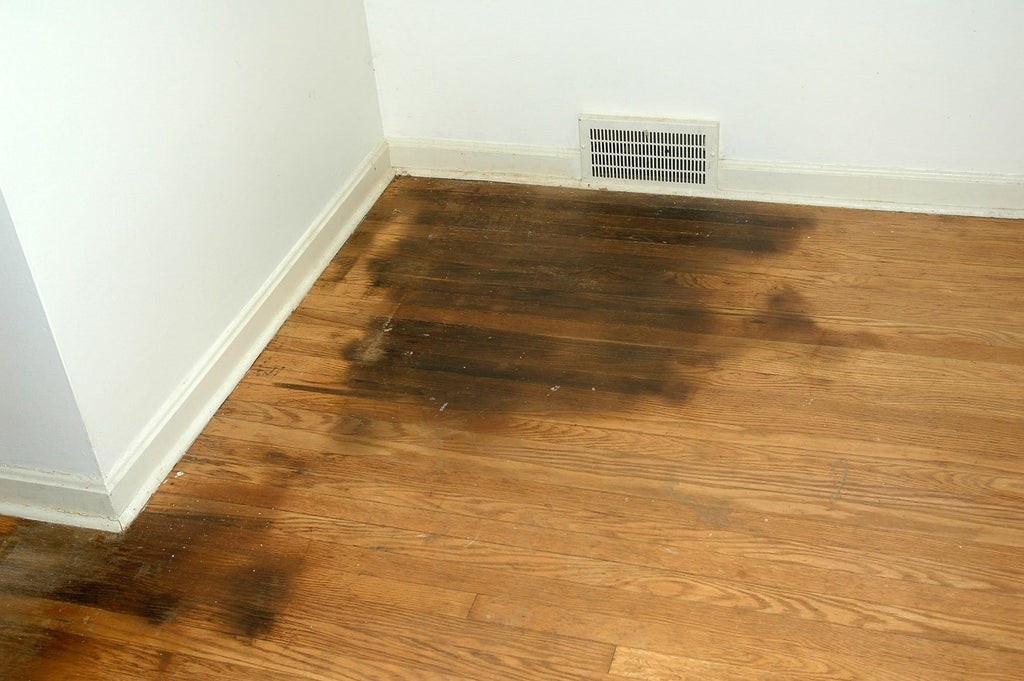
Black spots on hardwood floors can be a real headache for any homeowner. They make your floor look old and dirty, even if you clean it often. These stains are not just surface marks; sometimes, they go deep into the wood fibers. If you want your hardwood floors to look beautiful again, you need to know the right way to remove these spots—without causing damage or making things worse.
Many people try to scrub the spots away with strong chemicals. Sometimes, this works, but it can also ruin the finish or even the wood itself. Others cover the spots with rugs or furniture. This hides the problem but does not solve it. The good news is, there are safe and effective ways to remove black spots from hardwood floors. With some patience and the right methods, you can restore your floor’s natural beauty.
This guide will explain why black spots appear, how to safely remove them, and how to prevent them from coming back. You’ll find step-by-step instructions, expert tips, and common mistakes to avoid. Whether your floor is old or new, you’ll learn how to handle black stains the smart way.
Why Do Black Spots Form On Hardwood Floors?
Before you start cleaning, it’s important to know what causes black spots. Understanding the source helps you choose the best solution and avoid future problems.
Water Damage
One of the most common reasons is water damage. If water sits on hardwood for too long, it can seep into the wood. Over time, this moisture reacts with the tannins in the wood, creating black stains. Leaky pipes, pet accidents, and spills are often to blame.
Mold And Mildew
If your floor stays wet for a long time, mold or mildew can grow. These fungi can leave black or dark green spots that sometimes smell musty. Mold is not only ugly but can also be bad for your health.
Pet Urine
Pet urine is another cause. Urine contains acids and minerals that soak into the wood, causing dark, sometimes sticky spots. The smell may linger even after the stain appears.
Metal And Iron Stains
Sometimes, black spots come from metal objects like nails or furniture legs left on the floor. If these get wet, they can react with the wood and leave a dark mark. This is called an iron stain.
Old Finish Breakdown
Over time, the finish on your hardwood floor can break down. When this happens, the unprotected wood is more likely to absorb spills, leading to black spots.
Key insight: Identifying the type of black spot is important. For example, a mold spot needs a different treatment than a water stain or pet urine.
Assessing The Severity Of Black Spots
Not all black spots are the same. Some are easy to remove, while others need more work. Before you start, look closely at the stain:
- Surface stains: These sit on top of the finish. They are usually lighter and may come off with simple cleaning.
- Deep stains: These have soaked into the wood. They are usually darker and may feel rough or uneven.
Try to scratch the spot lightly with your fingernail. If the stain comes off, it is probably on the surface. If not, it is deeper in the wood. Deep stains need extra care to avoid damaging the floor.
Tools And Materials You’ll Need
Having the right supplies can make the job easier and safer. Here’s a list of what you might need:
- Soft cloths and paper towels
- Mild detergent or dish soap
- Baking soda
- Hydrogen peroxide (3% solution)
- Vinegar
- Oxalic acid crystals (wood bleach)
- Sandpaper (fine and medium grit)
- Protective gloves and goggles
- Plastic scraper
- Small brush or toothbrush
- Floor wax or finish (for touch-ups)
Always test cleaning products on a small, hidden area first. Some chemicals can change the color of the wood or damage the finish.
Step-by-step Methods For Removing Black Spots
Now, let’s look at the best ways to remove black spots from hardwood floors. Choose the method that matches your type of stain.
1. Cleaning Surface Black Spots
If the stain is new or on the finish, start with the easiest method:
- Wipe with a damp cloth: Use warm water and a little dish soap. Wipe gently.
- Dry the area: Use a clean towel to soak up any moisture.
- Repeat if needed: Sometimes, you need to clean two or three times.
This method works well for food spills, dirt, or light mold.
2. Using Baking Soda For Light Stains
Baking soda is gentle but effective for mild black spots.
- Mix baking soda with water to make a paste.
- Spread the paste on the stain.
- Let it sit for 10–15 minutes.
- Gently rub with a soft cloth.
- Wipe off with a damp towel and dry.
This is good for pet stains that are not too old.
3. Hydrogen Peroxide For Deep Black Spots
Hydrogen peroxide is safe for wood if used carefully. It can lighten dark stains without much sanding.
- Soak a cotton ball or small cloth in 3% hydrogen peroxide.
- Place it on the black spot and cover with plastic wrap.
- Leave for 6–8 hours, or overnight for tough stains.
- Remove the wrap and wipe dry.
- Repeat if needed.
Hydrogen peroxide works well for water stains and pet urine spots.
Expert tip: Do not use stronger peroxide (like hair bleach) as it can damage the wood.
4. White Vinegar For Mold And Mildew
White vinegar kills mold and removes musty smells.
- Mix equal parts vinegar and water.
- Dampen a cloth with the solution.
- Rub the stained area gently.
- Wipe with a clean, damp cloth.
- Dry the area well.
If the spot is still dark, try hydrogen peroxide next.
5. Oxalic Acid For Iron And Deep Water Stains
Oxalic acid is a special wood bleach that removes iron and water stains.
- Wear gloves and goggles for safety.
- Mix oxalic acid crystals with warm water (follow package instructions).
- Brush the solution onto the black spot.
- Let it sit until the stain fades (usually 20–30 minutes).
- Rinse with clean water and dry.
- Sand lightly if needed, then refinish the area.
Caution: Oxalic acid is strong. Always follow safety rules and keep it away from children and pets.
6. Light Sanding For Stubborn Spots
If cleaning does not work, you may need to sand the area.
- Use medium-grit sandpaper to gently sand the spot.
- Switch to fine-grit to smooth the surface.
- Wipe away dust.
- Apply a matching floor finish or wax.
Sanding should be your last option, as it removes some wood and may leave a lighter patch.
7. Refinishing After Stain Removal
After you remove the black spot, the area may look different from the rest of the floor. To blend it in:
- Choose a floor finish that matches your floor (polyurethane, wax, or oil).
- Apply a thin coat with a brush or cloth.
- Let it dry, then buff lightly.
- Add more coats if needed.
You may need to refinish a whole section for a perfect match.
Non-obvious insight: Always use the same type of finish as your original floor. Mixing products can cause peeling or color changes.
Comparing Black Spot Removal Methods
Different methods work better for different stains. Here’s a quick comparison:
| Method | Best For | Time Needed | Level of Risk |
|---|---|---|---|
| Soap & Water | Surface stains | 10–20 min | Very Low |
| Baking Soda | Light stains | 20–30 min | Low |
| Hydrogen Peroxide | Deep stains, pet urine | 6–8 hours | Medium |
| Vinegar | Mold, mildew | 30–45 min | Low |
| Oxalic Acid | Iron, deep water stains | 1–2 hours | High |
| Sanding | Old, stubborn stains | 30–60 min | High |
Key tip: Start with the least risky method. Move to stronger solutions only if needed.
Mistakes To Avoid When Removing Black Spots
It’s easy to make mistakes that damage your hardwood floor. Here are some common errors:
- Using harsh chemicals: Strong cleaners like bleach or ammonia can strip the finish and change the wood color.
- Scrubbing too hard: Aggressive scrubbing can scratch the surface.
- Skipping the test spot: Always try products in a hidden area first.
- Leaving the area wet: Moisture can cause more black spots or even mold.
- Not refinishing the spot: Raw wood absorbs dirt and stains faster.

Credit: www.reddit.com
When To Call A Professional
Some stains are too deep or large to remove with home methods. It’s best to call a flooring specialist if:
- The spot covers a large area
- The wood feels soft or rotted
- The stain returns after cleaning
- You are not sure how to refinish the floor
A professional can sand, bleach, and refinish the floor for a perfect look. This is often needed for old or expensive hardwood.
Preventing Black Spots In The Future
The best way to keep your hardwood floors beautiful is prevention. Here’s how you can protect your floor:
1. Clean Spills Quickly
Wipe up water, juice, and pet accidents right away. The faster you clean, the less chance for stains to form.
2. Use Mats And Rugs
Place mats near doors and under sinks. This catches water and dirt before it reaches your floor.
3. Keep Floors Dry
Never let water sit on the wood. Dry mop after cleaning, and fix any leaks fast.
4. Trim Pet Nails And Clean Up After Pets
Trim your pet’s nails to avoid scratches. Clean up accidents right away and use a pet-friendly cleaner.
5. Refinish Floors Regularly
A good finish protects your wood from stains. Reapply every few years, or when the floor looks dull.
6. Avoid Metal On Wood
Do not leave metal objects on the floor. Put felt pads under furniture to prevent rust stains.
7. Control Humidity
Use a dehumidifier in humid months. Wood expands and contracts with moisture, which can lead to stains and warping.
8. Ventilate Rooms
Open windows or use fans to keep air moving, especially after cleaning or spills.
Non-obvious insight: Even small cracks in the floor finish can let moisture in. Touch up scratches and worn spots before they become a problem.
Real-life Examples
Here are a few real stories from homeowners who tackled black spots:
- Anna from Ohio: Her dog had an accident that left a black spot. She used hydrogen peroxide overnight, then refinished the spot. The stain faded after two treatments.
- James in Texas: His kitchen had old water stains. He tried vinegar first, but it didn’t work. Oxalic acid removed the spots, but he had to sand and refinish the area.
- Linda from California: She noticed dark spots near her washing machine. A plumber found a slow leak. After fixing it, she cleaned with baking soda and peroxide, and the marks disappeared.
These examples show that with patience and the right method, even stubborn black spots can be removed.
Cost Comparison: Diy Vs. Professional Help
If you’re deciding whether to remove black spots yourself or call a pro, consider the costs.
| Method | Materials Cost | Time Required | Result Quality |
|---|---|---|---|
| DIY (Basic Cleaning) | $10–$30 | 1–2 hours | Good for small stains |
| DIY (Sanding/Bleaching) | $30–$80 | 2–4 hours | Very good, but skill needed |
| Professional Service | $100–$500+ | 1–2 days | Best, especially for large areas |
DIY can save money, but mistakes may cost more to fix. For valuable or historic floors, professional help is usually worth it.
Credit: www.maramani.com
Signs That Your Hardwood Floor Needs More Than Stain Removal
Sometimes, black spots are a sign of a bigger problem:
- Soft or spongy wood: This means rot, which needs replacing the boards.
- Persistent odor: If smells stay after cleaning, the stain may go deep into the subfloor.
- Warping or cupping: Water damage may have changed the shape of the wood.
In these cases, simple cleaning is not enough. You may need to replace part of the floor or fix moisture problems in your home.
How To Choose The Right Floor Finish
After removing a black spot, choosing the right finish is important for both looks and protection. Here are the main options:
- Polyurethane: Durable and water-resistant. Good for high-traffic areas.
- Oil-based finish: Deepens wood color, but takes longer to dry.
- Wax: Gives a soft, natural shine. Needs regular touch-ups.
- Water-based finish: Dries fast and is less smelly. Slightly less durable than oil.
Match the new finish to your existing floor. Test on a small area first to check the color.
Essential Safety Tips
Some cleaning products and methods can be dangerous if not used properly. Always:
- Wear gloves and goggles when using oxalic acid or strong cleaners.
- Keep children and pets away from the area until dry.
- Open windows or use fans for good ventilation.
- Store chemicals safely after use.
If you feel dizzy or your skin burns, stop and rinse the area with water.
Environmentally-friendly Alternatives
If you prefer green cleaning, you can use:
- Baking soda and vinegar: Safe for most wood, but always dry the area well.
- Lemon juice: Mild acid that can lighten some stains.
- Natural soaps: Like Castile soap, which is gentle on wood.
These methods work for light stains and are safer for your family and pets.
How To Blend The Repaired Area
After removing a black spot, sometimes the cleaned spot looks lighter than the rest of the floor. Here’s how to blend it:
- Stain marker: Use a wood stain pen that matches your floor.
- Blending oils: Some natural oils can even out color differences.
- Buffing: Use a soft cloth to buff the area after it dries.
For larger areas, you may need to refinish an entire section.
Non-obvious insight: Lighting changes how stains look. Check the repaired spot in both sunlight and room light before finishing.
Frequently Asked Questions
What Is The Safest Way To Remove Black Spots From Hardwood Floors?
The safest way is to start with mild cleaning methods like soap and water or baking soda. Only use stronger products like hydrogen peroxide or oxalic acid if the spot does not come off. Always test in a hidden area first.
Can I Use Bleach To Remove Black Spots?
Do not use regular household bleach. It can damage the wood and change its color. For tough stains, use oxalic acid (wood bleach), but follow safety instructions carefully.
How Long Does It Take To Remove A Black Spot?
Surface stains can often be cleaned in 30 minutes to an hour. Deep stains may take several hours or overnight treatments. Some spots need several tries.
Will Removing Black Spots Damage My Floor’s Finish?
Some methods, like sanding or using strong chemicals, can remove the floor’s finish. Be prepared to refinish the area after the stain is gone.
Where Can I Learn More About Caring For Hardwood Floors?
You can find more information on sites like the National Wood Flooring Association, which offers expert advice and guides for homeowners.
Keeping your hardwood floors clean and beautiful takes some effort, but it’s worth it. With the right methods, you can remove black spots, prevent new ones, and enjoy your floors for many years. Remember, patience and gentle care give the best results.
If you’re ever in doubt, don’t hesitate to ask a professional for help.

Credit: www.reddit.com