
Rough slate floor tiles bring a natural, rustic look to any home. Their unique texture, earthy tones, and durability make them a popular choice for both modern and traditional interiors. But the same rough, uneven surface that makes slate beautiful also makes it tricky to clean.
Dust, dirt, and grime can hide in tiny grooves and pores, and using the wrong cleaning method can damage the stone or leave it looking dull.
If you have rough slate tiles in your kitchen, hallway, bathroom, or outdoors, you might be wondering how to keep them clean without harming their surface. Many homeowners struggle with streaks, stubborn stains, or even flaking tiles after using the wrong products.
The good news? With the right tools, products, and techniques, you can restore your slate’s natural beauty and keep it protected for years.
This guide will walk you through everything you need to know: from basic cleaning to tackling tough stains, sealing, and even preventing future damage. You’ll find clear steps, practical tips, and answers to common questions—so your slate floors can stay looking their best, no matter how rough the surface.
Understanding Rough Slate Floor Tiles
Slate is a type of metamorphic rock formed from clay and volcanic ash. It’s known for its strength, non-slip surface, and rich colors ranging from gray and green to purple and black. The “rough” variety is left with a natural cleft finish, meaning the surface is uneven, with visible layers and textures.
This unique surface is both a strength and a challenge:
- Pros: Excellent grip, hides scratches, adds character.
- Cons: Traps dirt in grooves, absorbs liquid if unsealed, sensitive to harsh chemicals.
Knowing these traits helps you choose the right cleaning method and avoid damage.
Tools And Products You’ll Need
Before you start, gather the right supplies. The wrong tool or product can scratch or discolor slate.
Essential cleaning tools:
- Soft-bristle brush (handheld or with a pole)
- Vacuum cleaner (with a brush attachment)
- Microfiber mop or cloth
- Bucket
- Spray bottle
- Squeegee (for rinsing and drying)
Recommended cleaning products:
- PH-neutral cleaner (specially made for natural stone)
- Warm water
- Mild dish soap (non-acidic, unscented)
- Baking soda (for spot cleaning)
- Hydrogen peroxide (for tough stains)
Avoid: Vinegar, lemon juice, or any acidic cleaner. These can etch the slate surface and damage the grout.
Basic Cleaning Routine For Rough Slate Tiles
Keeping slate clean is easier if you do it regularly. Here’s how to maintain your floor’s natural beauty with a basic routine.
1. Remove Loose Dirt And Debris
Start with a vacuum cleaner using a brush attachment. This lifts dirt from deep grooves without scratching. Sweep slowly, covering all areas, especially corners where dust collects. If you don’t have a vacuum, use a soft-bristle broom. Avoid stiff bristles, which can scratch the slate.
2. Damp Mop With A Ph-neutral Cleaner
Mix warm water with a pH-neutral cleaner in a bucket, following the product’s instructions. Dip a microfiber mop or soft cloth, wring out excess water, and mop gently. Rinse the mop often to avoid spreading dirt.
Why pH-neutral? Slate is sensitive to acids and alkalis. Neutral cleaners clean without damaging the stone or dulling its surface.
3. Dry The Surface
After mopping, immediately dry the tiles with a clean towel or a squeegee. This prevents water spots, streaks, and mineral buildup, especially in hard water areas.
4. Spot Clean Stubborn Spots
For sticky spots or stains, spray a little diluted dish soap and scrub with a soft brush. Rinse and dry the area well.
Tip: Clean up spills quickly. Slate is porous, so liquids can seep in and leave stains if left too long.
Deep Cleaning: Removing Stains And Grime
Even with regular cleaning, rough slate can collect stains, grease, or soap scum—especially in kitchens and bathrooms. Deep cleaning is needed a few times a year or if floors look dull.
1. Identify The Stain
First, figure out what caused the stain. Is it oil, rust, food, or mildew? Different stains need different treatments.
| Stain Type | Common Sources | Appearance |
|---|---|---|
| Grease/Oil | Cooking oils, food spills | Dark, glossy patches |
| Rust | Metal furniture, water | Orange or reddish spots |
| Mildew/Mold | Bathrooms, damp areas | Black or greenish stains |
| Organic | Tea, coffee, wine | Brown or colored stains |
2. Prepare A Cleaning Solution
For most stains, a baking soda paste works well. Mix baking soda with a little water until it forms a thick paste. For mildew, mix hydrogen peroxide with water (1:1 ratio).
3. Apply And Scrub
- Spread the paste on the stain.
- Let it sit for 10–15 minutes.
- Scrub gently with a soft-bristle brush. Do not use steel wool or scouring pads.
- Rinse with clean water and dry.
4. Repeat If Needed
Some stains need two or three treatments. Be patient, and never use harsh chemicals just to speed things up.
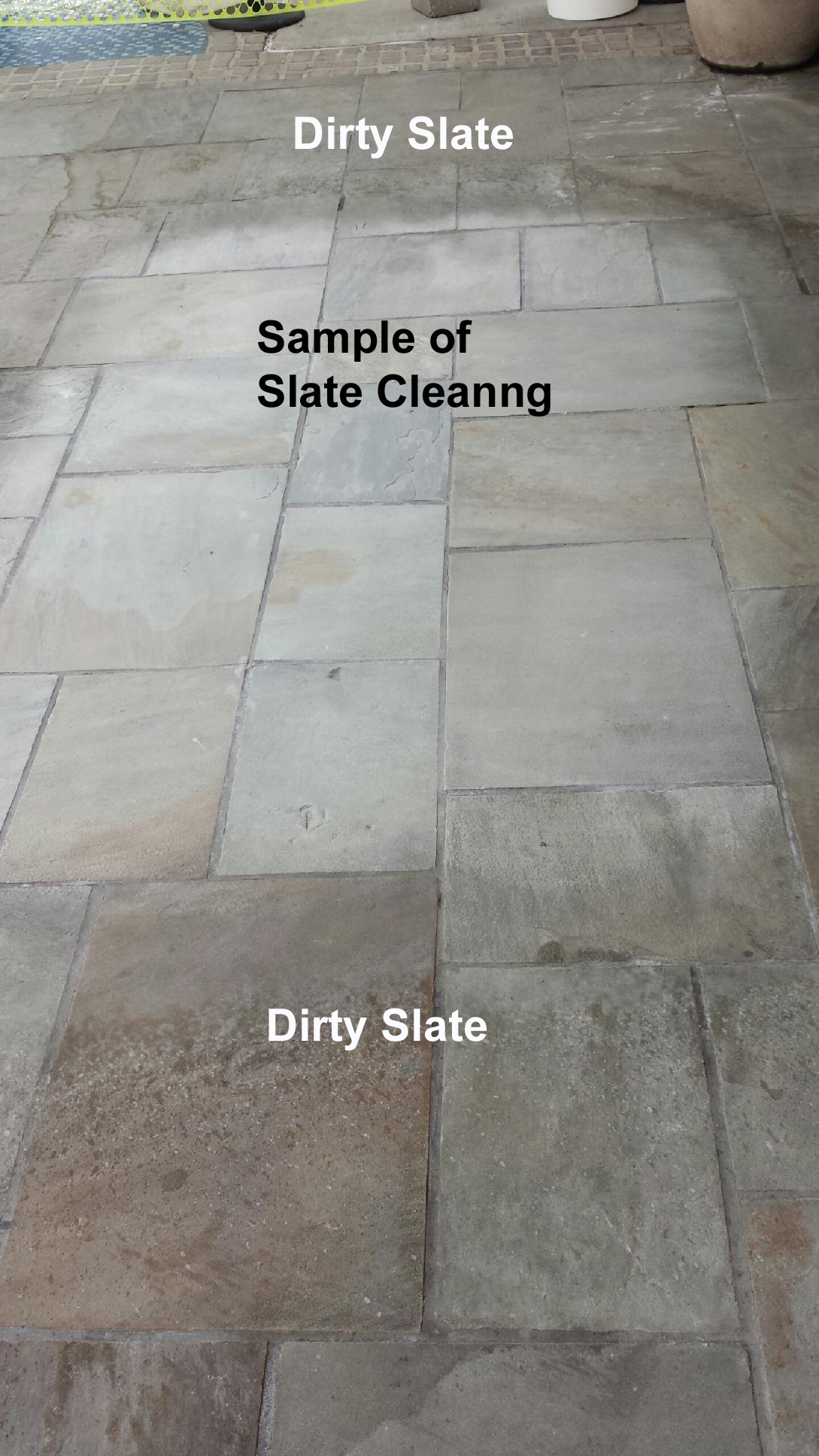
Non-obvious insight: Many people scrub too hard, thinking it will remove deep stains. This actually scratches the slate and makes future cleaning harder. Use gentle pressure and repeat the process instead.

Credit: reclaimedbrickcompany.co.uk
Cleaning Grout Lines
Grout lines between rough slate tiles can get very dirty. Because grout is porous, it easily absorbs spills and dirt.
1. Use A Gentle Grout Cleaner
Choose a grout cleaner that is safe for natural stone. Many regular grout cleaners are acidic and will damage both grout and slate.
2. Scrub With A Soft Brush
Dip a soft toothbrush or grout brush into the cleaner and scrub the grout lines. Work in small sections.
3. Rinse Thoroughly
Use a wet cloth to remove all cleaner from the grout and slate. Leftover cleaner can leave a residue or even damage the stone.
4. Dry The Grout
Quickly dry with a towel to stop moisture from soaking in.
Pro tip: Sealing grout after cleaning makes it much easier to keep clean in the future.
Sealing Rough Slate Floor Tiles
Sealing is one of the most important steps for keeping rough slate looking great. Sealers block water, oil, and stains from entering the stone.
Why Seal Slate?
- Slate is naturally porous. Water and oils can soak in and cause stains.
- Sealer helps repel dirt, making cleaning easier.
- Sealer can enhance color and shine, or keep a natural matte look.
How To Choose A Sealer
There are two main types:
- Penetrating sealer: Soaks into the stone, leaves a natural finish.
- Topical sealer: Forms a layer on top, can add shine.
Most experts recommend a penetrating sealer for rough slate, as it protects without making the surface slippery.
How Often To Seal
Most slate floors need resealing every 1–2 years, but high-traffic areas may need it more often. Water beading on the surface is a sign your sealer is still working.
Sealing Steps
- Clean and dry the floor. Never seal over dirt or wet stone.
- Apply sealer with a clean mop, sponge, or brush. Follow the manufacturer’s instructions.
- Let it soak in for the recommended time (usually 5–15 minutes).
- Wipe away excess with a clean cloth.
- Let it cure for at least 24 hours before walking on the floor.
Common mistake: Using too much sealer or letting it dry on the surface can cause a sticky, cloudy finish. Always remove excess.
Credit: intlstoneworks.com
Preventing Damage To Rough Slate Tiles
Prevention is easier than repair. Here’s how to keep your slate looking its best with a few simple habits.
- Use doormats at entrances. Grit and sand scratch stone more than anything else.
- Clean spills immediately. Fast action stops stains from setting.
- Avoid dragging heavy furniture. Lift instead of sliding to prevent scratching.
- Use felt pads under chair and table legs.
- Keep pets’ nails trimmed. Sharp claws can scratch the surface.
- Don’t use harsh chemicals. Bleach, acids, and ammonia all damage slate.
- Test new cleaners in a small, hidden area first.
Outdoor Slate Tile Maintenance
Rough slate is popular for patios and walkways. But outdoor tiles face extra challenges: rain, sun, leaves, and dirt.
Regular Sweeping
Remove leaves, dirt, and debris weekly. Wet leaves can stain slate and speed up moss growth.
Pressure Washing—use With Care
A pressure washer can clean outdoor slate, but use a low-pressure setting (under 1,500 psi). Hold the nozzle at least 12 inches from the surface. Too much pressure can chip or flake the stone.
Dealing With Moss And Algae
Mix water and a little hydrogen peroxide in a spray bottle. Spray on moss or algae, let it sit for 10 minutes, then scrub with a soft brush and rinse. Never use bleach or strong weed killers.
Reseal Annually
Outdoor slate needs sealing more often due to weather exposure. Check for water beading and reseal if water soaks in.
Avoid Rock Salt In Winter
Rock salt and other ice melt products can damage slate. Use sand or a stone-safe deicer instead.
Comparing Slate Floor Cleaners
With so many products available, it’s easy to get confused. Here’s a quick comparison of common slate tile cleaning solutions.
| Product Type | Safe for Slate? | Effectiveness | Notes |
|---|---|---|---|
| pH-neutral stone cleaner | Yes | High | Best for regular use |
| Diluted dish soap | Yes | Moderate | For light cleaning only |
| Vinegar or lemon juice | No | Damages stone | Avoid completely |
| Bleach | No | Damages stone | Harms slate and grout |
| Baking soda paste | Yes | Good for stains | Use for spot cleaning |
Non-obvious insight: Many “all-purpose” cleaners contain acids or strong chemicals that can permanently dull or pit slate. Always check the label—even if the product says “stone safe.”
What To Do About Flaking Or Peeling Slate Tiles
Sometimes, slate tiles begin to flake or peel. This is called “spalling.” It happens when water gets into the stone or when the wrong cleaner has been used.
Causes Of Spalling
- Using acidic or harsh cleaners
- Water damage from leaks or floods
- Freeze-thaw cycles outdoors
- Poor-quality or layered slate
Steps To Fix Light Flaking
- Vacuum or sweep away loose flakes.
- Clean gently with a pH-neutral cleaner.
- Let the floor dry completely.
- Apply a penetrating sealer to strengthen the surface.
If flaking is severe, you may need to replace the damaged tiles. Consult a stone restoration professional if in doubt.
Extra tip: Regular sealing reduces the risk of flaking by keeping water out of the stone.
Common Mistakes When Cleaning Rough Slate Tiles
Many homeowners make these mistakes, which can cause permanent damage:
- Using acidic cleaners. Even mild acids like vinegar destroy slate.
- Scrubbing with wire brushes. These scratch and gouge the stone.
- Not drying after cleaning. Leaving water can cause streaks, mold, and mineral deposits.
- Skipping sealing. Unsealed slate stains easily and is harder to clean.
- Letting stains sit. The longer a spill stays, the deeper it soaks.
Avoid these errors to keep your floor in top condition.
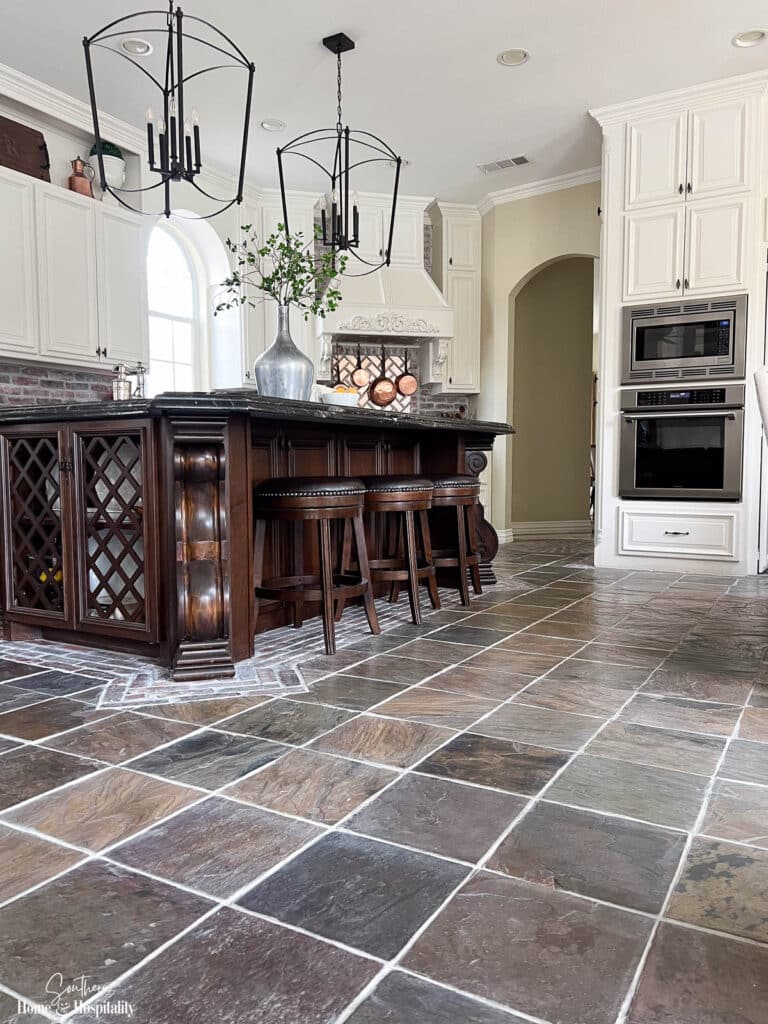
How Often Should You Clean And Seal Rough Slate Tiles?
Daily: Sweep or vacuum to remove grit and dust.
Weekly: Damp mop with a pH-neutral cleaner.
Monthly: Spot clean stains and check grout.
Yearly: Deep clean and reseal (or more often in high-traffic or outdoor areas).
This routine keeps your floor looking fresh and prevents long-term problems.
Credit: southernhomeandhospitality.com
Professional Cleaning And Restoration
Sometimes, rough slate floors need expert help—especially if stained, etched, or dull. Professional stone cleaners use special machines and products to deep clean, polish, and reseal slate. This can restore color and shine, fix uneven surfaces, and repair grout.
When to call a pro:
- If stains won’t come out after several tries
- If tiles are loose, cracked, or flaking badly
- For large outdoor areas or commercial spaces
A professional cleaning every few years can keep your slate looking like new.
Cost Comparison: Diy Vs Professional Cleaning
Here’s a look at typical costs for cleaning and maintaining rough slate floor tiles.
| Service | DIY Cost (per 100 sq ft) | Professional Cost (per 100 sq ft) |
|---|---|---|
| Basic cleaning | $10–$30 | $80–$150 |
| Deep cleaning | $15–$40 | $120–$200 |
| Sealing | $20–$50 | $100–$250 |
| Stain removal/repair | $5–$25 (materials only) | $150–$300+ |
DIY is much cheaper, but takes time and care. Professionals cost more, but bring experience and tools most homeowners don’t have.
Eco-friendly Ways To Clean Rough Slate Tiles
If you want to avoid chemicals, you can still get great results:
- Baking soda paste is safe and effective for stains.
- Hydrogen peroxide (diluted) kills mildew and mold naturally.
- Microfiber cloths clean well with just water and don’t scratch.
- Plain water and a good mop go a long way for regular cleaning.
Tip: Always test any natural cleaner in a small, hidden spot first.
Frequently Asked Questions
How Do I Know If My Slate Floor Needs Sealing?
If water soaks in instead of beading on the surface, your slate needs sealing. Pour a few drops of water on the floor—if it leaves a dark spot, reseal soon.
Can I Use A Steam Mop On Rough Slate Tiles?
It’s best to avoid steam mops. The high heat and moisture can weaken the slate and grout, causing cracks or flaking over time.
What Should I Do If My Slate Tiles Turn White Or Chalky?
This is usually efflorescence, a buildup of mineral deposits from water. Clean with a pH-neutral stone cleaner and dry thoroughly. If it keeps returning, check for leaks or moisture problems under the floor.
Is It Safe To Use Floor Wax On Rough Slate Tiles?
No. Wax can build up, trap dirt, and make the floor slippery. Use a penetrating stone sealer instead for protection without shine.
Where Can I Find More Information About Caring For Natural Stone Floors?
For expert advice and in-depth guides, visit the Natural Stone Institute.
Rough slate floor tiles are a beautiful investment in your home. With the right care—gentle cleaning, prompt stain removal, and regular sealing—you’ll enjoy their unique look for decades. Remember, the key is to use stone-safe products and a light touch.
If you ever have doubts, consult a professional to keep your slate in top condition.