
Keeping your plastic kitchen sink looking clean and fresh can seem hard, especially with daily cooking, dirty dishes, and stubborn stains. Many people think plastic sinks are easier than stainless steel, but they have their own cleaning needs. Food residue, coffee stains, hard water spots, and even scratches can build up if you don’t clean them the right way. The good news? You don’t need fancy products or strong chemicals to bring back the shine. With simple steps and a few household items, you can make your plastic sink spotless and safe for your family.
This article guides you through every part of cleaning a plastic kitchen sink. You’ll learn why plastic sinks need special care, the best cleaning methods, and what mistakes to avoid. You’ll also find cleaning routines for daily, weekly, and deep-cleaning needs.
If you have tough stains or scratches, you’ll discover solutions that really work. Let’s get started and make your sink look almost new again.
Understanding Plastic Kitchen Sinks
Plastic sinks, often made from acrylic or polypropylene, are popular in many homes. They’re lightweight, affordable, and come in many colors and shapes. But unlike stainless steel, plastic sinks can scratch and stain easily. Hot pans, harsh cleaners, and even the wrong scrubbing pad can leave marks. Knowing your sink’s material helps you choose the right cleaning method.
Plastic sinks don’t rust, but they are porous. This means stains can “sink in” over time, especially from coffee, tea, tomato sauce, or curry. Hard water can leave white spots, and soap scum can build up around the drain or edges. The smooth look of a new sink can fade if you don’t clean it the right way.
Common Problems With Plastic Sinks
- Stains: These often come from coffee, red sauces, berries, or food colorings.
- Scratches: Using metal scrubbers or strong powders can scratch the surface.
- Odors: Food particles stuck in small scratches or around the drain can smell bad.
- Dullness: Over time, the surface can look cloudy or lose its shine.
- Hard water marks: White spots or rings from minerals in your water.
Understanding these problems helps you choose the best cleaning routine for your plastic kitchen sink.
Daily Cleaning Routine
Daily cleaning keeps your plastic sink hygienic and prevents build-up. Here’s how you should clean your sink each day:
- Rinse debris: After each use, run warm water to wash away food bits and liquids. Don’t let scraps sit overnight.
- Use mild dish soap: Apply a few drops of gentle dishwashing liquid to a soft sponge or cloth. Avoid rough pads or brushes.
- Wipe the surface: Scrub the entire sink, especially near the drain and the sides. Move in circles to lift grease and stains.
- Rinse well: Wash away all soap with warm water. Any leftover soap can create a sticky layer and attract dirt.
- Dry with a towel: Use a clean, dry towel to remove water. This step prevents water spots and keeps the sink shiny.
Key Tips For Daily Cleaning
- Always remove metal utensils and pans after washing, as they can scratch the plastic.
- Don’t use bleach or strong chemicals daily. They can damage the plastic and cause fading.
- Clean the faucet and handles too, as water spots can build up there.
Credit: www.walmart.com
Weekly Cleaning And Stain Prevention
Even with daily cleaning, some stains and marks can appear after a week. Doing a weekly deep clean helps keep your sink bright and prevents tough stains.
Materials You’ll Need
- Baking soda
- White vinegar
- Soft sponge or microfiber cloth
- Old toothbrush
- Lemon juice (optional)
Steps For Weekly Cleaning
- Sprinkle baking soda: Cover the sink with a light layer of baking soda. It’s gentle and lifts stains without scratching.
- Scrub gently: Use a wet soft sponge to scrub the sink. Pay extra attention to stained spots or the area around the drain.
- Clean crevices: Use an old toothbrush for the edges and around the faucet.
- Rinse with vinegar: Spray or pour white vinegar over the baking soda. It will fizz and help remove stains and odors.
- Let it sit: Wait 5-10 minutes. The reaction helps break down hard water stains and grease.
- Rinse with warm water: Wash away all baking soda and vinegar.
- Buff with lemon juice: For extra shine and a fresh smell, wipe the sink with a lemon wedge or a few drops of lemon juice on a cloth.
- Dry completely: Use a towel to dry the sink and prevent water spots.
Weekly Sink Cleaning Data
Here’s a quick look at how weekly cleaning makes a difference.
| Cleaning Frequency | Stain Build-up | Surface Shine | Bacteria Level (cfu/cm²) |
|---|---|---|---|
| Daily | Low | High | 100-300 |
| Weekly | Medium | Medium | 300-800 |
| Monthly or less | High | Low | 1000+ |
Insight: Most bacteria in a kitchen sink come from food bits and moisture. Cleaning at least weekly keeps bacteria much lower and makes stain removal easier.
Deep Cleaning For Stubborn Stains
Sometimes, your plastic sink may get marks or stains that daily or weekly cleaning can’t remove. This often happens with coffee, tea, rust, or dried sauces. Here’s a proven method to handle these stubborn stains safely.
Materials For Deep Cleaning
- Hydrogen peroxide (3% solution)
- Baking soda
- Non-abrasive sponge
- Plastic wrap
- Paper towels
- Soft toothbrush
Deep Cleaning Steps
- Make a paste: Mix 2 tablespoons of baking soda with a few drops of hydrogen peroxide until you get a thick paste.
- Apply to stains: Spread the paste over stained areas. For deep stains, cover with a layer of plastic wrap to keep it moist.
- Let it sit: Wait for 1-2 hours. For very tough stains, leave it overnight.
- Scrub gently: Use a soft sponge or toothbrush to scrub the paste into the stain.
- Wipe and rinse: Remove the paste with paper towels, then rinse thoroughly with warm water.
- Repeat if needed: Some stains may need two treatments.
What Not To Do
- Don’t use scouring powders or steel wool. They will scratch and dull the plastic.
- Never use undiluted bleach. It can damage the sink and create toxic fumes.
Example: Coffee Stain Removal
If you spill coffee and it dries, it can leave a yellow-brown ring. The hydrogen peroxide and baking soda paste lifts this stain without harming the sink. For tough spots, repeat the paste method and always rinse very well.
Removing Odors From Your Plastic Sink
Plastic sinks can sometimes develop bad odors, especially if food gets trapped in scratches or the drain. Here’s how to keep your sink smelling fresh.
Simple Odor Removal Steps
- Clean food traps: Remove and clean any sink strainers or drain covers.
- Use baking soda and vinegar: Pour ½ cup of baking soda down the drain, followed by 1 cup of white vinegar. Let it fizz for 10-15 minutes.
- Flush with hot water: Run hot (not boiling) water down the drain for several minutes.
- Lemon peel trick: Drop a few lemon peels in the drain and run cold water while the garbage disposal is on (if you have one). This gives a fresh scent.
Preventing Odors
- Always rinse the sink after use.
- Wipe dry after cleaning.
- Don’t let food scraps sit overnight.
Non-obvious tip: If your sink still smells after cleaning, check the overflow hole (if your sink has one). Food can get trapped there. Use a pipe cleaner with soapy water to clean inside.
Handling Scratches And Restoring Shine
Plastic sinks can get scratches from knives, pans, or rough cleaning tools. While deep scratches are hard to remove, you can make small ones less visible and restore some shine.
How To Treat Scratches
- Clean the area: Remove all dirt and grease first.
- Apply toothpaste: Use a non-gel, white toothpaste (not whitening). Dab a small amount onto the scratch.
- Buff gently: With a soft cloth, rub the toothpaste in small circles for 1-2 minutes.
- Rinse and dry: Wash away the toothpaste and dry the sink.
- Repeat if needed: For deeper scratches, you may need several tries.
Restoring Shine
- After treating scratches, use a few drops of mineral oil on a clean cloth.
- Rub gently over the sink’s surface, especially dull areas.
- Buff with a dry, soft cloth to bring out the shine.
Practical advice: Don’t use vegetable oil or cooking oil, as they can turn sticky and attract dust.
Comparing Cleaning Methods For Plastic Sinks
There are many ways to clean a plastic kitchen sink, but not all methods are safe or effective. Here’s a comparison to help you choose the best one.
| Cleaning Method | Effectiveness on Stains | Risk of Scratching | Odor Removal | Recommended Use |
|---|---|---|---|---|
| Baking soda + vinegar | Good | Low | Yes | Weekly |
| Hydrogen peroxide paste | Excellent | Low | No | Deep stains |
| Commercial cleaner | Varies | Medium | Sometimes | Occasional |
| Bleach (diluted) | Good | High | Yes | Rarely |
| Lemon juice | Fair | Low | Yes | Freshening |
Insight: For most plastic sinks, baking soda and vinegar are safe and effective for regular cleaning. Hydrogen peroxide paste is best for tough stains. Avoid bleach or rough powders except in rare cases.
Cleaning The Sink Drain And Overflow
Many people forget to clean the sink drain and the overflow hole (if your sink has one). These areas can hide bacteria and cause smells.
How To Clean The Sink Drain
- Remove debris: Pull out any food scraps or hair.
- Scrub with a toothbrush: Use soapy water and an old toothbrush to clean the drain cover and edges.
- Disinfect: Pour a cup of vinegar down the drain, let it sit for 10 minutes, then flush with hot water.
- Clean the overflow: Push a pipe cleaner or bottle brush into the overflow hole with soapy water.
Non-obvious tip: Doing this once a week prevents slow drains and keeps your kitchen smelling better.
Preventing Stains And Damage
It’s easier to prevent stains and scratches than to fix them. Here are smart habits for keeping your plastic sink in top shape:
- Rinse after each use: Don’t let food dry on the surface.
- Use a sink mat: A soft mat protects the sink from heavy pans and sharp utensils.
- Avoid harsh cleaners: No scouring powders, steel wool, or undiluted bleach.
- Don’t pour hot oil or grease: It can melt or stain the plastic.
- Lift heavy pans carefully: Dragging pans can scratch the sink.
- Wipe dry: After cleaning, always dry the sink to prevent water spots.
Example: If you cook with turmeric or tomato sauce, rinse the sink right away. These foods can stain quickly, especially on white or light-colored sinks.
Choosing Safe Cleaning Products
Many commercial cleaners are not suitable for plastic sinks. Here’s how to pick the right product:
- Look for “non-abrasive” on the label.
- Avoid products with strong acids or lye.
- If you use a disinfectant, dilute it as the label says.
- Test any new product on a small spot first.
Comparison Of Common Sink Cleaners
| Product Name | Safe for Plastic? | Main Ingredient | Notes |
|---|---|---|---|
| Baking soda | Yes | Sodium bicarbonate | Gentle, deodorizes |
| Soft Scrub (without bleach) | Yes | Mild abrasives | Use small amounts |
| Comet/Ajax powder | No | Calcium carbonate | Too abrasive |
| Lysol Kitchen Cleaner | Yes | Quaternary ammonium | Disinfects, but rinse well |
| Bleach | No | Sodium hypochlorite | Can discolor or weaken plastic |
Tip: When in doubt, stick with baking soda, vinegar, and dish soap. They’re safe and effective.
Dealing With Mold And Mildew
Sometimes, mold or mildew can appear around the edges of your sink, especially if it’s damp and not well-ventilated.
How To Remove Mold Safely
- Wear gloves: Mold can cause allergies or irritation.
- Mix a solution: Combine 1 part white vinegar with 1 part water.
- Apply to moldy spots: Use a spray bottle or cloth to cover the area.
- Let it sit: Wait 15-20 minutes.
- Scrub gently: Use a soft brush or sponge to clean the area.
- Rinse and dry: Remove all cleaner and dry the surface well.
Caution: Don’t use bleach for mold on plastic sinks. Vinegar works well and is much safer.
Eco-friendly Cleaning Options
If you prefer eco-friendly cleaning, you can use natural products that are safe for your family and the environment.
- Baking soda: Cleans, deodorizes, and removes stains.
- White vinegar: Cuts through grease and dissolves hard water spots.
- Lemon juice: Freshens and adds shine.
These options are not only safe for plastic sinks, but also cheap and easy to find.
Common Mistakes To Avoid
Many people make cleaning mistakes that can damage a plastic kitchen sink. Here’s what to watch out for:
- Using abrasive powders: These scratch and dull the surface.
- Letting stains sit: The longer stains stay, the harder they are to remove.
- Pouring boiling water: Very hot water can warp or crack some plastics.
- Using colored cleaning pads: Some can leave dye marks on white sinks.
- Skipping drying: Not drying the sink can cause hard water marks and mildew.
- Ignoring the drain and overflow: These areas often hide bacteria and smells.
Non-obvious insight: Some plastic sinks discolor if exposed to sunlight for long periods. If your kitchen gets a lot of sun, use a mat or cover when not in use.
When To Call A Professional
In rare cases, you may need expert help. If you have:
- Deep, dark stains that won’t come out after several tries
- Large cracks or chips in the plastic
- Mold that returns after cleaning
- A drain problem you can’t fix
A plumber or sink specialist can repair or refinish the sink. This is often cheaper than replacing the entire sink.

Credit: www.amazon.com
How To Keep Your Sink Clean Longer
- Train everyone in the house to rinse and wipe the sink after use.
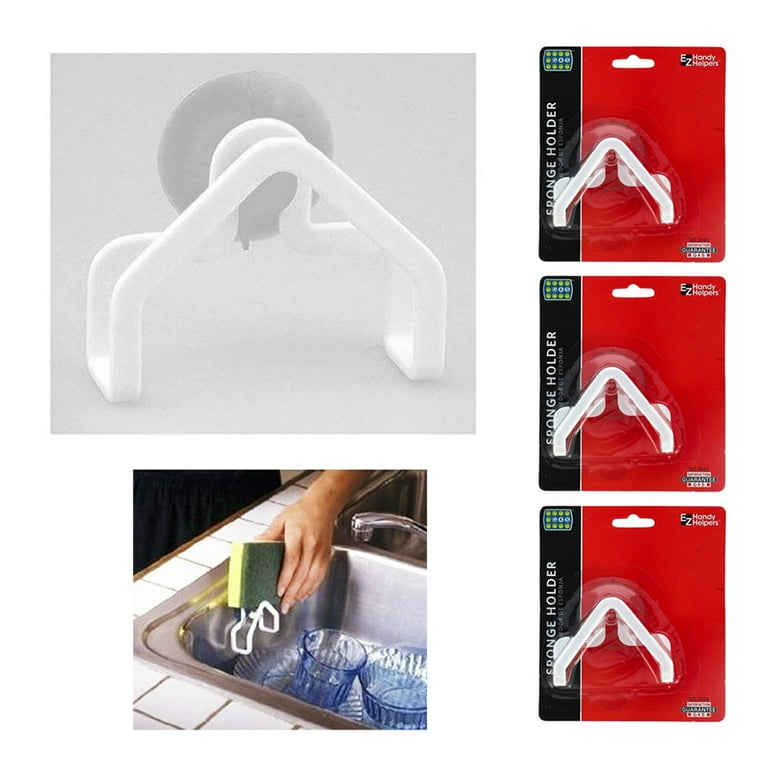
- Use a sink caddy to hold sponges and soaps, so they don’t sit on the sink’s surface.
- Clean up spills right away, especially from coffee, tea, or sauces.
- Once a month, polish the sink with a small amount of mineral oil for extra shine.
Example: Some families use a “sink schedule”—each person is responsible for cleaning at the end of their turn in the kitchen. This simple system keeps the sink clean without arguments.
Frequently Asked Questions
How Often Should I Deep Clean My Plastic Kitchen Sink?
Deep cleaning is needed every 1-2 months, or whenever you notice stains that don’t come off with your regular routine. If your family cooks often or uses strong-colored foods (like curry or tomato sauce), you may want to deep clean every 2-3 weeks.
Can I Use Bleach In My Plastic Kitchen Sink?
It’s best to avoid bleach. Even diluted bleach can weaken plastic and cause discoloration. If you need to disinfect, use a solution of vinegar and water, or a non-abrasive kitchen disinfectant made for plastics.
What Is The Safest Way To Remove Hard Water Stains?
Sprinkle baking soda on the stains, spray with white vinegar, and let it fizz for 5-10 minutes. Scrub gently with a soft sponge, rinse well, and dry. For very tough spots, repeat the process or use a little lemon juice.
How Do I Prevent Scratches In My Plastic Sink?
Use a soft sink mat, avoid metal scrubbers, and don’t drop heavy pans or utensils. Always use non-abrasive sponges or cloths, and clean right after cooking to avoid dried-on food that needs more scrubbing.
Are There Any Commercial Cleaners Safe For Plastic Sinks?
Yes, but always check the label for “non-abrasive” and “safe for plastic.” Brands like Soft Scrub (without bleach) and Lysol Kitchen Cleaner are generally safe. Test any new cleaner on a small spot before using it on the whole sink. For more safe cleaning advice, check the guidance from the Family Handyman.
A clean kitchen sink isn’t just about looks—it keeps your home healthier and makes kitchen work easier. With the right habits and gentle cleaning methods, your plastic kitchen sink can stay shiny and fresh for years. Remember, it’s easier to prevent stains and damage than to fix them later.
Use these tips, and enjoy your kitchen with less worry and more confidence.

Credit: www.reddit.com