
Keeping your home clean is important, but not all floors are the same. If you have Marmoleum floors, you know they look beautiful and feel unique under your feet. But you may also worry about how to clean them without causing damage. Unlike ordinary vinyl, Marmoleum is made from natural materials like linseed oil, wood flour, and limestone. This makes it eco-friendly but also means it needs special care. If you clean Marmoleum the wrong way, you can dull its shine, cause staining, or even shorten its life. But with the right steps, you can keep your Marmoleum floors looking fresh and lasting for decades. This guide will show you exactly how to clean, protect, and maintain Marmoleum—covering everything from daily dust to deep stains and even what to do in case of scratches or dullness.
What Makes Marmoleum Different?
Marmoleum is not just another linoleum. It’s a modern, sustainable flooring made mainly from natural ingredients like linseed oil, wood flour, and jute. It’s popular in homes, hospitals, and schools because it’s anti-bacterial, comfortable, and comes in many colors and patterns. But its natural makeup means it reacts differently to water, chemicals, and sunlight compared to synthetic floors.
Key Features Of Marmoleum
- Eco-friendly: Made from renewable materials.
- Durable: Resists dents and scratches better than vinyl.
- Antimicrobial: Naturally fights bacteria.
- Antistatic: Doesn’t attract dust as much.
- Colorfast: Resists fading, but can yellow slightly over time (a process called “ambering”).
Understanding these features helps you see why cleaning Marmoleum requires special techniques, not just a mop and bucket.
Basic Care: Daily And Weekly Cleaning
Keeping your Marmoleum clean every day is simple but important. Small particles like dirt and sand can scratch the surface over time. Here’s how to prevent that and keep your floor looking great.
Daily Cleaning Steps
1. Sweep Or Dry Mop
Use a soft broom or a microfiber dust mop. Avoid hard-bristle brooms, which can scratch. Microfiber cloths are best because they trap dust without spreading it.
2. Vacuum With Care
If you vacuum, use a soft brush attachment. Don’t use vacuums with beater bars or stiff wheels that can damage the surface.
3. Spot Clean Spills Quickly
Wipe up any spills as soon as they happen, especially liquids like juice, coffee, or wine. Use a damp cloth and mild soap if needed.
Weekly Cleaning
Once a week, you’ll want to do a slightly deeper clean:
- Damp Mop: Use a well-wrung mop with lukewarm water. Too much water can cause swelling or staining.
- Mild Cleaner: If needed, add a few drops of pH-neutral floor cleaner. Never use bleach or ammonia-based products—they can ruin the floor.
Example Weekly Mop Routine
- Fill a bucket with warm water and a few drops of pH-neutral cleaner.
- Dip your mop, then wring it almost dry.
- Mop the floor in small sections.
- Dry with a clean towel if water remains.
Pro tip: Always use as little water as possible. Marmoleum doesn’t like being soaked.
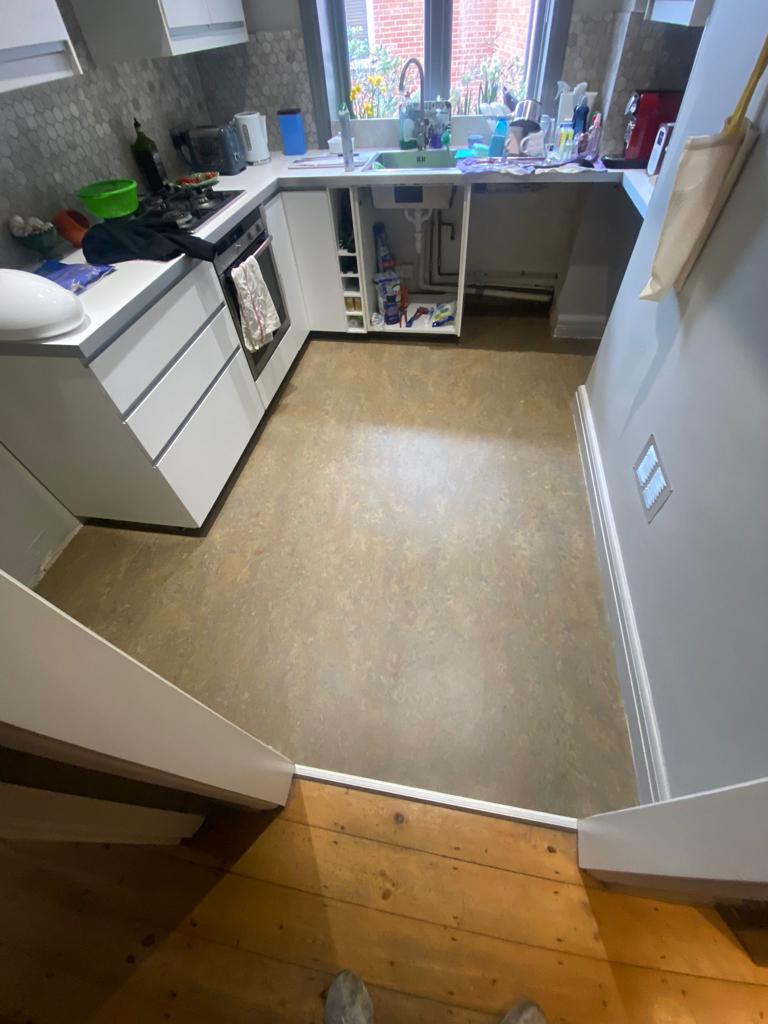
Credit: www.theflooringgroup.co.uk
How To Deep Clean Marmoleum Floors
Over time, even with regular care, Marmoleum can collect grime, scuffs, or lose its shine. Deep cleaning helps bring back the original look. But it’s important not to use harsh chemicals or too much water.
Step-by-step Deep Cleaning
- Remove Loose Dirt
- Sweep or vacuum the floor to remove debris.
- Prepare Cleaning Solution
- Mix lukewarm water with a pH-neutral floor cleaner. Check the label to ensure it’s safe for Marmoleum.
- Mop in Sections
- Use a damp mop (not soaking wet) and clean one small area at a time.
- Scrub Stubborn Spots
- For tough stains, use a soft-bristle brush or a non-abrasive pad. Gently rub the spot—don’t scrub hard, or you’ll damage the surface.
- Rinse and Dry
- After cleaning, rinse the area with plain water to remove soap residue.
- Dry with a soft towel or let the area air dry with good ventilation.
Never use steam cleaners, scouring pads, or harsh solvents. These will damage the natural oils in Marmoleum.
When To Deep Clean?
Plan to deep clean every 2–3 months in most homes, or more often in high-traffic spaces.
Removing Stains From Marmoleum
Spills and stains are part of life, especially if you have kids or pets. The key with Marmoleum is to act fast and use the right method for each stain type.
Common Stain Types And Solutions
| Stain Type | Cleaning Solution | Special Tips |
|---|---|---|
| Coffee, Tea, Juice | Mild soap + water | Blot, don’t rub |
| Grease, Oil | pH-neutral cleaner or diluted dish soap | Use warm, not hot, water |
| Ink, Marker | Isopropyl alcohol (test first) | Apply with a cotton swab |
| Scuff Marks | Soft cloth + diluted cleaner | Use tennis ball for light scuffs |
| Mildew/Mold | Baking soda paste | Let sit, then wipe |
Step-by-step: Removing A Tough Stain
- Dab the stain with a damp cloth (don’t soak).
- Apply the correct cleaner (see table above).
- Let it sit for 2–5 minutes, but don’t let it dry completely.
- Gently wipe with a soft cloth or sponge.
- Rinse with clean water.
- Dry the spot thoroughly.
Non-obvious tip: For ink stains, use a white eraser gently before trying alcohol. This can sometimes lift the stain without chemicals.
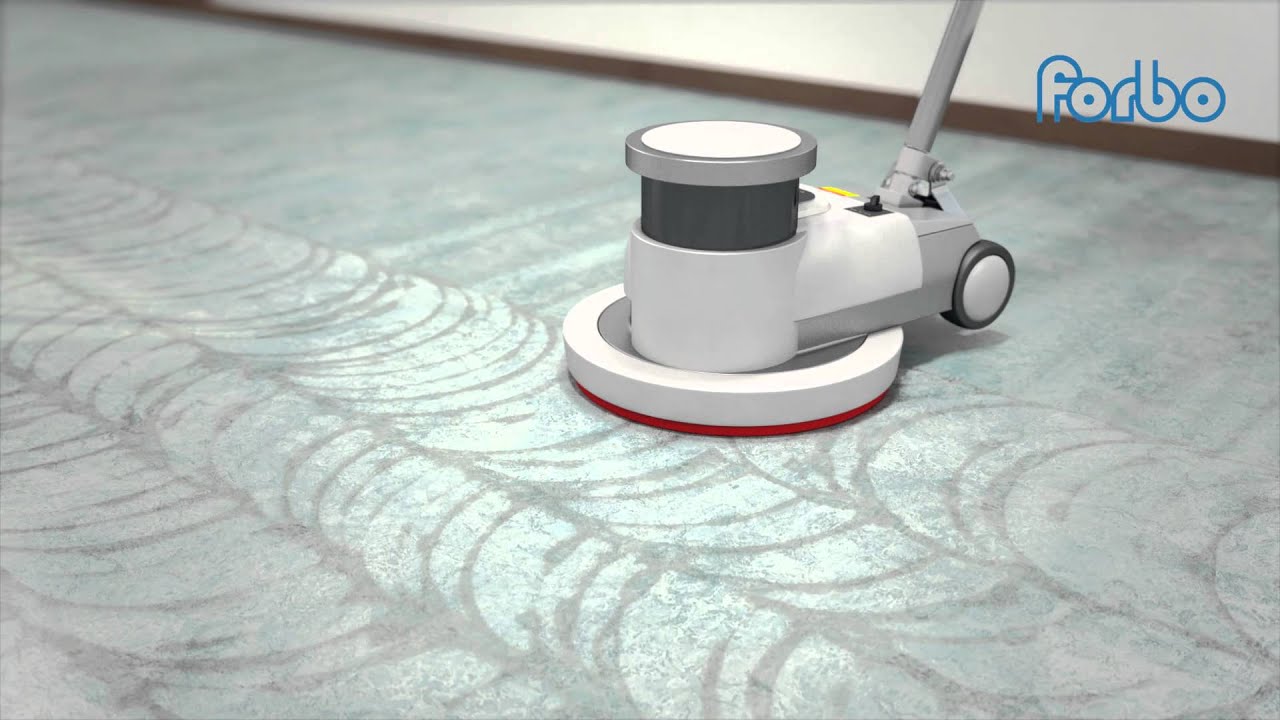
Credit: www.youtube.com
Protecting Marmoleum From Damage
Cleaning is not just about removing dirt—it’s also about keeping the floor protected from future damage. Marmoleum is tough but not invincible.
Common Sources Of Damage
- Furniture legs: Can scratch or dent.
- High heels: Can cause permanent marks.
- Direct sunlight: May cause yellowing over time.
- Moisture: Can lead to swelling or mold.
Preventive Measures
1. Use Felt Pads
Put felt pads under all furniture legs. This reduces scratches when you move chairs or tables.
2. Place Mats At Entrances
Mats trap grit and moisture, preventing them from being tracked inside.
3. Maintain A Stable Indoor Climate
Keep humidity between 40–65%. Too much moisture can cause Marmoleum to warp.
4. Avoid Dragging Heavy Items
Lift heavy furniture instead of dragging it.
5. Protect From Sunlight
Use blinds or curtains to reduce direct sun, especially in south-facing rooms.
6. Don’t Use Rubber-backed Rugs
Rubber can stain Marmoleum. Look for rugs with natural latex or jute backing.
Expert insight: Marmoleum is naturally antistatic, which means it attracts less dust, but it still needs regular protection from sharp objects and chemicals.
Restoring Shine: Polishing And Finishing
Over time, Marmoleum can lose its shine, especially in high-traffic areas. Restoring its finish doesn’t mean using wax like on old linoleum. Instead, use special Marmoleum finish products.
How To Restore Shine
- Clean Thoroughly First
- Deep clean the area to remove all dirt and residue.
- Apply Floor Finish
- Use a manufacturer-recommended Marmoleum finish. These are water-based and designed for natural floors.
- Use a Microfiber Applicator
- Apply a thin, even layer. Don’t pour directly onto the floor.
- Let It Dry Completely
- Wait at least 1 hour before walking on it. For best results, apply two thin coats instead of one thick coat.
- Buff Lightly (Optional)
- For extra shine, buff with a soft, dry cloth after the finish dries.
Important: Do not use traditional waxes or oil-based polishes. These can trap dirt and turn yellow.
How Often To Refinish?
Most homes need refinishing once a year, but high-traffic areas (kitchens, hallways) may need touch-ups every 6–8 months.
Dealing With Scratches And Surface Damage
Even with great care, small scratches may appear over time. Marmoleum is resilient, but it’s not scratch-proof.
Fixing Light Scratches
- Buff with a soft cloth and a drop of pH-neutral cleaner.
- For slightly deeper scratches, use a Marmoleum repair kit (available from flooring suppliers).
Repairing Deeper Damage
For gouges or deep cuts:
- Clean the area.
- Apply color-matched Marmoleum filler from a repair kit.
- Smooth with a plastic spatula.
- Let it dry, then buff lightly.
Non-obvious insight: If you have leftover Marmoleum from installation, you can cut a small patch and glue it in place for a perfect color match.
Special Cleaning Situations
After Construction Or Renovation
Dust from drywall, paint, or cement can scratch and dull Marmoleum quickly.
- Sweep and vacuum thoroughly before mopping.
- Use only a damp mop—never wet.
- If there are glue or paint spots, gently lift with a plastic scraper, then clean as above.
Pets And Marmoleum
Pet urine or vomit must be cleaned immediately to avoid stains and odors.
- Blot with paper towels.
- Wash with pH-neutral cleaner.
- Rinse and dry fully.
Marmoleum’s antimicrobial properties help, but fast cleaning is still crucial.
Allergy Control
Marmoleum’s antistatic surface means less dust, which is good for allergy sufferers. Weekly vacuuming and damp mopping keep allergens low.
Cleaning Marmoleum In High-traffic Areas
Kitchens, hallways, and entryways see more dirt and wear. These areas need more frequent cleaning and protection.
- Mop twice a week instead of once.
- Use extra mats near sinks and doors.
- Check and replace felt pads on chairs every few months.
Pro tip: In commercial buildings, use entrance matting systems that cover at least 6 feet inside the door.
Comparing Marmoleum To Other Floors: Maintenance Demands
It helps to see how Marmoleum compares to other common floors in terms of cleaning and care.
| Floor Type | Water Tolerance | Scratch Resistance | Cleaning Frequency | Common Issues |
|---|---|---|---|---|
| Marmoleum | Low | Medium-High | Weekly | Yellowing, swelling |
| Vinyl | Medium | Medium | Weekly | Fading, tears |
| Hardwood | Low | Medium | Weekly | Scratches, water stains |
| Tile | High | High | Bi-weekly | Grout stains, cracking |
This comparison shows that Marmoleum is more sensitive to water than tile or vinyl but more scratch-resistant than hardwood. It needs special cleaners and regular, gentle care.
Choosing The Right Cleaning Products
Not all cleaners are safe for Marmoleum. The wrong product can damage the floor or shorten its life.
Best Products For Marmoleum
- PH-neutral floor cleaners: Specially made for natural floors.
- Microfiber mops: Gentle but effective.
- Soft bristle brushes: For spot cleaning.
Products To Avoid
- Bleach or ammonia-based cleaners
- Abrasive powders or scouring pads
- Oil soaps or waxes
- Steam mops
How To Read Product Labels
Look for labels that say “safe for Marmoleum” or “pH-neutral. ” If you’re not sure, test the cleaner on a small, hidden spot first.
Beginner mistake: Many people use all-purpose cleaners, but these often contain harsh chemicals that will dull or yellow Marmoleum. Always choose products made for natural or linoleum floors.
Mistakes To Avoid When Cleaning Marmoleum
Even well-meaning cleaning can sometimes do more harm than good.
- Using Too Much Water
- Excess water seeps into seams and can cause swelling.
- Scrubbing with Abrasives
- Steel wool or rough pads scratch and dull the finish.
- Ignoring Spills
- Marmoleum resists stains, but not forever. Wipe up spills as soon as possible.
- Not Rinsing Cleaners
- Leftover soap can build up and attract dirt.
- Skipping Protection
- Not using felt pads or mats increases long-term wear.
- Wrong Cleaning Schedule
- Too little cleaning lets grit scratch the floor; too much, especially with water, can damage it.
- Using Wax or Polish Not Made for Marmoleum
- Old-fashioned wax can seal in dirt and turn yellow.
Non-obvious tip: Always mop with the grain or pattern of your Marmoleum. This reduces streaks and helps the floor look its best.
How To Clean Marmoleum After Long Neglect
Maybe you just moved into a house with Marmoleum that hasn’t been cleaned for years. Don’t panic—restoration is possible.
Step-by-step Restoration
1. Remove Surface Dirt
Vacuum and sweep several times to get rid of all loose debris.
2. Deep Clean Gently
Damp mop with a pH-neutral cleaner. Work in small sections.
3. Treat Stains And Scuffs
Use the stain-removal methods above for stubborn spots.
4. Assess Surface Condition
If the floor still looks dull or scratched, apply a Marmoleum finish.
5. Buff For Final Shine
Once dry, lightly buff with a microfiber cloth.
Important: Don’t try to fix everything in one day. It’s better to do several gentle cleans than one harsh clean.
When To Call A Professional
Most cleaning can be done at home, but some problems need expert help.
- Deep scratches or gouges
- Large stained areas
- Water damage or warping
- Restoring old Marmoleum with heavy build-up
A Marmoleum professional can restore, repair, or even refinish the floor using special equipment and products.
If you’re unsure, contact the manufacturer or your local flooring specialist for advice.

Credit: www.amazon.com
Caring For Marmoleum In Commercial Spaces
Marmoleum is common in schools, hospitals, and offices. These places need extra care due to heavy use.
- Clean daily using auto scrubbers with pH-neutral cleaner.
- Use protective mats at every entrance.
- Refinish high-traffic areas every 3–6 months.
- Train staff on the correct cleaning methods.
For more details on Marmoleum’s professional care, visit the official Forbo Marmoleum site.
Environmental Benefits Of Marmoleum Care
One advantage of Marmoleum is its eco-friendly nature. Using gentle, natural cleaners and avoiding harsh chemicals helps protect not just your floor, but also the environment. Minimal water use and biodegradable cleaning agents are best.
Did you know? Marmoleum production uses 97% natural raw materials and is CO₂ neutral from cradle to gate. That means careful cleaning keeps your home green as well as clean.
Frequently Asked Questions
How Often Should I Clean Marmoleum Floors?
For most homes, sweep or dust-mop daily and damp mop once a week. In high-traffic areas or homes with pets, you may want to mop 2–3 times a week. Deep cleaning is recommended every 2–3 months.
Can I Use Vinegar Or Baking Soda To Clean Marmoleum?
It’s best to avoid vinegar, as it’s acidic and can damage the natural oils in Marmoleum. Baking soda is safe for spot cleaning mold or mildew but should be used in a paste, not sprinkled dry, and rinsed thoroughly.
What Should I Do If My Marmoleum Starts To Yellow?
Yellowing, known as “ambering,” happens when Marmoleum is exposed to sunlight or strong cleaners. Try deep cleaning and applying a recommended Marmoleum finish. For persistent yellowing, consult a professional.
Are Steam Mops Safe For Marmoleum Floors?
No, steam mops use high heat and too much moisture, which can cause Marmoleum to warp or lose its finish. Stick to damp mopping with lukewarm water.
How Do I Remove Scuff Marks From Marmoleum?
For light scuffs, rub gently with a soft, damp cloth or use a clean tennis ball. For tougher marks, use a pH-neutral cleaner and a soft cloth. Never use abrasive pads or strong solvents.
—
Caring for Marmoleum floors is about gentle, regular cleaning and smart protection. By using the right methods and products, you’ll keep your floors looking bright, comfortable, and healthy for decades. Whether you’re dealing with daily dust or a stubborn stain, following these steps ensures your Marmoleum remains a beautiful and sustainable part of your home.