
Keeping your bath pillow clean is more important than many people realize. After a relaxing soak, your pillow collects sweat, oils, soap residue, and even bacteria. If you don’t clean it regularly, your bath pillow can start to smell, look dirty, or even develop mold. Many people think throwing it in the washing machine is enough, but that’s not always safe or effective—especially for waterproof or memory foam pillows.
Cleaning a bath pillow isn’t complicated, but it does require some special care. With the right steps, you’ll make your pillow last longer, stay comfortable, and keep your bathing area healthy. In this guide, you’ll discover everything you need to know, from the best cleaning methods for every type to tips for removing tough odors and stains.
Let’s keep your bath sanctuary fresh and inviting.
Understanding Bath Pillow Materials
Bath pillows come in different shapes and materials. Each type needs a slightly different cleaning approach. Knowing your pillow’s material will help you avoid mistakes that can damage it.
Common Bath Pillow Materials
- Vinyl or Waterproof Plastic: Most common in budget-friendly pillows. They resist water but can collect grime in seams.
- Mesh or 3D Air Mesh: Popular for breathability. These dry quickly but can trap soap and bacteria in layers.
- Memory Foam: Offers superior comfort but absorbs water easily and dries slowly.
- Gel-filled or Inflatable: Provide support and are easy to wipe, but seams and valves can harbor mold.
- Terry Cloth Covers: Soft and absorbent, but need frequent washing to prevent odor.
Why Material Matters
Each material reacts differently to cleaning agents and water. For example, soaking a memory foam pillow can lead to mold growth, while harsh bleach on mesh can weaken the fabric. Understanding this will help you choose the right cleaning method and avoid common mistakes.
Why Regular Cleaning Is Essential
A bath pillow sits in a wet, warm environment—perfect for bacteria and mold. Here’s why you should clean yours regularly:
- Hygiene: Soap residue, body oils, and dead skin cells build up quickly.
- Odor Prevention: Bacteria and mildew cause unpleasant smells.
- Pillow Longevity: Proper cleaning prevents material breakdown and keeps the pillow looking new.
- Skin Health: A dirty pillow can cause skin irritation or breakouts.
You might not see all the dirt, but it’s there. Regular cleaning stops problems before they start.
Supplies You’ll Need
Before you start, gather these supplies. Having everything ready makes the process smoother.
- Mild detergent (fragrance-free preferred)
- White vinegar (natural disinfectant)
- Baking soda (odor remover)
- Soft brush or old toothbrush
- Microfiber cloths
- Spray bottle
- Bucket or basin
- Clean towels
- Disinfectant spray (safe for fabrics)
- Fan or hair dryer (for quick drying)
- Laundry bag (for machine-washable pillows)
Avoid harsh chemicals like bleach unless the manufacturer says it’s safe.
How To Clean A Bath Pillow: Step-by-step
Let’s look at the best cleaning process for each type of bath pillow. If you’re unsure what kind you have, start with the gentlest method.
Cleaning Vinyl Or Waterproof Pillows
- Remove from Tub: Take the pillow out and shake off water.
- Prepare Soapy Water: Mix a few drops of mild detergent in warm water.
- Wipe Down: Use a microfiber cloth to scrub all surfaces, focusing on seams.
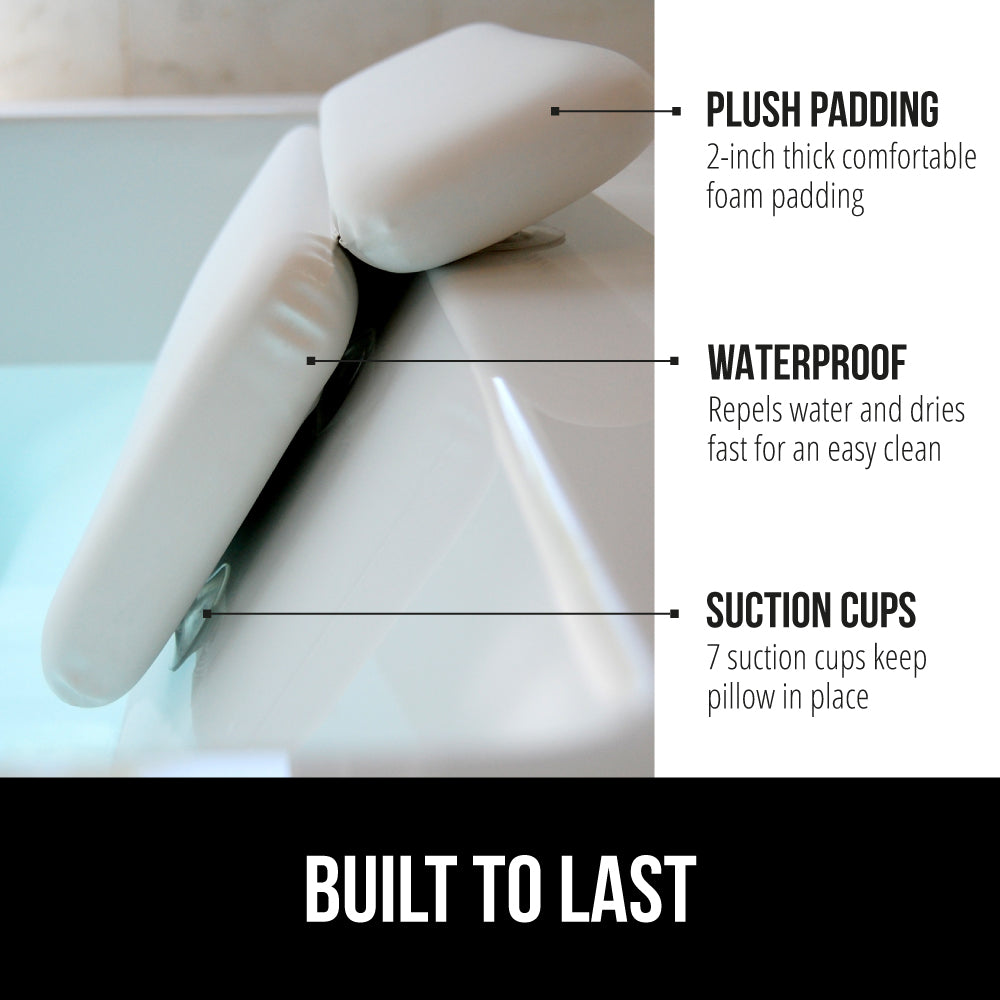
- Scrub Stubborn Spots: Use a soft brush for grime in corners or suction cups.
- Rinse Thoroughly: Wipe with a clean, damp cloth to remove soap.
- Disinfect: Spray with vinegar or disinfectant and let sit for 5 minutes.
- Dry Completely: Pat with a towel and air dry before storing.
Vinyl pillows are the easiest to clean but can hide mildew in seams. Check these areas often.
Cleaning Mesh Or 3d Air Mesh Pillows
- Rinse Under Shower: Wash away loose dirt and soap.
- Soak in Soapy Water: Fill a basin with warm water and mild detergent. Submerge for 10–15 minutes.
- Scrub Gently: Use a brush to clean layers and edges.
- Rinse Thoroughly: Squeeze out soapy water and rinse under running water.
- Disinfect: Spray with vinegar solution if desired.
- Air Dry: Place in a ventilated area or hang near a fan.
Mesh pillows dry fast but can hold bacteria if not cleaned regularly. Never use bleach—it weakens the fibers.
Cleaning Memory Foam Bath Pillows
- Spot Clean Only: Do not soak. Mix mild detergent with water.
- Dab with Cloth: Use a damp cloth to clean the surface. Don’t overwet.
- Treat Stains: Apply baking soda paste to stained spots for 15 minutes, then wipe away.
- Disinfect: Lightly mist with vinegar solution and blot dry.
- Dry Properly: Place in direct sunlight or use a fan. Never use a dryer.
Memory foam is delicate and can grow mold if left damp. Always ensure it’s fully dry before using.
Cleaning Gel-filled Or Inflatable Pillows
- Empty and Deflate: If inflatable, release all air.
- Wipe with Soapy Water: Use a cloth and mild detergent.
- Clean Seams/Valves: Brush around valves where water collects.
- Rinse and Disinfect: Wipe with clean water, then disinfect.
- Dry Thoroughly: Pat with towel and leave to air dry, valve open.
Avoid puncturing the pillow when cleaning seams.
Cleaning Terry Cloth Bath Pillow Covers
- Remove Cover: If possible, unzip and remove the cover.
- Machine Wash: Place in laundry bag, wash with mild detergent on gentle cycle.
- Air Dry: Lay flat to dry. Avoid high heat.
- Clean Inner Pillow: Spot clean insert as per its material.
Terry cloth feels soft but needs frequent washing to prevent mildew.

Credit: www.amazon.com
Deep Cleaning For Stains And Odors
Sometimes, your bath pillow needs more than basic cleaning. Here’s how to handle tough cases:
Removing Mold And Mildew
Mold appears as black or green spots, often with a musty smell.
- Mix Vinegar Solution: 1 part white vinegar, 2 parts water.
- Apply to Affected Areas: Spray or dab with a cloth.
- Let Sit: Wait 10–20 minutes.
- Scrub and Rinse: Use a brush, then rinse well.
- Repeat if Needed: Stubborn mold may need more treatments.
- Dry in Sunlight: Sunlight kills mold spores.
If mold returns, consider replacing the pillow.
Removing Tough Odors
Odors linger even after washing. Try these steps:
- Baking Soda Paste: Mix baking soda with water, spread on pillow, let sit 30 minutes, then rinse.
- Vinegar Rinse: Rinse pillow with diluted vinegar.
- Sun Dry: Sunlight naturally deodorizes.
Never cover up odors with fragrance sprays—they only mask the problem.
Handling Stains
Some stains need special attention.
- Pre-treat with Detergent: Rub a drop of detergent into the stain.
- Soak or Spot Clean: As per pillow material.
- Baking Soda for Oil Stains: Sprinkle, let sit, then brush off.
- Hydrogen Peroxide for Deep Stains: For white or colorfast pillows only—test first.
Always test any cleaning method on a small area.
Drying Your Bath Pillow Properly
Drying is just as important as washing. A damp pillow can grow mold, even after cleaning.
- Pat Dry: Use a towel to remove as much water as possible.
- Air Circulation: Hang or lay flat in a ventilated area.
- Direct Sunlight: Sun kills bacteria and speeds up drying.
- Use a Fan: Place in front of a fan for faster results.
- Avoid Heat: Never put bath pillows in a dryer unless label says it’s safe—high heat can damage materials.
Memory foam and thick pillows take longer to dry. Never use until fully dry.
How Often Should You Clean Your Bath Pillow?
Many people wait until their pillow smells or looks dirty, but regular cleaning prevents problems.
- After Every Use: Rinse off soap and water, air dry completely.
- Weekly: Deep clean with detergent and disinfectant.
- After Sickness or Skin Infection: Disinfect thoroughly before next use.
- If Stored Damp: Clean immediately if pillow was left wet or in a humid bathroom.
Regular cleaning keeps your bath pillow fresh, safe, and comfortable.
Bath Pillow Cleaning Mistakes To Avoid
Even with the best intentions, it’s easy to make mistakes. Here’s what to watch out for:
- Using Bleach on All Materials: Bleach can damage mesh, foam, and some plastics.
- Soaking Memory Foam: This traps water inside, leading to mold.
- Skipping Drying: Even a clean pillow can grow bacteria if left damp.
- Ignoring Seams and Suction Cups: These areas collect grime and bacteria.
- Washing in Hot Water: High temperatures may warp or shrink pillow materials.
- Using Harsh Scrubbers: Steel wool or rough sponges can tear surfaces.
- Forgetting to Check Care Labels: Always follow manufacturer’s instructions.
Learning from these mistakes saves money and avoids frustration.

Credit: www.soothingcompany.com
Comparing Bath Pillow Cleaning Methods
Different cleaning methods work best for different pillow types. This simple comparison helps you choose the right approach.
| Method | Best For | Time Needed | Notes |
|---|---|---|---|
| Soapy Water Wipe | Vinyl, Inflatable | 10–15 min | Quick and easy |
| Soak & Scrub | Mesh, Terry Cloth | 20–30 min | Removes deep dirt |
| Spot Cleaning | Memory Foam | 15–20 min | Prevents water damage |
| Vinegar Disinfectant | All Types | 5–10 min | Kills bacteria, removes odor |
How To Store Your Bath Pillow To Keep It Clean
Proper storage is an often overlooked step. Storing your pillow correctly prevents mold and extends its life.
Storage Tips
- Dry Completely: Always make sure the pillow is bone-dry before storing.
- Cool, Dry Place: Avoid humid bathrooms or closets.
- Hang Up: Use a hook or hanger to keep off wet surfaces.
- Ventilated Bag: Store in a mesh or breathable bag, not plastic.
- Avoid Crushing: Don’t store under heavy items; this deforms the shape.
Small steps during storage make a big difference in cleanliness.
When To Replace Your Bath Pillow
Even with the best care, bath pillows don’t last forever. Watch for these signs:
- Persistent Odor: If smells return after cleaning, mold may be deep inside.
- Discoloration or Stains: Yellowing or black spots that won’t wash out.
- Material Breakdown: Tears, cracks, or loss of support.
- Allergic Reactions: If you develop skin irritation after use.
Most bath pillows last 6–18 months with regular cleaning. If you notice any of the above, it’s time to invest in a new one.
Bath Pillow Care For Sensitive Skin
People with sensitive skin need to take extra care. Residual soap or bacteria can cause irritation.
- Use Fragrance-Free Detergent: Avoid strong scents and dyes.
- Rinse Thoroughly: No soap or cleaner should remain on the pillow.
- Disinfect Regularly: Use gentle vinegar or a skin-safe spray.
- Sun-Dry When Possible: Sunlight helps kill allergens.
- Wash More Often: Clean after every 1–2 uses.
If you have allergies, always check pillow materials before buying.
Eco-friendly Cleaning Tips
You can clean your bath pillow without harming the environment. Try these tips:
- Choose Natural Cleaners: White vinegar and baking soda are safe and effective.
- Reuse Cleaning Cloths: Instead of disposable wipes, use washable microfiber.
- Air Dry in Sun: Avoid the energy cost of dryers or fans when possible.
- Low-Water Soaking: Fill a small basin instead of the whole tub.
These practices are good for your pillow, your health, and the planet.
How Bath Pillow Cleaning Compares To Other Bath Accessories
Bath pillows aren’t the only items needing regular cleaning. Here’s how their care compares to other bathroom accessories:
| Item | Cleaning Frequency | Cleaning Method | Special Tips |
|---|---|---|---|
| Bath Pillow | Weekly | Soak/Spot Clean | Dry completely, avoid soaking foam |
| Shower Mat | Every 1–2 weeks | Machine wash or soak | Hang to dry after use |
| Loofah/Sponge | After every use | Rinse, air dry, disinfect weekly | Replace monthly |
| Towel | Every 3–4 uses | Machine wash hot | Dry fully before reuse |
Bath pillows are unique because they combine fabric, foam, and plastic—each requiring special attention.
Common Myths About Bath Pillow Cleaning
A lot of advice online is outdated or just plain wrong. Let’s clear up some common myths:
- “You can always use bleach.” Not true—bleach can ruin your pillow and irritate your skin.
- “Bath pillows clean themselves in the tub.” They collect soap and oils, but that’s not cleaning.
- “Sunlight alone kills all germs.” Sun helps, but it’s not a replacement for washing.
- “All bath pillows are machine washable.” Many are not, especially foam or gel types.
- “Odor means it’s time to wash, not replace.” Sometimes, odor means the pillow is beyond saving.
Trust care labels and proven cleaning methods.
Disinfecting Your Bath Pillow: What Actually Works
Not all disinfectants are safe or effective for bath pillows. Here’s what to use:
- White Vinegar: Kills most bacteria and is safe for most materials.
- Hydrogen Peroxide (3%): Good for white or colorfast surfaces. Test first.
- Mild Laundry Disinfectant: Use as directed; avoid harsh chemicals.
- Sunlight: Natural disinfectant, but not a replacement for cleaning.
Avoid alcohol or bleach unless the manufacturer says it’s safe. Always rinse disinfectants thoroughly.
Preventing Mold And Mildew
The biggest enemy of bath pillows is mold. Here’s how to prevent it:
- Dry After Every Use: Moisture is mold’s best friend.
- Disinfect Weekly: Regular vinegar or disinfectant spray keeps spores away.
- Store in Open Air: Closed containers trap humidity.
- Check for Damage: Cracks or worn areas let water in.
- Replace if Needed: Mold in foam or seams is often impossible to remove.
Catch problems early for a clean, fresh pillow every time.
Signs Your Bath Pillow Needs Attention
Don’t wait for bad smells or visible dirt. Here are subtle signs to clean your bath pillow:
- Suction cups lose grip: Soap scum may be the cause.
- Surface feels slimy: Oils and bacteria have built up.
- Color fading: Indicates chemical residue or mildew.
- Skin irritation: Often a sign of bacteria or chemical buildup.
Early cleaning is always easier than deep cleaning later.
Bath Pillow Cleaning: Real-world Examples
Here are a few practical examples:
- Mesh Pillow after a Summer Soak: After several hot baths, a mesh pillow developed a musty smell. Regular cleaning didn’t help. Soaking in vinegar, air drying in sunlight, and brushing seams solved the problem.
- Memory Foam Pillow with Oil Stains: Bath oils left yellow stains. Baking soda paste lifted the stains, and careful spot cleaning kept the foam intact.
- Vinyl Pillow with Suction Cup Mold: Mold appeared around suction cups. Scrubbing with a toothbrush and vinegar removed it, but the pillow was replaced when mold returned.
Personal experience shows: quick action and proper drying prevent most issues.
Bath Pillow Cleaning For Travelers
If you use bath pillows in hotels or spas, you still need to keep them clean.
- Bring a Travel-Sized Spray: Disinfect after use.
- Dry Quickly: Hang near an air vent or use a towel.
- Use a Travel Bag: Store in a breathable pouch, not plastic.
- Check for Mold Before Use: Don’t use if pillow smells or looks dirty.
Travel pillows often get less attention—don’t let hygiene slip when you’re away from home.
The Science Behind Bath Pillow Hygiene
Studies show that bacteria and fungi love moist, warm places—like your bath pillow. In one test, 70% of used bath pillows showed bacterial growth after just one week without cleaning. Mold spores can double every 24 hours in damp foam. This isn’t just a cleanliness issue—it’s about health and comfort.
Regular cleaning, drying, and disinfecting cut down bacteria by over 90%. Simple steps make a big difference for your well-being.
Trusted Resources For Further Learning
If you want to learn more about cleaning and hygiene, the Centers for Disease Control and Prevention provides guidelines on household cleaning and disinfection. For more details, check the official CDC Bathroom Cleaning Guide.
Credit: gorillagrip.com
Frequently Asked Questions
How Often Should I Clean My Bath Pillow?
You should rinse and dry your bath pillow after every use and do a deep clean at least once a week. Clean more often if you use oils, have sensitive skin, or notice a smell.
Can I Put My Bath Pillow In The Washing Machine?
Some bath pillows are machine washable, especially those with removable covers. Always check the care label. Never put memory foam or gel pillows in the machine.
What Is The Best Way To Remove Mold From A Bath Pillow?
Use a mixture of white vinegar and water. Spray or dab on the mold, let it sit for 10–20 minutes, then scrub and rinse well. Dry fully in sunlight. If mold returns, replace the pillow.
What’s The Safest Disinfectant For Bath Pillows?
White vinegar is safe for most materials and kills bacteria and mold. Avoid harsh chemicals unless your pillow’s label specifically allows them.
How Can I Keep My Bath Pillow From Smelling?
Clean and dry your pillow after every use, use baking soda to absorb odors, and store it in a dry, ventilated area. Avoid leaving it in the tub or a damp bathroom.
A clean bath pillow makes your bath time more relaxing and safe. With these steps, you can easily keep your pillow fresh, avoid health risks, and enjoy every soak. Remember, regular care pays off in comfort and peace of mind.