
Keeping your walk-in shower floor clean is not just about making your bathroom look nice. It also protects your family’s health and keeps your shower safe to use. Over time, soap scum, hard water stains, mold, and mildew can build up on the floor. These problems make the surface slippery and dull, and they can even cause damage if ignored. Many people think a quick rinse is enough, but deep cleaning is the secret to a fresh, hygienic shower.
If you have struggled with stubborn stains or slippery tiles, you are not alone. Walk-in showers are popular because they are easy to enter and look modern, but their open design means water, soap, and hair often linger on the floor.
This article will guide you step by step, so you know exactly how to clean your walk-in shower floor—whether it’s tile, stone, fiberglass, or another material. You’ll learn what tools to use, which cleaners work best, and how to keep the floor spotless for months.
Along the way, you’ll find tips that even experienced homeowners miss, plus simple solutions for common mistakes.
Let’s make your shower floor shine like new, with less effort and better results.
Understanding Your Shower Floor Material
Before you start cleaning, it’s important to know what kind of floor you have. Not all cleaning products are safe for every surface. Using the wrong cleaner can cause stains, scratches, or even permanent damage.
Common Shower Floor Types
1. Ceramic Or Porcelain Tile
These are durable and water-resistant. The grout lines, however, can trap dirt and soap scum.
2. Natural Stone (marble, Granite, Slate)
These look luxurious but are sensitive to acidic cleaners and can stain easily.
3. Fiberglass Or Acrylic
Lightweight, affordable, and easy to install, but they scratch easily and can discolor.
4. Textured Or Non-slip Surfaces
These floors are made for safety but can hold onto grime and soap, making them harder to clean.
Why Material Matters
Let’s look at a comparison of how different shower floor materials react to common cleaning solutions:
| Material | Safe Cleaners | Cleaners to Avoid | Special Care |
|---|---|---|---|
| Ceramic/Porcelain | Vinegar, mild detergents | Strong acids, bleach (on colored grout) | Scrub grout lines gently |
| Natural Stone | Stone-specific pH-neutral cleaner | Vinegar, lemon, ammonia | Seal regularly |
| Fiberglass/Acrylic | Diluted dish soap, baking soda | Abrasive pads, harsh chemicals | Avoid scrubbing too hard |
If you’re not sure about your floor type, check your home paperwork or ask the installer. Knowing your material is the first step toward safe and effective cleaning.
Gathering The Right Tools And Supplies
Cleaning your walk-in shower floor is much easier with the proper tools. Picking the right products for your floor material saves time and prevents damage.
Must-have Tools
- Soft-bristle brush or scrubber (for grout or textured surfaces)
- Non-scratch sponge (for fiberglass and acrylic)
- Spray bottle (for applying cleaner evenly)
- Squeegee (helps remove water and cleaner)
- Old toothbrush (for corners and grout lines)
- Bucket and mop (for rinsing large areas)
Recommended Cleaning Products
- PH-neutral cleaner (safe for most surfaces)
- Baking soda (gentle scrubbing power)
- White vinegar (for tile, not for natural stone)
- Hydrogen peroxide (for stain and mildew removal)
- Oxygen bleach (safer than regular bleach for grout)
- Commercial shower cleaner (for tough soap scum)
Protective Gear
- Gloves (protect your hands)
- Ventilation mask (if using stronger chemicals)
- Knee pads or small stool (to avoid discomfort)
Pro Tip
Many beginners make the mistake of using the same cleaner for every surface. Always check the label to ensure it’s safe for your floor type. Never mix vinegar and bleach—they produce toxic fumes.
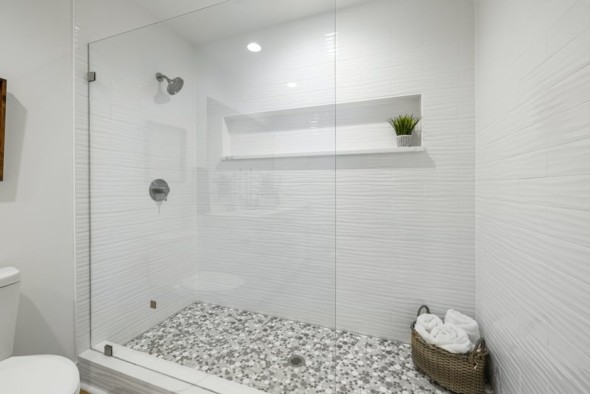
Credit: bucketsandbows.com
Preparing The Shower For Cleaning
Preparation helps you clean faster and get better results. Here’s how to get your shower ready:
- Remove everything from the shower: Take out shampoo bottles, razors, mats, and any other items. This gives you full access to the floor.
- Sweep or vacuum the floor: Hair and dust can make cleaning harder. Quickly sweep or vacuum to remove loose debris.
- Rinse the floor with warm water: This loosens soap scum and makes scrubbing easier.
- Check for mold or mildew: If you see black or pink spots, plan to treat those areas first.
Some people skip these steps and end up scrubbing dirt into the surface. A few minutes of prep can save you from double work.
Step-by-step Cleaning Instructions
Let’s break down the process for each type of shower floor. You’ll also learn how to handle common problems like stains, soap scum, and mold.
Cleaning Ceramic Or Porcelain Tile Floors
1. Apply A Cleaning Solution:
Mix equal parts white vinegar and warm water in a spray bottle. Spray the floor generously.
2. Let It Sit:
Wait 5-10 minutes. This allows the solution to break down soap scum and hard water stains.
3. Scrub The Tiles:
Use a soft-bristle brush or sponge. Focus on grout lines, as they trap more dirt.
4. Tackle Tough Stains:
Sprinkle baking soda over stubborn spots. Scrub gently with a damp brush.
5. Rinse Thoroughly:
Use warm water to wash away all cleaner and grime. Make sure no residue remains.
6. Dry The Floor:
Use a squeegee or towel to remove water. This prevents new stains and mold.
Cleaning Natural Stone Floors
Natural stone is sensitive to acid, so avoid vinegar or lemon-based cleaners.
1. Use A Stone-safe Cleaner:
Spray a pH-neutral cleaner designed for stone surfaces. Read the label carefully.
2. Let The Cleaner Work:
Leave it on for 5 minutes.
3. Gently Scrub:
Use a soft brush or microfiber cloth. Do not use abrasive pads.
4. Rinse Well:
Remove all cleaner with clean water.
5. Dry Completely:
Water spots can stain stone. Use a dry towel or cloth to absorb moisture.
Cleaning Fiberglass Or Acrylic Floors
These materials scratch easily, so use non-abrasive tools.
1. Mix A Gentle Cleaner:
Combine a few drops of dish soap with warm water.
2. Apply With A Sponge:
Use a non-scratch sponge to spread the solution.
3. Focus On Stains:
For tough spots, sprinkle baking soda, then scrub lightly.
4. Rinse Thoroughly:
Wash away all soap with warm water.
5. Dry To Prevent Water Spots:
Wipe with a microfiber cloth.
Cleaning Textured Or Non-slip Floors
Textured surfaces trap dirt, but aggressive scrubbing can damage them.
1. Spray With A Mild Cleaner:
Use a pH-neutral or gentle bathroom cleaner.
2. Use A Soft Brush:
Work in circles to lift dirt from grooves.
3. Soak Stubborn Areas:
Let the cleaner sit for 10-15 minutes before scrubbing again.
4. Rinse And Dry:
Run warm water and then dry completely.
Dealing With Grout Lines
Grout can become stained and harbor mold. For deep cleaning:
- Make a paste with baking soda and water.
- Apply to grout lines.
- Spray with hydrogen peroxide.
- Wait 10 minutes, then scrub with an old toothbrush.
- Rinse and dry.
Removing Mold And Mildew
Mold and mildew are common in showers, especially in corners and grout.
- Spray affected areas with a mix of 1 part hydrogen peroxide to 2 parts water.
- Let it sit for 15 minutes.
- Scrub with a brush and rinse well.
For severe cases, use oxygen bleach (never regular bleach on colored grout or stone).

Credit: www.bathwraps.com
How To Remove Stubborn Stains And Soap Scum
Soap scum is a sticky film that forms when soap mixes with minerals in water. Hard water stains look like white, chalky spots.
Soap Scum Removal
- Spray white vinegar (for tile and fiberglass only) and let it sit for 10-15 minutes.
- Sprinkle baking soda on top.
- Scrub with a soft brush.
- Rinse and dry.
Hard Water Stain Removal
- Use a commercial limescale remover for tiles.
- For fiberglass, use a paste of baking soda and water.
- Rinse and repeat as needed.
Mold And Mildew Stain Removal
- Use hydrogen peroxide or a bathroom mold remover.
- Rinse and dry thoroughly.
Here’s a quick comparison of the best stain removal methods for each surface:
| Problem | Tile | Natural Stone | Fiberglass/Acrylic |
|---|---|---|---|
| Soap Scum | Vinegar, baking soda | Stone-safe cleaner | Baking soda paste |
| Hard Water | Limescale remover | Special stone cleaner | Baking soda, gentle scrubbing |
| Mold/Mildew | Hydrogen peroxide | Oxygen bleach (stone-safe) | Hydrogen peroxide |
Preventing Future Build-up
Cleaning is easier if you prevent problems before they start. Regular maintenance keeps your walk-in shower floor looking fresh.
Daily And Weekly Habits
1. Squeegee After Each Use:
Run a squeegee over the floor to remove water. This simple step stops water spots and mildew.
2. Leave The Door Or Curtain Open:
Air circulation dries the shower faster, reducing mold growth.
3. Wipe Surfaces Weekly:
Use a microfiber cloth or mop to quickly wipe the floor.
4. Check For Leaks:
Fix any drips to prevent constant moisture.
Deep Cleaning Schedule
- Tile and grout: Deep clean every 2-4 weeks.
- Natural stone: Use stone cleaner every 2 weeks, reseal every 6-12 months.
- Fiberglass/acrylic: Clean deeply once a month.
Seal Grout And Stone
Sealing protects surfaces and makes cleaning easier. Apply a grout or stone sealer as directed by the manufacturer.
Unexpected Insight
Many people don’t realize that high humidity in the bathroom speeds up mold growth. Using an exhaust fan or dehumidifier after showers can cut cleaning time in half.
Safe Cleaning Tips And Common Mistakes
Even the best products can do harm if used incorrectly. Here’s how to get results without risk.
Key Safety Tips
- Always read product labels.
- Wear gloves and ventilate the bathroom.
- Never mix cleaners (like ammonia and bleach).
- Test new products on a small area first.
Common Mistakes To Avoid
1. Using Harsh Chemicals On Stone:
Acidic cleaners can etch and stain stone forever.
2. Scrubbing Too Hard On Fiberglass:
This causes scratches that attract more dirt.
3. Forgetting To Rinse:
Leftover cleaner can make floors sticky or slippery.
4. Ignoring Grout Lines:
Grout needs attention to prevent stains and mold.
5. Skipping Regular Maintenance:
It’s much harder to remove old build-up than to clean regularly.
Pro Tip
If you notice a strong chemical smell, open a window or run the bathroom fan. Breathing in fumes can be harmful, especially in a small space.
Eco-friendly And Homemade Cleaning Solutions
Many people prefer to avoid harsh chemicals. Eco-friendly cleaners can be effective and safe for your family and pets.
Homemade Cleaner Recipes
- Baking soda scrub:
Mix 1/2 cup baking soda with enough water to make a paste. Scrub stains gently.
- Vinegar spray (for tile and fiberglass):
Mix equal parts white vinegar and water in a spray bottle. Spray, let sit, then rinse.
- Lemon juice for fresh scent:
Add a few drops of lemon juice to your baking soda paste for a clean scent. Do not use on stone.
- Hydrogen peroxide spray:
Mix 1 part hydrogen peroxide with 2 parts water. Spray on mildew.
Eco-friendly Commercial Cleaners
Look for products labeled “biodegradable” or “plant-based. ” These are usually safe for most surfaces, but still check the label for your specific floor type.
Surprising Fact
Some “natural” cleaners still contain acids that can damage stone. Always check ingredients, even for green products.
How To Clean Shower Floor Drains And Prevent Clogs
A clean floor is not enough if your drain is blocked or dirty. Hair, soap, and dirt can block water flow and cause odors.
Cleaning The Drain
1. Remove The Drain Cover:
Use a screwdriver if needed.
2. Pull Out Hair And Debris:
Wear gloves. Use a drain snake or bent wire hanger for deep clogs.
3. Scrub The Cover:
Soak in vinegar and scrub with a brush.
4. Flush With Hot Water:
Pour boiling water down the drain to clear soap and grime.
Preventing Clogs
- Use a drain cover or hair catcher.
- Clean the cover weekly.
- Avoid pouring oils or thick products down the drain.
Maintenance Tip
Pouring a cup of baking soda followed by a cup of vinegar down the drain can help keep it clear. Rinse with hot water after 10 minutes.
How To Make Your Shower Floor Less Slippery
A slippery floor is not just annoying—it’s dangerous. Here’s how to improve traction:
1. Clean Regularly:
Dirt and soap scum are slippery. Regular cleaning is the first defense.
2. Use A Non-slip Mat:
Place a rubber or textured mat on the floor.
3. Apply Anti-slip Treatment:
Some products add traction to tile or stone. Choose one that’s safe for your floor.
4. Dry After Use:
Less water means less risk of slipping.
Quick Comparison Of Anti-slip Options
| Method | Works on | Maintenance | Cost |
|---|---|---|---|
| Non-slip mat | All floors | Clean weekly | Low |
| Anti-slip spray | Tile, stone | Reapply every 6 months | Medium |
| Regular cleaning | All floors | Ongoing | Low |

Credit: www.reddit.com
Professional Cleaning: When To Call An Expert
Sometimes, home cleaning is not enough. Deep stains, heavy mold, or special materials may need a pro.
Signs You Need Help
- Stains won’t come out after repeated cleaning.
- Strong odors persist.
- Mold keeps returning.
- You have a natural stone floor with etching or large stains.
Professional cleaners have special tools and safe chemicals. They can also reseal grout and stone, helping your floor last longer.
What To Expect
A pro cleaning usually includes:
- Deep scrubbing
- Grout and stone sealing
- Mold and mildew removal
- Anti-slip treatment (if requested)
For unusual problems or expensive surfaces, it’s wise to protect your investment by hiring a specialist.
Frequently Asked Questions
How Often Should I Clean My Walk-in Shower Floor?
For most homes, a weekly cleaning is ideal. High-traffic showers or those used by several people may need cleaning every few days. Deep cleaning and grout attention should be done every 2-4 weeks.
What’s The Safest Cleaner For Natural Stone Shower Floors?
Always use a pH-neutral, stone-specific cleaner. Avoid vinegar, lemon, or anything acidic. These can damage the surface and cause permanent stains.
How Can I Keep My Shower Floor From Getting Slippery?
Regular cleaning is key. Also, use a non-slip mat or apply an anti-slip spray made for your floor type. Always dry the floor after use and fix leaks quickly.
Is Bleach Safe To Use On Shower Floors?
Bleach is not recommended for regular use, especially on colored grout or natural stone. It can cause discoloration and damage. Use hydrogen peroxide or oxygen bleach for mold and mildew instead.
What Do I Do If I Have Stubborn Stains That Won’t Come Out?
Try a commercial stain remover made for your shower floor material. If stains remain after several attempts, consider hiring a professional cleaner. Persistent stains may need special treatment or resealing.
Keeping a walk-in shower floor clean doesn’t have to be overwhelming. With the right tools, regular habits, and a little know-how, you can enjoy a beautiful, safe, and hygienic shower for years to come. For more in-depth cleaning advice, check the resources at Consumer Reports. Clean smart, stay safe, and step into your shower with confidence every day.