
A sagging mattress can turn restful sleep into a nightly struggle. Waking up with aches, tossing and turning, or feeling that annoying dip in the bed are all signs your mattress is no longer fully supporting you. Replacing a mattress is expensive, and not everyone is ready for that big investment. Luckily, there’s a practical, budget-friendly solution: using plywood to fix mattress sag. This guide will show you, step by step, how to fix a sagging mattress with plywood, including the materials you need, safety tips, and what to expect. By the end, you’ll know how to give your mattress a second life—and sleep better tonight.
Why Do Mattresses Sag?
All mattresses sag over time. The main reasons are:
- Body weight: Night after night, your body presses down in the same spots.
- Low-quality materials: Cheaper mattresses use thinner foam or weak springs.
- Lack of support: Slatted or old bed frames may not hold up the mattress well.
- Moisture and heat: These can break down mattress materials faster.
Typically, most mattresses start to show signs of sagging after 6–8 years. According to the Sleep Foundation, sagging is one of the main reasons people replace their mattresses. But with the right fix, you can delay that expense.
How Plywood Helps Fix A Sagging Mattress
Plywood is a strong, flat sheet made from thin layers of wood glued together. When placed under a mattress, plywood creates a firm, even surface. This helps distribute your weight more evenly, reduces dips, and gives the mattress better support.
Here are the benefits of using plywood:
- Affordable: Plywood is much cheaper than buying a new mattress.
- Easy to find: Most hardware stores sell plywood in various sizes.
- Quick fix: You can install it in less than an hour.
- Customizable: You can cut plywood to fit any bed size.
But, not all plywood is the same. The type and thickness you choose will affect the results.
Choosing The Right Plywood
Not all plywood is created equal. For fixing a sagging mattress, you should consider:
- Thickness
- Type of wood
- Finishing
Thickness
The best thickness for plywood under a mattress is at least 3/4 inch (about 19 mm). Thinner plywood (like 1/2 inch) may bend or crack under weight, especially for heavy people or large beds.
Type Of Wood
Common plywood types include:
- Pine: Cheap and easy to find. Good for most beds.
- Birch: Stronger and smoother, but more expensive.
- Poplar: Lightweight, but not as strong as pine or birch.
For most people, pine plywood is a good balance between price and strength.
Finishing
Plywood can have rough or smooth edges. If you don’t sand or seal the edges, they may catch on your mattress fabric and cause tears. Sanding and sealing (with a water-based finish) is a smart step to protect your mattress and make the plywood last longer.
Tools And Materials Needed
Before you start, gather the following:
- Plywood sheet (cut to your bed size, at least 3/4 inch thick)
- Tape measure
- Pencil or marker
- Sandpaper (medium to fine grit)
- Saw (if you need to cut the plywood)
- Safety goggles and gloves
- Sealant or finish (optional but recommended)
- Vacuum cleaner (for cleaning under the bed)
- Screwdriver or wrench (if you need to move slats or bed frame parts)
Optional: Non-slip pads to keep the plywood from moving.
Measuring And Cutting The Plywood
Correct measuring is critical. A wrong size can cause more problems, like making the bed unstable or letting the plywood poke out.
Steps For Measuring
- Remove your mattress from the bed frame.
- Measure the inner dimensions of your bed frame or the area where the mattress sits (width and length).
- Double-check measurements. Write them down.
Cutting The Plywood
Many hardware stores will cut plywood to size for free or a small fee. If you cut it yourself:
- Place the plywood on a stable surface.
- Wear safety goggles and gloves.
- Mark your lines clearly with a pencil and ruler.
- Use a circular saw for straight cuts.
- Sand all cut edges to prevent splinters and fabric tears.
If your bed frame has support slats, you may need to cut the plywood into two or three pieces for easier installation and movement.
Safety Precautions
Handling plywood is simple, but a few safety tips help:
- Always wear gloves and goggles when cutting or sanding.
- Support the plywood fully to avoid it cracking or breaking.
- Sand edges and corners to avoid splinters and damage to bedding.
- If you use a finish or sealant, do it in a well-ventilated space and let it dry completely before use.

Credit: www.youtube.com
Preparing The Bed
Before placing the plywood, take this chance to:
- Vacuum under the bed: Remove dust, crumbs, or allergens.
- Check the bed frame: Tighten any loose screws or bolts.
- Inspect slats and center support: Replace any broken parts.
- Let the mattress air out: This reduces moisture and odor.
A clean, solid foundation helps your mattress and plywood last longer.
Placing The Plywood
Now you’re ready to fix your mattress sag.
Step-by-step Process
- Move the mattress to a clean, safe spot.
- Lay the plywood directly on the bed frame or over the slats. Make sure it fits flat, with no gaps or overhang.
- If needed, use non-slip pads between the plywood and slats to keep everything in place.
- Carefully lift and set the mattress back on top of the plywood.
- Test the bed: Sit and lie on the mattress. Check for noise, movement, or discomfort.
- Adjust as needed: If the bed squeaks, try adding felt pads between the plywood and frame.
One-piece Vs. Multi-piece Plywood
A single large piece is best for support and stability. But for queen or king beds, two or three smaller pieces are easier to move and install. If you use multiple pieces, make sure edges are smooth and fit closely together.
How Plywood Fixes Mattress Sag
The plywood acts as a solid platform. It prevents the mattress from sinking between slats or soft spots. The weight of your body is spread more evenly, reducing pressure points and dips. Many people notice a firmer feel right away.
But, plywood is not a cure-all. It can make a soft mattress firmer, but it cannot fix deep body impressions or broken springs. Think of it as an upgrade to your bed’s foundation.
Immediate Effects And What To Expect
Most people feel a difference the first night after adding plywood. Here’s what to expect:
- Firmer feel: Your mattress will lose some “give.” Some people love this, others need a few nights to adjust.
- Reduced motion transfer: Less bounce means you may not feel your partner move as much.
- Better support: Less sinking, more comfort for your back and hips.
However, if your mattress is very old, the plywood may not be enough. It helps most with mild to moderate sagging, not with deep body impressions or broken coils.
Pros And Cons Of Using Plywood
Let’s look at the main advantages and disadvantages of using plywood.
| Pros | Cons |
|---|---|
| Inexpensive solution | Can make bed feel too firm |
| Quick to install | Plywood may squeak or shift |
| Extends mattress life | Some warranties voided |
| Improves support | Does not fix broken springs |
Non-obvious Insights
- Plywood can void warranties: Many mattress brands, especially memory foam or hybrid, state that using a solid surface (like plywood) instead of approved slats or bases can void your warranty. Always check your warranty terms.
- Moisture can build up under plywood: Solid plywood blocks airflow, which may cause moisture and mold, especially in humid areas. Lifting the mattress to air out the bed every few weeks helps prevent this problem.
When Plywood Is Not Enough
Sometimes, plywood is only a short-term fix. If you notice:
- Deep dips over 1.5 inches: The mattress may be too worn out.
- Visible broken springs or coils: Plywood cannot repair internal damage.
- Strong odors or stains: Indicates mold or foam breakdown.
In these cases, it’s safer and more comfortable to replace the mattress.
Alternatives To Plywood
Not everyone wants to use plywood. Here are other ways to fix or improve a sagging mattress:
- Mattress topper: Adds a layer of comfort and can hide mild sagging.
- Replace slats: Stronger wooden or metal slats give better support.
- Mattress helper pads: Special foam or plastic pads designed for sagging spots.
- Rotate or flip the mattress: Helps even out wear. (Only possible with double-sided mattresses.)
- Buy a new foundation or box spring: Sometimes the problem is the base, not the mattress.
How To Maintain Your Mattress After Adding Plywood
To keep your mattress in good shape after this fix:
- Rotate the mattress every 3–6 months. This spreads out wear.
- Vacuum the bed base and plywood every few months to prevent dust and mold.
- Check for moisture under the plywood, especially in humid climates.
- Tighten bed frame screws regularly to stop squeaks and shifting.

Credit: thecomfybeddy.com
Common Mistakes To Avoid
Even a simple project can go wrong if you miss these points:
- Using thin plywood: Less than 3/4 inch will likely bend, break, or not support you well.
- Ignoring sharp edges: Unfinished edges can damage your mattress or bedding.
- Not checking mattress warranty: Using plywood may void your warranty; always read the fine print.
- Blocking air flow: Never cover the entire base if your home is very humid; allow some space for air.
- Poor measurements: Plywood that’s too large or small will not support the mattress correctly.
Real-world Example
Consider this scenario: Lisa had a queen-size mattress that sagged in the middle. She bought a 3/4 inch pine plywood sheet, measured her bed frame, and had it cut at her local hardware store. After sanding and sealing the edges, she placed the plywood on her slats, then put the mattress back. That night, she felt immediate improvement. The dip was gone, and her back pain eased after a week. Lisa’s only surprise? The bed felt firmer, so she added a thin mattress topper for extra comfort.
Cost Comparison: Plywood Vs. New Mattress
Is plywood really worth it? Let’s look at typical costs:
| Solution | Average Cost (Queen) | Lifespan Extension |
|---|---|---|
| Plywood Fix | $40–$70 | 6–18 months |
| New Mattress | $500–$1200 | 6–10 years |
| Mattress Topper | $80–$250 | 3–12 months |
For a fraction of the price, plywood can help you get more use from your current mattress while you save for a replacement.
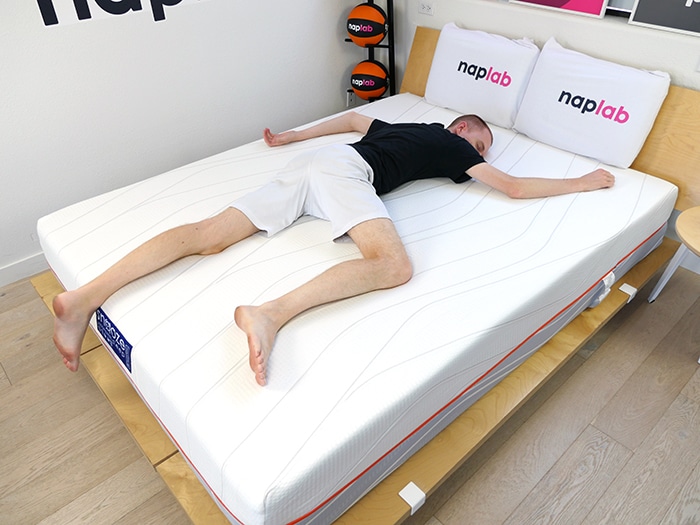
How To Tell If Your Sagging Mattress Is Fixable
Not every mattress can be saved with plywood. Here’s a quick check:
| Symptom | Plywood Help? | What to Do |
|---|---|---|
| Mild sag (<1 inch) | Yes | Add plywood, rotate mattress |
| Moderate sag (1–1.5 inches) | Maybe | Try plywood + topper |
| Deep sag (>1.5 inches) | No | Replace mattress |
| Broken springs/noise | No | Replace mattress |
Credit: naplab.com
Environmental And Health Considerations
Plywood is generally safe, but there are a few things to keep in mind:
- Formaldehyde: Some plywoods release low levels of this chemical. To reduce exposure, buy plywood labeled as “CARB compliant” or “low-VOC.”
- Dust and allergies: Adding a plywood board can trap dust under the mattress. Clean the area regularly.
- Airflow: Memory foam mattresses need to breathe. Blocked airflow can cause heat and moisture buildup.
To reduce risks, use a sealed plywood sheet and air out your bed monthly.
How To Dispose Of Plywood Later
If you upgrade your mattress and no longer need the plywood, you can:
- Repurpose it for DIY projects (shelves, garage, etc. ).
- Donate to local schools or community centers.
- Recycle according to your city’s wood recycling rules.
Never burn plywood, as the glue can release harmful fumes.
Expert Opinions And Research
Mattress experts agree that plywood is a temporary fix. According to a study by the National Sleep Foundation, mattress support systems have a major impact on sleep quality and back health. While plywood helps with support, it cannot restore damaged foam or springs.
A good rule of thumb: If your mattress is less than 8 years old and the sag is mild, plywood is a smart short-term solution. If not, start budgeting for a new mattress.
For more research on mattress support and sleep quality, see the Sleep Foundation.
Frequently Asked Questions
How Thick Should Plywood Be To Fix A Sagging Mattress?
Plywood should be at least 3/4 inch (19 mm) thick. Thinner sheets will bend and may not provide enough support, especially for heavier sleepers or large beds.
Will Plywood Make My Mattress Feel Too Hard?
Yes, plywood removes some of the “give” in a mattress and makes it feel firmer. If this is uncomfortable, add a mattress topper for extra softness.
Can I Use Plywood With Memory Foam Or Latex Mattresses?
You can, but check your mattress warranty first. Some brands require slatted bases for airflow. Solid plywood may void the warranty or cause overheating if used long-term.
Is Using Plywood Under A Mattress Safe?
Yes, if you use proper thickness and finish the edges. Avoid using thin or low-quality plywood, and always sand sharp corners.
How Do I Keep Plywood From Moving Or Squeaking Under My Mattress?
Place non-slip pads or felt between the plywood and bed frame or slats. This helps prevent movement and reduces noise.
Adding plywood under your sagging mattress is a simple, cost-effective solution that can extend your mattress’s life and improve your sleep—at least for a while. With careful measurement, the right materials, and regular checks, you can sleep better tonight and plan for a better bed tomorrow.