
Cleaning a hoarder bedroom is never easy. It can feel overwhelming, emotional, and sometimes impossible. But with the right plan, support, and mindset, you can transform a cluttered, chaotic space into a livable, peaceful room. This guide will walk you through every step of the process, from understanding the unique challenges to maintaining a clean space long-term. You’ll learn practical methods, get expert tips, and discover insights that most beginners miss.
If you or someone you care about is struggling with a hoarder bedroom, remember: change is possible. You don’t have to do it all at once. With patience and the right approach, you can reclaim the bedroom—one step at a time.
Understanding Hoarding And Its Impact
Before you start cleaning, it’s important to understand what hoarding really means. Hoarding is not just a messy room or a little extra clutter. It’s a behavioral condition where people have difficulty discarding items, even if they seem useless or have little value. This can create unsafe, unhealthy living conditions.
A hoarder bedroom can cause:
- Physical risks: Fire hazards, blocked exits, trips and falls, and dust or mold exposure.
- Emotional stress: Shame, anxiety, or embarrassment that makes it hard to ask for help.
- Social isolation: People may avoid inviting others into their space.
Recognizing the emotional side is just as important as the physical cleaning. Many items may have strong attachments or memories. Be patient—with yourself or your loved one—throughout the process.
Preparing To Clean A Hoarder Bedroom
Starting is often the hardest part. Good preparation makes the process safer and less stressful.
Assess The Situation
Begin by surveying the room. Look at:
- The amount of clutter
- Any obvious dangers, like blocked exits or mold
- The presence of pests (insects, rodents)
- Odors or evidence of rotting food
- The emotional state of the person who uses the room
Take notes or photos if it helps you plan.
Gather Supplies
The right tools make the job easier and safer. You’ll need:
- Heavy-duty trash bags (at least 30 gallons)
- Boxes or bins (for sorting and donating)
- Cleaning gloves and masks
- Basic cleaning products (all-purpose cleaner, disinfectant, air freshener)
- A vacuum, broom, and mop
- Flashlights (for dark corners)
- Step stool or small ladder
- First aid kit (just in case)
If the room is very full, you might also need:
- Protective clothing (long sleeves, boots)
- Bug spray
- A fan or open window for ventilation
Make A Plan
Set realistic goals. Cleaning a hoarder bedroom can take hours, days, or even weeks. Don’t expect to finish in one session. Decide:
- Which part of the room you’ll start with (doorway, bed, closet)
- How long you’ll work in one session (try 2-3 hours at a time)
- Who will help (family, friends, professionals)
- Where items will go (trash, donations, recycling, keep)
Break the job into small steps. For example: clearing the floor, then the bed, then the closet.
Get Emotional Support
Hoarding is emotional. If you’re cleaning your own space, consider telling a trusted friend or therapist. If you’re helping someone else, be kind and non-judgmental. Emotional support can help you keep going when it gets tough.
Safety First: Protect Yourself
A hoarder bedroom can have hidden dangers. Protect your health and safety.
Wear Protective Gear
Always use gloves, a mask, and sturdy shoes. If you find mold, animal waste, or sharp objects, wear long sleeves and eye protection.
Check For Hazards
Be alert for:
- Blocked exits (clear paths right away)
- Loose or broken floorboards
- Heavy items that may fall
- Pests (insects, rodents)
- Mold or strong odors
If you find something dangerous (structural damage, biohazard, aggressive pests), stop and call a professional.
Work In Teams
If possible, never clean alone. Having a partner helps if you need assistance or feel overwhelmed. For extreme cases, consider hiring a professional cleaning service with experience in hoarding situations.
Step-by-step Cleaning Process
Now you’re ready to start. Here’s a practical, experience-based approach to cleaning a hoarder bedroom.
1. Clear A Path And Create A Sorting Area
First, make a safe path from the door to the window and bed. Move or remove items blocking the way. This allows you to:
- Enter and exit safely
- Let in fresh air
- Bring in supplies
Designate a sorting area just outside the bedroom, if possible. This is where you’ll place bags or boxes for trash, donations, and items to keep.
2. Remove Obvious Trash
Start with what’s easiest. Pick up:
- Food wrappers, old newspapers, and empty bottles
- Broken items with no value
- Soiled or moldy items that cannot be cleaned
Place all trash directly into bags. Seal and remove them from the room as you go.
3. Handle Hazardous Materials
You may find:
- Old medication
- Sharp objects (broken glass, needles)
- Chemicals or cleaners
- Rotten food
Dispose of these items carefully. For medication or chemicals, check local disposal rules. If you find biohazards (animal waste, mold), wear a mask and double-bag the waste.
4. Sort And Make Quick Decisions
With the obvious trash gone, start sorting what’s left. Use three main categories:
- Keep
- Donate/Sell
- Trash/Recycle
Quick tip: For each item, ask: “Have I used this in the last year?” If not, consider letting it go.
Don’t get stuck on small decisions. If you’re unsure, set aside a “maybe” box to review later. Limit the number of “maybe” boxes to avoid moving clutter around.
5. Work In Small Sections
Tackle one area at a time:
- The bed
- Nightstand
- Closet
- Under the bed
- Dresser
Finish one section before moving to the next. This keeps progress visible and prevents overwhelm.
6. Remove Large Items
Once small items are sorted, remove large objects:
- Broken furniture
- Mattresses beyond repair
- Large boxes
Ask for help if items are heavy. Arrange a special pickup for bulk trash if needed.
7. Deep Clean Surfaces
With clutter gone, clean every surface:
- Dust shelves, windowsills, and baseboards
- Wipe down furniture with disinfectant
- Wash windows and mirrors
- Vacuum or mop the floor
Don’t forget the ceiling, light fixtures, and vents. These often collect dust in hoarder rooms.
8. Clean The Bed And Bedding
Wash all bedding in hot water. If the mattress is very dirty or smells, consider replacing it. Clean under the bed and check for mold or pests.
9. Organize What’s Left
Return only necessary, useful items to the room. Use storage bins, shelves, or closet organizers. Label boxes and bins to keep things tidy.
A simple organization system helps prevent future clutter. For example, use a laundry basket, a trash bin with a lid, and a dedicated spot for books or electronics.
10. Air Out And Freshen The Room
Open windows to let in fresh air. Use an air purifier or baking soda to neutralize odors. Place a small indoor plant for a fresh touch (optional).
11. Final Touches And Maintenance Plan
Once the room is clean, take a moment to enjoy your progress. Make a plan to keep it clean:
- Spend 10 minutes daily putting things away
- Do a weekly tidy-up
- Ask for help if you feel overwhelmed
Regular maintenance prevents relapse and keeps the space safe.
Emotional Challenges And How To Cope
Cleaning a hoarder bedroom is not just a physical job—it’s deeply emotional. Many people feel guilt, shame, or grief when parting with possessions.
Why Letting Go Is Hard
Items may hold memories, represent lost loved ones, or feel like a safety net. For some, fear of not having something “just in case” is very strong.
Coping Strategies
- Take breaks when you feel overwhelmed
- Focus on the benefits: Safety, comfort, and peace of mind
- Celebrate small wins—every bag of trash out is progress
- Talk with a friend or therapist about your feelings
When To Seek Professional Help
If you or your loved one feels stuck, depressed, or anxious, consider a therapist who understands hoarding. They can help with coping skills and emotional support.
Common Mistakes To Avoid
Even with the best intentions, it’s easy to make mistakes. Here’s what to watch out for:
- Trying to do too much at once. This leads to burnout and frustration. Take small steps.
- Throwing away important items by accident. Always check containers and bags before tossing.
- Neglecting safety gear. Exposure to mold, dust, or sharp objects is dangerous.
- Ignoring emotional needs. Cleaning is stressful; support is essential.
- Moving clutter from room to room. Always remove items from the home, not just shift them.
- Not planning for maintenance. Without a plan, clutter can return quickly.
When To Call In Professionals
In some cases, professional help is the best choice.
Signs You Need Help
- There’s structural damage (floors, walls, ceilings)
- Strong odors or visible mold
- Signs of pests (droppings, nests)
- Emotional distress is too high
- Room is completely unusable
Types Of Professionals
- Cleaning services specializing in hoarding
- Pest control for infestations
- Therapists for emotional support
- Organizers to set up storage systems
Professional cleaners have the tools and training to handle serious hazards safely. They also work quickly, which can make the process less stressful.
Comparing Diy Vs. Professional Cleaning
Here’s a look at the main differences between doing it yourself and hiring experts:
| Aspect | DIY Cleaning | Professional Cleaning |
|---|---|---|
| Cost | Lower, but time-consuming | Higher, but saves time/effort |
| Safety | Depends on personal precautions | Trained for hazardous materials |
| Emotional Support | Friends/family may help | Neutral, non-judgmental approach |
| Speed | Slower, often over many days | Much faster, usually 1-2 days |
| Results | Varies with effort/skill | Consistent, thorough cleaning |
If you’re not sure, start small. You can always call in professionals for the hardest parts.

Credit: www.reddit.com
Supplies Checklist: What You Really Need
Here’s a quick reference for essential supplies:
| Supplies | Purpose |
|---|---|
| Heavy-duty trash bags | Remove trash, bag donations |
| Boxes/bins | Sort items (keep, donate, maybe) |
| Gloves/masks | Protect hands, lungs from dust/mold |
| Cleaning sprays | Disinfect surfaces |
| Vacuum/mop | Clean floors |
| Step stool | Reach high places |
| First aid kit | Address minor injuries |
Having supplies ready makes the process smoother and safer.
How To Prevent Future Hoarding
Cleaning is only half the battle. Keeping the bedroom tidy is key to long-term success.
Build New Habits
- Spend 5-10 minutes each day picking up
- Put things back in their place right away
- Keep a donation box handy for unwanted items
Use Simple Organization Systems
Don’t overcomplicate storage. Use clear bins, shelves, or drawer organizers. Label everything.
Set Boundaries
Limit what comes into the room. For example, don’t accept items you don’t need, and avoid impulse shopping.
Get Regular Support
Check in with a friend, family member, or therapist. Regular support makes it easier to stay on track.
Celebrate Progress
Recognize your hard work. Take photos before and after. Small rewards help motivate you to keep going.

Credit: www.youtube.com
Real-life Example: From Clutter To Calm
Let’s look at a real story. Anna, a 42-year-old librarian, had not slept in her bedroom for two years. Piles of books, clothes, and papers covered every surface.
With help from her sister, Anna started by clearing a path to her window. She found expired food, old pay stubs, and lost family photos. The process took three weekends. Anna used boxes to sort keep/donate/trash. When it got tough, she took breaks and talked with her therapist.
Now, Anna’s bedroom is simple, with only her favorite books on a small shelf. She keeps a donation bag in her closet and spends 10 minutes each night tidying up. The hardest part wasn’t the cleaning—it was letting go of the fear that she might need something later.
Anna says: “The room feels bigger, and I actually look forward to sleeping again. It’s not perfect, but it’s mine.”
The Role Of Therapy And Support Groups
For many, cleaning the bedroom is just the first step. Emotional and mental support is crucial for long-term change.
Why Therapy Helps
A therapist can help you:
- Understand the reasons for hoarding
- Develop decision-making skills
- Cope with anxiety and grief
Some therapists use Cognitive Behavioral Therapy (CBT), which is effective for hoarding disorder.
Support Groups
Meeting others with similar challenges reduces shame and isolation. Many groups meet online or in person. They offer:
- Practical tips
- Encouragement
- Accountability
Organizations like the International OCD Foundation have resources for finding help.
Myths About Hoarding Bedrooms
Many people misunderstand hoarding. Here are some common myths, and the facts:
- “Hoarders are just lazy.” In reality, hoarding is a complex condition. It’s not about laziness.
- “Throwing things away solves the problem.” Emotional support and new habits are just as important as cleaning.
- “It’s only a problem if you see it.” Hoarding can cause distress even if it’s hidden from others.
- “All hoarding looks the same.” Some rooms are neat but packed, others are chaotic. Each case is unique.
- “People can just stop if they want to.” Hoarding is hard to change without support.
Recognizing these myths helps you approach the situation with compassion.
Key Data And Statistics
Hoarding is more common than you might think. According to the American Psychiatric Association:
- Up to 6% of people may have hoarding disorder
- Most people start showing symptoms by age 13-17
- Hoarding increases with age
Other studies show:
- 85% of hoarders have excessive clutter in their bedrooms
- 50% have trouble sleeping because of the clutter
- 70% report strained family relationships
These numbers highlight why cleaning a hoarder bedroom matters—not just for the space, but for health, relationships, and well-being.
Local Resources And Where To Get Help
If you feel stuck, you’re not alone. Many communities offer support:
- City or county cleanup programs (for bulk trash)
- Mental health clinics (for therapy and counseling)
- Nonprofits that specialize in hoarding cleanup
- Online directories for support groups and therapists
For more information on hoarding disorder and resources, visit the International OCD Foundation.
Frequently Asked Questions
How Long Does It Take To Clean A Hoarder Bedroom?
It depends on the amount of clutter and the number of people helping. A mild case might take a full day, while a more severe situation could take several weekends. Having a plan and taking regular breaks makes the process manageable.
What Should I Do If I Find Valuable Or Sentimental Items?
Set aside items you think may be valuable or deeply meaningful. Take time to review them later. If you’re not sure about value, consider asking a friend or professional. Avoid letting sentimental items stop your progress—limit your “maybe” box to one or two containers.
Is It Possible To Clean A Hoarder Bedroom Alone?
Yes, but it’s much harder. Having even one helper for safety and support is best. If you must work alone, go slowly, take breaks, and ask for emotional support from friends or online communities.
What If The Person Refuses To Let Go Of Anything?
This is common. Forcing someone rarely works and can damage trust. Instead, focus on safety (clearing exits, removing obvious trash) and encourage small steps. Suggest talking with a therapist who understands hoarding.
Are There Government Or Nonprofit Resources For Hoarding Help?
Yes. Many local agencies offer bulk trash pickup, cleaning help, or referrals to mental health services. Nonprofits and groups like the International OCD Foundation provide guides, support groups, and therapist directories.
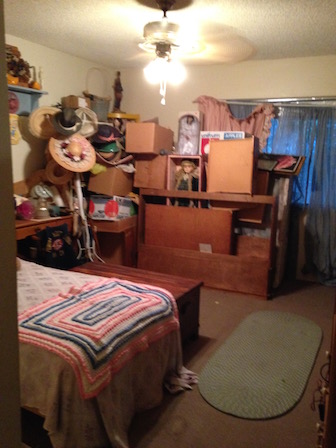
Credit: www.clutterandhoardingpros.com
Final Thoughts
Cleaning a hoarder bedroom takes courage, patience, and support. The process is as much about healing as it is about tidying up. By breaking the task into steps, staying safe, and reaching out for help when needed, anyone can reclaim their space—and their peace of mind. Remember, progress is possible, one small victory at a time.