
Changing the color of your couch can transform the entire look and feel of your living space. Maybe your sofa looks old, or the color no longer fits your style. Perhaps you found a great deal on a used couch, but the shade isn’t right.
Whatever the reason, giving your couch a new color is a cost-effective way to refresh your home without buying new furniture. Many people are surprised to learn that you don’t have to be a professional to do this. With the right tools, methods, and a bit of patience, you can achieve great results on your own.
However, there’s more to this project than just picking up a can of fabric paint. The right approach depends on your couch’s fabric, the look you want, and how much time and effort you’re willing to invest. Mistakes can lead to uneven color, damage, or even a ruined sofa.
This guide will walk you through every step, from understanding your couch’s material to choosing the best coloring method, preparing for the project, and ensuring a long-lasting finish. Along the way, you’ll find insider tips, real-world examples, and clear answers to common questions.
By the end, you’ll feel confident and ready to give your couch a fresh, vibrant look.
Understanding Your Couch: Fabric Types And What Matters
Before you start changing the color of your couch, you need to know what you’re working with. Not all couches are the same, and the material affects your options.
Common Couch Fabrics
- Cotton: Breathable, absorbent, easy to dye or paint, but can shrink or wrinkle.
- Linen: Natural, strong, takes color well, but often wrinkles and may need gentle handling.
- Polyester: Durable, resists stains, sometimes hard to dye, but works well with certain paints.
- Microfiber: Soft, synthetic, resists spills, can be tricky for dyes but suitable for fabric paints.
- Velvet: Luxurious, deep pile, requires careful coloring methods to keep texture.
- Leather: Needs special dyes or paints, can crack or peel if done incorrectly.
- Vinyl or Faux Leather: Synthetic, can be painted but not dyed, needs flexible paint for durability.
- Wool: Absorbs color but can shrink or felt if not handled gently.
Why Fabric Type Matters
The fabric type decides:
- Which coloring products you can use
- How the new color will look and last
- The method and effort required
For example, cotton and linen can absorb dye deeply, while polyester often resists regular dyes but works with special products. Leather needs flexible, penetrating dyes, not regular paint.
Insider tip: Many couches use blends (like polyester-cotton), so check the label or manufacturer’s site if possible. If you’re unsure, test a small hidden spot first.
Methods To Change Couch Color
There are several main ways to change your couch’s color. Each has its own pros and cons, and some work better for certain fabrics or situations.
1. Slipcovers
A slipcover is a fitted fabric cover you place over the couch. It’s the simplest, least permanent way.
Pros:
- Quick and easy
- No risk of damage
- Washable and changeable
Cons:
- May not fit perfectly
- Limited color and style options
- Texture and comfort can change
Best for: Renters, people who want a temporary change, or hard-to-color fabrics.
2. Fabric Dyeing
Dyeing changes the color by soaking the fabric in a colored solution. This gives a deep, lasting change.
Pros:
- Permanent color
- Natural look and feel
- Works well for cotton, linen, and wool
Cons:
- Can be messy
- Hard to do on large, fixed upholstery
- May require removing fabric
Best for: Loose couch covers, cushion cases, or small pieces you can remove and dye in a machine or tub.
3. Fabric Paints And Sprays
Painting uses special fabric paints or sprays that bond to the surface. They come in many colors and work on most materials.
Pros:
- Precise color choice
- Works for most couch types
- Can apply to fixed upholstery
Cons:
- Can change texture (may feel stiffer)
- Needs careful, even application
- Some products can crack or peel if not used right
Best for: Microfiber, polyester, velvet, or when you can’t remove the fabric.
4. Reupholstering
Reupholstering means removing the old fabric and putting on new material in your chosen color.
Pros:
- Like getting a brand-new couch
- Unlimited color and style choices
- Fixes worn or damaged cushions
Cons:
- Labor-intensive and requires skill
- Can be expensive if you hire a pro
- Takes time
Best for: Couches with major damage, or if you want a full transformation.
5. Leather And Vinyl Coloring
Leather and vinyl need special dyes or paints designed for flexible, non-porous surfaces.
Pros:
- Restores faded or scratched surfaces
- Long-lasting with proper products
Cons:
- Requires careful prep
- Wrong product can crack or peel
Best for: Leather or faux leather couches needing a new look or repair.
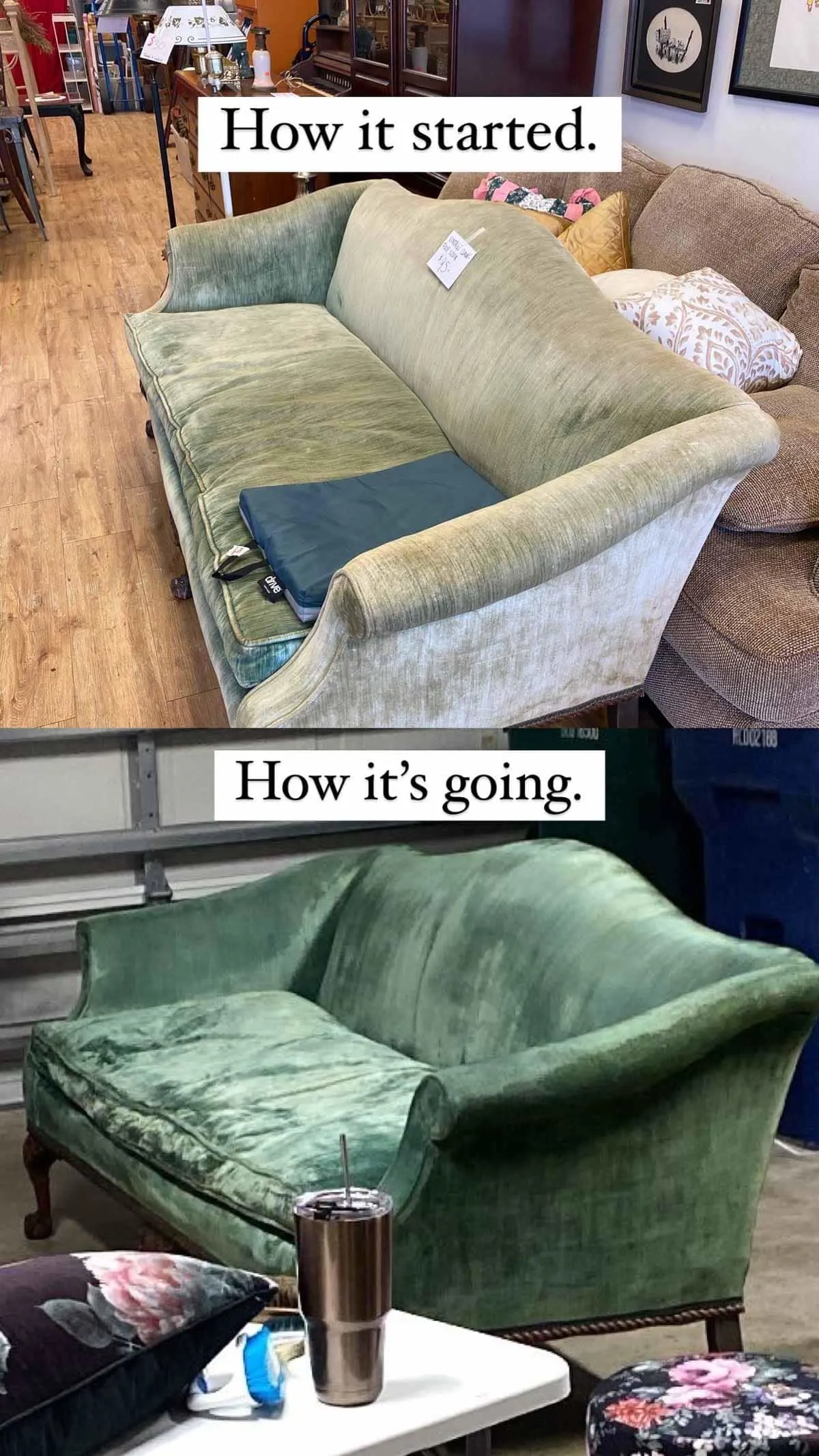
Credit: www.bibliotecaoscura.com
Choosing The Right Method For Your Couch
Not every method works for every couch. Here’s a quick comparison to help you decide:
| Method | Best For | Difficulty | Cost | Durability |
|---|---|---|---|---|
| Slipcover | Any couch | Easy | Low-Medium | Temporary |
| Dyeing | Cotton, linen, wool | Medium-Hard | Low | Permanent |
| Fabric Paint | Polyester, microfiber, velvet | Medium | Low-Medium | Semi-permanent |
| Reupholstering | Any, esp. damaged | Hard | High | Permanent |
| Leather/Vinyl Dye | Leather, faux leather | Medium | Medium | Permanent |
Non-obvious insight: If your couch has fixed cushions and non-removable covers, dyeing may not be practical—painting or a slipcover is usually better.
Preparing For The Project
Preparation is key to great results. Rushing or skipping steps can lead to uneven color, stains, or damage.
1. Clean The Couch
Dust, oils, and stains can block color or cause blotching. Vacuum every seam and surface, then use a fabric-safe cleaner. For leather, use a leather prep product.
Tip: Don’t use oily cleaners or furniture polish—they can prevent dyes or paint from sticking.
2. Remove Or Protect Parts
If possible, take off cushion covers or pillows. If not, mask off areas you don’t want to color (legs, zippers, decorative trim) with painter’s tape and plastic.
3. Test Your Color
Always test your chosen product on a hidden spot. Wait for it to dry fully—some colors look different once dry or after a day.
4. Gather Tools And Supplies
What you need depends on your method. Here’s a basic checklist:
- Slipcover: Tape measure, slipcover, pins for fitting
- Dyeing: Fabric dye, bucket/tub, gloves, stir stick, hot water, washing machine (if possible)
- Painting: Fabric paint/spray, brushes or sponge, drop cloth, mask, gloves
- Leather/vinyl: Leather dye/paint, applicator sponge, sealer, prep cleaner
5. Plan For Ventilation
Many paints and dyes have strong smells. Work in a well-ventilated area or outdoors if possible.
How To Dye Your Couch: Step-by-step
If your couch has loose, washable covers, dyeing can give a rich, even color.
Step 1: Remove Covers
Take off all removable fabric parts. Check the tags for washing instructions.
Step 2: Pre-wash The Fabric
Wash with mild detergent, but skip fabric softener—it can block dye.
Step 3: Choose The Right Dye
Pick a dye made for your fabric type (e. g. , Rit Dye for cotton, iDye Poly for polyester). Follow the package instructions for water temperature and amount.
Step 4: Dye In A Tub Or Machine
Fill a large bucket or washing machine with hot water. Dissolve the dye completely before adding fabric. Stir constantly for even coloring. Typical dye time is 30–60 minutes.
Insider tip: For very large covers, dye in small batches to avoid uneven results.
Step 5: Rinse And Wash
Rinse in cold water until the water runs clear. Wash again on cold to remove extra dye.
Step 6: Dry And Inspect
Air-dry the covers. Heat from dryers can shrink some fabrics. Once dry, check for even color. Repeat the process if needed for a deeper shade.
Step 7: Reassemble
Put the covers back on and enjoy your refreshed couch.
Common mistake: Skipping the pre-wash step can cause uneven color or patchiness.
How To Paint Your Couch: Step-by-step
Painting works for couches with fixed upholstery or tough-to-dye fabrics like polyester, microfiber, and velvet.
Step 1: Choose The Right Product
Look for fabric paint or upholstery spray. Regular spray paint will crack and feel rough—never use it. Good brands include Tulip, Simply Spray, and Angelus for leather.
Step 2: Prep The Couch
Clean the couch thoroughly and let it dry. Tape off any parts you don’t want painted.
Step 3: Test And Mix
Test the paint on a small area. For lighter colors, you may need to apply multiple coats. Some people mix paint with a little water or fabric medium for better absorption.
Step 4: Apply Evenly
Use a brush, sponge, or spray, depending on the product. Work in thin, even layers, letting each coat dry before adding another.
Step 5: Dry And Cure
Let the couch dry completely—this may take 24–48 hours. Some products need a heat set (using a hair dryer or iron, following product instructions).
Step 6: Soften The Fabric
After drying, rub the surface gently with a clean cloth or your hand. This helps keep the texture soft.
Pro tip: For microfiber, brushing between coats keeps the fabric from becoming stiff.
Step 7: Protect The Finish
Some products come with a sealer. Applying it adds durability and keeps the color from rubbing off.
Non-obvious insight: If you’re covering a dark color with a lighter paint, you may need a primer or extra coats for full coverage.

Credit: www.youtube.com
Leather And Vinyl Couch Coloring: Step-by-step
Leather and vinyl need flexible, penetrating dyes or paints.
Step 1: Clean And Prep
Use a leather prep cleaner to remove oils and old finish. This helps the new color soak in.
Step 2: Test The Product
Try your dye or paint on a hidden spot. Wait to see how it dries and feels.
Step 3: Apply Thin Layers
Use a sponge or soft brush. Apply thin, even coats. Let each layer dry before adding more. For deep colors, 2–4 coats may be needed.
Step 4: Let It Cure
Let the couch sit for at least 24 hours before use.
Step 5: Seal For Protection
Use a leather or vinyl sealer (if recommended by the product) for extra durability and shine.
Common mistake: Skipping the prep step can cause peeling or cracking.
Reupholstering: When To Go All The Way
Sometimes, the best way to change your couch color is to reupholster it.
What’s Involved
- Removing the old fabric
- Repairing or replacing foam and springs if needed
- Cutting and attaching new fabric
- Using a staple gun, scissors, and sometimes sewing
When To Reupholster
- The couch is structurally sound but stained or outdated
- You want a custom color or pattern
- Other methods won’t work due to damage or wear
Diy Or Hire A Pro?
DIY saves money but takes time and skill. A professional can cost $500–$1,500 depending on size and fabric, but results are often like-new.
| Option | Skill Needed | Cost Range | Time | End Result |
|---|---|---|---|---|
| DIY Reupholster | Medium-High | $100–$400 | 8–20 hours | Good to Excellent |
| Professional | None | $500–$1,500 | 1–2 weeks | Excellent |
Slipcovers: The Quickest Color Change
Slipcovers are a popular choice for many people, especially renters and those seeking a fast solution.
How To Choose A Slipcover
- Measure carefully: Take the width, depth, and height of your couch.
- Pick the right fabric: Cotton for softness, polyester for durability, spandex blends for stretch.
- Select your color: Darker colors hide stains; bold shades make a statement.
Fitting Tips
- Tuck extra fabric into the cushions for a smooth look.
- Use non-slip grips or foam sticks to keep it in place.
- Wash before first use to prevent shrinking later.
Custom Slipcovers
For a perfect fit, consider a custom-made slipcover. Many online stores offer made-to-order options based on your couch’s measurements.
Non-obvious insight: Some slipcovers are reversible, giving you two color options in one.
Caring For Your Newly Colored Couch
Once you’ve changed your couch color, you want it to last. Here’s how to keep it looking great:
Regular Cleaning
- Vacuum weekly to remove dust and dirt.
- Wipe spills quickly with a damp cloth.
- For painted or dyed couches, avoid harsh chemicals.
Protect From Sunlight
Sun can fade fabric and paint over time. Keep your couch out of direct sunlight or use curtains to block strong rays.
Use Fabric Protector
Spray a fabric protector (like Scotchgard) on your finished couch to help resist stains and spills. For leather, use a conditioner to keep it supple.
Watch For Wear
Areas like the seat and arms wear faster. Rotate cushions if possible. For painted couches, touch up spots as needed.
Pro tip: Place a throw or blanket over high-use areas to reduce friction and fading.
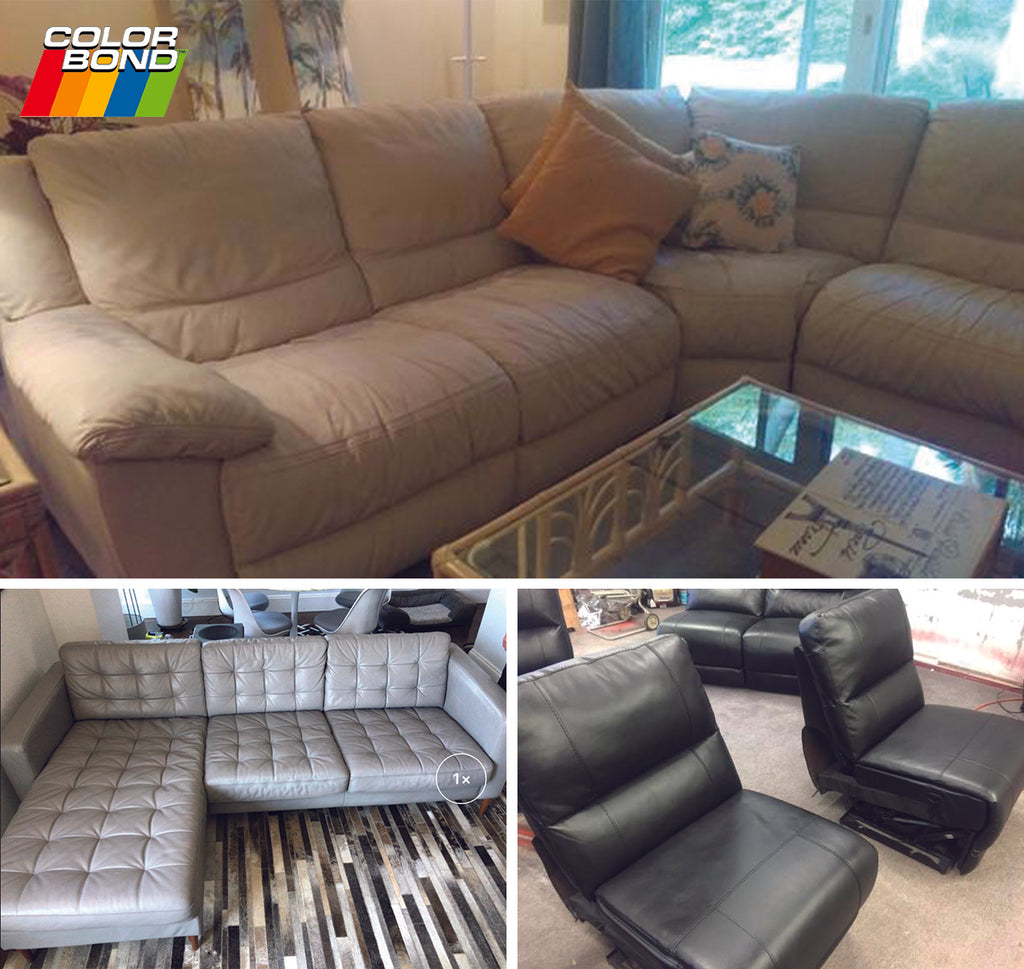
Credit: www.colorbondpaint.com
Mistakes To Avoid When Changing Couch Color
Many people make avoidable mistakes that can ruin their project. Here’s what to watch out for:
- Skipping the test spot: Always test your product to check color and texture.
- Ignoring fabric type: Using the wrong dye or paint leads to poor results.
- Not cleaning first: Dirt and oils block color and cause unevenness.
- Applying thick coats: Thin, even layers are better and last longer.
- Rushing the drying process: Let each coat dry fully to prevent smudging or peeling.
- Using regular spray paint: Only use products made for fabric or leather.
- Neglecting ventilation: Fumes can be strong—open windows or work outside.
- Not reading instructions: Every product is different; follow the directions closely.
Insider tip: Document your process with photos. If you ever need to touch up or repeat, you’ll remember which products and colors you used.
Creative Ideas For Couch Color Transformations
Changing your couch color doesn’t mean you’re limited to solid shades. Here are some ways to get creative:
- Ombre effect: Blend two or more colors for a gradient look.
- Stenciling: Add patterns or designs with fabric paint and stencils.
- Two-tone couches: Paint the base one color and cushions another.
- Accent piping: Paint or dye only the piping or trim for a pop of color.
- Patterned slipcovers: Use bold prints to make your couch stand out.
Real-life example: One homeowner used fabric spray paint to create a teal ombre on her old beige sofa, giving her living room a boutique look for under $60.
Eco-friendly And Health-safe Options
If you’re concerned about chemicals or the environment:
- Choose low-VOC or water-based paints and dyes.
- Wash covers in cold water and line dry.
- Reuse old fabric as drop cloths or for crafts.
- Donate or recycle old slipcovers and materials.
Some brands now offer eco-friendly products with less odor and fewer toxins. Always check labels and look for certifications.
When To Call A Professional
Sometimes, it’s best to hire an expert:
- Your couch is antique or expensive
- You want a perfect, factory-like finish
- There’s structural damage or complicated upholstery
A professional can advise on the best method and ensure a long-lasting result. For high-value items, this investment is often worth it.
Where To Find Products And Inspiration
- Home improvement stores: Offer a selection of fabric paints, dyes, and slipcovers.
- Online retailers: Amazon, Etsy, and specialty sites have custom slipcovers and unique products.
- DIY forums and social media: Share before-and-after photos, get advice, and find inspiration.
For official guidance on fabric care, check the Good Housekeeping Fabric Care Guide.
Frequently Asked Questions
How Long Does It Take To Change The Color Of A Couch?
The time depends on your method. Slipcovers take less than an hour. Dyeing removable covers can take a day, including washing and drying. Painting or dyeing a fixed couch may require 2–3 days for full drying and curing. Reupholstering can take anywhere from a weekend (DIY) to two weeks (professional).
Will The Color Rub Off Or Stain My Clothes?
If you use products made for upholstery and follow the instructions, the color should not transfer once fully cured. Always allow enough drying time. Using a sealer or fabric protector adds extra safety.
Can I Change A Dark Couch To A Lighter Color?
It’s challenging. Dyes only make fabric darker. Fabric paints can cover dark colors, but you’ll need several coats or a primer. For a dramatic change (like black to white), reupholstering or a slipcover is usually best.
Is It Safe To Color A Couch With Kids Or Pets?
Yes, if you use non-toxic, fabric-safe products and let them cure fully. Keep kids and pets away during the process. Wash slipcovers before use to remove any residue.
How Do I Maintain My Colored Couch So The Color Lasts?
Vacuum regularly, clean spills quickly, and avoid harsh chemicals. Use fabric or leather protectors. Keep your couch out of direct sunlight to prevent fading. For painted couches, touch up worn areas as needed.
—
Changing the color of your couch is a satisfying project that can save you money and give your space a whole new look. Whether you choose dyeing, painting, slipcovers, or full reupholstering, the key is knowing your fabric, preparing well, and using the right products.
With these steps and tips, you’re ready to create a couch you’ll love for years to come.