
Many homeowners look at their old tile floors and wish for a new style. But the thought of removing all those tiles can feel overwhelming. The mess, the noise, the cost—it’s enough to make anyone hesitate. The good news? You don’t have to rip out your tiles to get a fresh look.
There are many creative and practical ways to cover your tile floor without removing it.
This article explores the best methods, materials, and tips for covering tile floors. Whether you want a quick fix or a long-term solution, you’ll find everything you need to make the right choice. We’ll look at the pros and cons, costs, and steps involved for each option.
By the end, you’ll know exactly how to refresh your floor with confidence.
Why Cover A Tile Floor Instead Of Removing It?
Before jumping into solutions, let’s consider why so many people prefer to cover their tile floors:
- Less mess: Removing tiles creates dust and debris. Covering them is much cleaner.
- Saves time: New flooring can be installed in hours or days, not weeks.
- Lower cost: You avoid paying for demolition and disposal.
- Less risk: No worries about damaging the subfloor or finding hidden problems.
- Keeps your home usable: No need to move out or block off rooms for long periods.
These benefits make covering tile floors appealing for renters, busy families, and anyone on a budget.
Assessing Your Tile Floor: What You Need To Know
Not every tile floor is a good candidate for covering. Start with a careful inspection:
- Check for damage: Are any tiles loose, cracked, or missing? These must be fixed or leveled before covering.
- Cleanliness: Old grout and tile can hold dirt or grease. Clean thoroughly for better adhesion.
- Level surface: Uneven tiles may cause problems for new flooring, especially thin materials like vinyl or laminate.
- Moisture issues: If you see mold, mildew, or water damage, solve these problems first. Covering them can make things worse.
If your tile floor is mostly solid and clean, you’re ready to choose a covering method.
Top Ways To Cover Tile Floor Without Removing It
Let’s explore the main ways to cover tile floors, including their pros, cons, costs, and when to use each one.
1. Floating Vinyl Plank Flooring
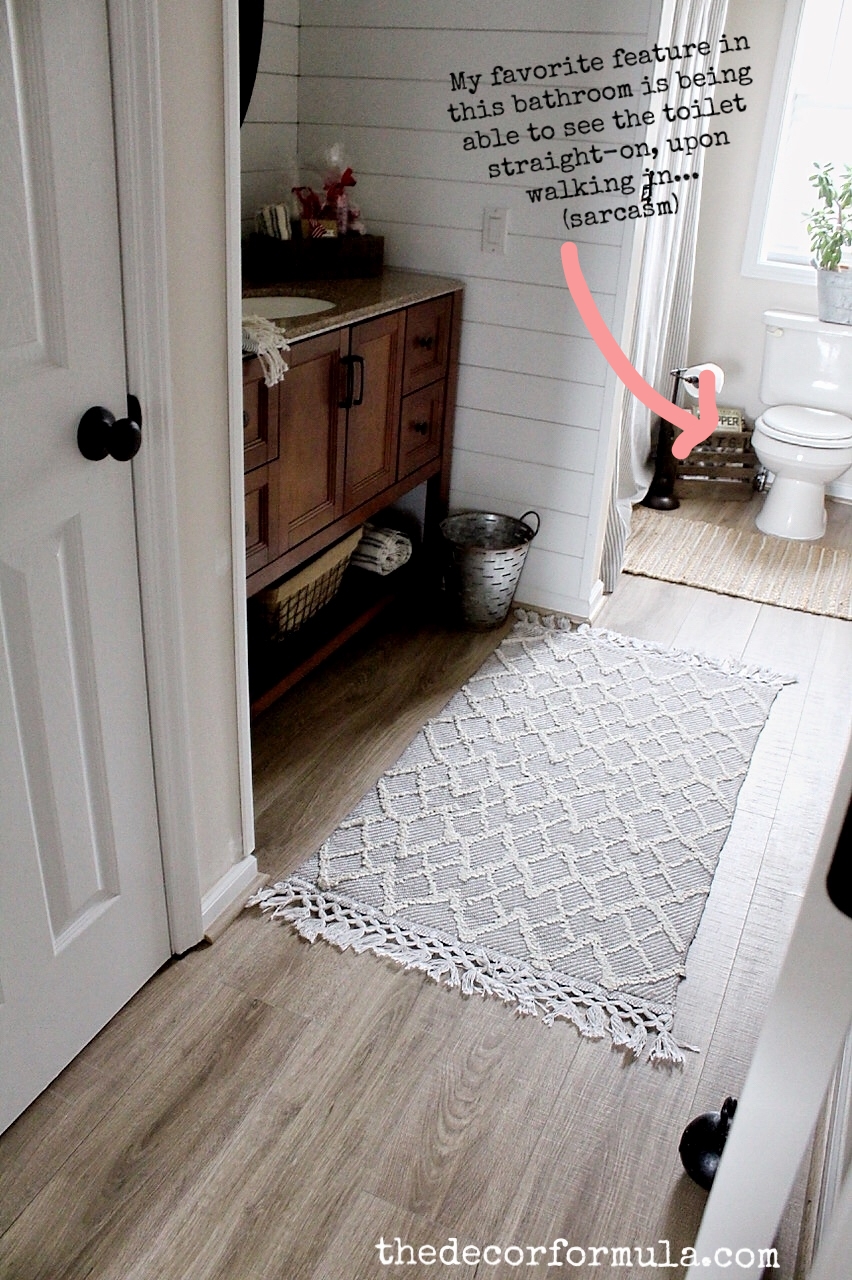
Vinyl plank flooring is one of the most popular choices for covering tile. It mimics wood or stone, is durable, and installs quickly.
- How it works: Planks click together and “float” above the tile—no glue or nails needed.
- Pros: Waterproof, easy to clean, soft underfoot, many styles.
- Cons: Needs a flat surface; thick grout lines may show if not leveled.
- Cost: $2–$7 per square foot (materials), plus installation if you hire help.
Example: Many apartments use vinyl planks to update kitchens and bathrooms without removing old tile.
Pro tip: Use an underlayment pad to smooth uneven grout lines and reduce sound.
2. Laminate Flooring
Laminate flooring is similar to vinyl but uses a fiberboard core. It’s known for its realistic wood look.
- How it works: Click-together planks float over the tile.
- Pros: Affordable, scratch-resistant, easy to install.
- Cons: Not fully waterproof, can swell with moisture, needs level floor.
- Cost: $1.50–$5 per square foot (materials).
Common mistake: Not using a vapor barrier in kitchens or bathrooms. Moisture can damage laminate from below.
3. Engineered Wood Flooring
Engineered wood gives a real wood surface with more stability than solid hardwood.
- How it works: Planks float or are glued above tile.
- Pros: Real wood look and feel, adds value, can be refinished lightly.
- Cons: Expensive, sensitive to moisture, may need leveling compound.
- Cost: $4–$10 per square foot (materials).
Non-obvious insight: Engineered wood is better than solid hardwood on tile because it handles temperature and humidity changes better.
4. Luxury Vinyl Tile (lvt)
Luxury vinyl tile is a thicker, more durable type of vinyl made to look like stone or tile.
- How it works: Clicks or glues down over your old tile.
- Pros: Waterproof, stylish, softer than ceramic.
- Cons: Needs a smooth, clean surface; thick grout lines may need to be filled.
- Cost: $3–$8 per square foot (materials).
5. Peel-and-stick Vinyl Tiles
Peel-and-stick tiles offer a fast, DIY-friendly way to cover tile.
- How it works: Peel off the backing and press onto clean tile.
- Pros: Inexpensive, easy to cut, quick installation.
- Cons: Less durable, may shift over time, not ideal for wet areas.
- Cost: $1–$3 per square foot.
Common mistake: Not cleaning the tile well enough before sticking. Any grease or dust reduces adhesion.
6. Carpet Tiles
Carpet tiles are square pieces of carpet with a sticky backing.
- How it works: Stick directly to tile, or use double-sided tape.
- Pros: Soft, warm, easy to replace damaged sections.
- Cons: Not for wet areas, can stain, needs regular cleaning.
- Cost: $1–$4 per square foot.
Example: Offices often use carpet tiles for quick, flexible flooring over tile or concrete.
7. Interlocking Floor Mats
Interlocking mats (foam or rubber) are often used for playrooms, gyms, or basements.
- How it works: Puzzle-like pieces snap together on top of the tile.
- Pros: Cushioned, easy to remove, many colors.
- Cons: Not stylish for living spaces, may move under heavy furniture.
- Cost: $1–$6 per square foot.
8. Area Rugs And Runners
Sometimes, the simplest way is best. Area rugs and runners can cover large parts of tile with almost no work.
- How it works: Lay rugs in high-traffic areas or wherever you want a softer feel.
- Pros: Fast, affordable, easy to change.
- Cons: Doesn’t hide the tile completely, may slip if not secured.
- Cost: $20–$500 per rug, depending on size and quality.
Non-obvious insight: Use a thick rug pad to add comfort and prevent slipping.
9. Paint Or Epoxy Coating
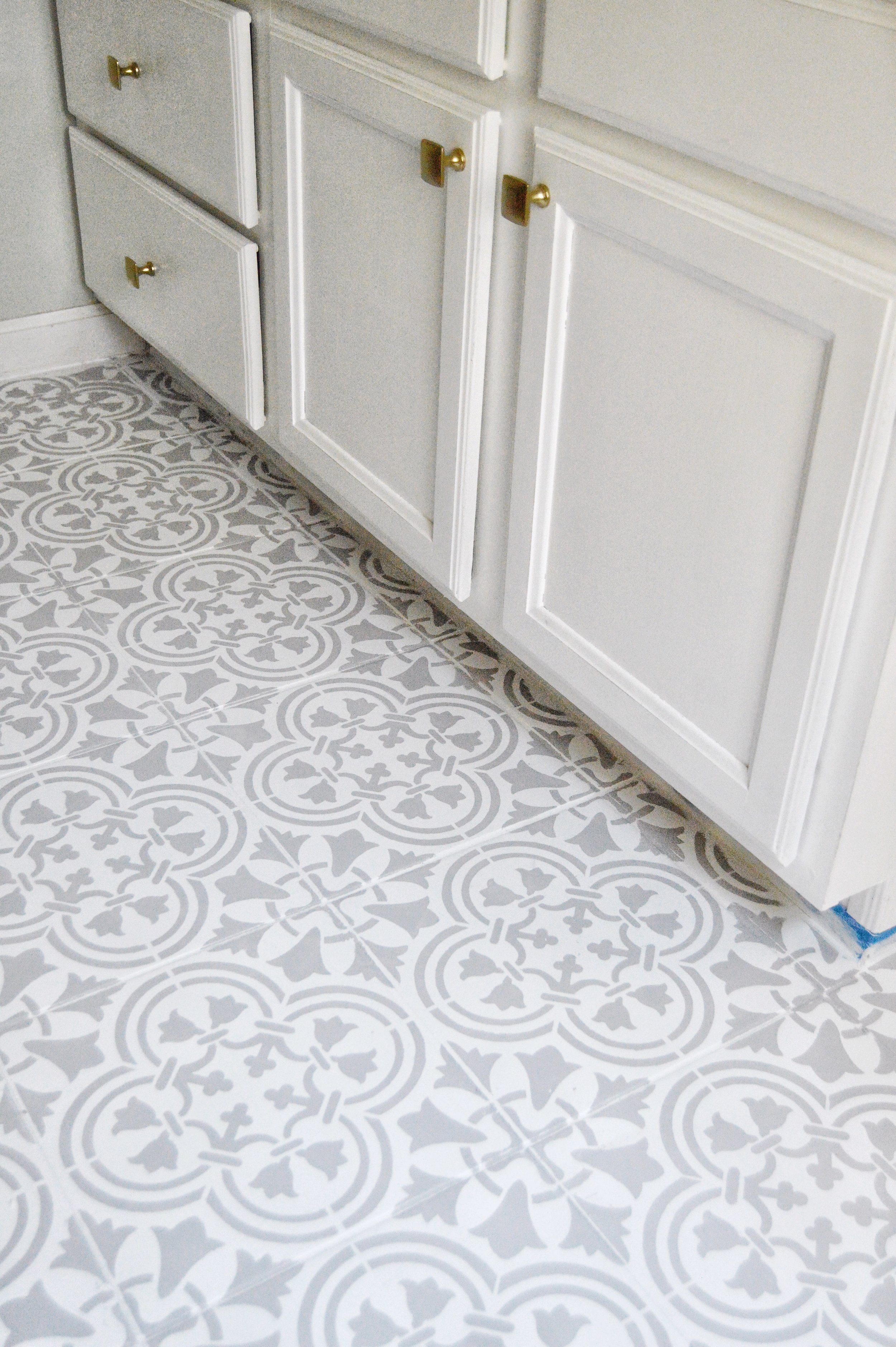
You can paint or apply an epoxy coating directly over tile for a dramatic change.
- How it works: Clean, etch, and prime the tile, then roll or brush on paint or epoxy.
- Pros: Low cost, endless colors, modern look.
- Cons: Prep is critical, can chip or peel if not applied properly, slippery when wet.
- Cost: $1–$5 per square foot (DIY).
Pro tip: Use anti-slip additives in bathrooms or kitchens for safety.
10. Floor-leveling Compound + New Surface
For very uneven tile, a self-leveling compound can create a new, smooth surface.
- How it works: Pour the compound over tile, let it harden, then install any floor covering above it.
- Pros: Fixes lumpy floors, works under many materials.
- Cons: Adds thickness, needs skill to apply evenly, extra cost.
- Cost: $1–$3 per square foot (compound only).
Comparing Flooring Options: Durability, Cost, And Comfort
To help you decide, here’s a comparison of the most popular ways to cover tile floors.
| Covering Type | Durability | Cost (per sq. ft.) | Comfort | Water Resistance |
|---|---|---|---|---|
| Vinyl Plank | High | $2–$7 | Medium | Yes |
| Laminate | Medium | $1.50–$5 | Medium | No |
| Engineered Wood | High | $4–$10 | Medium | Limited |
| LVT | High | $3–$8 | Medium | Yes |
| Peel-and-Stick | Low–Medium | $1–$3 | Low | Limited |
| Carpet Tiles | Medium | $1–$4 | High | No |
| Interlocking Mats | Low | $1–$6 | High | Yes (rubber) |
| Paint/Epoxy | Medium | $1–$5 | Low | Yes (epoxy) |
| Rugs/Runners | Varies | $20–$500 | High | No |
Credit: www.thedecorformula.com
How To Prepare A Tile Floor For A New Covering
Proper preparation is the key to a lasting result. Skipping these steps can lead to problems like buckling, squeaking, or shifting.
Cleaning
- Sweep and mop the floor to remove dirt, dust, and grease.
- For sticky residue, use a degreaser or a mix of vinegar and water.
- Let the floor dry completely.
Repairing Damaged Tiles
- Fix any loose or broken tiles. If a tile wobbles underfoot, it will cause problems for floating floors.
- Fill missing grout or deep cracks with a cement-based filler.
- For large holes, use a patching compound and let it cure fully.
Leveling
- If grout lines are deep, fill them with a floor leveler for a smooth surface.
- Use a long straightedge to check for high or low spots.
- Sand or grind down high spots, and fill low spots with compound.
Moisture Testing
- For basement or ground floors, check for moisture with a plastic sheet test.
- Tape a sheet of plastic to the tile for 24 hours. If you see water underneath, solve the moisture problem before covering.
Non-obvious insight: Skipping the leveling step is one of the main reasons new floors fail over tile.
Step-by-step Guide: Installing Floating Vinyl Plank Over Tile
Floating vinyl plank is a favorite for DIYers. Here’s how to do it right:
- Measure the room and buy 10% extra material for mistakes and future repairs.
- Acclimate the planks in the room for 48 hours so they adjust to temperature and humidity.
- Prepare the tile as described above: Clean, repair, level.
- Lay an underlayment pad if required—some vinyl planks include this already.
- Start in one corner and work across the room, clicking planks together.
- Stagger the seams for a natural look and more strength.
- Cut planks with a utility knife or saw to fit edges.
- Leave a gap (usually 1/4″) around the edges for expansion.
- Install trim or baseboards to hide the gap.
- Clean and enjoy your new floor.
Pro tip: If your floor has a large height difference at doorways, use a threshold strip to cover the edge.
When To Hire A Pro Vs. Diy
Some floor coverings are easy for beginners, while others need skill.
- DIY-friendly: Peel-and-stick tiles, interlocking mats, area rugs.
- May need a pro: Floating vinyl or laminate (for large rooms), leveling compound, engineered wood, epoxy coatings.
If you’re unsure about moisture or leveling, professional help can save money by preventing mistakes.
What About Floor Height?
Adding a new floor on top of tile increases the floor height. This can cause problems with:
- Doors: May need trimming to open/close properly.
- Cabinets: Appliances may no longer fit under counters.
- Transitions: You’ll need strips or ramps where the new floor meets old floors.
Most new coverings add 1/8″ to 3/4″ in height. Plan for these changes in advance.
Credit: www.idealwork.com
Design And Style Tips
Covering tile is your chance for a total style change. Here’s how to get it right:
- Match the room’s use: Choose durable, waterproof options for bathrooms and kitchens.
- Play with color: Light floors make rooms look bigger; dark floors add drama.
- Add texture: Wood-look vinyl or engineered wood feels warmer and hides dirt better than plain white.
- Mix and match: Use area rugs over new flooring for softness and style.
Non-obvious insight: If your tiles are patterned and you use thin vinyl, the old pattern may show through unless you level the surface.
Mistakes To Avoid
Many people make the same errors when covering tile floors:
- Not cleaning the tile enough—adhesives won’t stick
- Ignoring high or low spots—causes floors to bounce or separate
- Skipping expansion gaps—new floor can buckle in heat
- Using the wrong underlayment—can trap moisture or make floors noisy
- Choosing the wrong material for wet areas—laminate and carpet can grow mold
Avoid these for a long-lasting, beautiful result.
Maintenance Tips For Covered Tile Floors
Your new floor will need care to stay looking good.
- Sweep and mop regularly to prevent grit scratching the surface.
- Use felt pads under furniture to stop dents or scuffs.
- Wipe up spills quickly, especially on laminate, wood, or carpet tiles.
- Check seams and edges after heavy use or moving furniture.
- Refresh rugs or replace tiles as needed for cleanliness.
A little maintenance goes a long way.
Real-life Example: Kitchen Transformation
Sarah, a homeowner in Texas, wanted to update her kitchen’s old beige tile. She chose luxury vinyl tile for its waterproof and stylish look. After cleaning and leveling the floor, she and her husband installed the LVT in a weekend.
The result? A bright, modern kitchen that feels brand new—without the mess or cost of removing tile.
Budgeting For Your Project
Covering a tile floor can fit almost any budget. Here’s a sample cost breakdown for a 200-square-foot room:
| Material | Low Estimate | High Estimate | Installation (DIY or Pro) | Total Range |
|---|---|---|---|---|
| Vinyl Plank | $400 | $1,400 | $0–$500 | $400–$1,900 |
| Laminate | $300 | $1,000 | $0–$400 | $300–$1,400 |
| LVT | $600 | $1,600 | $0–$600 | $600–$2,200 |
| Peel-and-Stick | $200 | $600 | $0 | $200–$600 |
| Carpet Tiles | $200 | $800 | $0 | $200–$800 |
Pro tip: Plan for 10% waste and unexpected costs.
Environmental Considerations
Many modern floor coverings are eco-friendly. Look for:
- Low-VOC (Volatile Organic Compound) products for better air quality
- Recycled content (some vinyl and carpet tiles)
- Reusable options (interlocking mats or carpet tiles can be moved or reused)
If you’re renting or want to reduce waste, choose options that can be taken up and reused elsewhere.
Safety And Health Tips
When covering tile:
- Ventilate the room during installation, especially when using adhesives or paint.
- Use masks and gloves with leveling compounds, paint, or epoxy.
- Check for asbestos if your home was built before 1980. Some old tiles or adhesives may contain asbestos—get a professional test before disturbing them.
For more about safe home remodeling, visit the US EPA asbestos resource.
Frequently Asked Questions
How Long Does It Take To Cover A Tile Floor?
Most DIY projects take 1–3 days, depending on the size of the room and the covering used. Quick options like peel-and-stick tiles or rugs can be done in a few hours. More complex installations, such as leveling and floating floors, may need a weekend or longer.
Can I Put New Flooring Over Cracked Tiles?
Small cracks are usually not a problem if the tile is stable. For larger cracks or loose tiles, repair or fill them first. Uneven or broken tiles can cause issues with new flooring, so always start with a solid, level base.
Will New Flooring Over Tile Make My Floor Higher?
Yes, covering tile will add height—usually 1/8″ to 3/4″ depending on the material. This may affect doors, appliances, and transitions to other rooms. Plan ahead and adjust as needed.
Is It Possible To Remove The New Covering Later?
Most floating or loose-lay floors (like vinyl planks, laminate, carpet tiles, and interlocking mats) can be removed with little or no damage to the tile. Glue-down floors or paint/epoxy coatings are harder to remove and may affect the original tile.
What Is The Cheapest Way To Cover A Tile Floor?
Peel-and-stick vinyl tiles, area rugs, and interlocking foam mats are usually the most affordable options. They can often be installed without professional help and require little preparation.
A tile floor doesn’t have to be a permanent style choice. With so many options available, you can update your space quickly, affordably, and with less mess. By choosing the right covering, preparing your floor carefully, and following expert tips, you’ll enjoy a fresh, beautiful floor for years to come.
Credit: www.thedecorformula.com