
Burnt butter in a pan can turn a joyful cooking session into a frustrating cleanup job. The stubborn, blackened layer sticks to the bottom, making the pan look ruined and sometimes even changing the taste of food cooked afterward. Whether you’re a home cook, a professional chef, or someone who simply enjoys experimenting in the kitchen, knowing how to get burnt butter off a pan is a skill that saves both time and cookware.
Many people think burnt butter means the end for their favorite pan. In reality, with the right methods and a little patience, you can restore most pans to their original shine. This article breaks down the science behind burnt butter, explains why it sticks, and offers proven methods—both quick fixes and deep cleans—for removing the mess.
You’ll also learn which cleaning tools to use, what to avoid, and how to keep your pans in great condition for years to come. Let’s dive in and rescue your pan from burnt butter the smart way.
Why Does Butter Burn And Stick To Pans?
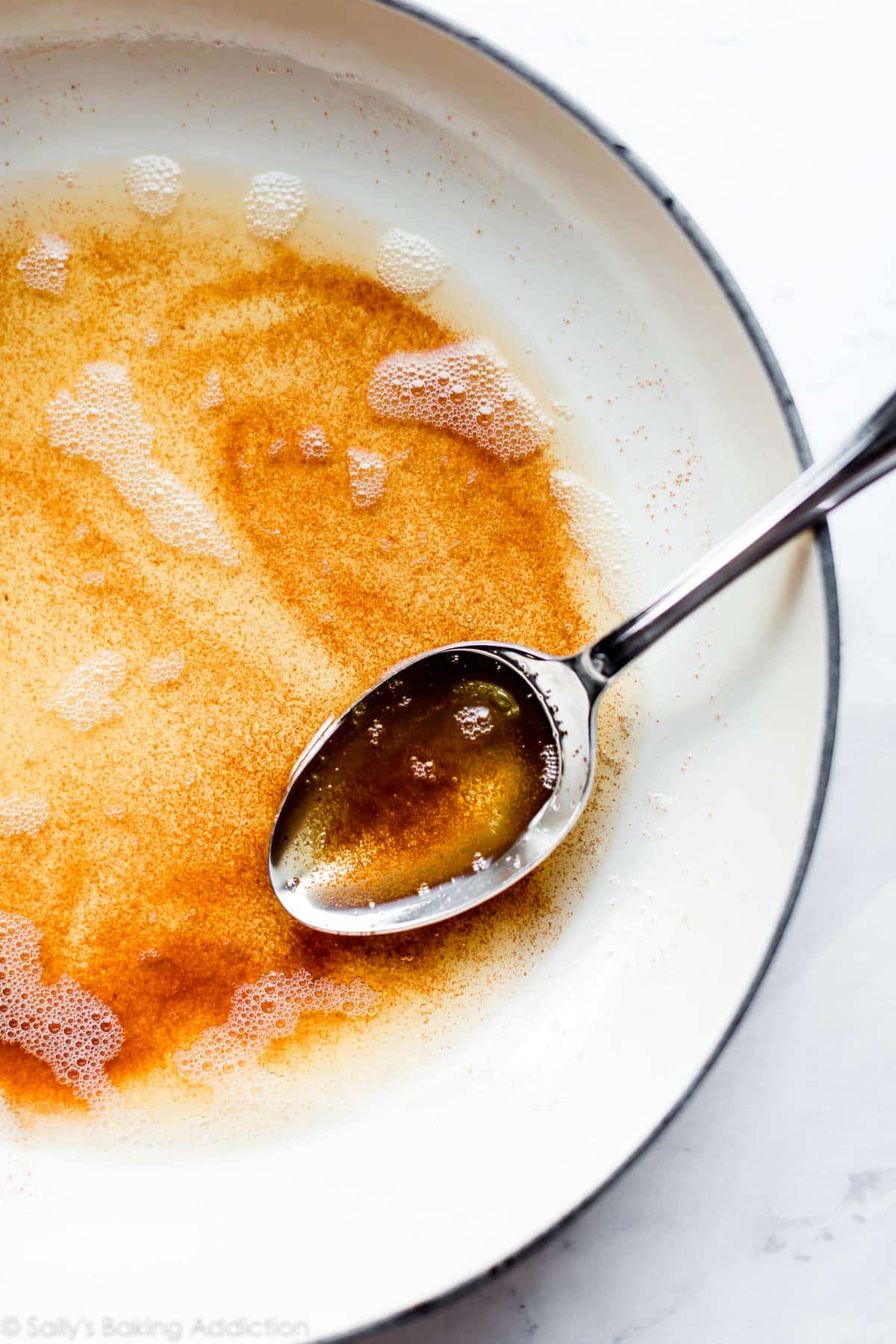
Cooking with butter gives food a delicious flavor and golden color. But butter has a low smoke point—about 350°F (177°C). If you heat it too much, the milk solids in butter start to brown and then burn. When butter burns, it forms a layer of carbonized milk solids that sticks tightly to metal surfaces. This creates that stubborn, black residue that is difficult to remove with normal washing.
Nonstick pans, stainless steel, cast iron, and enameled pans all react differently to burnt butter. Nonstick coatings are more forgiving, but stainless steel and cast iron can hold onto burnt spots. If you try to scrape burnt butter with the wrong tool, you might scratch or ruin your pan’s surface.
Immediate Actions: What To Do Right After Butter Burns
Reacting quickly can make cleaning much easier. If you notice the butter has started to burn, take these steps:
- Remove the pan from heat immediately. The longer it stays hot, the more the burnt butter will harden.
- Pour out any excess liquid butter. This prevents more burning.
- Let the pan cool for a few minutes—but don’t let the burnt layer dry completely. Warm residue is softer and easier to remove.
- Use a paper towel or spatula to gently wipe out loose bits. Don’t scrub yet.
Many people wait for the pan to cool fully. However, cleaning while the pan is still warm makes a big difference. This is an important detail most beginners miss.
The Science Behind Burnt-on Butter
Burnt butter is not just food stuck to metal. It’s a combination of carbonized proteins, sugars, and fats. When these molecules reach high heat, they bond tightly to the pan’s surface and become water-insoluble. That’s why just using hot water doesn’t work.
Some cookware materials, like stainless steel, have microscopic pores. Burnt butter fills these tiny gaps, making it even harder to clean. Nonstick coatings may prevent sticking, but once burnt, even these can hold onto stubborn residue.
Understanding this helps you choose the right cleaning method. You’ll need a combination of chemical reactions (like using baking soda or vinegar), physical action (scrubbing), and sometimes soaking.
Essential Tools And Cleaners For Removing Burnt Butter
Having the right tools makes cleaning much easier. Here are the essentials:
- Non-scratch scrubbers: Sponges with a safe abrasive side
- Plastic or silicone spatula: For gentle scraping
- Baking soda
- White vinegar
- Dish soap (preferably degreasing)
- Boiling water
- Wooden spoon (for tough residue)
- Hydrogen peroxide (for stainless steel only)
- Cream of tartar (for enameled pans)
- Microfiber cloth
Avoid using steel wool or metal scrapers on nonstick, enameled, or delicate surfaces. They can scratch and ruin your pan.
The Boiling Water Method
This is one of the simplest and most effective methods, especially for fresh burns.
- Fill the pan with enough water to cover the burnt area.
- Place the pan back on the stove and bring the water to a boil.
- Let it boil for 5–10 minutes. The heat will loosen the burnt butter.
- Use a wooden spoon or silicone spatula to gently scrape the loosened bits.
- Pour out the water and rinse the pan.
- Wash with dish soap and a non-scratch scrubber.
This method works best when the burnt butter is recent. If the residue is still stuck, move on to more powerful methods.
Baking Soda And Vinegar Paste
Baking soda is a natural abrasive and reacts with vinegar to break down tough stains.
- Sprinkle a generous layer of baking soda over the burnt area.
- Add a small amount of water to create a paste.
- Let it sit for at least 30 minutes (longer for heavy burns).
- For extra cleaning, pour a little vinegar over the paste. It will fizz and bubble.
- Scrub gently with a non-scratch pad.
- Rinse and repeat if needed.
This method is safe for most pan types, including stainless steel and nonstick. For cast iron, avoid vinegar as it can strip the seasoning.
Salt And Oil Scrub
Surprisingly, coarse salt works as a gentle abrasive, especially for cast iron.
- Pour a tablespoon of coarse salt into the pan.
- Add a small amount of vegetable oil.
- Use a paper towel or cloth to scrub the burnt area.
- Wipe out the mixture and rinse with warm water.
This method helps clean burnt butter without removing the seasoning from cast iron. It’s also good for carbon steel pans.
Commercial Cleaners: When To Use Them
Sometimes, home remedies aren’t enough. Commercial cleaners like Bar Keepers Friend or Bon Ami are designed for tough stains.
- Check if the cleaner is safe for your pan type.
- Follow the instructions on the package.
- Rinse well to avoid residue.
These cleaners often use mild acids and fine abrasives. Don’t use them on nonstick or enameled surfaces unless the label says it’s safe.
Hydrogen Peroxide For Stainless Steel
This is a little-known but very effective method for stainless steel pans.
- Pour enough hydrogen peroxide (3% solution) to cover the burnt area.
- Add a few tablespoons of baking soda.
- Heat the mixture gently on the stove until it starts to bubble.
- Let it simmer for 10 minutes, then cool.
- Scrub with a non-scratch pad and rinse.
Hydrogen peroxide breaks down organic stains chemically. Never use this method on nonstick or cast iron pans.
Cream Of Tartar For Enameled Pans
Enameled pans can lose their bright look when burnt butter leaves dark stains. Cream of tartar is a gentle option.
- Mix 1 tablespoon of cream of tartar with a cup of water.
- Pour into the pan and bring to a boil.
- Simmer for 10 minutes.
- Let cool, then scrub gently and rinse.
Cream of tartar is less abrasive than baking soda, making it ideal for enameled surfaces.
Nonstick Pans: Special Precautions
Burnt butter on nonstick pans is tricky. You must avoid scratching the coating.
- Never use metal utensils or abrasives.
- Stick to baking soda and dish soap.
- Avoid vinegar, which can damage some nonstick surfaces.
- Clean gently with a soft sponge.
If burnt butter won’t come off, soak the pan in hot, soapy water for several hours, then try again. If the nonstick coating is flaking, it’s time to replace the pan.
Comparing Cleaning Methods
To help you choose the best cleaning method for your pan type, here’s a comparison:
| Method | Pan Types | Best For | Precautions |
|---|---|---|---|
| Boiling Water | All except wood-handled pans | Fresh burns | Don’t overboil nonstick pans |
| Baking Soda & Vinegar | Stainless, nonstick, enameled | Moderate burns | Avoid vinegar on cast iron |
| Salt & Oil | Cast iron, carbon steel | Light to moderate burns | Don’t use on nonstick |
| Hydrogen Peroxide | Stainless steel only | Severe burns | Never use on nonstick |
| Cream of Tartar | Enameled pans | Dark stains | Not for metal or cast iron |
Choosing the right method for your pan will save you effort and keep your cookware in good shape.

Credit: www.reddit.com
Step-by-step Deep Cleaning Process
If you have a pan with heavy burnt butter that won’t budge, follow this detailed process:
- Soak the pan: Fill it with hot, soapy water and let it sit for at least one hour, or overnight for thick residue.
- Loosen the burnt layer: Use a wooden or silicone spatula to gently scrape off softened bits.
- Apply a cleaning paste: Make a paste with baking soda and water. Spread it over the burnt area.
- Let it sit: Wait at least 30 minutes. For stubborn stains, leave it longer.
- Scrub safely: Use a non-scratch scrubber to work on the residue.
- Rinse and check: If stains remain, repeat with a different method, such as vinegar or hydrogen peroxide (if your pan allows).
- Final polish: Wash the pan thoroughly with dish soap and rinse well.
Most people stop after one round and accept a “mostly clean” pan. But patience and repeating the steps can restore even heavily burnt pans.
How To Remove Burnt Butter From Cast Iron
Cast iron pans are special. They have a layer of seasoning (baked-on oil) that gives them a nonstick surface. If you use harsh cleaners or soak them too long, you’ll ruin this seasoning.
To clean burnt butter from cast iron:
- Let the pan cool until warm.
- Scrub with coarse salt and a little oil.
- Use a plastic scraper or spatula to gently lift burnt spots.
- Avoid soap and water unless necessary. If you must, dry the pan completely after rinsing.
- Re-season if the surface looks dry or dull by rubbing with a little vegetable oil and baking in a hot oven for one hour.
A key tip: Never put cast iron in the dishwasher or soak overnight. This causes rust and damages the pan.
Credit: sallysbakingaddiction.com
How To Remove Burnt Butter From Stainless Steel
Stainless steel is tough but not invincible. Here’s how to tackle burnt butter:
- Fill the pan with enough water to cover the burnt area.
- Add a tablespoon of baking soda.
- Bring to a boil for 10 minutes.
- Let cool, then scrub with a non-scratch pad.
- For tough burns, use hydrogen peroxide and baking soda, as explained earlier.
If your pan develops rainbow-colored stains from overheating, these are harmless but can be removed with vinegar.
How To Remove Burnt Butter From Nonstick Pans
Nonstick surfaces need gentle care:
- Soak the pan in hot, soapy water for 1–2 hours.
- Wipe off loose residue with a soft sponge.
- Sprinkle baking soda on stubborn spots, add a few drops of water, and gently rub.
- Rinse well. If stains remain, repeat the process—never use harsh scrubbing tools.
If your pan’s coating is badly damaged, it’s safer to buy a new one. Cooking with a scratched nonstick pan may release harmful chemicals.

Credit: www.reddit.com
How To Remove Burnt Butter From Enameled Pans
Enameled cookware, like Le Creuset, is popular for its easy-clean surface. Still, burnt butter can leave brown or black stains.
- Fill the pan with water and bring to a boil.
- Add 1–2 tablespoons of baking soda or cream of tartar.
- Simmer for 10–15 minutes.
- Let cool, then gently scrub.
- Avoid metal tools and harsh abrasives.
If stains remain, try a specialty enameled cookware cleaner or repeat the boiling method.
Common Mistakes To Avoid
- Scraping with metal utensils: This scratches most pans and removes nonstick or seasoning layers.
- Using harsh chemicals: Bleach and oven cleaner can damage surfaces and leave toxic residue.
- Soaking cast iron: Extended soaking causes rust and ruins the seasoning.
- Ignoring manufacturer’s instructions: Always check if your pan has special cleaning needs.
- Rushing the process: Sometimes, you need to repeat gentle methods instead of using harsh ones.
Preventing Burnt Butter In The Future
Prevention is easier than cleaning. Here’s how to avoid burnt butter:
- Always watch the heat: Use medium or low heat when melting butter.
- Add food quickly: Don’t let butter cook alone for too long.
- Use clarified butter (ghee): It has a higher smoke point and burns less easily.
- Stir often, and never leave the pan unattended.
- Clean pans soon after cooking to prevent residue buildup.
Real-world Example: Restoring A Stainless Steel Pan
Imagine you accidentally burn butter in your favorite stainless steel skillet while making eggs. The pan is covered in a black, sticky layer. Instead of tossing it, you:
- Fill it with water and baking soda, boil for 10 minutes, and scrape off loosened bits.
- Try the hydrogen peroxide and baking soda method for remaining stains.
- Rinse, wash, and finish with a little vinegar for polish.
After this process, the pan looks almost new. This method saves money and keeps your kitchen tools in great condition.
Expert Tips For Stubborn Stains
- For very stubborn spots, make a thick paste of baking soda and let it sit overnight before scrubbing.
- Use a plastic pan scraper for delicate surfaces.
- For extra shine on stainless steel, buff with a microfiber cloth after cleaning.
- If you’re cleaning a family heirloom or expensive pan, check the manufacturer’s website for advice.
How Long Does It Take To Clean Burnt Butter?
The time depends on how bad the burn is:
| Burn Severity | Estimated Cleaning Time | Recommended Method |
|---|---|---|
| Light | 10–20 minutes | Boiling water or baking soda paste |
| Moderate | 30–60 minutes (including soaking) | Baking soda & vinegar or salt & oil |
| Heavy | 1–3 hours (may need overnight soak) | Hydrogen peroxide, commercial cleaner, or repeated methods |
Patience is key. Rushing with harsh scrubbing often leads to more damage.
When To Replace A Pan
Sometimes, even the best cleaning methods aren’t enough. If your pan has:
- Deep scratches
- Peeling nonstick coating
- Warped bottom
- Rust that won’t go away
It’s time to invest in a new pan. Cooking in damaged cookware is unsafe and can affect taste and health.
Environmental And Safety Considerations
Be mindful of cleaning products and water use:
- Avoid strong chemicals that can harm the environment.
- Use as little water as necessary.
- Dispose of dirty water responsibly.
- Wear gloves if you have sensitive skin or are using hydrogen peroxide.
Most home cleaning solutions, like baking soda and vinegar, are eco-friendly.
Why Regular Maintenance Matters
Cleaning your pans after every use prevents buildup, saves time, and extends their life. Even if you don’t see burnt spots, oils can build up and burn later. Wipe your pans with a paper towel or wash gently after each use.
Cookware is an investment. Taking care of it means better meals and fewer replacements over time.
Frequently Asked Questions
How Do I Remove Burnt Butter From A Pan Without Baking Soda?
You can use boiling water to loosen burnt butter, then gently scrape with a wooden or silicone spatula. For cast iron, try coarse salt and oil. On enameled pans, a paste of cream of tartar and water is effective. For stainless steel, commercial cleaners can also help.
Is It Safe To Use Vinegar On All Types Of Pans?
No, vinegar is safe for stainless steel and enameled pans but not for cast iron or some nonstick coatings. On cast iron, vinegar can remove the seasoning and cause rust. Always check your pan’s care instructions before using vinegar.
Can I Use Steel Wool To Clean Burnt Butter?
Avoid steel wool on nonstick, enameled, or seasoned pans. It scratches the surface and can ruin the pan. Only use steel wool on stainless steel if the pan is uncoated and if other methods have failed. Even then, use with caution.
What If My Pan Still Smells After Cleaning?
If your pan smells like burnt butter after cleaning, boil water with a little vinegar or lemon juice in the pan for 5–10 minutes. This helps remove odors. For cast iron, re-seasoning after cleaning will remove smells.
Where Can I Learn More About Cleaning Cookware?
For more detailed information, visit Wikipedia’s cookware guide.
Burnt butter isn’t the end of your pan. With the right methods and a little patience, you can restore almost any pan—saving money, reducing waste, and keeping your kitchen running smoothly. Every cook makes mistakes, but knowing how to fix them is what sets you apart.
Try these tips the next time burnt butter strikes, and you’ll feel more confident in your kitchen cleanup skills.