
Keeping your kitchen clean is an ongoing challenge, especially when it comes to gas stoves. The grates on top of your stove often collect grease, food spills, and burnt-on messes. Many people wonder if they can simply put these grates in the dishwasher to save time and effort.
The answer isn’t always simple. Gas stove grates are made of different materials, and not all grates are dishwasher safe. Cleaning them the right way can make your stove last longer, look better, and even cook more evenly.
In this article, you’ll discover everything you need to know about cleaning gas stove grates in the dishwasher. You’ll find clear steps, important safety advice, and practical tips that most people miss. Whether you’re tired of scrubbing or just want to avoid mistakes, you’ll learn how to keep your stove grates spotless—with minimal effort and no damage.
Understanding Gas Stove Grates
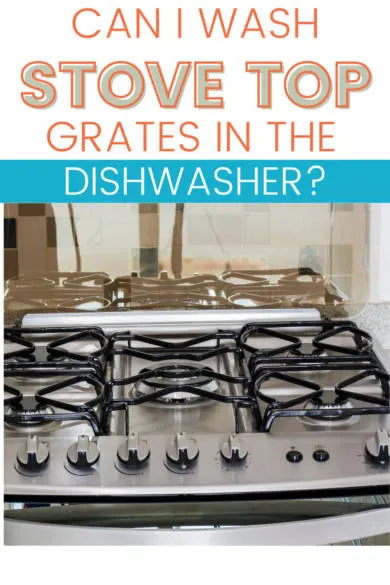
Gas stove grates are the removable frames that sit over the burners. They support your pots and pans, ensuring even heat distribution. These grates come in various materials, such as cast iron, enameled steel, and sometimes stainless steel. Each type reacts differently to cleaning methods, especially dishwashers.
Types Of Grates
- Cast Iron (Uncoated): These are heavy, black grates found on many traditional stoves. They’re very durable but can rust if not cared for properly.
- Enameled Cast Iron: These grates have a shiny, glass-like coating. They’re less likely to rust and are usually dishwasher safe.
- Stainless Steel: Found on some modern stoves, these grates are lighter, rust-resistant, and often dishwasher safe.
Knowing your grate material is essential before choosing any cleaning method. Using the wrong method can cause rust, discoloration, or even break the grates.
Why Clean Gas Stove Grates Regularly?
Dirty grates don’t just look bad. They can affect how your stove works. Food and grease build up and block the flame, causing uneven heating or even kitchen fires. Old grease can make your kitchen smell, and burnt crumbs may attract pests.
Regular cleaning also extends the life of your grates, saving money in the long run.
Ignoring the grates for too long leads to stubborn stains that are much harder to remove. If you clean them often, a dishwasher can handle most of the work with little scrubbing.
Can You Put Gas Stove Grates In The Dishwasher?
The short answer: sometimes. Not all gas stove grates are safe for the dishwasher. The right answer depends on the material, the manufacturer’s instructions, and the amount of grime present.
What The Manufacturers Say
Most stove manufacturers include cleaning instructions in the manual. Some state clearly that enameled grates can go in the dishwasher, while bare cast iron grates should not. If you’re unsure, always check your manual or the company’s website.
Risks Of Dishwasher Cleaning
While the dishwasher is convenient, it can also cause problems:
- Rust: Uncoated cast iron grates can rust after dishwasher washing.
- Chips: Enameled grates may chip if they knock against each other.
- Discoloration: Some grates turn dull or change color after repeated dishwasher cycles.
- Ineffective Cleaning: Very greasy or burnt-on messes sometimes need soaking or scrubbing before dishwasher cleaning.
If you want your grates to last, you must know if your specific grates are dishwasher safe.
How To Check If Your Gas Stove Grates Are Dishwasher Safe
Before you put any stove grate in the dishwasher, do a simple check:
- Read the Manual: Look for a section about cleaning. Search for “dishwasher safe” or similar words.
- Check for Coating: Enameled grates feel smooth and shiny. Uncoated cast iron is rough and matte.
- Manufacturer’s Website: If you lost the manual, visit the company’s official website. Look up your stove’s model number.
- Test a Small Area: If you’re unsure, try washing a small, hidden part by hand with water. If it rusts or changes color, avoid the dishwasher.
If in doubt, it’s safer to hand wash your grates.
Step-by-step: Cleaning Gas Stove Grates In The Dishwasher
If your grates are dishwasher safe, follow these steps for the best results:
1. Remove Grates Carefully
Wait until your stove is cool. Lift each grate straight up to avoid scratching the surface or spilling debris.
2. Pre-soak For Heavy Grease
If there’s a lot of burnt-on food or thick grease, soak the grates in hot, soapy water for 10–15 minutes. This softens tough buildup, making the dishwasher more effective.
3. Scrape Off Loose Debris
Use a stiff brush or plastic scraper to remove crumbs and loose chunks. This prevents the dishwasher filter from clogging.
4. Load Grates Properly
Place grates in the bottom rack of the dishwasher. Keep them spaced apart so water can reach all sides. Avoid overloading.
5. Choose The Right Cycle
Select a heavy-duty or pots-and-pans cycle. Use normal dishwasher detergent, but avoid extra rinse aids or bleach.
6. Inspect After Washing
When the cycle finishes, check each grate. If any grime remains, repeat the process or scrub stubborn spots by hand.
7. Dry Immediately
Remove grates as soon as possible and dry them completely with a towel. For cast iron, air drying can cause rust, so wipe every surface.
8. Re-season (if Needed)
If you have uncoated cast iron grates and they accidentally went in the dishwasher, rub a thin layer of cooking oil on them and bake at 350°F for one hour. This prevents rust.
Pros And Cons: Cleaning Gas Stove Grates In The Dishwasher
Understanding the advantages and drawbacks helps you decide if the dishwasher is right for your grates.
| Pros | Cons |
|---|---|
| Saves time and effort | Risk of rust (cast iron) |
| Removes grease and food | Possible chipping (enameled grates) |
| Sanitizes with hot water | Discoloration over time |
| Easy for regular cleaning | May not remove heavy buildup |
Common Mistakes When Cleaning Grates In The Dishwasher
Many people make simple errors that damage their grates or dishwasher. Avoid these mistakes:
- Skipping pre-soak: Dishwashers can’t remove thick, burnt-on residue without help.
- Mixing materials: Washing cast iron and enameled grates together can cause scratches and chips.
- Letting grates air dry: Moisture can cause rust, especially on cast iron.
- Using harsh detergents: Bleach or strong chemicals can damage enamel or metal.
- Overloading the dishwasher: Crowded grates block water flow and won’t get fully clean.
A small effort before washing saves you time and money later.
How Often Should You Clean Gas Stove Grates?
How frequently you clean depends on how much you cook and the types of food you prepare. As a general rule:
- Light use: Clean every 1–2 weeks if you rarely fry or cook messy foods.
- Heavy use: Clean every few days if you cook daily, especially with oil or sauces.
- After big spills: Clean immediately if food or grease spills during cooking.
Regular cleaning prevents tough buildup, making dishwasher cleaning more effective.

Credit: ddtecdedetizacao.com.br
What If Your Grates Are Not Dishwasher Safe?
If your grates are bare cast iron or the manual says not to use the dishwasher, clean them by hand:
- Soak in hot, soapy water for 15–30 minutes.
- Scrub with a stiff brush or non-metal scouring pad.
- Rinse and dry completely.
- Re-season uncoated cast iron by rubbing with oil and heating in the oven.
Never use steel wool on enameled grates. For stubborn stains, baking soda paste or vinegar can help.
Comparing Dishwasher Cleaning To Hand Washing
It’s helpful to see the differences clearly:
| Dishwasher Cleaning | Hand Washing |
|---|---|
| Convenient, less effort | More control, less risk of damage |
| Best for enameled grates | Safe for all materials |
| Not effective for heavy stains | Can target tough spots |
| May cause rust or chips | Gentler on surfaces |
For quick, light cleaning, dishwashers are great. For serious grime or delicate grates, hand washing is safer.
Tips For Keeping Stove Grates Cleaner, Longer
You can reduce the need for deep cleaning with these smart habits:
- Wipe after each use: A quick wipe with a damp cloth removes fresh spills before they harden.
- Clean spills immediately: Sugar or acidic foods can damage enamel if left too long.
- Use burner liners: These catch drips and make cleaning faster.
- Rotate grates: If your stove allows, switch grates so wear is even.
- Avoid cooking sprays: They can leave sticky residue that’s hard to remove.
A little daily care means less work later.
Real-world Examples: What Works And What Doesn’t
Many people share their experiences online, but a few lessons stand out.
- Case 1: Maria, who cooks every day, puts her enameled grates in the dishwasher once a week. She soaks them first and always dries them right away. Her grates still look new after two years.
- Case 2: Peter put his uncoated cast iron grates in the dishwasher. They came out rusty and dull. He had to scrub and re-season them, and they never looked the same.
- Case 3: Jamal uses stainless steel grates. He runs them through the dishwasher with his pots and pans. No rust, but after a year, he noticed some discoloration.
The lesson: Know your material, follow the right steps, and don’t skip pre-soaking or drying.
How Dishwashers Affect Grate Materials Over Time
Dishwashers use high heat, strong water pressure, and detergent. Over time, this can have effects:
- Enameled grates: The coating may chip if grates bump together. Detergent can dull the shine after many washes.
- Cast iron: The biggest risk is rust, which weakens the grate and leaves orange marks on your stove.
- Stainless steel: Dishwashers usually cause no structural harm, but repeated cycles may create a blue or gold tint.
You can reduce these effects by washing grates alone, using gentle detergent, and drying immediately.
How To Remove Stubborn Stains Before Dishwasher Cleaning
If your grates have burnt-on stains, try these methods before using the dishwasher:
- Baking Soda Paste: Mix baking soda with water to form a paste. Spread on stains, wait 20 minutes, then scrub.
- Vinegar Spray: Spray white vinegar and let sit for 10 minutes before scrubbing.
- Commercial Degreaser: Use products designed for stove cleaning, but follow label instructions.
- Boiling Water: For really tough stains, place grates in the sink and pour boiling water over them. Soak before scrubbing.
These steps make dishwasher cleaning more effective.
Dishwashing Detergents: Which Ones Are Best?
Not all detergents are equal when it comes to stove grates:
- Standard powder or gel: Works well for most enameled or stainless steel grates.
- Avoid bleach or harsh chemicals: These can damage enamel and cause fading or pitting.
- No rinse aid needed: Rinse aids are unnecessary and may leave a residue.
If you want a natural option, some people use baking soda in the detergent cup, but results may vary.
What To Do If Grates Rust Or Chip After Dishwasher Cleaning
If you notice rust on your grates after washing:
- Remove Rust: Scrub gently with a brush and some vinegar or baking soda.
- Dry Thoroughly: Use a towel and, if possible, heat the grates in the oven at 350°F for 30 minutes.
- Re-season: For uncoated cast iron, rub with oil and bake.
- Touch-Up Kit: For chipped enamel, some stove brands offer repair kits.
If the damage is severe, consider replacing the grates for safety.

Credit: interpower.com.br
Environmental Impact: Dishwasher Vs. Hand Washing
Many people wonder which method is more eco-friendly. Modern dishwashers use about 3–5 gallons of water per cycle, while hand washing can use more if you leave the tap running. However, the dishwasher uses electricity for heating and drying.
- Dishwasher: More efficient for a full load, less water overall.
- Hand washing: Uses less energy, but only if done carefully.
For the most eco-friendly approach, only use the dishwasher when you have a full load, and avoid pre-rinsing under running water.
When To Replace Gas Stove Grates
Even with good care, grates don’t last forever. Signs it’s time to replace include:
- Cracks or deep rust: These can affect cooking and safety.
- Missing feet or pads: Grates wobble and scratch your stove.
- Chipped enamel: This exposes metal, leading to rust.
- Warping: Grates no longer sit flat and pots may tip.
Replacement grates are available from the manufacturer or appliance stores.
Credit: www.thalitaoliveirapsicologa.com.br
Advanced Tips: For Stubborn And Old Grates
If your grates are very old or have years of buildup, try this:
- Ammonia Bag Method: Place grates in a sealable bag with 1/4 cup household ammonia. Seal and leave overnight outside. The fumes (not the liquid) loosen grime. Rinse and scrub the next day.
- Oven Cleaning: Some ovens have a self-cleaning mode. Placing grates inside can burn off residue, but only if the manual allows.
- Professional Cleaning: Appliance repair shops sometimes offer deep cleaning services.
Never mix ammonia with other cleaners. Always ventilate well.
How To Store Grates During Deep Cleaning
If you need to leave grates out overnight:
- Dry completely before storing.
- Place on a clean towel or rack to keep dust away.
- For cast iron, rub with a little oil to prevent rust.
Never store damp grates or stack them, as this causes damage.
What Else Can Go In The Dishwasher With Grates?
You may wonder if it’s safe to wash other stove parts, like burner caps or knobs, together with grates.
- Burner caps: Many are dishwasher safe but check the manual.
- Knobs: Usually best to hand wash, as the markings can fade.
- Drip pans: Often dishwasher safe if they fit.
Never put electronic parts or anything with wires in the dishwasher.
How To Keep The Dishwasher Itself Clean
Heavy grease from stove grates can clog your dishwasher over time. To prevent problems:
- Scrape grates first to remove big chunks.
- Run a hot rinse cycle after washing greasy items.
- Clean the filter monthly to prevent clogs.
- Use dishwasher cleaner every few months.
A clean dishwasher means cleaner grates and dishes.
Comparing Major Brands’ Grate Cleaning Advice
Here’s a quick look at how different stove brands recommend cleaning their grates:
| Brand | Dishwasher Safe? | Special Notes |
|---|---|---|
| GE Appliances | Yes (enameled only) | Dry immediately, avoid bleach |
| Whirlpool | Yes (enamel/stainless) | Pre-soak for heavy stains |
| Frigidaire | Some models | Check manual, avoid chips |
| Samsung | Yes (enamel) | Don’t overload dishwasher |
| LG | Yes (enamel/stainless) | Hand wash cast iron |
Always check your model’s manual for the safest advice.
Frequently Asked Questions
Can I Put All Types Of Gas Stove Grates In The Dishwasher?
No, only enameled and some stainless steel grates are usually dishwasher safe. Uncoated cast iron grates can rust and should be washed by hand.
What Should I Do If My Grates Come Out Of The Dishwasher Rusty?
If you see rust, dry the grates immediately, scrub off the rust with vinegar or baking soda, and for cast iron, re-season with oil by baking them in the oven.
Is It Safe To Wash Burner Caps Or Knobs In The Dishwasher?
Burner caps are often safe, but always check your manual. Knobs should be hand washed, as dishwasher heat and detergent can fade the markings.
How Often Should I Clean My Stove Grates In The Dishwasher?
For regular cooking, every 1–2 weeks is enough. Clean sooner if you spill food or cook with a lot of oil.
Where Can I Find More Information About My Stove Model’s Cleaning Guidelines?
Check your manufacturer’s official website or manual. For example, GE Appliances offers model-specific cleaning instructions.
Keeping your gas stove grates clean is not just about looks—it’s about kitchen safety, cooking performance, and making your appliances last. By understanding your grate material and following these clear steps, you can use the dishwasher wisely and avoid common mistakes.
With a little regular care, your kitchen will look and work its best, every day.