
If you love to cook, you probably know the magic of enameled cast iron cookware. These kitchen tools are heavy, beautiful, and make food taste great. But keeping them clean can be confusing. Many people ask: Can you use vinegar on enameled cast iron? Is it safe? Will it damage the shiny coating?
Let’s dig deep into this topic. You’ll learn not just “yes or no,” but also why, how, and when to use vinegar, plus all the important details you need for proper care. Whether you’re a beginner or someone who has cooked for years, this article will give you practical answers and clear steps.
No jargon, just real, helpful advice.
What Is Enameled Cast Iron?
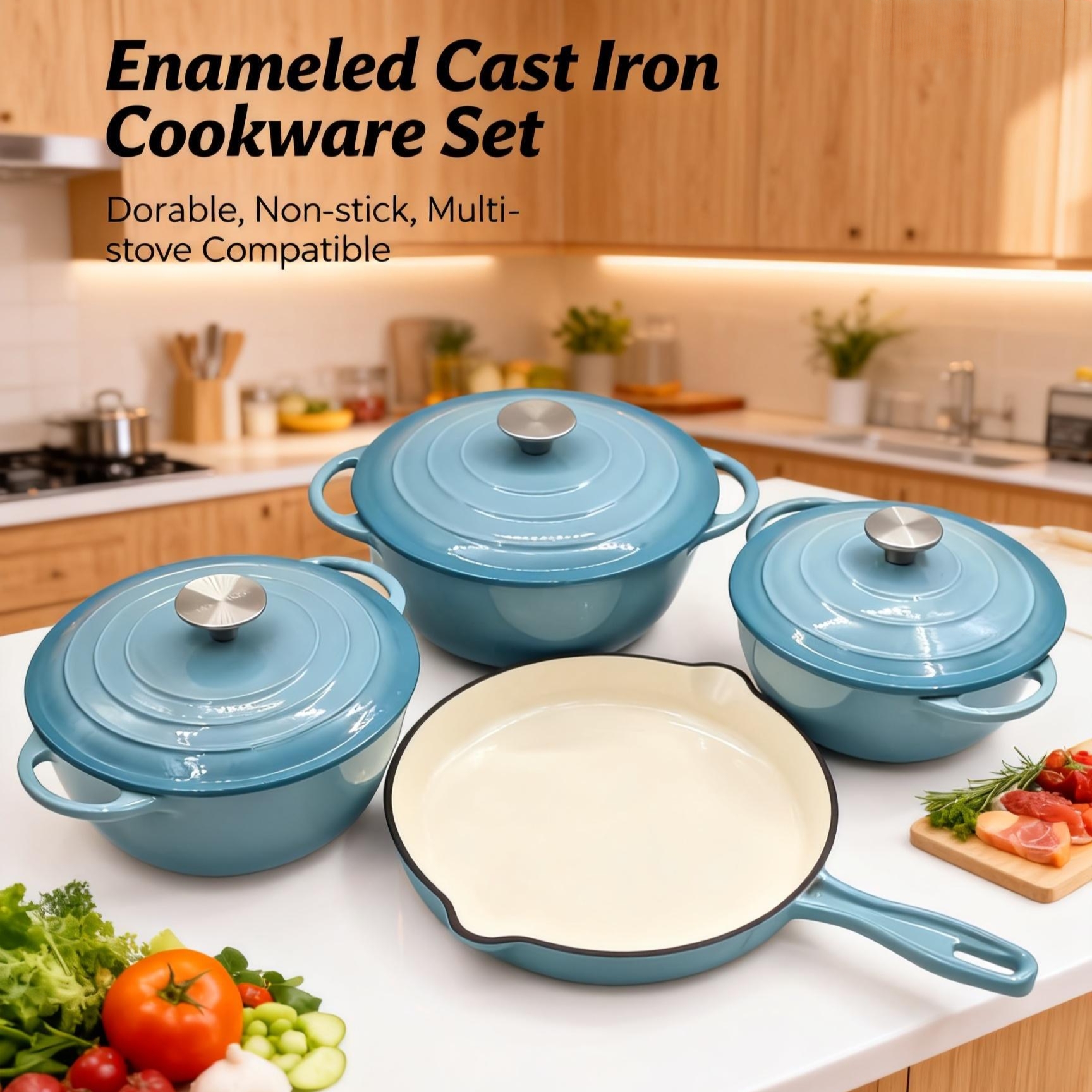
Enameled cast iron is a type of cookware made from heavy iron and covered in a glass-like coating called enamel. This coating makes it colorful, smooth, and rust-resistant. Brands like Le Creuset, Staub, and Lodge are famous for their enameled cast iron pots and pans.
You’ll see these used for:
- Dutch ovens (for soups, bread, and stews)
- Skillets
- Grill pans
- Braisers
Key features of enameled cast iron:
- Doesn’t need seasoning (unlike bare cast iron)
- Won’t react with acidic foods (like tomatoes)
- Easy to clean, but not always “nonstick”
One reason people love enameled cast iron is its long life. With the right care, these pots can last for decades. But the enamel is strong, not indestructible. Cleaning and maintenance matter.
Why Use Vinegar On Enameled Cast Iron?
Vinegar is a common household ingredient. It’s cheap, easy to find, and safe for many surfaces. But why do people use vinegar on enameled cast iron?
1. Removing Stubborn Stains
Over time, the inside of enameled cast iron can turn brown or yellow. This comes from cooking sauces, oils, and spices. Vinegar helps lift these stains so your pot looks new again.
2. Breaking Down Mineral Deposits
If you use hard water, you may see white or gray spots inside your cookware. These are mineral deposits. Vinegar’s acidity dissolves them easily.
3. Getting Rid Of Odors
After cooking strong-smelling food (like garlic or fish), enamel can hold onto smells. Vinegar neutralizes these odors.
4. Cleaning “burnt-on” Bits
Sometimes food sticks and burns on the bottom. Vinegar, mixed with baking soda, can help loosen these bits without harsh scrubbing.
Credit: www.alibaba.com
Is Vinegar Safe For Enameled Cast Iron?
Many people worry that vinegar will ruin the enamel. The truth is: Vinegar is generally safe—but only if you use it the right way.
What Makes Enamel Strong
The enamel coating is a type of glass. It resists most acids, including vinegar, lemon juice, and tomato sauce. That’s why you can cook bolognese or chili in these pots without worry.
What Can Go Wrong
- Prolonged soaking: Leaving vinegar in the pot for many hours can slowly weaken the enamel.
- High concentration: Using pure, undiluted vinegar repeatedly may dull the shine.
- Physical damage: If your enamel is already chipped or cracked, vinegar (or any acid) can get underneath and cause more harm.
What Research And Brands Say
Most major brands (like Le Creuset) say that occasional cleaning with diluted vinegar is safe. Just don’t make it a daily habit or let vinegar sit overnight.
How To Use Vinegar On Enameled Cast Iron: Step-by-step
Here’s a safe, effective way to clean your enameled cast iron with vinegar:
Step 1: Let The Pot Cool
Never clean a hot pot with cold vinegar. The sudden change in temperature can cause cracks. Let it cool to room temperature first.
Step 2: Make A Cleaning Solution
Mix equal parts white vinegar and water. For example, use 1 cup vinegar and 1 cup water.
Step 3: Pour Into The Pot
Add the solution until it covers the stained area. For stubborn stains, you may need to use more.
Step 4: Heat Gently (optional)
If the stain is tough, warm the solution on the stove over low heat for 5-10 minutes. Do not let it boil.
Step 5: Let It Sit
Turn off the heat. Let the pot sit for 10-15 minutes. This gives the vinegar time to work.
Step 6: Scrub Gently
Use a soft sponge or nylon brush. Avoid metal scrubbers—they can scratch the enamel. If the stain is still there, try sprinkling a little baking soda before scrubbing.
Step 7: Rinse And Dry
Pour out the vinegar solution. Rinse the pot well with warm water. Dry completely with a towel.
Tip: For odors, you don’t need to heat the vinegar. Just wipe the inside with a vinegar-soaked cloth and rinse.
What Not To Do When Using Vinegar
Even though vinegar is generally safe, there are some important “don’ts”:
- Don’t use pure vinegar for long periods.
- Always dilute with water.
- Don’t soak overnight.
- Prolonged exposure can weaken enamel.
- Don’t use with damaged enamel.
- If you see chips, avoid vinegar until repaired.
- Don’t scrub with steel wool or metal pads.
- This can scratch the surface.
- Don’t heat empty.
- Always have some liquid in the pot before heating.
Comparing Cleaning Methods For Enameled Cast Iron
There are several ways to clean enameled cast iron. How does vinegar compare to other methods? Here’s a quick look:
| Method | Effectiveness | Risk to Enamel | Best For |
|---|---|---|---|
| Vinegar + Water | High (for stains, odors, minerals) | Low (if used correctly) | Stains, odors, water spots |
| Baking Soda Paste | Medium-High | Very Low | Stuck food, gentle scrubbing |
| Dish Soap + Sponge | Medium | None | Everyday cleaning |
| Bar Keeper’s Friend | High | Low (use gentle version) | Heavy stains, restoring shine |
| Bleach Solution | Very High | Medium (use rarely, rinse well) | Deep cleaning, mold |
Insight: Vinegar is a strong choice for regular stain removal, but for burnt-on food, a baking soda paste may be gentler.
When Should You Not Use Vinegar On Enameled Cast Iron?
There are situations when vinegar is not the answer:
- Chipped or cracked enamel: Acid can get under the surface and cause more damage.
- Heavy burnt-on food: Vinegar helps, but sometimes you need a baking soda paste or a specialty cleaner.
- Decorative pieces: If your pot is vintage or has delicate painted designs, avoid acids.
- Unusual colors: Some bright or pale enamel colors may show stains if overexposed to acid.
How Often Should You Use Vinegar?
Vinegar is not for daily cleaning. Use it only when:
- You notice brown, yellow, or gray stains.
- There are white mineral spots.
- The pot smells after washing.
- Baking soda and dish soap didn’t work.
General rule: Once a month is enough for most home cooks.
The Science Behind Vinegar And Enamel
Vinegar is made from acetic acid. This acid dissolves minerals and breaks up organic stains. Enamel, made from fused silica glass, is mostly acid-resistant but not acid-proof.
What does this mean?
- Normal use (short soaks, diluted vinegar) is safe.
- Repeated, long soaks in strong acid can eventually dull or pit the surface.
Non-obvious insight: The shine of your enamel comes from a very smooth surface. Acid can make tiny scratches or “frosting” that look like cloudiness. This is why gentle use is key.
Real-world Examples
Let’s look at some common situations and how vinegar helps—or doesn’t.
Example 1: Tomato Sauce Stain
You made a big batch of tomato sauce and now your white Dutch oven is pink or yellow. Dish soap doesn’t help.
Solution: Try vinegar and water, heat gently, and scrub with a soft brush. In most cases, the color fades after one or two treatments.
Example 2: Hard Water Spots
After boiling water, grayish spots appear. They don’t wash off.
Solution: Fill with vinegar and water, let sit for 10 minutes, rinse. The spots usually disappear.
Example 3: Burnt Rice
You left rice on too long. The bottom is black and stuck.
Solution: For heavy burns, start with a baking soda paste. If stains remain, try the vinegar solution next.
Pro tip: If you clean burnt pots often, rotate methods to avoid wearing down the enamel.
Credit: www.carawayhome.com
Practical Tips For Long-lasting Enameled Cast Iron
- Avoid thermal shock: Don’t add cold vinegar to a hot pot. Let the pot cool first.
- Dilute acids: Always mix vinegar with water.
- Use soft tools: Nylon, silicone, or natural sponges are safest.
- Dry after washing: Water spots can be avoided by towel-drying.
- Store with lid off: Airflow prevents odor buildup.
- Don’t stack heavy pots: Protect enamel from chips and scratches.
Common Mistakes People Make
Many beginners damage their cookware by accident. Here are mistakes to avoid:
- Soaking too long: Overnight soaks are not needed.
- Not rinsing well: Always wash away vinegar completely.
- Using harsh abrasives: Even one scrub with steel wool can leave permanent scratches.
- Ignoring chips: Once enamel is chipped, stop using acid cleaners.
- Assuming all stains are permanent: Most discoloration is fixable with the right method.
Comparing Enameled Cast Iron With Other Cookware
Is cleaning enameled cast iron with vinegar different from other cookware types? Here’s how it compares:
| Cookware Type | Can Use Vinegar? | Effect | Care Needed? |
|---|---|---|---|
| Enameled Cast Iron | Yes (diluted, short) | Removes stains, odors | Don’t soak long, avoid chips |
| Bare Cast Iron | No | Removes seasoning, can rust | Never use vinegar |
| Stainless Steel | Yes | Cleans, polishes | Safe, but rinse well |
| Aluminum (Uncoated) | No | Can corrode | Avoid acids |
| Nonstick Coated | Yes (rarely) | Removes stains | Use diluted, rinse well |
Takeaway: Enameled cast iron is more forgiving than bare cast iron, but less so than stainless steel.
How Does Vinegar Affect Different Enamel Colors?
Many people notice their white or light-colored enameled cast iron shows stains faster. Dark blue, red, or green pots hide stains better but can still be affected.
- White and cream: Show stains easily. Vinegar works well, but overuse can dull the shine.
- Bright colors: Acid can sometimes lighten the color if used too much.
- Dark colors: Hide minor stains. Use vinegar only if stains or smells are obvious.
Non-obvious insight: The texture of the enamel (matte vs glossy) also affects how stains and vinegar interact. Matte finishes are more likely to lose shine with acid use.
Alternatives To Vinegar For Enameled Cast Iron
If you want to avoid vinegar, try these options:
- Baking soda paste: Mix baking soda with a little water. Scrub gently.
- Hydrogen peroxide: Use carefully for tough stains (dilute and rinse well).
- Bar Keeper’s Friend: Made for enamel, but use the soft cleanser, not the powder.
- Lemon juice: Less harsh than vinegar, but similar effect.
- Specialty cleaners: Some brands sell enamel-safe products.
Note: Always test new cleaners on a small spot first.
What To Do If Enamel Becomes Dull Or Scratched
If you notice your pot looks cloudy or scratched after cleaning:
- Stop using acid cleaners for a while.
- Try a gentle polish (like Bar Keeper’s Friend soft cleanser).
- Rinse and dry well after every wash.
- Sometimes, a bit of vegetable oil wiped on the inside can restore shine (wipe away excess).
If the enamel is chipped and you see black cast iron, stop using vinegar or any acid. Consider contacting the manufacturer about repair or replacement.

Credit: www.carawayhome.com
Real User Experiences
Many home cooks share their experiences online. Here’s what they’ve learned:
- “I cleaned my Le Creuset with vinegar once a month for years—no damage.”
- “I left vinegar in my Dutch oven overnight and now the finish looks dull.”
- “Baking soda and vinegar together fizzed up and lifted burnt sauce!”
- “I used a metal scrubber, and now there are scratches that won’t go away.”
The most successful users follow this rule: Gentle, short, and diluted is best.
Expert Recommendations
Cookware brands, chefs, and cleaning experts agree:
- Diluted vinegar is a good occasional cleaner.
- Don’t use for daily washing.
- Never soak for long periods.
- Always rinse and dry after using vinegar.
If you want the official word, you can check Le Creuset’s Care Guide.
Is It Worth Using Vinegar?
For most people, the answer is yes—but only for the right problems and with the right method. Vinegar is a safe, cheap, and effective tool for removing stains, odors, and mineral spots from enameled cast iron. Just remember: moderation is key.
You don’t need to use vinegar every week. If you care for your pot gently, it will keep looking great for many years.
Frequently Asked Questions
How Do I Remove Brown Stains From My Enameled Cast Iron?
Mix equal parts white vinegar and water. Pour into the pot, heat gently, let sit for 10-15 minutes, then scrub with a soft sponge. Rinse and dry well.
Can Vinegar Damage The Enamel On My Cast Iron?
If used properly (diluted and for short periods), vinegar is safe. Overuse, pure vinegar, or long soaks can dull or weaken the enamel.
Is It Safe To Clean Le Creuset With Vinegar?
Yes, as long as you dilute the vinegar and don’t soak for hours. Most major brands allow occasional use of vinegar for stain removal.
What’s Better For Burnt-on Food: Vinegar Or Baking Soda?
Baking soda paste is usually gentler and works well for burnt food. Try vinegar if baking soda doesn’t remove all the stains.
Can I Use Apple Cider Vinegar Instead Of White Vinegar?
Yes, but white vinegar is preferred because it’s clear and leaves no smell. If using apple cider vinegar, always dilute and rinse well.
Enameled cast iron is a joy to cook with and, with a little knowledge, easy to care for. Understanding when and how to use vinegar helps you keep your cookware in top shape—so every meal tastes and looks its best.